1857
January
Rumour of the greased cartridges starts in Dum Dum
February – March
| 26+27 February | Sepoys of the 19th Native Infantry at Berhampore refuse rifle practice |
| 6 March | Sir Henry Lawrence takes over as Chief Commissioner at Lucknow |
| 29 March | At Barrackpore, in Bengal, Mangal Pandey wounds two British mutiny of 34th Native Infantry |
| 31 March | 19th Native Infantry disbanded |
April
Unrest and incendiarism in Ambala
| 8 April | Mangal Pandey hanged at Barrackpore |
| 21 April | Jemadar Ishwari Prashad hanged at Barrackpore |
| 24 April | Infamous parade at Meerut -Troopers of the 3rd Bengal Light Cavalry (LC) refuse orders |
The mutiny began on 10 May 1857 in Meerut. There had been rumblings of trouble for some months before, but predicted years before the first shots were fired. As the month proceeded, practically every station in the districts that had once been under British control in the North-Western Provinces and increasingly in Rohilkhand had either fallen to mutiny or was being held by adamant bands of increasingly isolated EICo civilians and their military brethren.
May
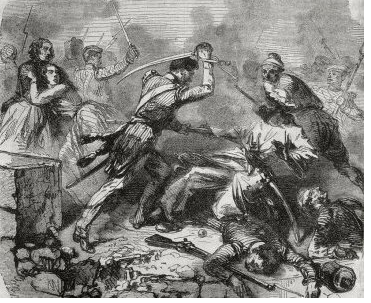
| 2 May | Continued unrest at Ambala, 7th Oudh Irregulars mutiny at Lucknow |
| 3 May | 7th Oudh Irregular Infantry disarmed at Lucknow |
| 6 May | 7 companies of the 34th Native Infantry disbanded at Barrackpore |
| 8 May | Troops of the 3rd Bengal Light Cavalry at Meerut are found guilty by a court-martial to a vote of 14 out of 15. The fettering parade would held the next day. |
| 10 May | The failed uprising in Ambala. Mutiny at Meerut of the 3rd LC, 11th and 20th BNI. Following the destruction of Meerut and the murder of the Europeans, the mutineers leave for Delhi. Telegram sent to Agra from Meerut. An incomplete telegram is also received before the telegram lines are cut. |
| 11 May | The Meerut mutineers arrive in Delhi. Captain Douglas of the Palace Guard refuses them entry & proceeds to shut the city gates, but they gain access through the Rajghat Gate. The 38th BNI, 54th and 74th BNI join the mutineers. Many of the European officers are killed, as are any Europeans, Anglo-Indians and Indian Christians found in the city. The Delhi Magazine is blown up by nine remaining Europeans. Plunder and murder continues through out the day and into the night. Those Europeans who can, flee, while others gather at Flagstaff Tower on the Ridge. By nightfall, Delhi is in the hands of the mutineers, and the Europeans are fleeing. |
| 12 May | Commander-in-Chief General George Anson receives a letter from Ambala in Simla regarding the uprising at Delhi. Another message is then received regarding events in Meerut Two groups of fugitives from Delhi arrive in Thanesar A detachment of the 5th BNI sent to Thanesar Patiala Raja arrives in Thanesar. He leaves 1000 men, 4 guns and a further 150 men to Karnal. Deputy Commissioner MacNeile organises a force of 350 volunteers |
| 13 May | Bahadur Shah Zafar proclaimed emperor at Delhi The authorities in the Punjab are alert to the oncoming storm and The Corps of Guides begin their march from Mardan to Delhi 8th LC, 16th, 26th and 49th BNI disarmed at Lahore 45th BNI mutiny in Ferozepore Anson receives further information regarding the mutinies and orders the 2nd Fusiliers to march to Ambala and orders a siege train to be organised at Phillour |
| 14 May | 57th BNI mutiny in Ferozepore 45th and 57th partially disarmed at Ferozepore 29 men of the 20th BNI mutiny in Muzaffarnagar Anson leaves Simla Major Charles Reid marches the Sirmoor Battalion to Meerut from Dehra Dun Canning orders the 43rd and the 1st Madras European Fusiliers to be ready for embarkation A steamer is sent to Pegu in Burma to pick up the 35th A telegram is sent to John Colvin in Agra to order John Lawrence to send all possible troops to Delhi A telegram is sent to the Governor of Ceylon to send all available troops |
| 15 May | Anson arrives at Ambala The Simla Panic: rumours that the Nasiri Gurkha regiment has mutinied causes the Europeans in Simla to flee to Dagshai and Kasauli. Although a portion of the Nasiri Battalion had risen over pay problems in Kasauli and Simla, most of the men marched to the plains to escort the siege train from Ambala. Reid reaches Kheree |
| 16 May | The Nasiri Gurkha Regiment regain their senses and march to the plains Troops begin to arrive in Amabala 4 companies of the Bengal Sappers and Miners mutiny in Meerut. 2 companies disarmed Reid arrives in Roorkee Mutiny in Etawah Lieut. Col. James Neil mobilises the 1st Madras European Regt. and sets off for Calcutta |
| 17 May | The Bharatpur Army under Captain Nixon arrive in Muttra Jind Raja arrives in Thanesar and marches immediately to Karnal Canning receives a telegram from Lord Elphinstone, Governor of Bombay, offering to send a fast steamer to England with despatches. Canning is advised this move is unnecessary. |
| 18 May | The joint forces of Bharatpur and Ulwar march to Hodul The first batch of the 84th Regiment of Foot leaves Calcutta |
| 19 May | The Bharatpur Army joins forces with the Ulwar Army at Chaumuhan Siege of Jaswantnagar – A.O.Hume and joint magistrate C. Daniells with 5 troopers attempt to dislodge mutineers of the 3rd LC from a temple. The mutineers escape during a thunderstorm The China Expedition is diverted to India |
| 20 May | Mutiny at Aligarh. Outbreak at Coel The 55th BNI display disaffection, amounting to mutiny at Mardan. Colonel Spottiswoode, in his shame, commits suicide. 120 men remain loyal while the rest flee, only to be pursued by John Nicholson with horse artillery and the Punjab Infantry. 150 are captured, and the rest are brought in by the hill tribes. As the 10th Irregular Cavalry had refused to act against the 55th, they were disarmed and disbanded. 40 men of the 55th would be blown from guns for mutiny. |
| 21 May | Hodson leaves Ambala with despatches for Meerut, via Karnal 53rd Regiment of Foot leaves Calcutta 2 companies of the 55th BNI mutiny in Nowshera 5th LC, 24th, 27th, 51st and 64th BNI disarmed at Peshawar. This does not affect the 21st as Brigadier Cotton perceives them as staunch, which proves to be true. At Kanpur, Wheeler commences work on the entrenchment, fortifying the old Dragoon hospital buildings. All women and children are ordered to sleep in the entrenchment, while the officers must continue to remain with their men. |
| 22 May | Reid and the Sirmoor Battalion arrive at Bhola Hodson arrives in Meerut, delivers the despatches for Archdale Wilson and rides back to Karnal 55 men of the 32nd Foot and 240 Irregular Cavalry arrive in Cawnpore sent from Lucknow by Henry Lawrence to reinforce Hugh Massey Wheeler Canning receives a telegram from Elphinstone that the first instalment of troops from Persia had reached Bombay and a steamer was ready to despatch them to Calcutta |
| 23 May | Mutiny in Mainpuri of two companies of the 9th BNI One company of the 9th BNI mutinies at Bulandshahr Magistrate Philipps departs from Etah for Agra Hodson arrives back in Ambala Two companies of the 9th BNI mutiny in Etawah – Hume leaves Etawah; the remainder of the 9th BNI refuse to accompany him and return to Etawah Neil and the 1st Madras Fusiliers arrive in Calcutta. They leave the same day for Allahabad. |
| 24 May | Delhi Field Force under Anson leaves Ambala Hume returns to Etawah with a force of the 1st Grenadier Regiment of the Gwalior Contingent and reoccupies Etawah One cavalry regiment of the Gwalior Contingent mutiny in Hathras 55th BNI mutiny in Hoti Mardan Reid reaches Bulandshahr and remains here to support the authorities in maintaining order |
| 25 May | Delhi Field Force arrives in Karnal; Anson contracts cholera |
| 26 May | Sir Henry Barnard arrives in Karnal |
| 27 May | Anson dies of cholera; replaced by Major-General Sir Henry Bernard Brigadier Archdale Wilson marches from Meerut |
| 28 May | Mutiny in Nasirabad of the 15th and 30th BNI and the 2nd/7th FA Artillery (No. 6 FB) 4th LC disarmed at Ambala Rampur Horse mutiny at Bulandshahr |
| 29 May | Detachment of the 4th Hariyana Light Infantry (LI) and a portion of the 4th Irregular Cavalry (IC) mutiny in Hansi; a few Europeans are murdered and the rest flee. Four cavalrymen from Hansi arrive in Hissar, prompting the troops of the station to mutiny. At the nearby station of Sirsa, the Europeans flee the station; with all semblance of order gone, the town is ransacked and burned down. 5 companies of the 5th BNI disarmed at Ambala; a further 2 companies sent back to Ropar and disbanded without pay for their participation in the agitation in Ambala on the 10th of May |
| 30 May | Wilson’s force engages the mutineers at Ghaziabad /Hindon River Detachments of the 44th and 67th BNI mutiny in Muttra 13th, 48th and 71st BNI mutiny in Lucknow, with the 2nd Oudh Artillery 2 companies 5th BNI disbanded at Ambala Reid leaves Bulandshahr |
| 31 May | Mutiny in Shajahanpore of the 28th BNI Mutiny of the Bharatupur army at Hodal 7th LC mutiny in Lucknow 18th and 68th BNI, 8th Irregular Cavalry, 6th/8th Foot Artillery and No. 15 Field Battery mutiny in Bareilly 4th Oudh Irregular Infantry mutiny near Cawnpore 44th and the 67th BNI disarmed at Agra |
In the second week of May, shortly after the outbreak, Lord Elphinstone urges General Ashburner to proceed to Calcutta to offer the services of the China Expedition to Lord Canning. Commissioner of Sindh, Henry Bartle Frere, arrives in Karachi after his furlough in England, telegraphs John Lawrence and without waiting for a reply despatches his strongest regiment, the 1st Bombay Fusiliers, to Multan.
In June, the districts of the North-Western Provinces would continue to be the seat of most of the unrest, but it was spreading quickly; before the first week of the month was through, the devil’s wind now blew not just in the Bengal Presidency, but spread to Central India.
June
In the first week of June, HM’s 64th and 78th from the Persia campaign arrive in India. A wing of the 37th from Ceylon with a battery of artillery arrives in Calcutta.
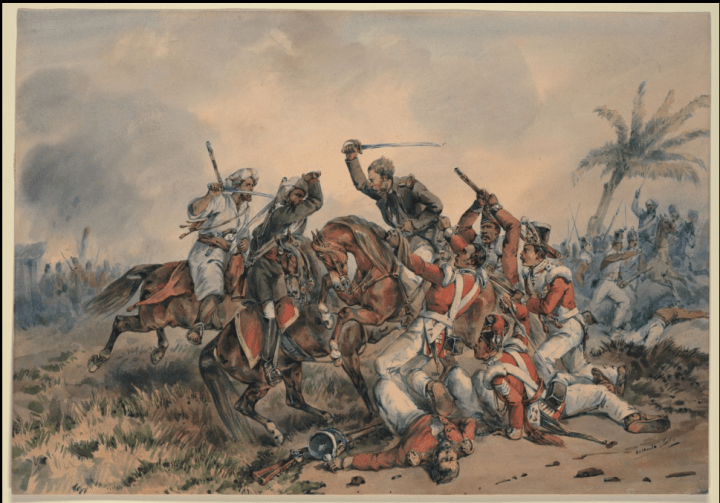
| 1 June | Edwardes, Commissioner of Budaon abandons his station due to growing unrest 2nd Oudh Irregular Cavalry mutiny near Mainpuri Major Reid and the Sirmoor Battalion join Wilson’s force The advance force of the 1st Madras Fusiliers (15 men) and the 84th Regiment of Foot (60 men) reach Wheeler at Cawnpore. He sends the 55 men of the 32nd back to Lucknow even though the 74 men of the 32nd at Cawnpore were mostly invalids |
| 2 June | 17 men of the 5th BNI mutiny in Saharanpore. The detachment of the 29th BNI, together with the 4th Cavalry do not mutiny. With their help, it is then possible to keep Saharanpore and the district, which included the engineering cantonment of Roorkee |
| 3 June | Mutiny of the 1st LC, 72nd BNI, 1st/4th Horse Artillery and 7th Infantry Gwalior Contingent at Neemuch Alarm at Naini Tal due to the mutiny in Rohilkhand 17th BNI mutiny at Azamgarh 29th BNI mutiny at Moradabad 41st BNI, 9th and 10th Oudh Irregular Infantry and 1st Oudh Military Police mutiny at Sitapur Neil and the Fusiliers arrive in Benares |
| 4 June | 37th BNI, 13th Irregular Cavalry; Ludhiana Regiment mutiny at Benares Europeans from Fatehgarh attempt to flee to Kanpur by the river route, in boats after midnight. On the morning of the 4th of June, the troops of the 10th BNI begin to threaten mutiny and 4 officers flee, joining the boats. A drunk cashiered officer fires on a patrol of the 2nd Cavalry at Cawnpore. Wilson leaves Ghaziabad and proceeds to Alipore |
| 5 June | 10th Irregular Cavalry (HQ wing) disbanded at Nowshera 10th Irregular Cavalry (left wing), disbanded at Pesahwar 3rd and 35th BNI disarmed at Phillour The 1st, 53rd and 56th Bengal Native Infantry and the 2nd Bengal Cavalry mutiny at Cawnpore. |
| 6 June | Mutiny at Allahabad of the 6th BNI, 3rd Oudh Irregular Infantry and 6th/9th FA 4 companies of the 12th BNI 14th Irregular Cavalry and half company of the 4th/9th Foot Artillery and half of the No. 18 Field Battery mutiny at Jhansi, and the Europeans go to the fort Following the uprising at Cawnpore, the regiments made to leave for Delhi but were turned back by the Nana Sahib. |
| 7 June | At 10:30 am, the Siege of Cawnpore begins At Jhansi, the Europeans in the Fort, realising that they could not hold out, sent three of their number to treat with the Rani; she handed them over to the Risaldar of the Irregular Cavalry, who had them all killed. Further attacks on the Fort, however, were again repulsed. Jhansi heralds the start of hostilities in Central India and Bundelkhand. At Jullundur, the 6th Bengal Light Cavalry and the 36th and 61st BNI mutiny, having first set fire to the bungalow of the Colonel of HM’s 8th. Colonel Hartley, as a signal to their comrades. They then marched off to Delhi, but killed only one officer, Adjutant Bagshawe. On the way, they meet the 3rd BNI -paradoxically not only staunch to this date but had actually assisted in the despatch of the Siege Train from Phillour to Delhi. The Maulvi Liaquat Ali moves to Allahabad from Cawnpore. He attempts to take charge of the city, and though he has had some control for a short time, he was not rejected as a leader by many Muslims and by the Hindus. At Fyzabad in Oude, the 22nd BNI, the 6th Oudh Irregular Infantry, a squadron of the 15th Irregular Cavalry and a Horse Battery of Artillery mutiny that night but do not murder their officers. They gave them four boats, and some money and told them to be off. At the same time, they request the 17th BNI at Azamgarh to intercept the boats and kill the occupants. The 17th obliged – a few European fugitives eventually reached Gorakhpur or Dinapore in safety, but the majority perished at the hands of sepoys or villagers. The British contingent from Meerut marched into Alipore, just north of Delhi. and effected a junction with the Commander-in-Chief. Barnard. who had brought his forces from Ambala. |
| 8 June | The Battle of Badli-ki-Serai. The Delhi Field Force is victorious but with heavy losses. The mutineers retreat towards Delhi and the Field Force takes over the Ridge. An advance guard of the Jhansi mutineers arrives in Orai. The remaining Europeans are either murdered or flee. Neil sends the women and children of Allahabad to Calcutta by steamer Promised safe passage, the Europeans abandon their position in Jhansi Fort and are promptly massacred instead |
| 9 June | Corps of Guides arrive on the Delhi Ridge, having marched 580 miles in 26 days and 14 hours. One of their officers, Quentin Battye is mortally wounded in their first engagement with the rebels mere hours after arriving The 5th Oudh Irregular Infantry mutiny at Dariabad 1 company 3rd BNI mutiny at Ludhiana Detachment of the 53rd BNI desert their officers at Orai The Malwa Contingent Cavalry mutiny near Neemuch 1st Oudh Irregular Cavalry, 2nd Oudh Irregular Infantry and 1st Oudh Artillery mutiny at Secrora 1st Oudh Irregular Infantry mutiny at Salone 15th Irregular Cavalry, 8th Oudh Irregular Infantry, 2nd Oudh Military Police mutiny in Sultanpur The 12th BNI, 1 wing of the 14th Irregular Cavalry and the 4th/9th Field Artillery, half company ( half of No.18 FB), mutiny at Nowgong. Captain Scot and the other fugitives flee the station – the remainder finally reach Nagode on the 12th of July after being hunted through the countryside for over a month Fatehpur is abandoned by the civilians but Robert Tucker refuses to leave. |
| 10 June | The Fatehgarh fugitives reach Kanpur and surrender to the troops of the Nana Sahib, and are imprisoned 1 company of the 6th BNI mutiny at Fatehpur 4 companies of the 1st Irregular Infantry mutiny at Pershadipur 60th BNI mutiny at Rohtak 62nd and 69th BNI disarmed at Multan Robert Tucker is killed at Fatehpur |
| 11 June | 3rd Oudh Irregular Infantry mutiny at Gonda. Officers abandon the station Lucknow police rebel General Neill arrives at Allahabad and takes command 1 company of the 53rd BNI and 1 company of the 56th BNI mutiny at Orai |
| 12 June | Officers attacked at Rohini but the mutiny fails The Fatehgarh fugitives are put to death on the orders of Nana Sahib. 1st Cavalry Hyderabad Contingent mutiny at Aurangabad 6th Oudh Irregular Infantry mutiny at Lalitpur. Officers pre-empt them by leaving before. Neil fires on the mutineers who had taken a position in the suburb of Daraygunj. He opens fire on them from the fort. Canning sanctions the formation of a volunteer corps in Calcutta |
| 13 June | Nagpur Irregular Cavalry and 1st Nagpur Irregular Infantry mutiny at Sitabuldi Canning implements the Gagging Act, repressing the Indian and European press |
| 14 June | 2 companies of the 56th BNI mutiny in Hamirpur 3 companies of the 1st BNI mutiny at Banda 3rd Infantry and 3rd Artillery Gwalior Contingent mutiny at Sipri 2nd and 4th Infantry; 1st and 2nd Artillery of the Gwalior Contingent mutiny at Gwalior 2nd, 43rd and 70th BNI disarmed at Barrackpore 25th BNI disarmed at Calcutta 1 company 31st BNI mutiny at Malthoni Panic in Calcutta |
| 15 June | Disturbances in Dehra Dun |
| 16 June | A.O. Hume in Etawah is informed the 1st Grenadiers at his station will mutiny |
| 17 June | 10th BNI in Fatehgarh break out in open mutiny; the Europeans flee to the fort, and the siege begins At dawn, A.O. Hume and the commander of the Gwalior grenadiers leave Etawah. The men of the contingent plunder the station. They are routed by the townspeople and flee the city. Hume and others proceed to Agra. They meet fugitives from Orai Messrs. Passanah and Griffiths, escaping from Orai are taken prisoner by the mutinied men of the 53rd BNI. They are taken first to Jalaun and then to Orai At Allahabad, the magistrate Mr. Court, opens the Kotwali. The town is empty of mutineers, and many of the citizens have fled. Neil waits in Allahabad for reinforcements. Sir Patrick Grant arrives in Calcutta, Commander-in-Chief of the Madras Army, to officiate in place of Anson |
| 21 June | Messrs. Passanah and Griffiths are released but remain in the custody of Kesho Rao, chief of Gursarai. Detachment of the 4th Irregular Cavalry mutiny at Muzaffarnagar |
| 22 June | 39th BNI disarmed at Dera Ismail Khan Neville Chamberlain, ordered to Delhi, hands over the command of the Movable Column from Punjab to John Nicholson at Jalandhar Sir Patrick Grant resolutely refuses to take to the field, believing he is of more use in Calcutta. He appoints Sir Henry Havelock to command the army in the field in his stead. |
| 24 June | Sir Henry Havelock leaves Calcutta Neil is informed that Havelock will lead the relief force |
| 25 June | Nana Sahib offers terms to Wheeler at Cawnpore Mutiny at Malthone (Bundelkhand) |
| 26 June | 10th Irregular Cavalry (HQ wing) disbanded at Nowshera 10th Irregular Cavalry (left wing), disbanded at Peshawar 3rd and 35th BNI disarmed at Phillour In Cawnpore, Wheeler and his officers accept surrender for the promise of safe passage by the river route to Allahabad |
| 27 June | The Cawnpore garrison proceeds to Satichaura Ghat, where they are promptly fired upon. Two boats manage to escape, and only four men on those boats survive. The remaining women and children are rounded up and brought to the Savada Koti. |
| 28 June | Nicholson’s Moveable Column march to Amritsar |
| 30 June | Sir Henry Lawrence’s force defeated at Chinhat; Lucknow Residency besieged 3rd/8th Foot Artillery mutiny at Almora Detachment of the 4th Irregular Cavalry mutiny at Kussowlie Neil sends an advance force under Major Renaud to Cawnpore from Allahabad Havelock arrives in Allahabad Notes received at Agra from the Fatehgarh garrison, pleading for succour. None can be sent |
| Regiments disarmed or disbanded in June | 4th/8th Foot Artillery disarmed at Attock 32nd BNI disarmed at Barrackpore 1st/9th, 2nd/9th, 3rd/9th and 5th/9th Foot Artillery disarmed at Dum Dum 4th/7th Foot Artillery, No. 1 Field Battery, disarmed at Lahore 4th/3rd Horse Artillery disarmed at Multan 1st/7th Foot Artillery disarmed at Nurpur 7th, 16th and 18th Irregular Cavalry disarmed at Peshawar 4th/2nd Horse Artillery disarmed at Rawalpindi Nagpur Irregular Cavalry disbanded at Sitabuldi |
July
By July it was clear that Delhi would not be taken any time soon and both sides dig in their heels as the siege continues.
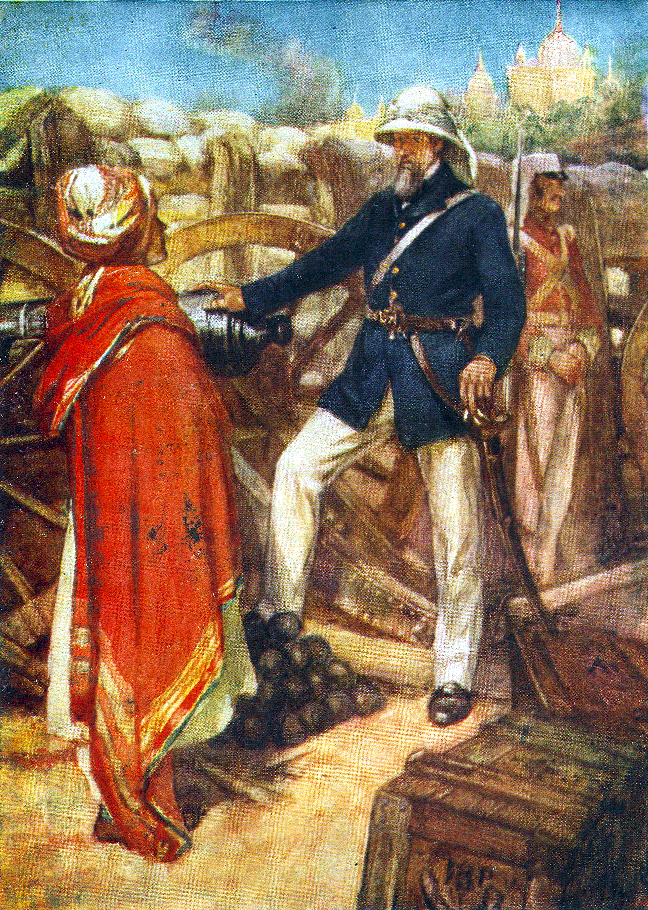
| 1 July | Mutinies at Indore of two infantry regiments and at Jabalpur and Mhow (Wing of the 1st LC and 23rd BNI at Mhow). Attack on the Indore Residency Mutiny of the 3rd Irregulars and the 42nd BNI at Sagar. Brigadier Sage barricades himself in the fort with the rest of the Europeans |
| 2 July | 2nd Cavalry and 4th Artillery Gwalior Contingent mutiny at Sasni Henry Lawrence wounded at Lucknow |
| 3 July | Mutiny in Damoh and Patna 5th Oudh Irregular Infantry mutiny at Agar With no reinforcements able to come, the garrison in Fatehgarh abandon the fort and flee by boat to Cawnpore |
| 4 July | Sir Henry Lawrence dies at Lucknow Kotah Contingent mutinies close to Agra The Fatehgarh fugitives become separated: one boat continues onto Cawnpore the other is caught at Manpur where several fugitives are killed. The rest are taken back to Fatehgarh. Calcutta receives notification from Sir Henry Lawrence that the garrison at Cawnpore has been destroyed. The letter was written on the 28th of June |
| 5 July | General Barnard dies of cholera at Delhi, and Major-General Thomas Reed succeeds as commander Battle of Shahganj /Sucheta, outside Agra. Brigadier Polwhele is forced to retreat, and the Europeans secure their position in Agra Fort. Agra cantonment and civil lines were burned down. The fugitives captured at Manpur on July 4th arrive back in Fatehgarh, where they are imprisoned. The Movable Column arrive in Amritsar |
| 7 July | 58th BNI disarmed at Rawalpindi 2 companies of the 14th BNI are disarmed at Jhelum but a spirited fight ensues Havelock marches to Cawnpore |
| 8 July | The Fatehgarh fugitives reach Bithur by boat. Are captured by the troops of Nana Sahib and imprisoned |
| 9 July | Mutiny at Sialkote of the 9th LC and 46th BNI 59th NI disarmed at Amritsar Sehore (Central India Agency) is abandoned |
| 10 July | News of the Sialkot Mutiny reaches Amritsar One wing of the 9th LC disarmed at Amritsar The Moveable Column marches, by forced march to Gurdaspur, following the Sialkot mutineers 10th LC disarmed at Ferozepore Recalled from Burma, Major Vincent Eyre leaves Calcutta by steamer for Allahabad |
| 11 July | 1 company 29th BNI mutiny at Saharanpore The Moveable Column reaches Gurdaspur |
| 12 July | Brigadier-General Sir Henry Havelock defeats rebels at Fatehpur, en route to Cawnpore. Joins forces with Major Renaud in Cawnpore 2 companies 5th BNI mutiny at Jagadhri Sialkot mutineers engaged at Trimmu Ghat by the Moveable Column under Brigadier John Nicholson |
| 14 July | Detachment of the 5th BNI disarmed and dispersed at Thanesar Detachment 13th Irregular Cavalry disarmed at Fatehpur |
| 15 July | Havelock defeats rebels at Aong and near Pandu River at Cawnpore. The women and children who had survived the Satichaura Ghat massacre are killed at the Bibighar, including the remaining fugitives from Fatehgarh. |
| 16 July | Sialkot mutineers are destroyed at Trimmu Ghat in a 2nd engagement by the Moveable Column under Brigadier John Nicholson. The Column returns to Amritsar. Nicholson goes to Lahore to meet John Lawrence and find more recruits for the Moveable Column. General Neill leaves Allahabad |
| 17 July | Nana Sahib suffers defeat before Cawnpore – Havelock’s force arrives in Kanpur, too late to save the women and children of the Bibighar Sir Archdale Wilson replaces the ailing Reed as commander of the Delhi Field Force March of the Kamptee (Nagpur) Movable Column commences |
| 23 July | The last of the Fatehgarh fugitives are put to death on the parade ground in Fatehgarh |
| 24 July | Neil assumes command of Cawnpore The 12th Irregular Cavalry mutinied at Segowlie |
| 25 July | Mutiny at Dinapore of the 7th, 8th and 40th BNI Eyre reaches Dinapore by steamer in the evening and is apprised of the mutiny. He offers his services to Lloyd, but is told he is not needed. He leaves three guns for Lloyd’s service and moves on to Baksar |
| 26 July | Eyre reaches Baksar The siege of Arrah commences |
| 29 July | The Moveable Column arrives in Jalandhar First relief of Arrah fails |
| 30 July | Havelock’s victory at Unnao Eyre secures Ghazipur and returns to Baksar and resolves to relieve Arrah |
| 31 July | Mutiny at Hazaribagh of 2 companies of the 8th BNI Eyre marches to Arrah Lord Canning issues his controversial ‘Clemency’ resolution, by which he advises against the execution of mutineers not convicted of murder |
August
By August, the tide had hardly turned. Focus turned briefly to the Bombay Presidency, where, in the Southern Maratha Confederacy, there would be trouble in Kolhapur. Nicholson arrives with the final reinforcements for Delhi, while at Lucknow, the siege continues. Sir Colin Campbell arrives in India to take over as Commander-in-Chief of the forces of India.
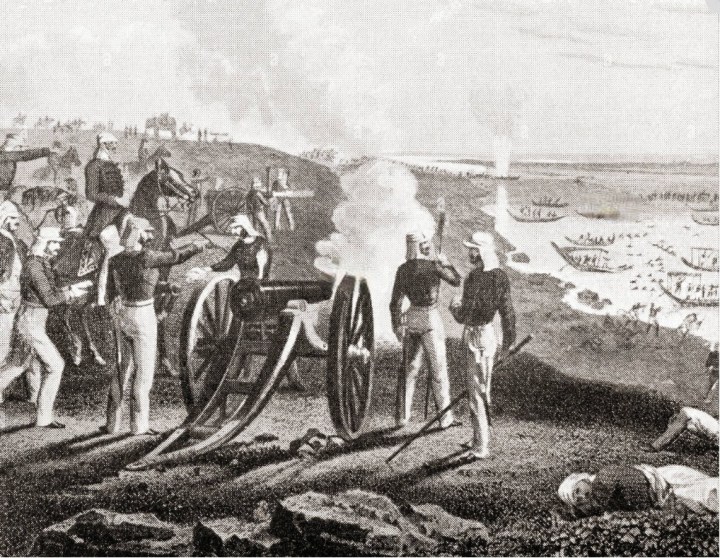
| 1 August | Mutiny of a portion of the 27th Bombay Native Infantry at Kolhapur (Bombay Presidency) – the only instance of mutiny of any regiment in the Bombay Presidency. It was unsuccessful and completely quashed by mid-August. |
| 2 August | Ramghur Light Infantry mutiny at Ranchi 2 companies of Irregular Cavalry and a detachment of the 12th Irregular Cavalry disarmed at Gorakhpur Major General James Outram arrives in Calcutta 63rd BNI and 11th Irregular Calvary disarmed at Berhampore 6 miles from Arrah, Eyre engages the rebels and the force of Kunwar Singh. Although greatly outnumbered, Eyre routs the mutineers and Kunwar Singh Relief of Mhow |
| 3 August | Arrah is relieved by Eyre and the siege ends |
| 5 August | Havelock’s victory at Bashiratganj |
| 6 August | Bhopal Contingent mutiny at Sehore |
| 9 August | 4th Irregular Cavalry disarmed at Delhi Disturbances at Ajmere Jail |
| 10 August | 65th NI disarmed at Ghazipur Nicholson arrives on the Delhi Ridge ahead of the Moveable Column Second outbreak at Nasiraabad |
| 11 August | Eyre follows the mutineers to Jagdispur |
| 12 August | Eyre storms Jagdispur and captures it Second outbreak at Neemuch |
| 13 August | Havelock withdraws to Cawnpore Sir Colin Campbell, Patrick Grant’s successor as Commander-in-Chief arrives at Calcutta. He waits until October for reinforcements from England. 1 company 3rd BNI disarmed at Delhi |
| 14 August | The Movable Column arrives on the Ridge 5th Irregular Cavalry mutiny at Bhagalpur Detachment of the 5th Irregular Cavalry mutiny at Doomka |
| 15 August | Detachment of the 5th Irregular Cavalry mutiny at Rohini |
| 16 August | Havelock’s victory at Bithur Major William Hodson defeats a large body of rebel cavalry near Rohtak Mutiny at Poonamali near Madras – The 8th Madras Native Cavalry betrayed themselves as having a mutinous disposition and were thus disbanded. It was the only case of mutiny in the Madras Presidency |
| 19 August | 10th Light Cavalry mutiny at Ferozepore |
| 20 August | Eyre proceeds to Allahabad |
| 21 August | Detachment of the Jodhpur Legion mutiny at Mount Abu |
| 25 August | Nicholson and his force take to the field and meet the mutineers at the Battle of Najafghar. After soundly trouncing them, the force returns to Delhi |
| 26 August | Insurrection at Mandesar (Central India Agency) |
| 28 August | 51st BNI mutiny at Peshawar |
| 31 August | 62nd and 69th BNI, 4th/3rd Horse Artillery mutiny at Multan |
September
Sir Henry Havelock finally reaches the Lucknow Residency at terrible cost; Delhi is bombarded, stormed and retaken, leaving the British with the possibility to proceed to Lucknow, and Greathed’s moveable column leaves Delhi. En route to Cawnpore, they will stop at Agra.
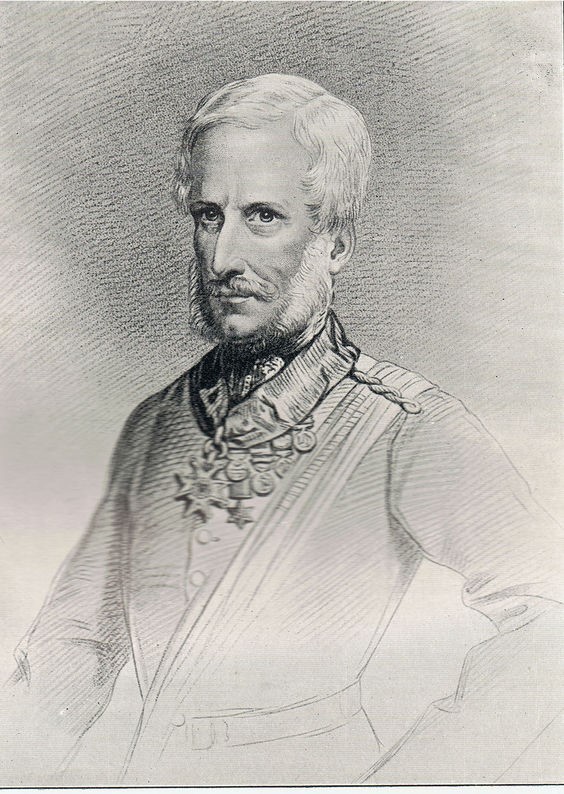
| 1 September | George Probyn with his family, Edwards from Budaon and Gavin Jones arrive in Bithur – Jones and the Probyns were survivors of Fatehgarh and with Edwards, had been hidden by Hardeo Baksh since June. |
| 2 September | Messrs. Passanah and Griffiths reach Cawnpore Major General Sir James Outram arrives in Allahabad |
| 4 September | Siege train, proceeding from Punjab, arrives in the British camp outside Delhi |
| 5 September | Outram despatches Eyre’s battery of 18 pounders and the 5th Madras Fusiliers to Cawnpore Outram marches towards Cawnpore Eyre leaves Alllahbad to rendezvous with Havelock |
| 8 September | The first siege battery opens fire at Delhi Defeat of George Lawrence at Auwa Mutiny at Hyderabad in Sindh, that fails |
| 9 September | Lieutenant Governor John Russell Colvin dies at Agra |
| 10 September | The second siege battery opens fire at Delhi |
| 11 September | The third and fourth siege batteries open fire at Delhi |
| 14 September | Assault on Delhi begins, and Nicholson is mortally wounded. Mutiny at Karachi in Sindh, that fails |
| 16 September | 50th BNI mutiny at Nagode Outram arrives in Cawnpore |
| 17 September | Destruction of the rebel force at Narsingarh |
| 18 September | The 52nd BNI marched out of Jabalpur and took their place in the ranks of the other mutineers. As Delhi had fallen, they remained in the district Mutiny at Nagode |
| 19 September | Havelock marches to Lucknow 1 company of the 52nd BNI mutiny at Patun |
| 20 September | Delhi captured and cleared of rebels |
| 21 September | Bahadur Shah surrenders to William Hodson Damoh is abandoned |
| 22 September | Hodson executes the princes |
| 23 September | Nicholson dies of wounds Mutiny at Shikarpur in Sindh |
| 24 September | The Movable Column under Colonel Greathed leave Delhi, crosses the Yamuna, and advances toward Bulandshahr |
| 25 September | Brigadier Neil killed in the advance on the Lucknow Residency |
| 27 September | 1st Relief of Lucknow accomplished but the siege continues |
| 28 September | Greathed advances to Bulandshahr where he engages Walidad Khan who had taken a strong defensive position. After heavy gunfire, the rebels are taken in the rear by the cavalry and flee, abandoning nearby Malaghur Fort. Greathed destroyed its fortifications and advances on Aligarh |
| Other Events | 2 companies of the 52nd BNI mutiny in Sehore 17th Irregular Cavalry disarmed at Shamshaba |
October
By forced march, Greathed arrives in Agra. He has had some fighting on the way, but the Battle of Agra will come as a surprise, not just to him, but to the rebels.
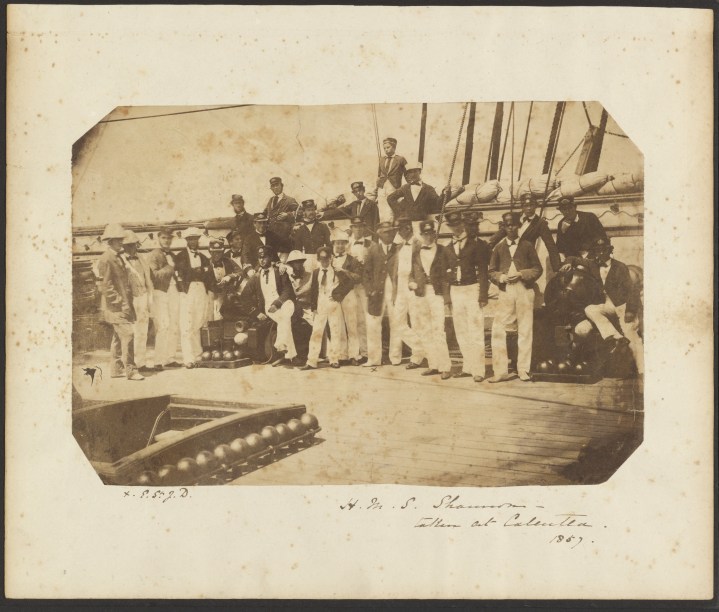
| 9 October | Detachment 9th Irregular Cavalry mutiny at Kalabagh 2 companies of the 32nd BNI mutiny at Deogurh Greathed reaches Hatrass. The intention was to join Havelock and Outram at Cawnpore but is ordered instead to Agra |
| 10 October | Battle of Agra, in which the mutineers are dispersed by Greathed and his force Agra is secured. Greathed leaves shortly after & continues towards Cawnpore. |
| 15 October | Revolt in Kotah |
| 17 October | Two companies of the 32nd BNI mutiny at Rampurhat |
| 23 October | First detachment of the Naval Brigade leaves Allahabad for Cawnpore |
| 26 October | Brigadier Hope Grant and his force reach Cawnpore |
| 27 October | Sir Colin Campbell leaves Calcutta |
| 28 October | 2nd detachment of the Naval Brigade leaves Allahabad for Cawnpore |
| 30 October | Ordered by Sir Colin Campbell to remain and not proceed to Agra, Grant encamps his force a few miles from the Alambagh in Lucknow. |
November
The Second Relief of Lucknow takes the rebels rather by surprise.
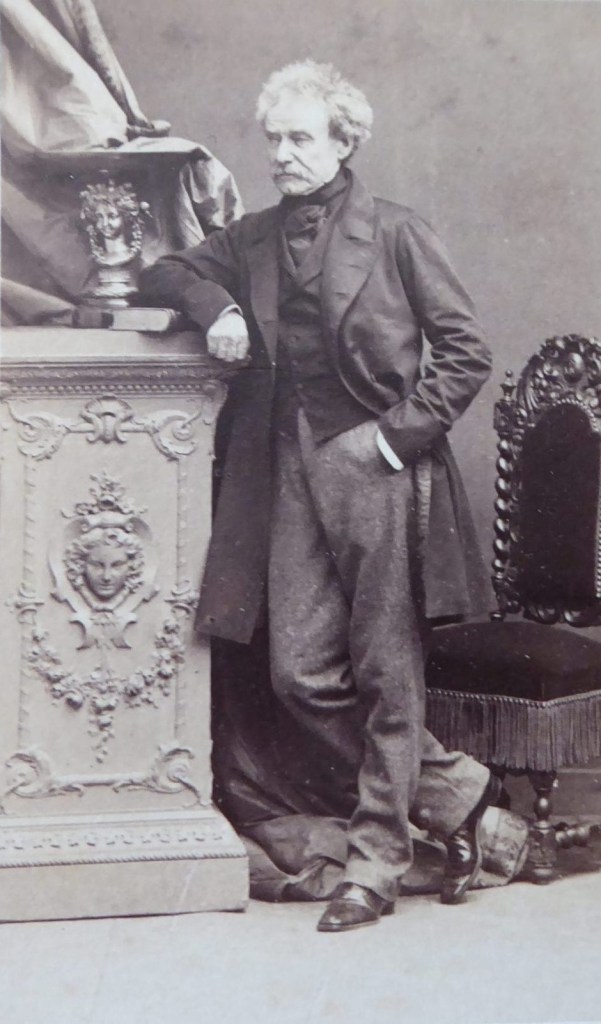
| 1 November | Sir Colin Campbell arrives in Allahabad |
| 3 November | Sir Colin Campbell arrives in Cawnpore |
| 8 November | Mutiny at Mahidpur (Central India Agency) |
| 9 November | Campbell joins Grant outside Lucknow, close to the Alambagh Kavanagh delivers information to Campbell for the relief of Lucknow |
| 14-16 November | Second Relief of Lucknow by Sir Colin Campbell Campbell orders the evacuation of the Residency |
| 17 November | Defeat of the Jodhpur Legion |
| 18 November | 3 companies 34th BNI mutiny at Chittagong |
| 19 November | Women and children evacuated from Lucknow to Cawnpore |
| 22 November | British withdraw from Lucknow 2 companies of the 73rd BNI mutiny at Dacca |
| 23 November | Destruction of the rebels on the Narbada Battle of Mandsaur |
| 24 November | Sir Henry Havelock dies of dysentery |
| 26-28 November | “Redan” Windham routed at the second battle of Cawnpore and the rebels take back the city while Windham is forced to retire |
| 29 November | Campbell reaches Cawnpore |
December
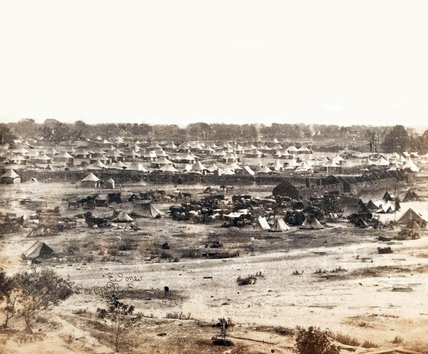
| 3 December | Women and children of the Lucknow Garrison are sent to Allahabad |
| 4 December | Detachment 11th Irregular Cavalry mutiny at Madarigunj |
| 5 December | Detachment 11th Irregular Cavalry mutiny at Jalpaiguri |
| 6 December | Tantia Tope defeated at Cawnpore by Sir Colin Campbell Second uprising at Kolhapur – 500 men, including townspeople of Kolhapur and some sepoys of the British army took temporary control of the town. The uprising was crushed the next day. |
| 11 December | Colonel Seton moves with his force from Delhi to Aligarh. |
| 14 December | Seton engages the rebels at Kasganj The British forces enter Indore |
| 15 December | Indore troops disarmed |
| 17 December | Seton engages the rebels at Patiali |
| 18 December | Walpole leaves Cawnpore and joins Seton at Mainpuri on the 3rd of January |
And so the year ends.
The End of the Year
Page 1 of 2
 Mutiny Reflections
A useful timeline. The events must have felt overwhelming to participants
LikeLiked by 1 person
It was hectic, especially not knowing what was happening. Communication was cut or very slow in coming, it must have been terrible.
LikeLiked by 1 person