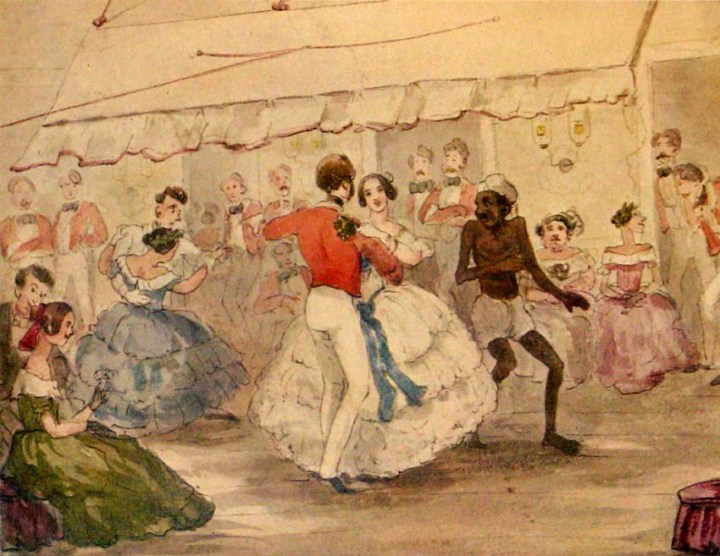
It was imperative for the British officers to do everything in their power to prevent a querulous regiment from mutinying. Their own honour was at stake as that of their men; a mutiny meant they had failed their men, their regiment and above all, they had disgraced themselves. So, leaving their post was often delayed until all options had been exhausted. As the weeks progressed, disarming regiments became a common way of dealing with sepoys well before they had the opportunity to mutiny; it was more often than not the British officers who protested the loudest. They would raise the argument that their men had not done anything, and it would hurt their feelings to be treated in such a terrible fashion. So implicitly they believed in the faithfulness of their regiments that their arguments ranged from believable to absurd, but in the case of Colonel Spottiswoode, he felt the humiliation of the disarming of his regiment so keenly that he chose to shoot himself rather than witness their disgrace. Knowing the smallest spark could set off a mutiny, officers walked on eggshells around their men. The officers took to sleeping in the lines at night to show how much they believed in their men, but it must have been common knowledge that the Captain Sahib slept with loaded pistols under his pillow, and his horse was always saddled at night. However, many officers also breathed a sigh of relief when their regiments were finally disarmed. Many an officer toyed with the idea of sending their families away, but finally did not in case they upset their men. Showing a brave face is very much a feature of the mutiny. The turmoil they must have felt, caught between duty and the very human instinct for self-preservation, must have been tremendous. It is no wonder that many sought the guidance of their God.
Civilians, who had no loyalty to the military, were prevented by company directives from abandoning their stations. This was not a question of honour, but duty and obeying orders. To leave their station without permission was akin to professional neglect and would be viewed, under normal circumstances, very harshly. A civilian in the employ of the government was prevented by law from leaving; Sir Henry Lawrence realised the absurdity of these rules and issued a declaration that allowed civilians in the province of Oudh to leave their posts if they perceived an immediate threat to their lives. Unfortunately, this was an exception and not the rule, and many civilians, torn by the very horror of disobeying orders and thus losing their positions, chose to remain where they were rather than displease their higher-ups. Such misguided loyalty would unnecessarily cost many lives.
And what of the female folk? More often than not, they resisted being sent away and resented it, choosing instead to remain with their husbands and meet their fates together. Lieutenant Frederick Angelo practically had to force his pregnant wife to leave, and she delayed so long that it was only with some luck that he managed to secure a place for her and their little daughter on one of the last boats leaving Cawnpore. In the case of military wives, their husbands were often at fault. Believing that if their wives and children left, it would show they had no faith in their regiment to protect them, departure was often delayed until it finally became impossible. They were also very much guided by what the sepoys themselves were telling them; if the families leave, it can only mean our officers do not trust us. This was often cemented by open proclamations of loyalty on the part of the sepoys, who would make a tremendous show of swearing on everything holy to them – the Ganges for the Hindus and the Koran for the Muslims was common; throwing themselves on the ground and touching the lady’s feet was another, or swearing that the officer’s children were as their own. It did not prevent them, however, from cutting throats when it came to mutiny, and the children whom they had known since birth were not spared. This particular barbarism has never been thoroughly explained, although the old saying, “when you kill a snake you must kill its young as well,” was quite prevalent during the mutiny and even quoted by the mutineers. It was truly the devil’s wind that blew through India in the summer of 1857.
Fyzabad, Sultanpore and Salon
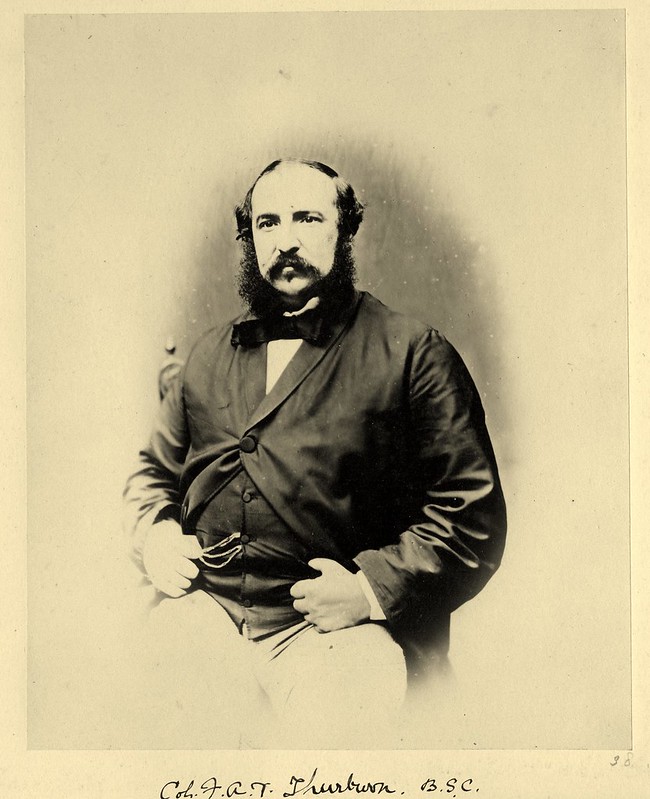
- For Courage Mounteth with Occasion – Fyzabad and the doings of Maulvi and Mr Thurburn
- Lieutenant Fowle Escapes from Fyzabad
- Lo! thy Dread Empire, Chaos, is Restored – what Mr Thurburn did next
- The Rebellion Continues – Sultanpore
- Escape from Sultanpoor in 1857 – the very narrow escape of Mrs Goldney
- The Small Station of Salon – the adventurous escape of three young men


Secrora, Gonda and Bahraich
- You Are At Liberty to Consult Your Own Safety – Secrora
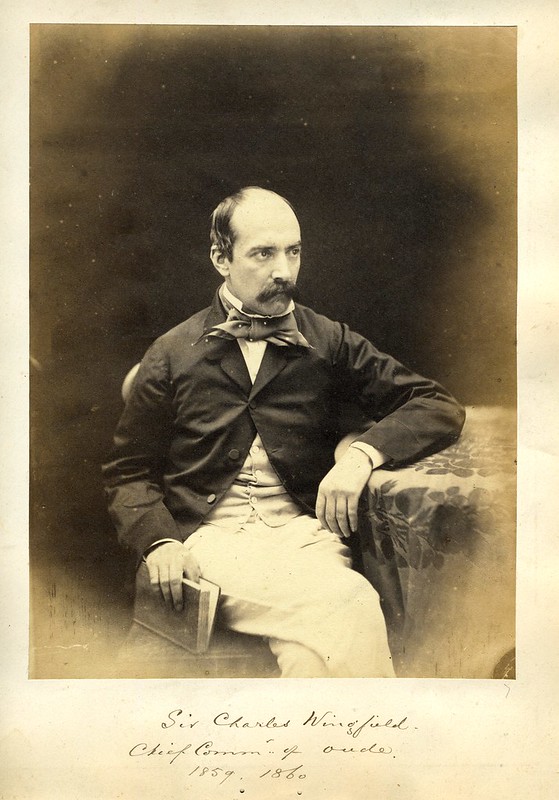
- In the District of Bahraich – we follow Lieutenant Bonham, the three lieutenants, Mr Wingfield and the fate of Gonda
- Mr Wingfield Calculates – the stormy petrel continues his journey
- The Letters of Robert Bartrum M.D. – he sent his wife to Lucknow but stayed at his post in Gonda
- Who is to Care for Us Now? – the tragedy of Kate Bartrum and her escape from Gonda
- The Troubles of Mr Wynyard, Esq. – how to hold a district and keep your head. Gorakhpur in 1857
These were by far, not the only mutinies – the situation was about to get much worse, with events happening almost simultaneously at
While events in Central India take a turn for the worse.
 Mutiny Reflections