Lucknow Continued
The Other Lawrence
Unfortunately, there do not seem to be any pictures of George Henry Lawrence – the nephew who was by Sir Henry’s side when he was fatally injured. So, we shall move swiftly on – to the other Lawrence.
Major Samuel Hill Lawrence, V.C.
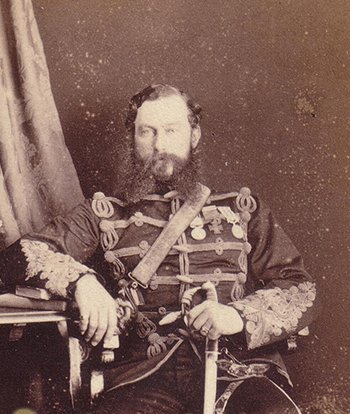
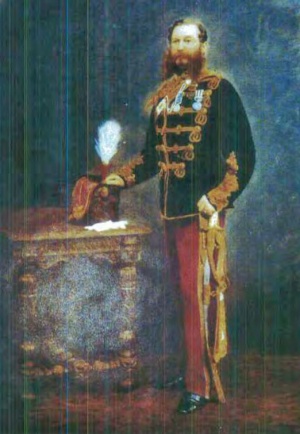
“The beau-ideal of manly beauty, always genial and smiling, whether leading a sortie or waiting in quiet expectation to be blown up at the Redan…”
“Lucknow and Oude in the Mutiny,” Mcleod Innes, p. 250
Just 26 at the Siege of Lucknow and serving in his father’s regiment, the 32nd Regiment of Foot, Samuel Hill Lawrence was as well known for his daring-do. It is not surprising he received a Victoria Cross.
32nd Regiment of Foot
Lieutenant(now Brevet-Major) Samuel Hill Lawrence Date of Acts of Bravery, 7th July, and 26th September, 1857
For distinguished bravery in a Sortie on the 7th of July, 1857, made, as reported by Major Wilson, late Deputy-Assistant Adjutant-General of the Lucknow Garrison, “for the purpose of examining a house strongly held by the Enemy, in order to discover whether or not a mine was being driven from it”. Major Wilson states that he saw the attack, and was an eye-witness to the great personal gallantry of Major Lawrence on the occasion, he being the first person to mount the ladder, and enter the window of the house, in effecting which he had his pistol knocked out of his hand by one of the Enemy:—also, for distinguished gallantry in a Sortie, on the 26 September 1857, in charging with two of his men, in advance of his Company, and capturing a 9-pounder gun.
The London Gazette, November 22, 1859
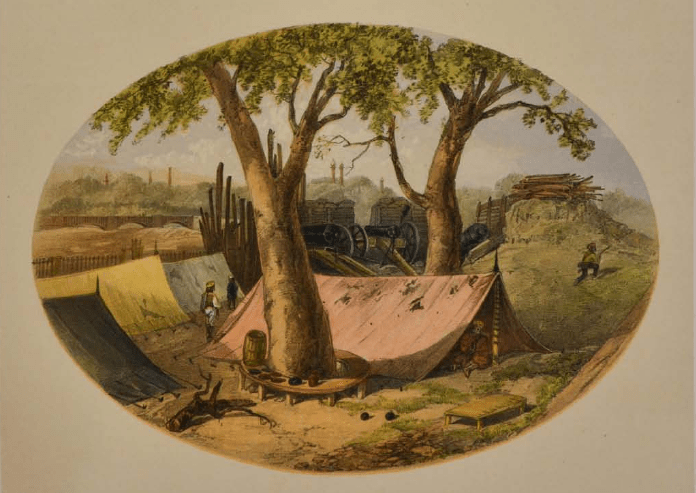
Clifford Henry Mecham, who sketched the Redan Battery above, remembered Samuel Lawrence in his book and he gives us a picture of the man as a friend,
“It is quite unnecessary for me to inform any member of the Lucknow garrison that the individual looking out of the tent, so thoroughly perforated with musket – bullets – evidently on the watch to offer a passing friend the best of everything his scanty means may afford – is its gallant commander Sam Lawrence, of the 32nd Foot. It is impossible for me to call him “Captain”, although he has since obtained that rank, which was never more hardly or more honorably earned. Strange to say, Sam, although commanding one of the most dangerous posts, a volunteer, too upon every sortie; and one of the biggest men in the garrison, escaped throughout without a scratch. Some of his comrades aver that he principally exposed his burly personage upon these desperate sallies in a hope of obtaining of the wherewithal to replenish a stomach, which he alleged, suffered sadly from the uncompromising diet furnished by the Commissariat. How far this may be true I cannot tell; but is certain that he was ever foremost on those occasions.
Samuel Lawrence finished off his military career, not in the 32nd, but in the Hussars – first with the 25th Regiment of Foot then into the 8th Hussars and finally as a major in the 11th Hussars. He died at the age of 37 in Uruguay.
McCabes Last Sortie, 29th of September 1857
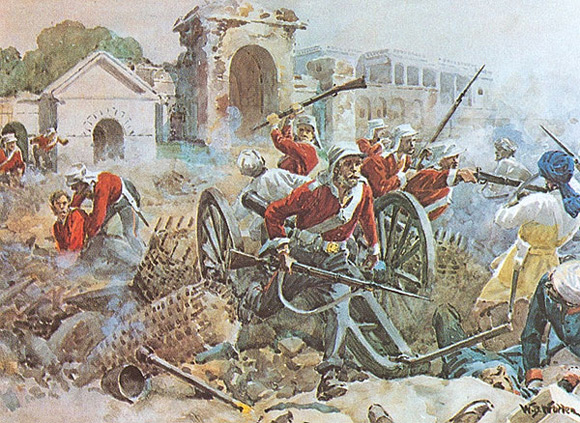
Sergeant Bernard McCabe – already known for his exceptional bravery at the Battle of Sobraon in 1846, 11 years later, he was still a fighting man and served with conspicuous gallantry.
During the Siege, McCabe was, according to Mcleod Innes, “always in spirits”, as he held his own at the Post Office, an exposed and dangerous building, which he held with great courage. His last sortie is described by Julia Inglis in her diary,
29th – A very sad day. Very early in the morning a party of men assembled in our yard for a sortie to destroy guns. They were taken out of different regiments, the 32nd furnishing a good number. Mr. McCabe was told off to lead. John (Inglis) protested against the selection, saying he had already led three sorties, and it was not fiar to have him again; but general Outram said he must have him. The affair was far from being successful; only seven guns were spiked, and our loss was most severe. Poor Mr. McCabe was carried past our door shot through the lungs..(he) behaved most bravely, having with three of the 32nd rushed forward to spike a gun when a good many of the others fell back; he and two of the men were hit, the remaining one spiked the gun – an worthy of the V.C.
Poor John was sadly cut up at Mr. McCabe being so badly hit; no hopes were entertained of his life.”
Sargeant McCabe died on the 1st of October 1857 and is buried in the Residency Cemetery but his grave is not marked.
These Imperfect Sketches
Clifford Henry Mecham
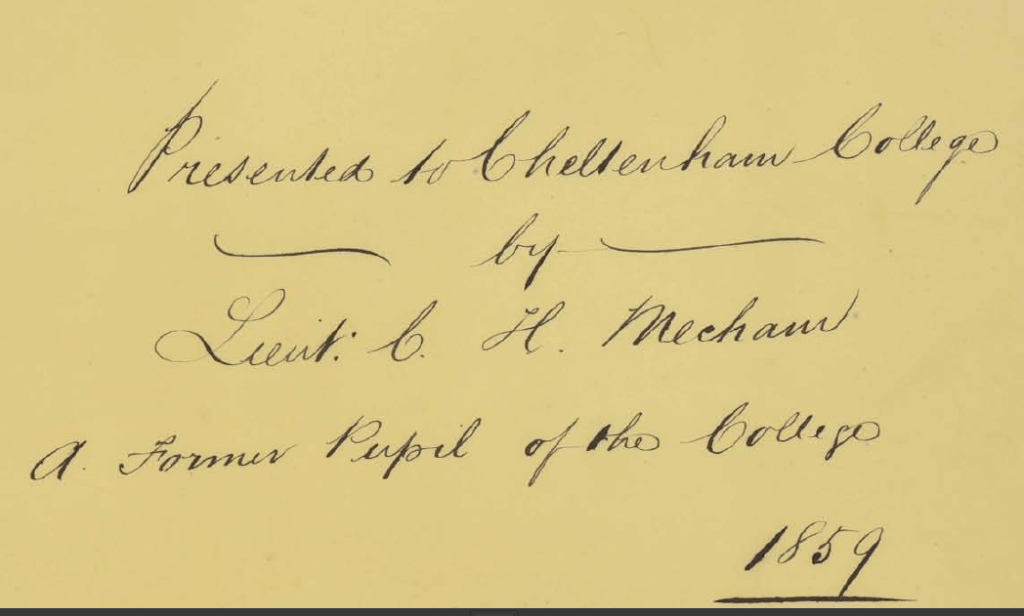
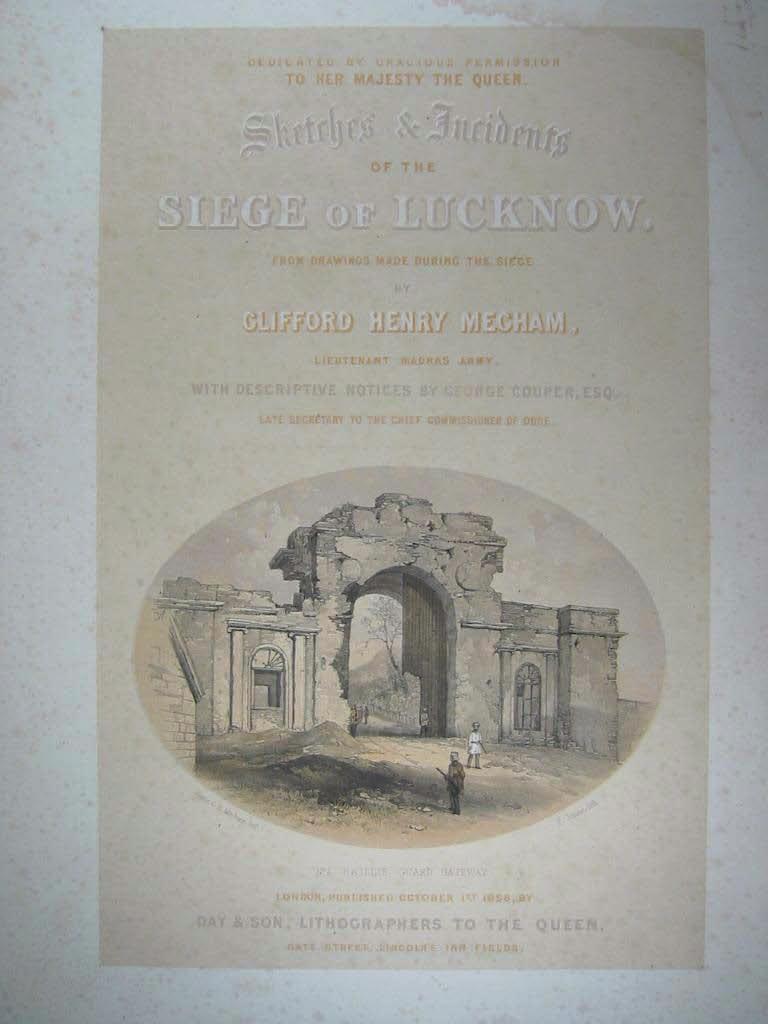
Lieutenant Clifford Henry Mecham dedicated his book most humbly to Her Most Gracious Majesty the Queen – a collection of “imperfect Sketches”, which, as any one who has seen this most fascinating book,can judge they are anything but. Mecham was not just an eye-witness; he used his exceptional talent for detail to leave us a snapshot of the Residency as he saw it during the Siege itself. As he writes,
“..it will not be supposed that the posts of defence which these drawings represent were the only positions of importance, or that the officers to whom he has, without their knowledge, introduced his readers in the following pages, are the only men who distinguished themselves during the operations. He has merely endeavoured to delineate scenes and occurrences which came under his own personal observation…the Author had not time to sketch owing to th sudden evacuation of the garrison; and others were so epcosed to the fire of the enemy, that he would probably have dropped his pencil for ever had he attempted to delineate them.”
As so many buildings are now missing in the Residency, having been swallowed up by an ever shrinking boundary or simply disappeared into dust, Mecham has left us with valuable images of what we could have seen and is now no more.
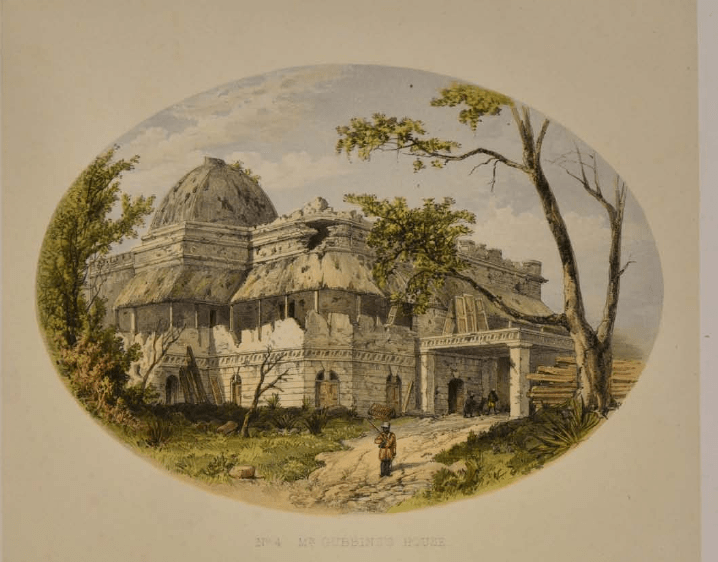
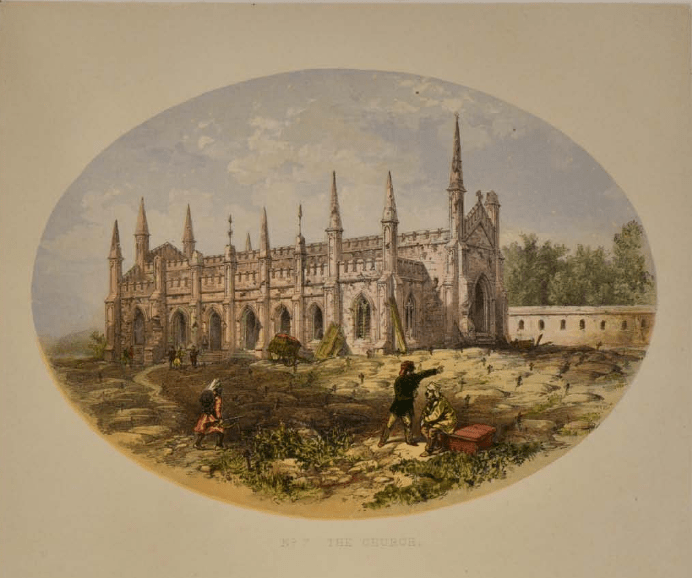
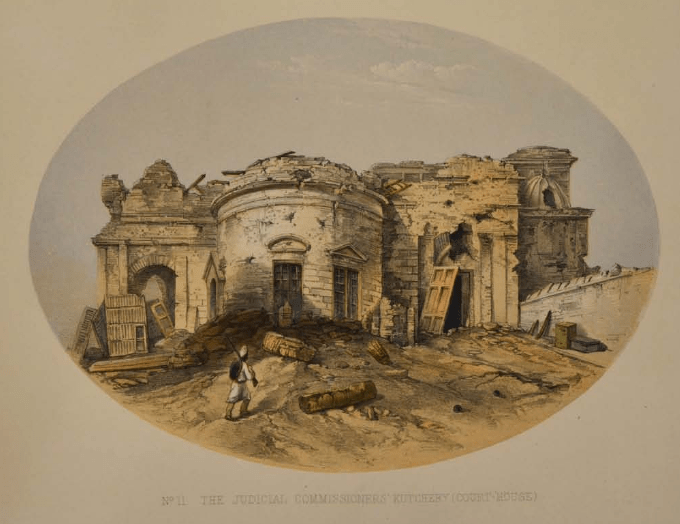
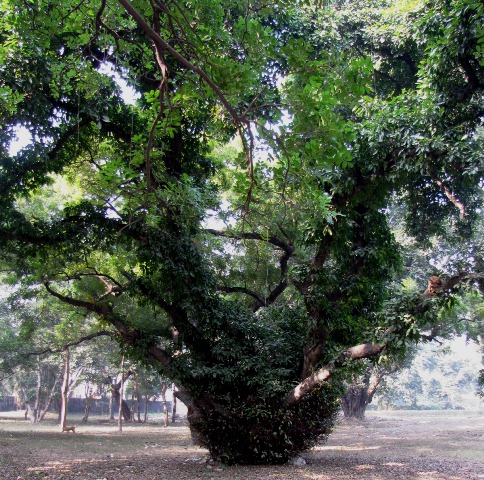
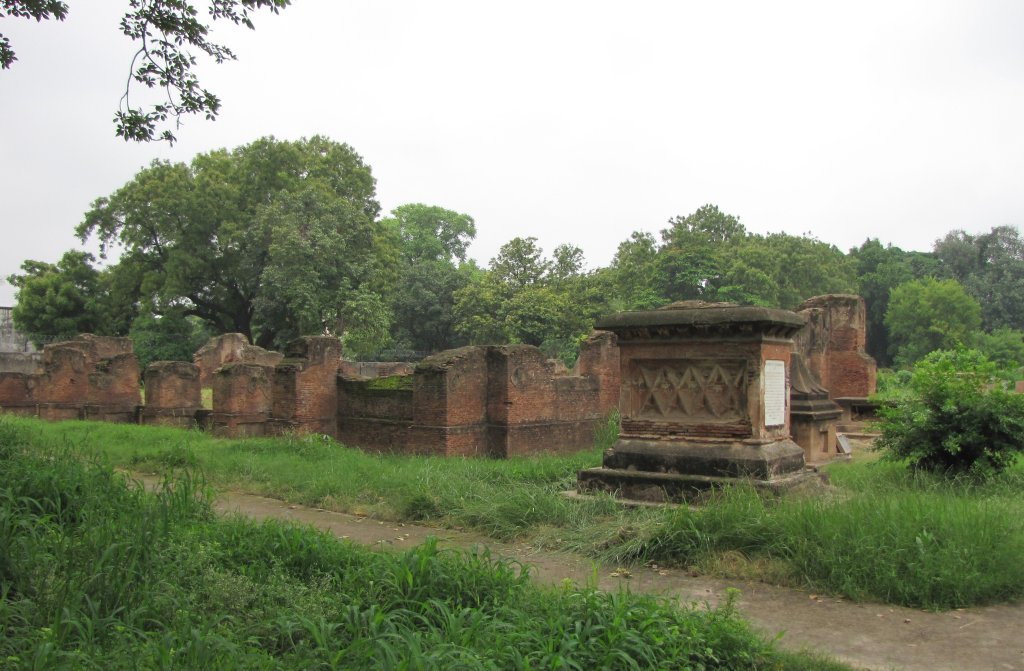
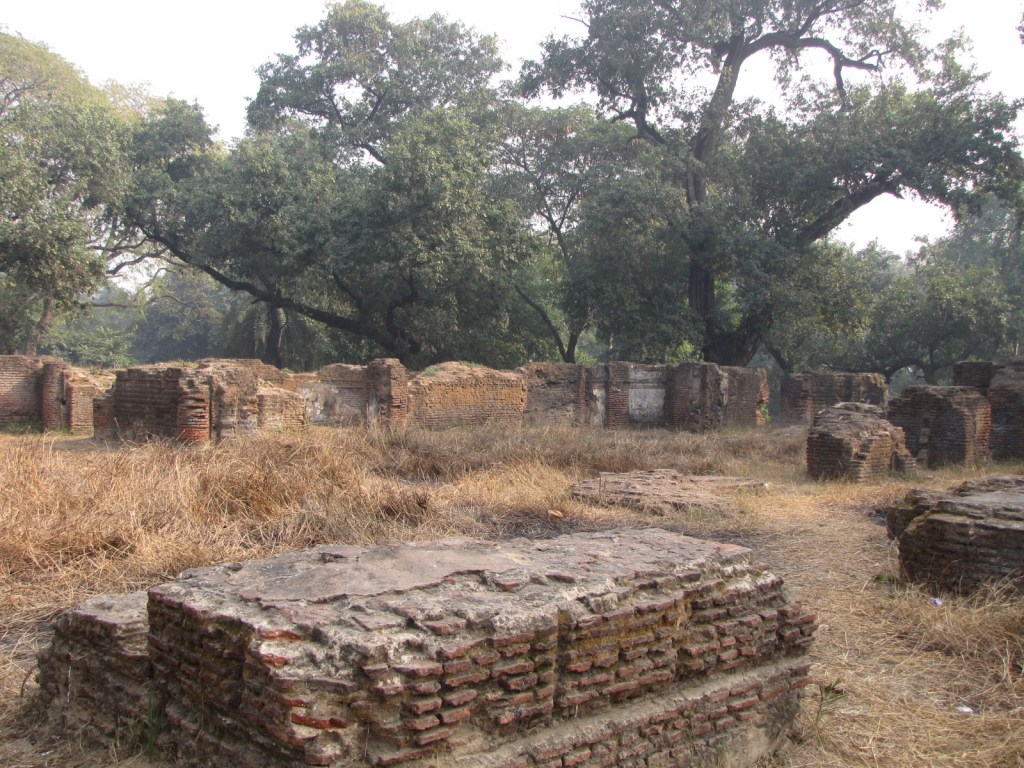
Yet who was Clifford Henry Mecham?
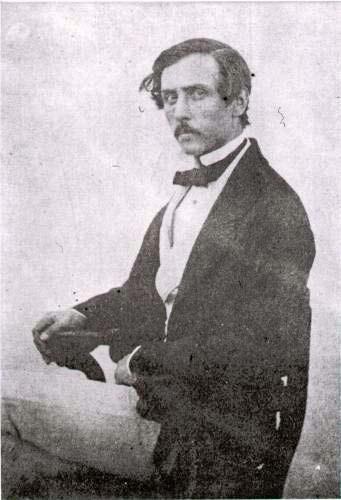
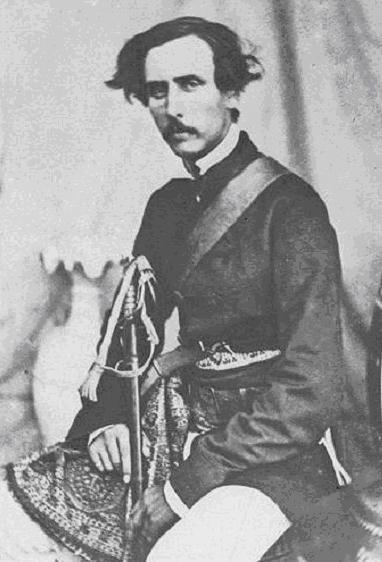
Born in 1831, he was the son of Captain George Mecham of the 3rd Dragoon Guards and his wife, Harriet Catherine. In 1848, after an education at Cheltenham College and with a private tutor in Jersey, Mecham passed the examinations for the the position of Cadet in the Madras Infantry in 1848 – and was granted the rank of Ensign in January 1849. Three months later he was in India, doing duty with the 52nd Madras N.I., stationed at Vellore, where he delighted his fellow cadets with his beautiful flute playing. By December Mecham was posted to the 27th Madras N.I. at Trichinopoly – but this was short stop, moving with the regiment to Mangalore and then to Mercara in Coorg. By February 1856, he was Adjutant of Infantry, Oudh Irregular Infantry, posted with the 7th. By November 1856 he made lieutenant and when the mutiny started, he was Adjutant of the 7th Regiment of Oudh Irregular Infantry stationed at Lucknow.
Mecham was known to be a fine, resolute officer, and fortunately one who did not implicitly believe his regiment would not mutiny. His sound judgement and willingness to take advice from other more experienced officers, saved his life early on in the uprising.
His luck held in the siege, surviving not only Chinhut but the firing of the mine at the Sikh Square – an incident Mecham himself describes,
“It was here that Captain Orr and myself, with ten Christian drummers who formed part of the garrison, were blown into the air by the explosion of a mine. I can assure my readers than an involuntary ascent of some twenty or thirty feet in the form of a spread eagle is by no means an agreeable sensation; and I was very thankful when I kissed mother earth, again, albeit I should have certainly considered it rather too warm a maternal embrace on any other occasion.”
Unfortunately Band-Sergeant Curtain of the 41st was blown into the enemy lines and his decapitated body was seen on the road the next day. Blinded by smoke Drummer Ford initially ran in the wrong direction but was called back on time. Captain Orr received a slight contusion on his hand and Mecham himself only a few bruises. The rest of the drummers, who were sleeping at the time, were buried under the rubble. Their bodies formed part of the defences.
Brigadier Inglis was to mention Mecham twice in dispatches, concluding that he and ten other officers had “all done good and willing service throughout the siege, and I trust they will receive the favourable notice of His Lordship in Council. ” On the 12th of November, Inglis wrote again, mentioning Mecham’s name with 13 other officers, citing their gallant conduct.
Following the evacuation of the Residency, Mechams fighting days were by no means over. He transferred to Hodson’s Horse which was part of the cavalry brigade under Colin Campbell. Following Hodson’s death, Henry Daly took over and appointed Mecham second-in-command, in charge of the tangled mess that was Hodson’s book-keeping.They soldiered on together, through the next hot weather campaign in Oudh, under Hope Grant. At Nawabgunge, on the 13th of June 1858, faced with a force of 15’000 rebels, Daly writes,
“‘The ground between us and the enemy on the right, is well adapted for cavalry, for, although there was a ravine within a few yards of their front, it was not sufficient to stop a horse; as I deployed prior to making the charge, I detached Lieut. Mecham with Lieut. the Hon. J. H. Fraser and one hundred sabres to cross the ravine (which was deep higher up), and to bear down on their left flank. Finding the enemy in greater strength than could be observed from the front, this officer judiciously delayed the movement till the advance on the left took place. I must regret to state that in gallantly making the charge over broken ground, Lieut. Mecham was severely wounded, his horse received a couple of bullets and two sword cuts.’ Mecham was subsequently mentioned in Hope Grant’s dispatch (Calcutta Gazette 10th July 1858).
Mecham survived and continued to serve with Hodson’s Horse – as officiating Adjutant of 2nd Hodson’s Horse, then as officiating second-in-command of 3rd Hodson’s Horse – it was not until 1859, that Mecham went home on furlough. He returned to India in 1861, and served with the Madras Staff Corps, shortly after becoming Commandant of the 9th Bengal Cavalry, and then he took a posting with the 10th Bengal Cavalry. Shortly after his life came to an end.
At Kalka, on the12th of September 1865, Clifford Henry Mecham died of hepatitis. He is buried in Ambala Cemetery.
His remarkable sketches live on.
The Ommanney family
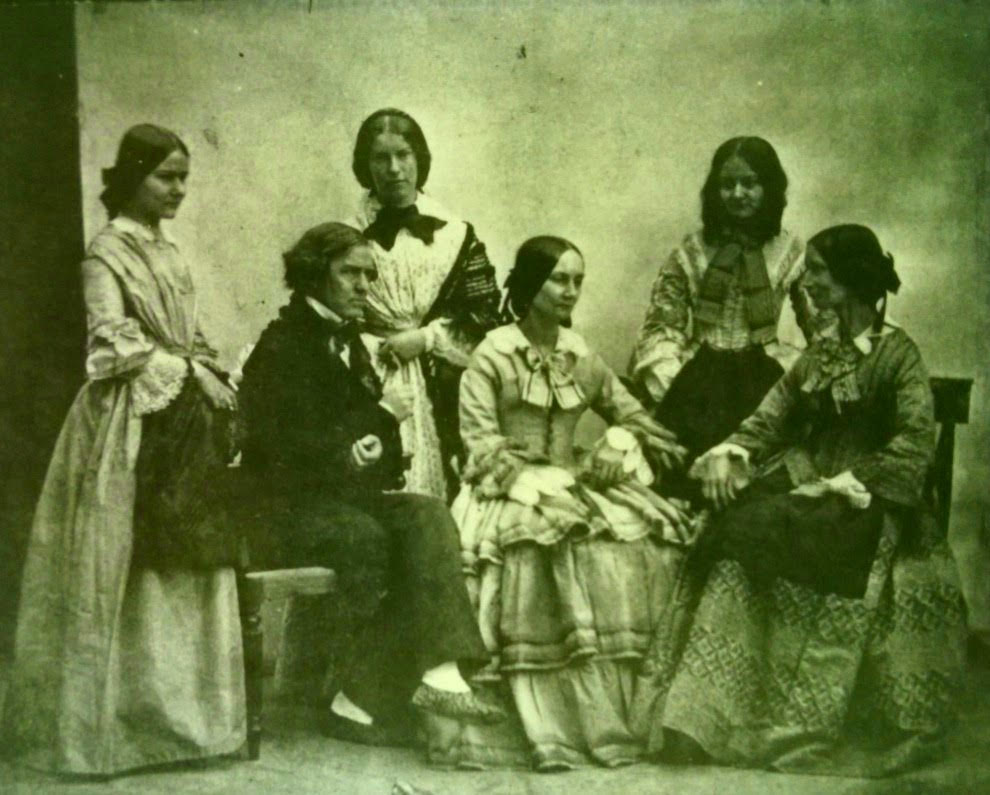
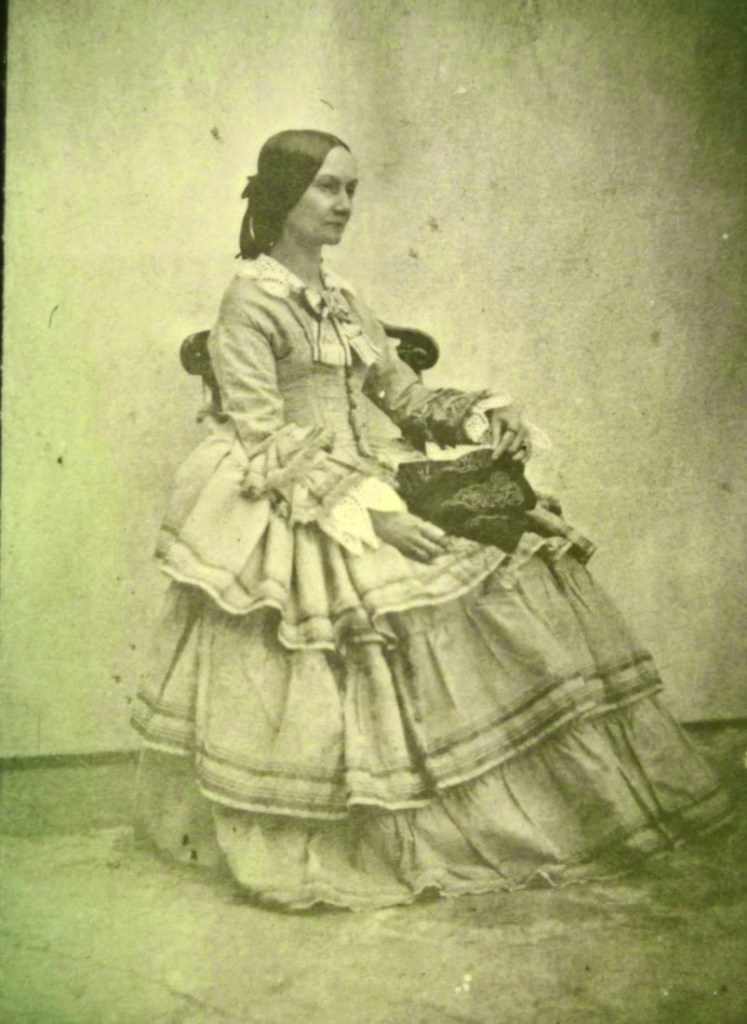
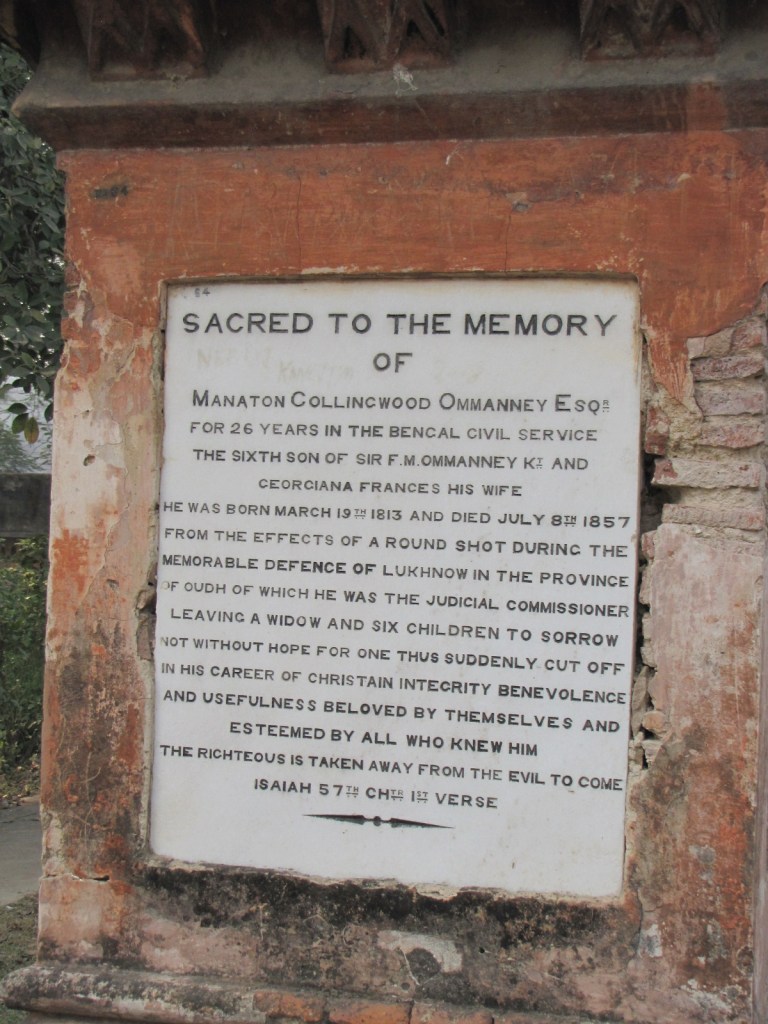
Mr. Manaton Collingwood Ommanney, at the time of his death, was the Civil Service Judicial Commissioner at Oude. After a 26 year career in India, he died,aged 44, during the siege. Mortally wounded by a round-shot to the head on the 3rd of July at the Redan Battery he lingered on until the 8th. His wife, Louisa – already an invalid during the siege, and two of their daughters were with him. They survived the siege and returned to England.
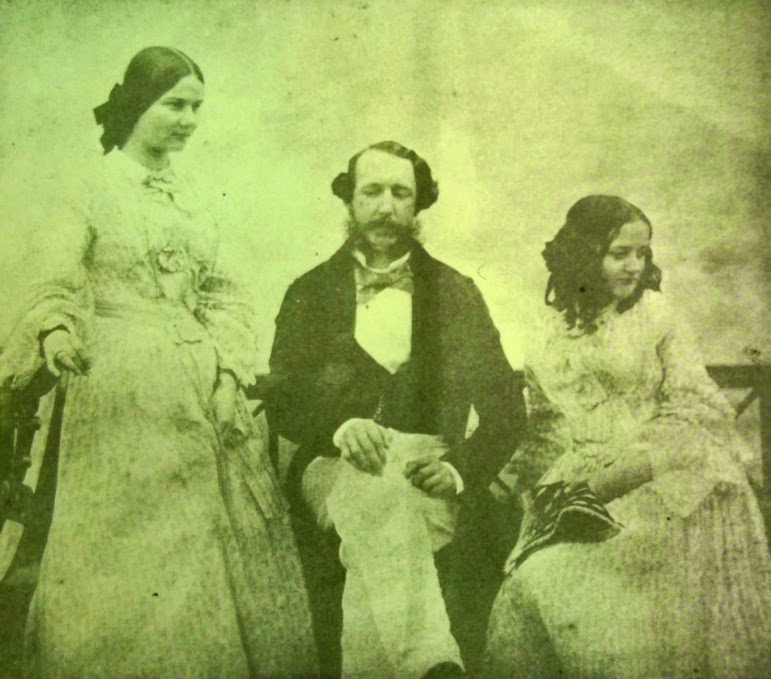
If the mutiny had not happened, the two daughters would have married the Cunliffe brothers. Foster Cunliffe died during the siege, while the other, Charles, was murdered at Byram Ghat. His fiancée refused to believe he was dead and held out to the last that Charles was coming to rescue her. It can be hoped the girls found happiness in their later lives.
https://ommanney.blogspot.com/2015/03/1850s-photographs-of-manaton.html
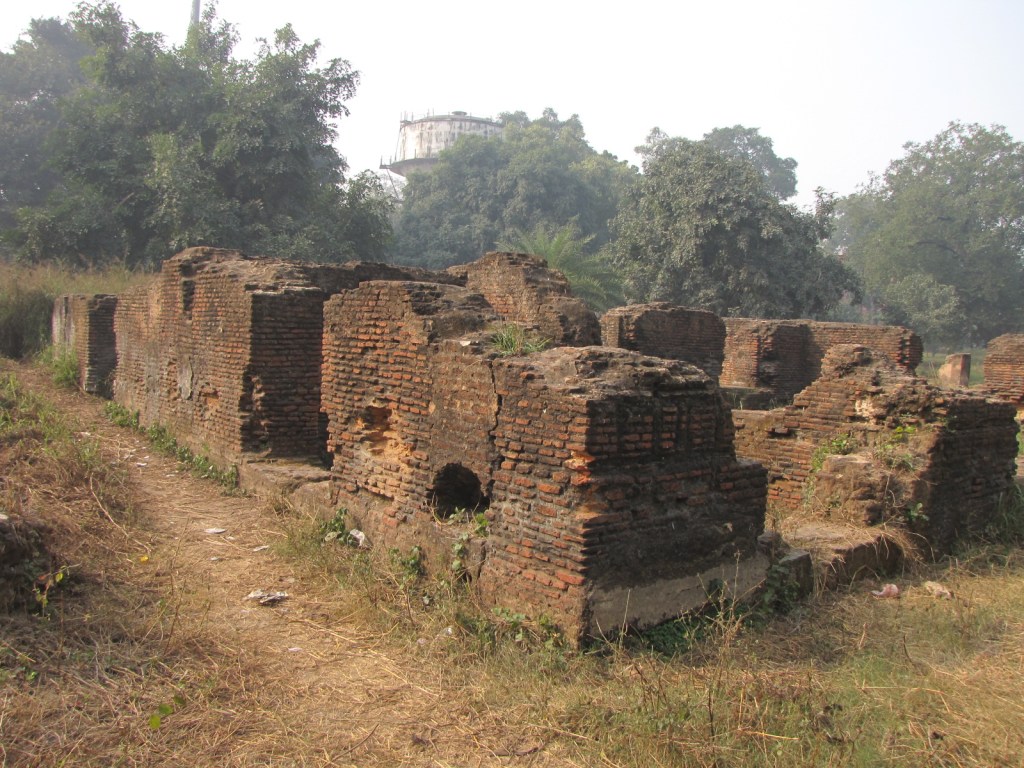
“It’s possible if you Try”- The VC of Corporal William Oxenham
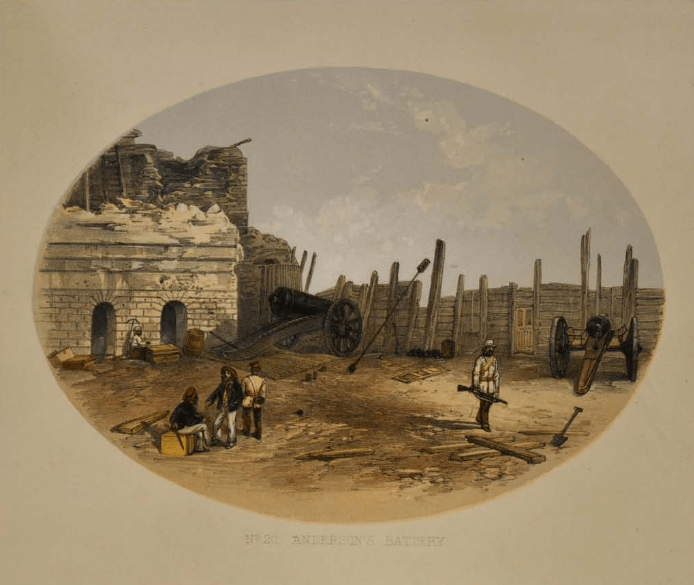
On the 30th of June, after the fiasco which was Chinhut, the Siege of Lucknow began in earnest. An unrelenting barrage of shot and shell was unleashed on the buildings of the Residency – none of which had been built to withstand such ferocious attacks. At Anderson’s Post, things were grim from the beginning.
“At my garrison a sharp fire was kept up from our loopholes- but the enemy brought a gun to bear on the pillars of our verandah and soon brought it down with a terrible crash. Mr. Capper happened to be in the verandah and was firing out of a loophole, when a shot struck one of the pillars and down it came. This gentleman was buried under some three or four feet of masonry…”
Capper was relatively unhurt but needless to say, buried alive.
“Someone remarked, “It’s impossible to save him,” upon which Mr. Capper’s voice was heard to proceed, as if from a vault, saying, “It is possible if you try.”
“As the immense beams of the verandah were falling, they were suddenly checked by a single stout beam (which had been raised about two feet from the floor of the said verandah, and formed a step for the volunteers to fire off), and in the interim, Mr. Capper’s head, most fortunately, got under the space between this beam and the verandah floor, so the other beams came down at a slant, instead of flat. When we heard that he was buried, we all rushed to his assistance, and heard only a low voice, saying, “I’m alive! Get me out! Give me air, for God’s sake!”
The problem which presented itself now was how to save Mr. Capper. First, Captain Anderson and a small group of volunteers, Corporal Oxenham included, had to move the fallen masonry -as they did, bricks and lime mortar became displaced, filling up the little holes which were providing Mr. Capper with air, a fact he let his saviors know, with this constant calls for “more air!”
“During this time, be it remember, the enemy kept up an incessant fire of round shot and musketry on the spot., knowing that were were working there; and all we had to protect us was about six inches of the wall, that just covered our bodies, as we lay flat on our stomachs, and worked away with both hands.”
It took 45 minutes of digging to free most of Mr. Capper’s body, and several minutes more to finally get his legs out.
“Through out all this, a corporal, named Oxenham, of Her Majesty’s 32nd Regiment, behaved most nobly, and exposed himself considerably, so as to expedite the work of digging out our unfortunate volunteer..”
Mr. Capper emerged from his impromptu tomb no worse for wear, with only a few bruises, and remarking he felt faint. Corporal Oxenham was seriously wounded on his forearm.
Later, when relating the story of his burial, Mr. Capper felt that Captain Anderson – who had been the first on the scene, had organised and participated in the rescue – should also have received the VC for this act of “distinguished gallantry.”
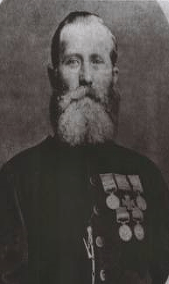
William Oxenham ended his military career as a corporal in the 32nd and died, aged 67, in Devon.
‘http://steergenealogy.co.uk/steergenealogy%20-%20Blogs%20-%20Oxenham.htmls
The Pains of death are passed
In October1855, Reverend Henry Stedman Polemhampton married Emily Augusta Allnatt, the youngest daughter of C.B. Allnatt, barrister-at-law of Shrewsbury. Theirs had been a long engagement – three years – and their wedding was precipitated by Henry’s imminent departure for India. Joining them on their journey to India was Emily’s sister Ellen who, after a long visit to England, was rejoining her husband in India.
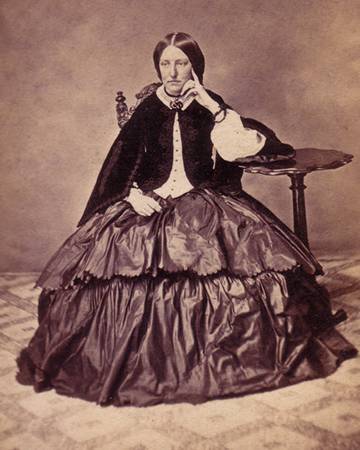
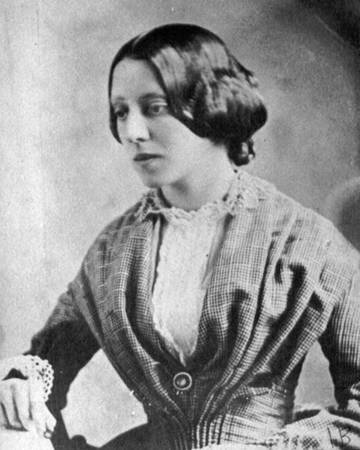
They were met in Calcutta by Ellen’s husband, Thomas Salt of the Royal Bengal Artillery — “a very good fellow, much liked by his regiment.”
The Polehamptons left Calcutta ( a town that Henry Polehampton did not like as it was neither Indian or European) for Lucknow in March 1856, covering the first 130 miles by train to Ranegunge.
From here they took a carriage of the Inland Transit Company “a van on four wheels, drawn by one horse,” for the next 600 miles, to Lucknow. The carriage was “about six feet long and three feet six broad…We started at seven o’clock (in the evening), we had with us a bottle of water, filled fresh every day, a bottle of brandy, ditto of cholera-mixture, ditto castor-oil, a lamp, candles, some fruit, bread, biscuits, a ham, and knives, forks and plates.” Around nine o’clock they would “put up a board, which connects the seats together and make ourselves comfortable for the night.” The horse was changed every five or six miles and would make seven miles an hour. At nine in the morning, when the heat was becoming intolerable, they would put up for the day at a dak Bungalow – government rest houses which were set up at distance of one every ten miles. By dusk, they would set off again, the Reverend sitting on the box with the coachman to make the most of the view of the surrounding countryside.
Their journey took them past the base of beautiful mountains, past Parisnath and one the way to Benares (Varanasi). Here they stopped, as usual, at the dak bungalow, but called in on the chaplain of Benares, Mr. Verrett, who kindly gave them a tour of the Company College, a building the Reverend Polehampton called the “the finest European building in India.” He was less impressed by the church, which was “an ugly building, no particular shape, flat roof, Doric columns.”
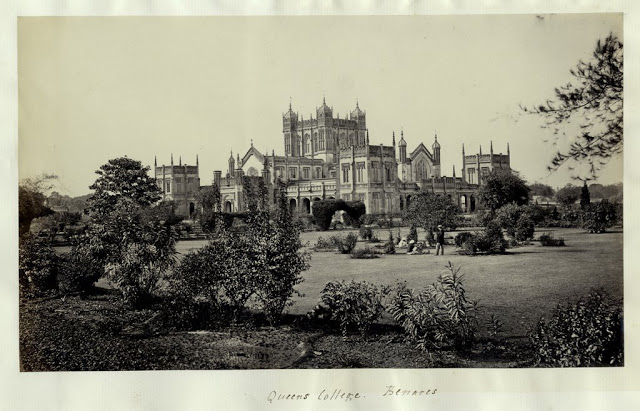
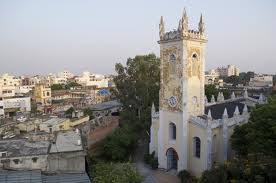
After a brief stay in Benares, they travelled on to Allahabad where they met up with a relative of Emily’s – a Henry Möller – who was serving with the 11th Native Cavalry. (Her mother was Elizabeth Möller). They stayed overnight with the chaplain Mr. Spry and the next day being a Sunday, Reverend Polehampton assisted with administering Holy Communion in the morning and read prayers with the chaplain in the evening.
From Allahabad, they carried on their journey the next day to Arrahpore – a village – finally reaching Cawnpore on Tuesday. Here, with the help of Mrs. Colvin – the wife of the Judge of Cawnpore, they bought furniture for their house and went on in the evening to their final destination, Lucknow.
It was now April 1856. The Polehamptons settled in quickly to their life in Lucknow and in spite of the heat, and the outbreaks of cholera, Henry wrote to his mother in May 1856, “I am very happy here, and I think I am useful; so you must not make yourself unhappy about me…this is not a bad country to be in.”
Their joy was rather shortlived – Emily gave birth to their only child – a boy – in January 1857 only to bury him shortly after, in an early grave in the same cemetery that would later be used during the siege.
From the start of the siege, Emily engaged herself as a nurse to the many sick and wounded in the garrison, not least ministering to her husband during his last illness. Following a gunshot wound from which he fairly recovered, he was struck down by cholera. There was very little Emily could do. His death was anything but painless and Emily tried to soften the blow, not just for herself, but for his poor mother.
“..my present task is one mingled with sorrow such as the heart only can conceive; it is impossible to speak about it; and joy, such blessed fathomless joy, that eye hath not seen, nor ear heard, neither hath it entered into the heart to conceive its fulness… had you been with me to watch the entrance of that blessed soul into the glory that awaited it, to see the perfect serenity and peace that was his through the last short but painful illness, you would not think it strange for me to say that I have never known what it to have one repining thought since he was taken away from me. It was impossible to feel anything but rapture in the thought of his having entered into his Master’s joy. He had not least fear of death. He said to those who came to see him on his deathbed, “I am not in the least frightened, and I know exactly how I am.” I cannot tell you what a strange unearthly sort of peace I had at the time of his death. Through that last day and night of his life, up to the moment he died, a marvellous kind of triumphant feeling came over me. I cannot explain it, but I felt as if I were watching his entrance into the joy of his Lord, and I seemed to feel the joy myself. This feeling continued for days after, in a greater or less degree, and only becoming less radiant as the death-like blank in my own life became more apparent. “
Every evening heedless of the danger and until the final evacuation of the garrison, Emily would go to the churchyard and spend an hour sitting by her husband’s grave, calling it her “most precious hour.”
Before leaving Lucknow, Emily put a stone over her husband’s grave – a white marble slab procured by a soldier from one of the king’s palaces. He then inscribed it with a small plain cross and the following words:
“In Memory of Henry Stedman Polehampton, Chaplain of this station, born February 1st, 1824, died July 20th, 1857. Also of Henry Allnutt, his only child born December 30th 1856, died January 3rd, 1857. Enter thou into the joy of thy Lord. Matthew, xxv, 21
The inscription has since vanished.
As for Emily, she survived the Siege of Lucknow and would be reunited with her sister Ellen, who had managed to get through the mutiny with her husband. Emily would not stay widowed long – in 1859 she married Major General Sir Henry Marion Durand himself a widower (his first wife, Annie Mc Caskill died in September 1857, the “worthy daughter and wife of soldiers” and one who is worthy of a story of her own!) With him, she would have 5 children. Emily died as Lady Durand, in 1905, having spent the last 33 years of her life once again a widow.
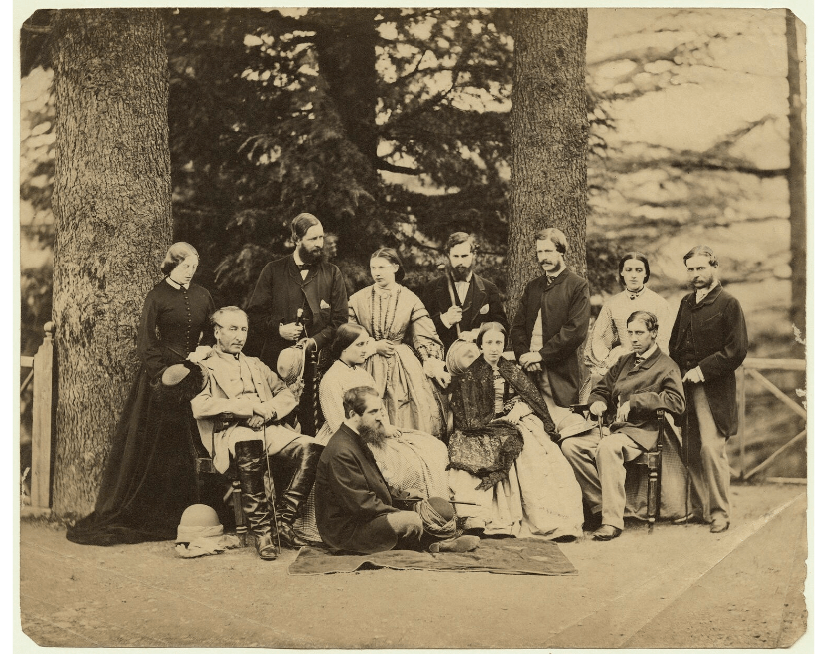
The Orphans
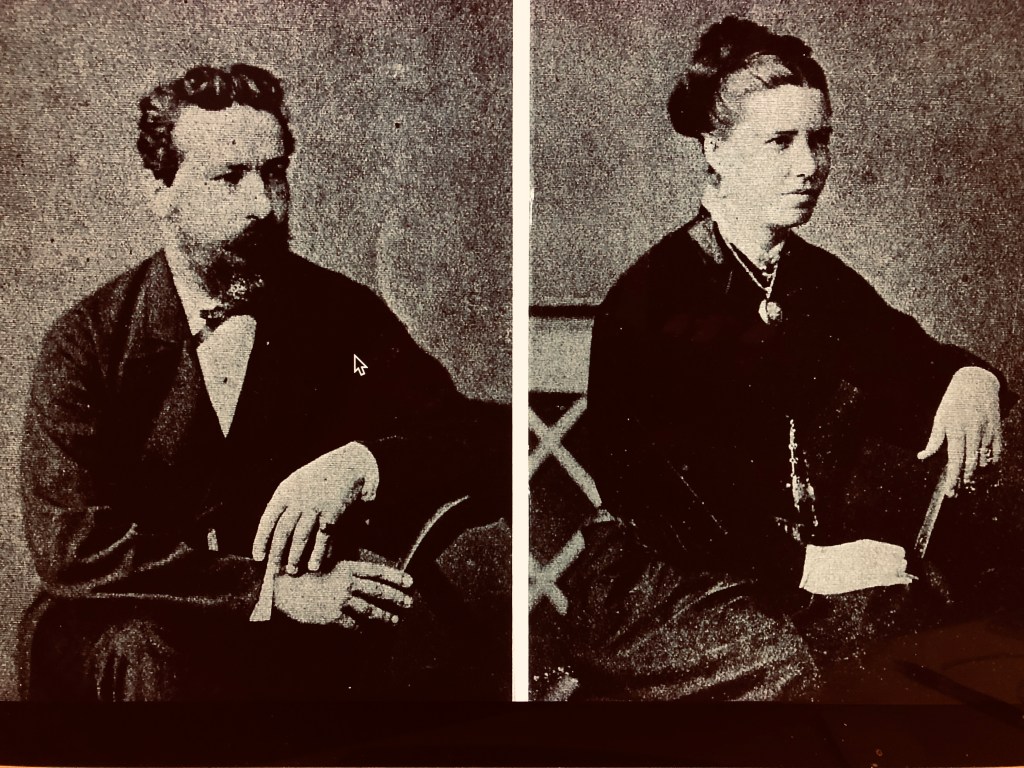
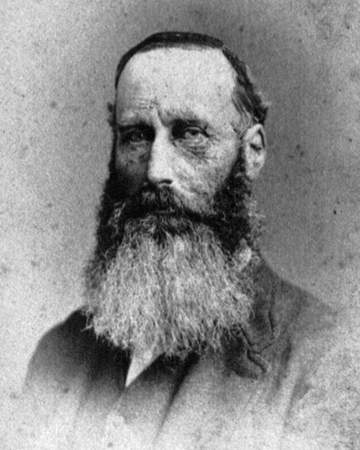
The somber man in the photograph was good deal younger when the Siege of Lucknow broke out. He was 10 years old and a boarder at La Martiniere. It was perhaps fate that smiled on the young boy – it utterly deserted the rest of his family who were left fighting for their lives in Cawnpore. Having lost his mother Amy in 1852, he would then be faced with the anguish of losing his father Wiliam, his step-mother Ellen (who his father married in 1852 shortly after Amy’s death), his sister Ruth and his five half siblings, Kate, Emma, Lousia, Nellie and John.
Charles would grow up to become an engine driver on the East Indian Railway and marry Annie Shields an orphan like himself in 1873. They would have five sons and one daughter. He died on the 5th of January 1918, at the age of 75, in Allahabad.
If Good Wishes Could Have Preserved Life – L.E. Ruutz Rees
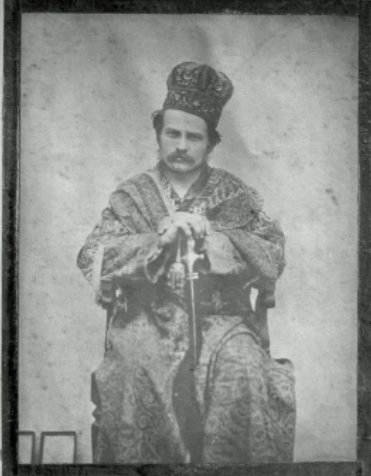
So wrote Mr. Rees in his book, ” A Personal Narrative of the Siege of Lucknow,” when describing the last dinner of the Freemasons on the 24th of June, held at the post office in Lucknow. Of the twenty men present, by October nine would be dead and three gravely injured. Rees was not one of them.
We have already met Rees once before in a photograph of himself with Mr. Catania and a young boy – the son of Babbington Peile. Rees had once been a master at Martiniere School in Lucknow but it seems by 1857 he was trying his luck as merchant, having purchased rapeseed and linseed in Cawnpore. For this valuable cargo and other business, he left Calcutta on the 10th of May, blissfully unaware of the storm in his wake. Not until he reached Benares, did he hear the first news of the mutiny. All of his friends there had already fled for shelter to the Fort of Chunar – not taking their fear seriously, Rees set off at once to Allahabad, not feeling inclined the join them in their flight.
At Allahabad he found the population terrified of what Rees still felt was nothing. He stayed there a week, joining the civilian garrison on a lark, where soldiering was “enacted in a very pleasant mode.” They patrolled a little and kept watch a bit but more than anything enjoyed capital dinners with first-rate wine, cheroots and plenty of song. So unconcerned was Rees that he continued his business as usual and then proceeded to Cawnpore in high spirits. For only a very brief moment did he consider returning to Calcutta; but for Rees, it was the image that kept him on his journey – he could not bear being seen as an alarmist!
His time in Cawnpore was cut short – an urgent message from his agent sent him off to Lucknow – little did he imagine he would not leave it again until November. However, it was this call that save him from Wheeler’s Entrenchment.
Rees presents himself through the siege as what he is – a civilian. He had no military ambitions nor does he pretend to enjoy soldiering. In fact, Rees is not averse to little grumbling.
July 10th ” The same game. When shall we be relieved? They say troops are coming; but when? and where from? Cawnpore is in the hands of the enemy; other parts of India have no doubt been also disturbed. I fear there can be nothing in the many reports given out confidently as true; that we are to be soon relieved. Talk of reinforcements! Where from? Maybe the Cham of Tartary and the Grand Lama of Thibet, at the head of an army of “Cashmere goats.”
Not being British, this wasn’t even, theoretically, even his fight. Although he is said to be Swiss, it appears he had spent a lot of time in India already – he dedicates the German version of his book to his uncle – V.L. Rees, who taught mathematics at the Hindu College (now, Presidency University) in Calcutta -(1835-1852), though it appears he had moved back to Bern, Switzerland by the time Rees had published his book. His sister Elise was married to Charles Myers Longueville Clarke of the 37th N.I, ( Joseph Longueville Clarke, her brother-in-law, was killed at Byram Ghat with Charles Cunliffe). He also had a brother in India, residing in Calcutta.
Rees watched one of his best friends die from a shot in the head. Bryson – “a noble and gallant fellow, and excellent husband, a fond father and staunchest friend. A practical philosopher, he was always gay and smiling..:” Killed in the thick of the fighting at Sago’s Garrison, Bryson’s body could not be collected until nightfall and even then, being a clear moonlit night, the burial party of which Rees was a part, ran the risk of being shot. It would not be the first friend Rees would bury.
July 12th “Talk of troops coming to our aid! It is time indeed, for our privations are beginning, I am like everyone else, in constant danger of being shot, and have to work like a slave. I had to stand in the rain all night doing sentinel’s duties and caught a cold in consequence.”
By the 15th of July Rees is still grumbling.
“My cold is worse. Grubbing about in wet holes making receptacles for dead bullocks and dead horses, does not conduce to its improvement. Pretty employment this for the educated youth of the nineteenth century...”
Nor does Rees shy from the ugliness of the siege. He talks of the deplorable sanitary problems and of a sanitary commissioner whose “uncompromising zeal “before the siege was suddenly lacking – in the face of the disgusting smells, the man when much needed, “retired to some secret recess it appears, for one cannot get a sight of him”.
Nor does he shy away from some very frank character observations:
“…the dog-in-the-manger style of selfishness I really cannot comprehend….I knew people to hoard up luxuries, neither enjoying them themselves nor allowing others to enjoy them, and being in a perfect agony of mind at seeing others use their kettle…”
What Rees shows in his book is the human face of a very bitter struggle. His voice does not come from the military perspective but from the ranks of a civilian yet he is still a man thoroughly loyal to the British stuggle. Yet he will always be referred to as the “Swiss merchant.”
Rees died in London on the 28th of March, 1909. He was 80 years old.
George Schilling. Head Master of La Martiniere
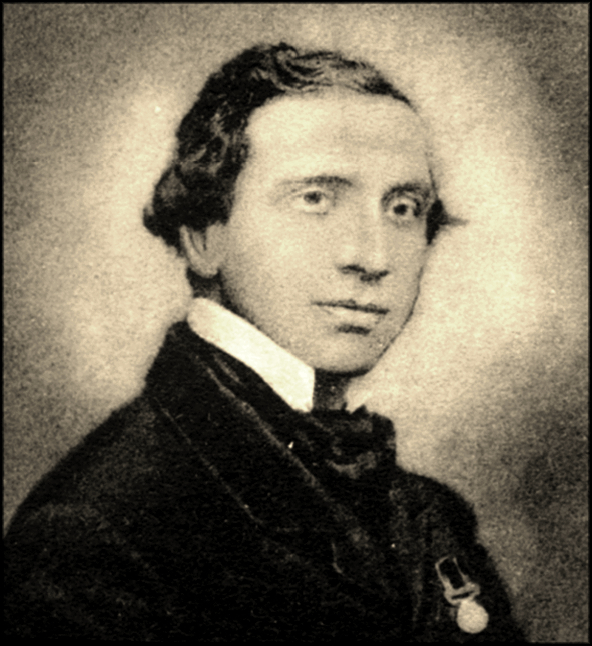
Born in Dublin in 1827, George Schilling was a man of some fortitude. Unfortunately, he started his career in India on a slightly sore note.
George Schilling had arrived in India not as a headmaster but as a tutor to the children of Captain Tytler and his wife Harriet (yes, the Harriet Tytler). Captain Tytler paid for his passage out to India but as soon as they all docked in Calcutta, Mr. Schilling “behaved very badly towards us…he asked for permission to go on shore and while there he saw some heads of the educational department and secured a good situation for himself. He never even apologized made any excuse or offered to pay his passage out and we never saw him again until after the siege.” This post he s eagerly accepted was as assistant master of La Martiniere College in Calcutta, and later he was promoted to principal of La Martiniere College Lucknow in November 1855, a position he kept until December 1859.
Mrs. Tytler did not see Mr. Schilling until 1859, when he visited her with his wife, in Mussoorie. Harriet’s obvious contempt for the man had not died down in the slightest, and she very acidly remarks in her book that she was not surprised to hear that his wife died shortly after.
“I don’t suppose any woman could have been happy with him because of his restless habits at night. He seemed obsessed in some way and couldn’t sleep so he used to wander about on deck almost every night.”
Fortunately, we do not have to rely on Mrs. Tytler for Mr. Schilling’s character reference. For that we have the remarkable success of the Martiniere Post during the Siege of Lucknow and his untiring efforts to keep the boys alive – all but two of the 67 boys survived. Just his actions in 1857 speak volumes.
“Principal Schilling’s leadership was well rewarded. He was duly voted a gratuity of three months’ pay, and later became a Talukdar, or noble of Oudh, with an estate worth 30,000 pounds, thereby ensuring a comfortable retirement in England. The Martiniere contribution was officially recognised in Queen Victoria’s 1858 proclamation. Although the boys were all awarded the Mutiny medal, it was not until 1932, following a request by the College, that the British Government recognised Martiniere`s role in 1857 by presenting it with Battle Honours – an honour held by no other educational institution in the British Empire. Schilling’s remarkable achievement in bringing nearly all of those dependent on him through the siege was acknowledged by his alma mater in 1858, when King’s, London, made him an Honorary Fellow. Continuing in India, he became a Governor of the Lawrence Military Asylum, before retiring to England. George Schilling died at 58 Crystal Palace Park Road, Sydenham, on 9 February 1886, and is buried in Elmers Green Cemetery.”
https://www.dnw.co.uk/auction-archive/special-collections/lot.php?specialcollection_id=118&lot_uid=108933
A Boy at War
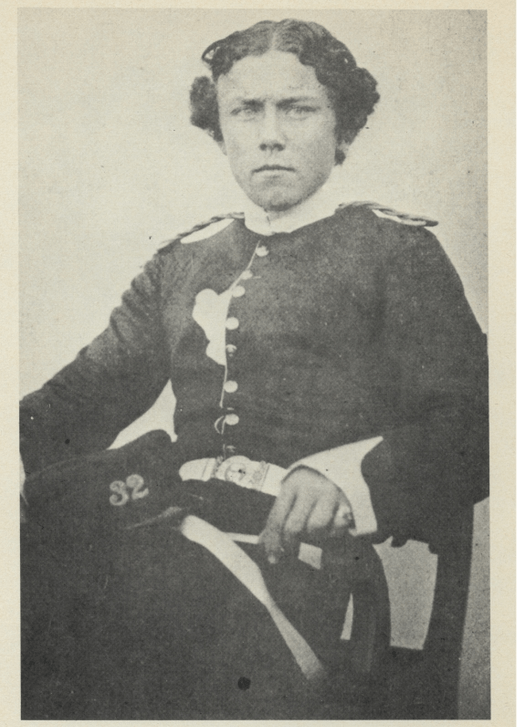
William Humphrey Studdy was born on the 19th of February 1938 in Sultanpur, the second son of the invalided Major Thomas Bradridge Studdy. Purchasing a commission into the 32nd Regiment of Foot in 1856, Ensign Studdy would arrive with the regiment on the 27th of December 1856 in Lucknow. He was 18 years old.
From the start of the siege, Studdy distinguished himself, taking part in sorties, and gaining the approval of his commanders. On the 7th of July, led by Sam Lawrence, he was the first through the wall into Johannes’ House bayonetting at least some of the thirty men inside. In his zeal, he then ran down the Cawnpore Road until Brigadier Inglis called him and the others back. Youthful exuberance wearing a military uniform and carrying a bayonet.
The 6th of August put an end to everything the promising young ensign could have become. While crossing a room in the Residency building a round shot from a 24-pounder gun was fired by the rebels and according to Gubbins,
“penetrated…to the centre of the room…injuring Ensign Studdy desperately in the arm…several officers were in the room at the time when he was struck. The nature of the injury was singular: the part of the arm and chest which was injured presented the appearance of a violent contusion. The ball had struck and torn down the fringe of the punkah in its passage; and the body of the poor youth who was crossing the room at the moment, was swathed round and round it, so it took some time to disentangle him.”
Besides a severely bruised chest, his right arm was smashed so badly that amputation was the only resort. Too weak for chloroform he was given a bottle of champagne before the operation, “and he bore it, poor fellow, without saying a word.” (Mrs.Case)
Following the operation, Ensign Studdy first appeared to rally but it was false hope – on the 9th of August he died, – it was speculated he died from other internal injuries however, without fail, amputations during the siege proved fatal.
So ended the short life of a very young man, a much regretted, promising young officer who everyone liked and felt terribly sorry for.
And he had behaved so well.
So ends this chapter of Lucknow.
Sources:
“The Siege of Lucknow, A Diary”, by the Honorable Lady Inglis, 1892
“Sketches and Incidents of the Siege of Lucknow”, C.H. Mecham,1858
“A Personal Journal of the Siege of Lucknow,” Capt. R.P. Anderson, 1958
“A Memoir Letters and Diary of Rev. Henry S. Polehampton, M.A.,” edited by his brothers, 1858
“Our Probett Family- Cawnpore in the year of 1857”, Mark Probett, 2013
“A Personal Narrative of the Siege of Lucknow,” L.E. Ruutz Rees, 1858
“Presidency College, Calcutta, Centenary Volume, 1955:
“Rees, V.L. (1835-1852) self-taught Anglo-India mathematical teacher” (pg.329)
“An English Woman in India, the Memoirs of Harriet Tytler, 1828-1858, editied by A. Sattin, 1986
“Angels of Albion,” Jane Robinson, 1996
“Ordeal at Lucknow” Michael Joyce, 1938
 Mutiny Reflections