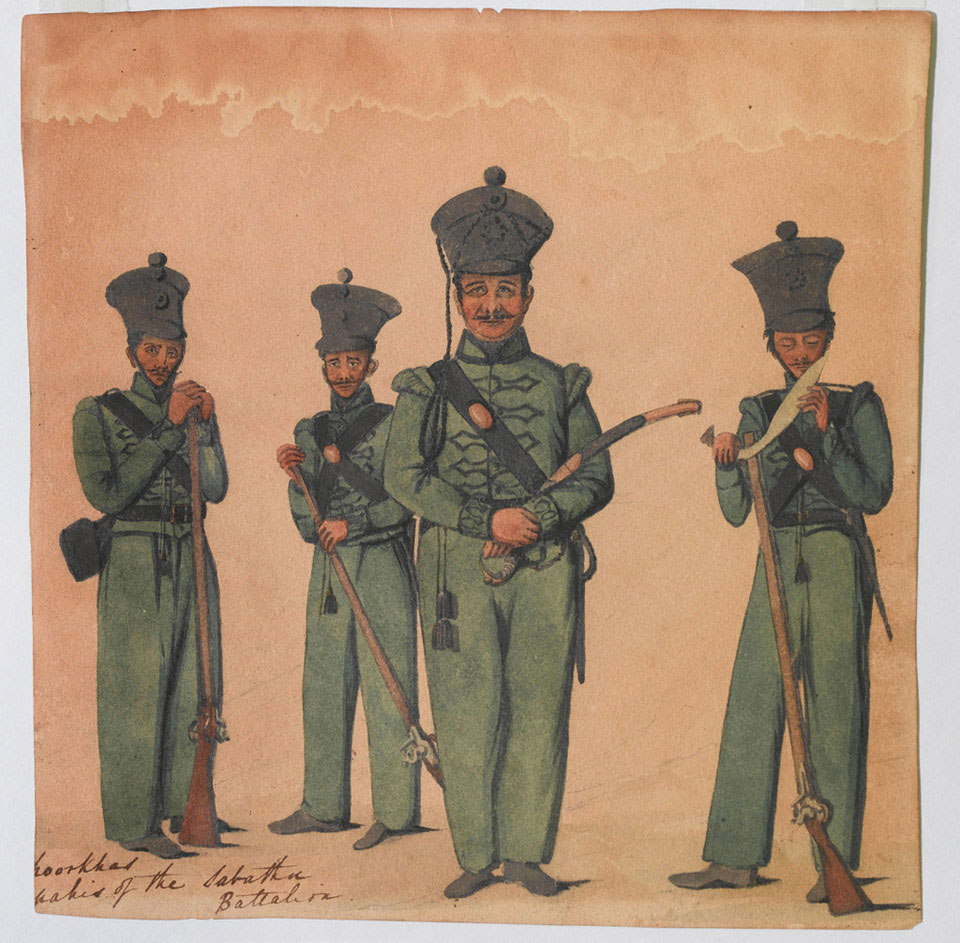
[Image number: 132576]
The 66th (Goorkha Regiment) Bengal Native Infantry
David Ochterlony and the political agent William Fraser swiftly acknowledged the capabilities of Nepalese soldiers serving the British. During the Anglo-Nepalese War, the British were eager to recruit defectors from the Nepalese army to utilise them as irregular forces. Ochterlony’s faith in their allegiance was so strong that in April 1815, he suggested the formation of a battalion under Lieutenant Ross, which was named the First Nasiri Battalion (in 1850, they were renamed the 66th or Goorkha Regiment of Native Infantry). This regiment later evolved in 1937 to become the 1st King George V’s Own Gurkha Rifles (The Malaun Regiment). In addition to Ochterlony’s Gorkhali battalions, William Fraser and Lieutenant Frederick Young established the Sirmoor Battalion, which eventually became the 2nd King Edward VII’s Own Gurkha Rifles. Furthermore, an additional unit, the Kumaon Battalion, was formed, which later became the 3rd Queen Alexandra’s Own Gurkha Rifles. These corps were provided with clothing, arms, equipment, and ammunition at the State’s expense, following the same regulations that applied to Line Troops, with the exception that their belts and accoutrements were black rather than buff. They were also furnished with camp equipment and supplies as needed, adhering to similar directives. The uniform and discipline were consistent, with the stipulation that the personnel must procure their own Half Mounting. Consequently, Commandants were expressly forbidden from imposing any deductions, except in instances of confirmed negligence or failure to maintain cleanliness and adhere to the Standing Orders. In instances where any of the men who had defected from the enemy during the years 1814-1815, or those who were subsequently enlisted, became unfit for more active service due to age or disability, they were assigned to a garrison company. This company was exclusively tasked with garrison duties at the forts and outposts established during the conquests in Nepal, which had previously been occupied by their respective corps and were deemed stationary. Should the number of such individuals necessitate it, the Commander-in-Chief was authorised to temporarily establish a second or even a third garrison company. Additionally, the Battalion’s status concerning pensions was determined by General Government Order No. 9, dated 2nd May 1823.
Gurkhas participated as soldiers of the Company during the Pindaree War in 1817, as well as in the conflicts at Bharatpur and Nepal in 1826, and the First and Second Sikh Wars in 1846 and 1848.
The first Battle Honour would be for the Siege of Bhurtpore, where the 1st Nasiri and the Sirmoor Battalion both contributed a detachment of roughly 200 men to Lord Combermere’s army. The honour, however, would not be bestowed on them until forty-eight years later, in 1874.
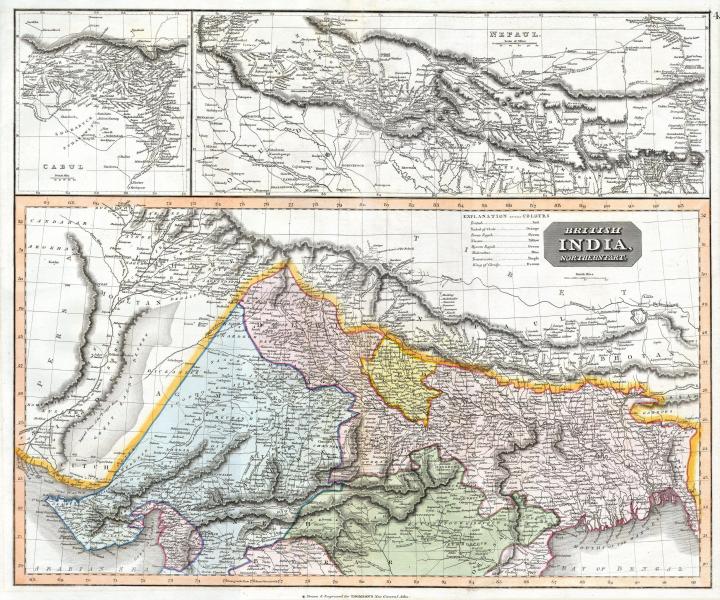
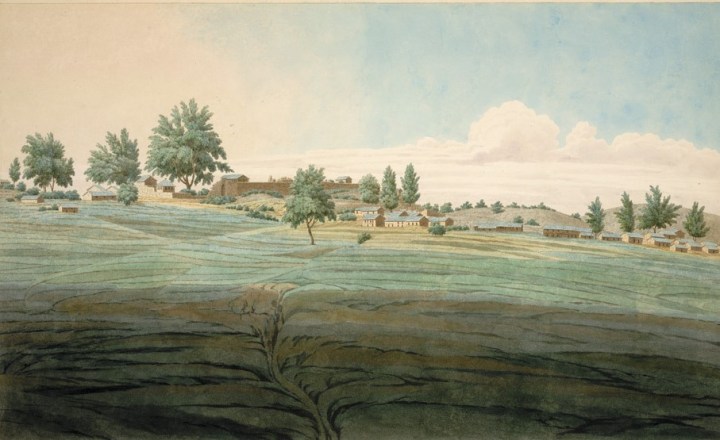
 Mutiny Reflections