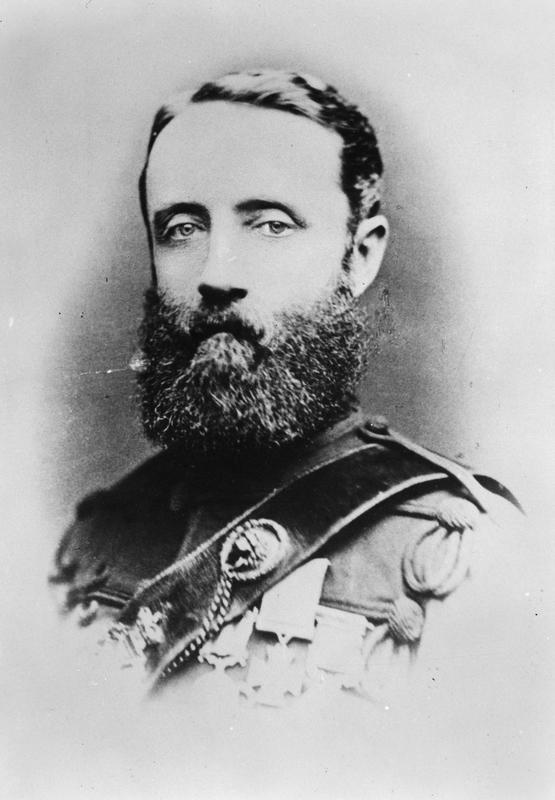
The sentiments regarding the issue of greased cartridges among the three historic battalions—the 66th Gurkhas, the Sirmoor, and the Nasiri Battalions—are illustrated in a compelling memorandum by Lieutenant Donald Macintyre. At the beginning of 1857, he was stationed with a squad from the 66th at the musketry school in Umballa and observed the following:
“In the beginning of 1857, when the Indian Government proposed issuing the Enfield rifle to all the troops, British and Native, a party of the regiment was sent down from Almorah to the School of Musketry at Umballa for instruction in the new arm. The feeling that existed amongst the men of all the parties sent down from Native regiments, their refusal to use the greased cartridges, or even those without any grease, and the popular idea at the time that the cartridges were one of the causes of the Mutiny of 1857, are now matters of Indian History. All the Gurkha squads, three in number (i.e. the 66th Gurkhas, Sirmoor and Nasiri Battalions), were placed together, under Lieutenant Donald Macintyre, and encamped with details from other native regiments.
After being encamped for some time with the Native Infantry details, a request was made by the Gurkhas, through one of their own officers, to be allowed to pitch their tents with those of the British soldiers. The reason stated for this was that they did not like being mixed up with the ‘ Kala Log,’ as they called the Native Sepoys, whom they reported as showing a very bad feeling in their conversations regarding the use of the greased cartridges. At the same time, they requested that these cartridges might be served out to them, in order to show the Poorbiahs that they had no fellow feeling with them in the cartridge question. Upon the above being represented to the Commandant, Colonel Greathed, 8th King’s Regiment, he expressed his satisfaction at their conduct and at once permitted them to encamp with the British soldiers.
On the latter completing their course, and when the range became available, greased cartridges were served out to the Gurkhas, at their own request, though ungreased ones were available had they wished for them, and they went through the complete course of firing. As an example of the good spirit in which the practice was carried out, it may be mentioned that on occasions when odd bundles of ungreased cartridges were accidentally served to them, they were at once returned with the jocular remark that they were for the Kala Log. On completing their course of instruction on the 6th April 1857, the party returned to Headquarters and were thought nonetheless of by their comrades for having used the greased cartridges.”
While there was a misunderstanding with the Nasiris, none of the Gurkha regiments mutinied in 1857.
Almora and the 66th Gurkhas
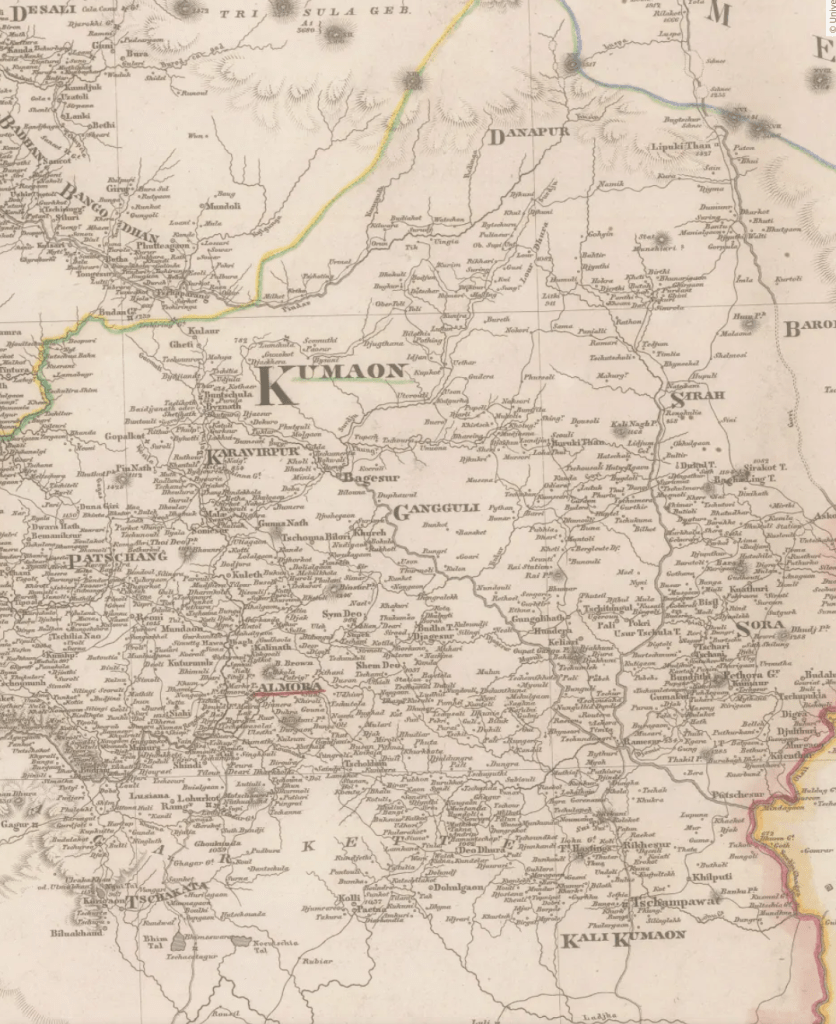
The news of the mutiny at Meerut and Delhi arrived at the sleepy station of Almora in the Kumaon District one night while the British were giving a ball. In the following days, the local population resorted to throwing stones at British bungalows, with badmashes creating nightly ruckus in the bazaar, and overall, a decidedly disrespectful attitude invaded the town. A fakir was arrested in the Mess compound, where he was found asleep in one of the outer buildings. In the preceding days, the man had been busily preaching disaffection and mutiny in the bazaar, in lines of the artillery company, and those of the 66th Gurkhas. He then entered the Civil Court and openly abused the Magistrate – when the police were called upon to arrest him, they refused. As such, the fakir was tried by drumhead court-martial and sentenced to be hanged, which was performed the next day during parade.
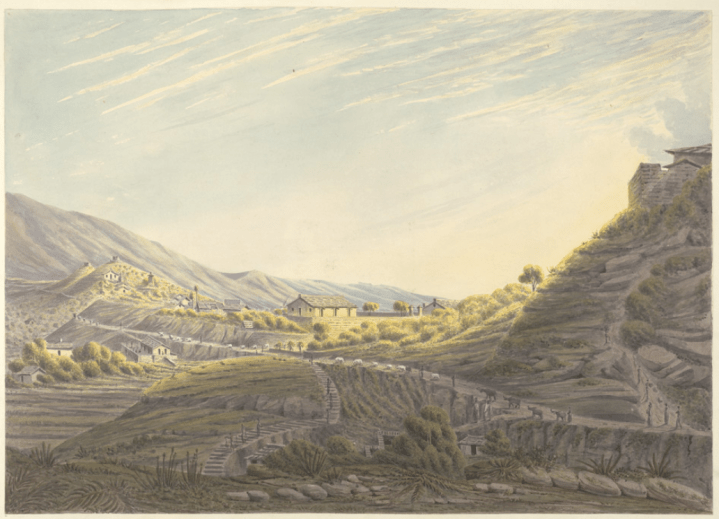
“Shortly afterwards, a havildar of the Regiment reported to the Colonel that he had been in a grain-seller’s shop in the bazaar, and had heard some men of the company of native artillery quartered in the Fort, discussing how on Sunday afternoon, when after church all the ladies and gentlemen would be walking on the Mall, they might be disposed of. They arranged that on the next Sunday they should all be murdered, and that if the Regiment resented it, or would not join them, they could open fire on them from the Fort with the guns, and as the barracks were full of women and children, they concluded they could overawe them. The Colonel promoted the Havildar to the rank of Native Officer on the spot, and at once detailed a company to seize the Fort early in the morning, when relief of guards took place, and the gate of the Fort was open. This was effected by surprise, and without any resistance, by a company commanded by Lieutenant Macintyre and me. The artillerymen were all seized and placed in the native gaol in irons. A mass of treasonable correspondence was found in their barracks, which placed their guilty intentions beyond doubt. A General Court-Martial was assembled for their trial, and owing to the soft-heartedness of some old retired generals who were members, a capital sentence was not pronounced on them. The ringleaders were sentenced to penal servitude, and the remainder to be deported to gaols in the plains. The result was that the gaol being insufficiently guarded, and by disaffected policemen, they all escaped, and made their way to the plains, and joined the rebel forces which had the whole country (after the mutinies of Bareilly, Moradabad, Shahjahanpore, etc.) to the foot of the Naini Tal Hills. This Company of Artillery was Remington’s, who was not at Almora himself at the time. The guns were then manned by the men of my Regiment who were thoroughly instructed as gunners by some fugitive Artillery Officers from Bareilly.”
The defence of Kumaon and especially of Naini Tal station was important – Naini Tal presented a place of refuge for many women and children fleeing from Bareilly, Moradabad and other stations in Rohilkhand. As long as the British held Naini Tal, the mutinously disposed chieftain, Khan Bahadur Khan, could be kept out of Kumaon. He had already given the British quite a headache by forming his own government in Bareilly following the mutiny there, and declaring his independence and now decided he would very much like to take over Naini Tal. However, by keeping Khan thus occupied, the small British force in the hills managed to prevent the rebels from joining their brethren in Oudh and Bihar.
 Mutiny Reflections