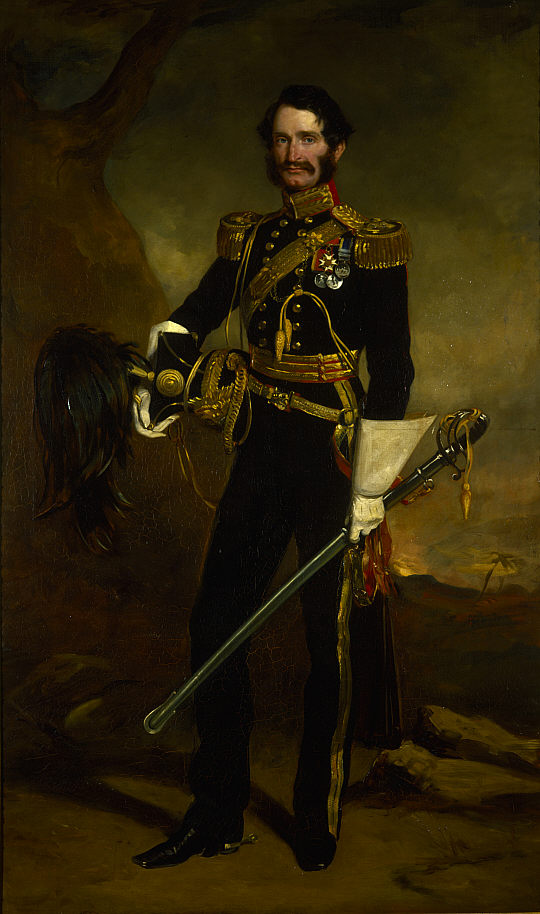
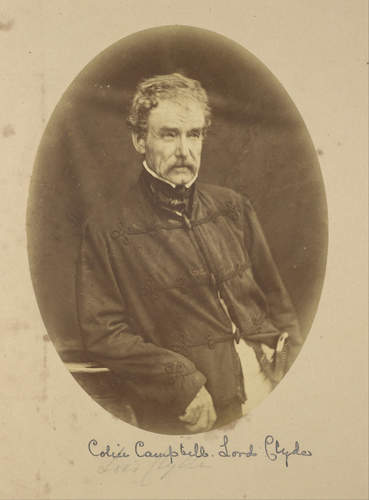
Sir Colin Campbell, after much deliberation, finally left Fatehgarh. His intention to delay the retaking of Lucknow for the winter months was thwarted by Lord Canning. It was now a matter of setting an example, and wresting Lucknow from rebel hands would prove the British were once again holding the upper hand. Sir Colin Campbell, however, was reluctant to return to Lucknow. His force, although numerically strong and soon to be reinforced by Jung Bahadur of Nepal, was certainly capable of meeting the rebels of Lucknow. The problem was that he had waited long in Fatehgarh, and the hot season was upon him. The city, as he well knew, presented a whole host of pitfalls, and there was no point in believing the rebels would not be ready to give him a warm welcome. His return, then, for it to succeed, would need to be contrived in a way the rebels would not expect. For their part, they were secure in their defences and had ensured that any advance through the city, either by the route taken by Havelock or the one taken by Campbell on his first foray, would be met with force. They had, however, completely neglected the other side of the river.
The advance to Lucknow was being bolstered by other forces, which were keeping the rebels too busy to launch any untoward attacks on Oudh. Sir Hugh Rose had started his Central India Campaign in January 1858; Kotah would be retaken by the Rajputana Field Force, the Sarun Field Force under Brigadier Rowcroft was operating in the outer districts of Oudh, while the Nepal Contingent had already been active for some months, and the retaking of Lucknow was still being debated. The Jaunpore Field Force would eventually form a juncture with Jung Bahadur and form the last reinforcements for the final capture of Lucknow. Sir Colin Campbell had ensured that his road to Lucknow was safer than it had been previously – Cawnpore was in the able hands of Brigadier Inglis, and Sir James Outram was still holding the Alambagh as was expected of him, since November 1857.
By now, Sir Colin Campbell had been given a few unkind monikers on account of his near inaction in 1858, and one of them, “Sir Crawling Camel”, would certainly not be without merit. His campaign for the recapture of Lucknow was slow in the making and would not begin until the end of February. He would then proceed with much caution to Lucknow and take the city in stages over a period of two weeks.
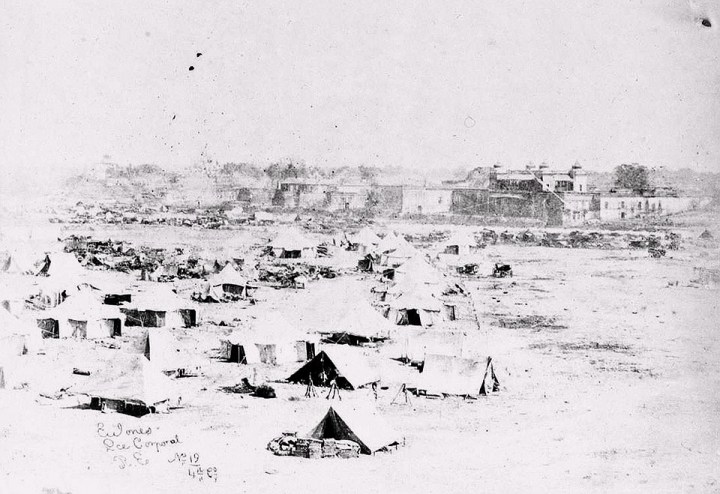
Leaving Fatehgarh, Sir Colin Campbell has an Army and the Rebels Have Plans.
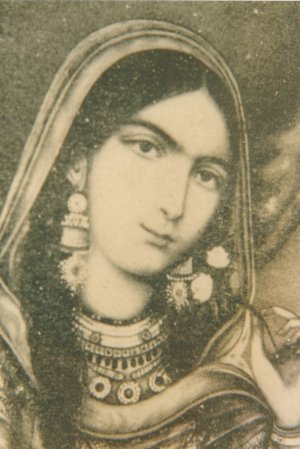
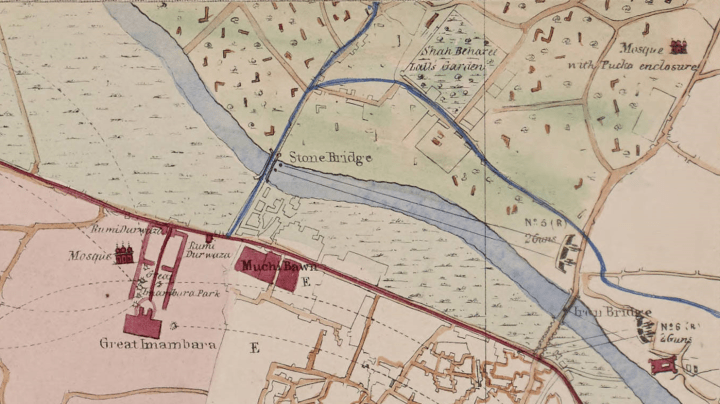
With the Dilkusha secure, he would split his forces for a second stage, one part under Sir James Outram would cross the Gumti and approach Lucknow from the other side of the river, something the rebels were not expecting, while the other would push its way forward towards the Kaiserbagh.
Stage 1: March 2nd to the 9th
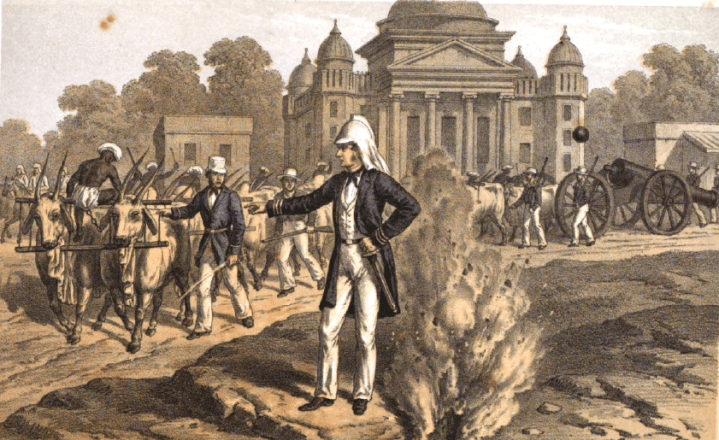
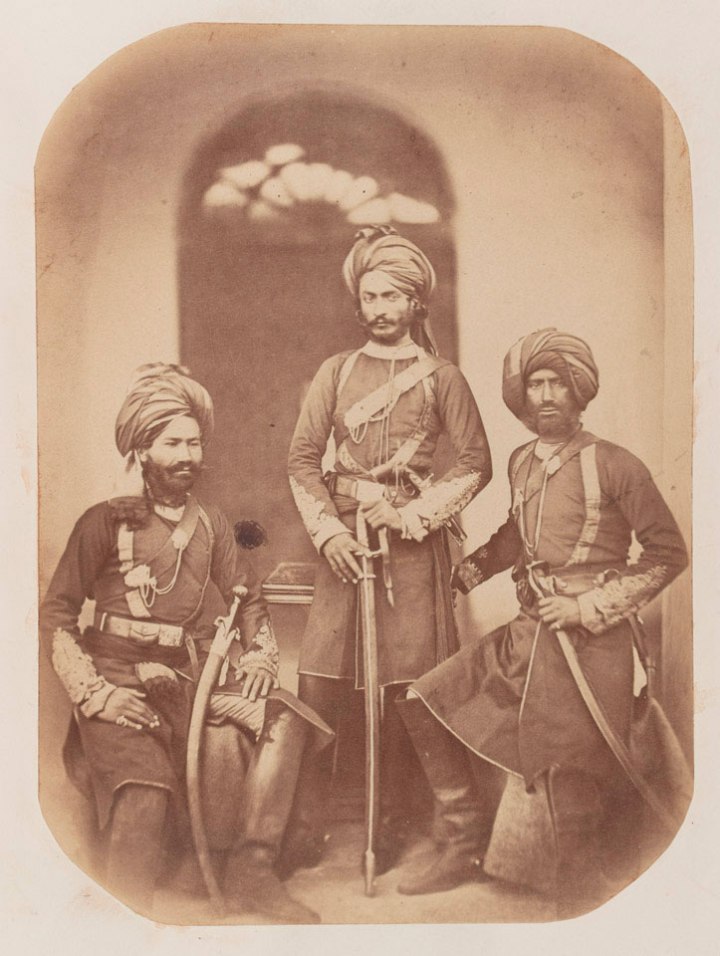
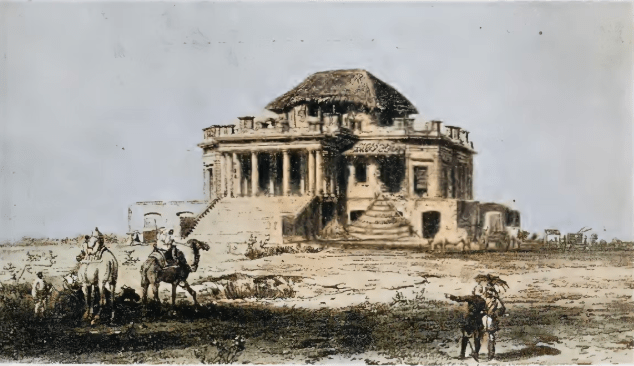
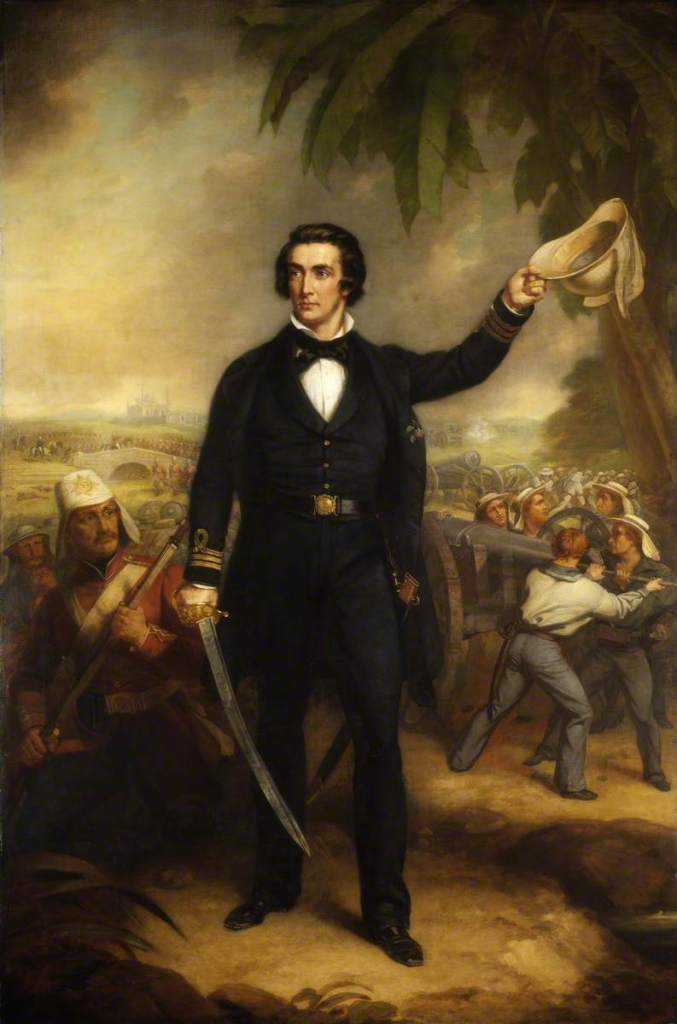
Over the next two days, Sir Colin Campbell would continue pushing forward on two fronts, one from across the river and the other through the city.
Stage 2: March 10th and 11th
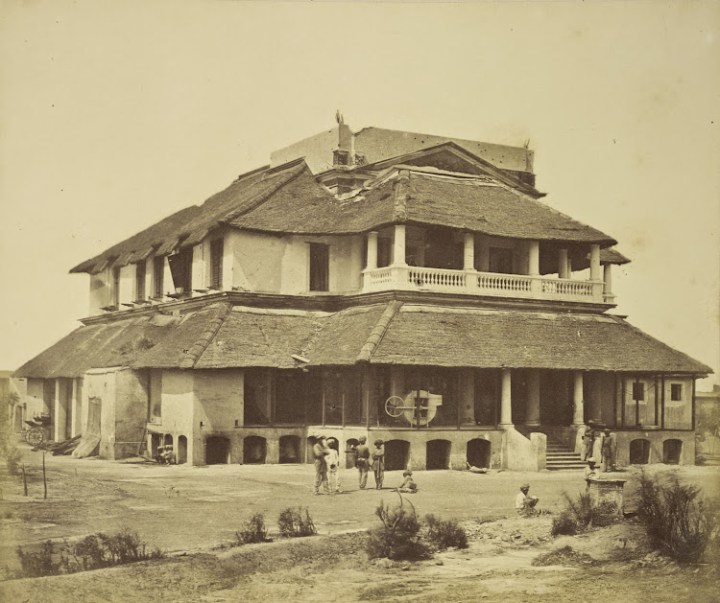
It would finally all culminate in
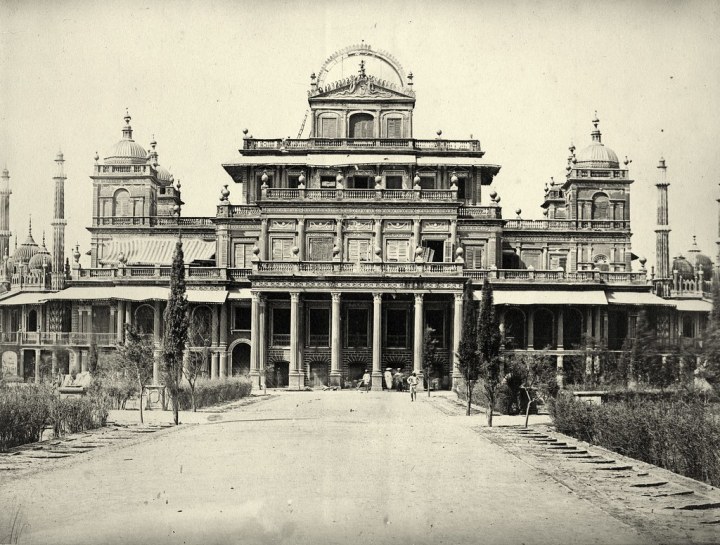
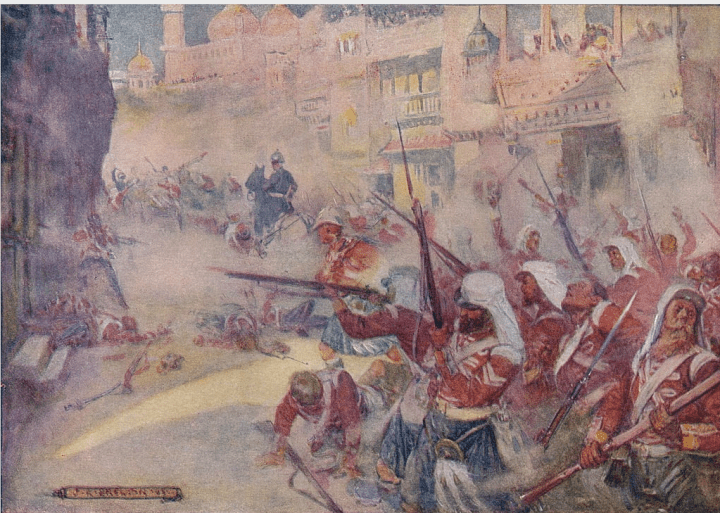
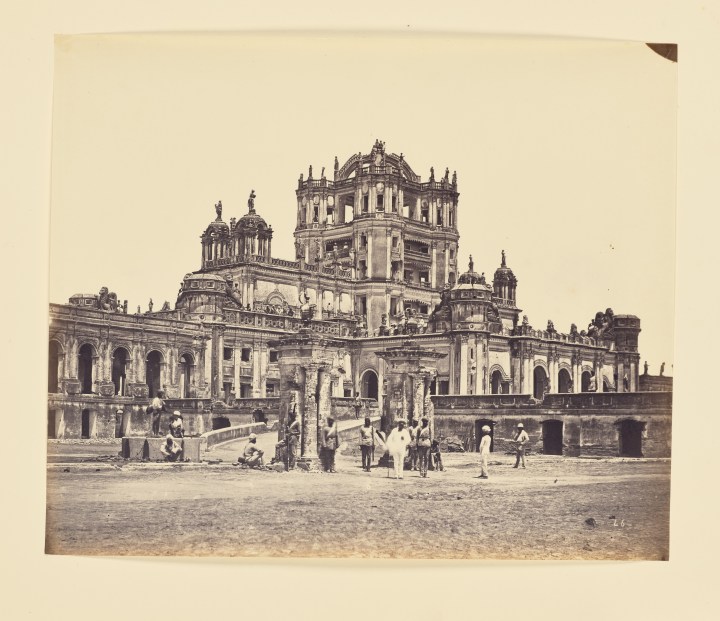
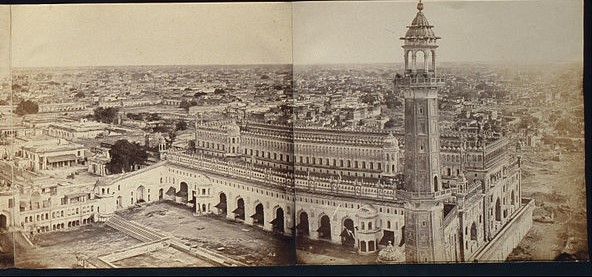
Stage 3: The Fall of Lucknow – March 15th-23rd
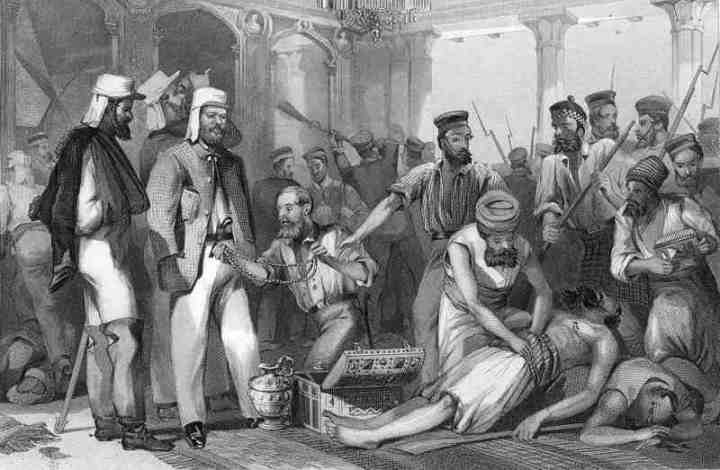
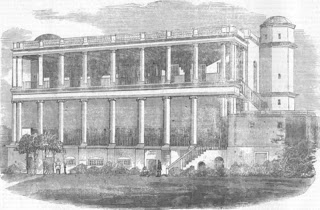
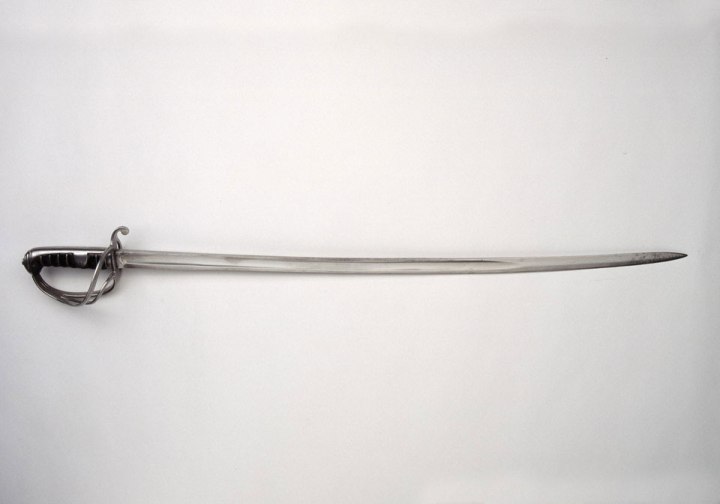
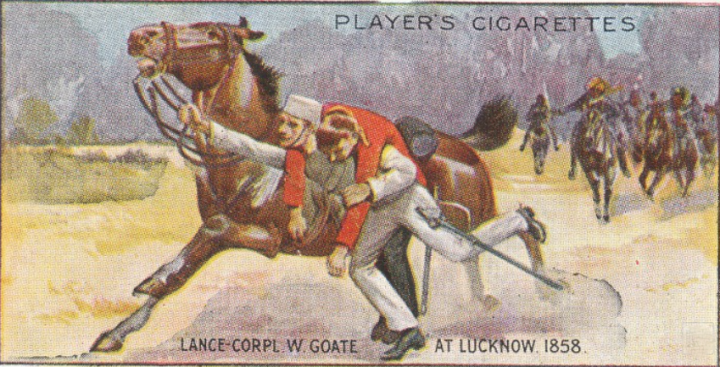
Of course, the final capture of Lucknow would not be without recipients of the Victoria Cross – a further twelve men would be added to the already impressive list of Lucknow VCs.
The Valorous Twelve
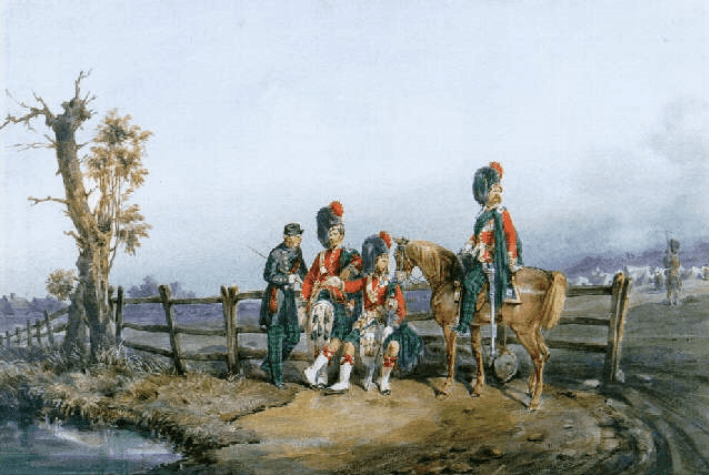
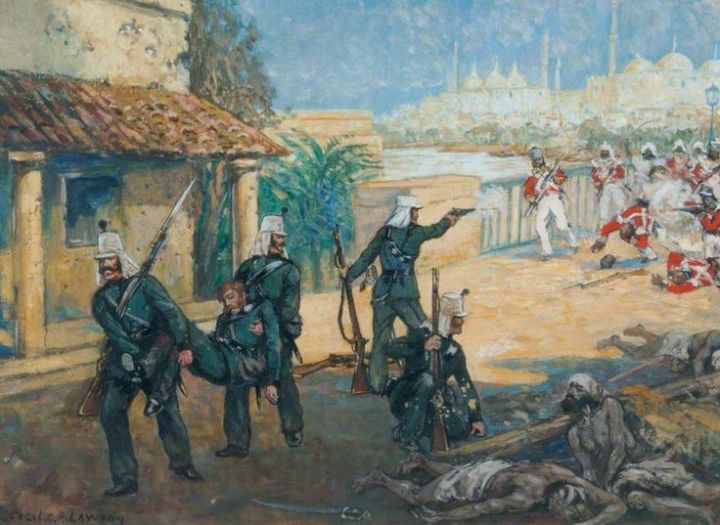
The capture of Lucknow would now open the floodgates for a whole host of other battles and campaigns, but it would take the very deliberate actions of Lord Canning to add fuel to an already roaring fire.
The Oudh Proclamation
 Mutiny Reflections