A Brief History of Rohilkhand
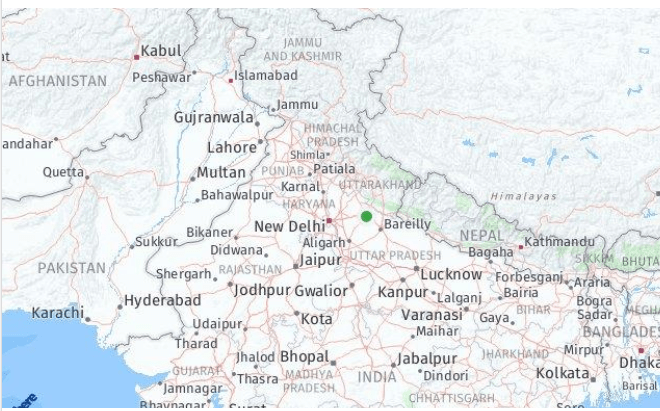
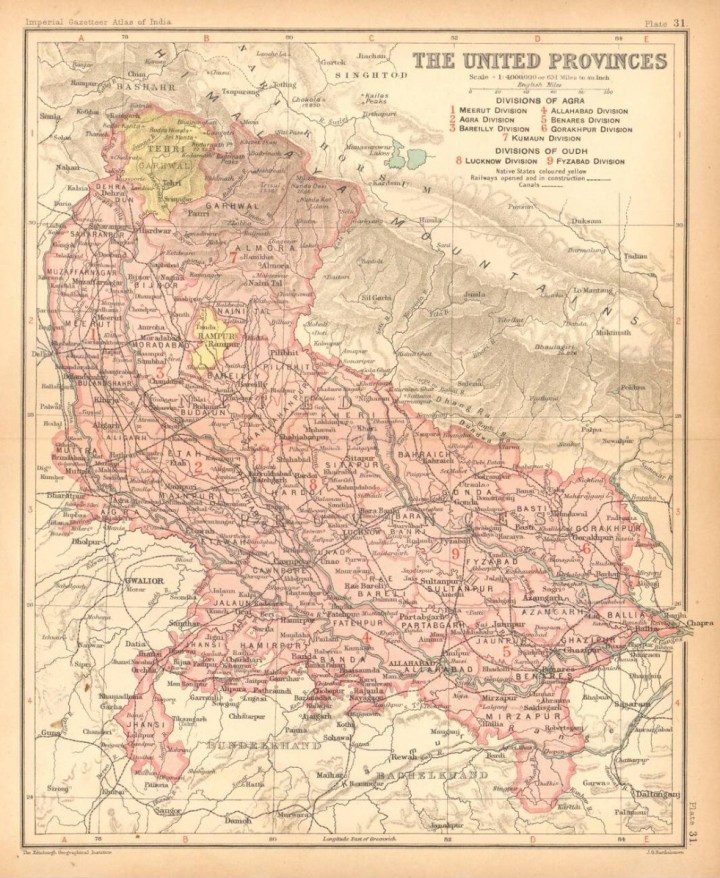
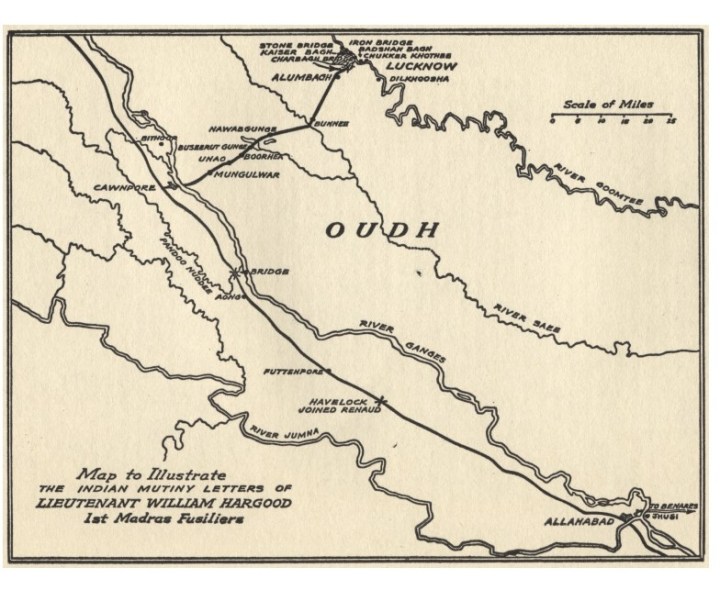
The province of Rohilkhand – a fertile tract of land of some 25,000 square km is bound to the north by the Himalayas, to the south-west by the Ganges and to the east by Oudh. Historically, it reaches back through time; it is the Madhyadesh in the Hindu epics, the Mahabharata and Ramayana. Until its occupation by the Mughals, Rohilkhand had been predominantly Hindu, with the Katheriya Rajputs as the dominant clan and the eastern portion of the area was known as Kather. Their defiance against Muslim rule was legendary – each rebellion was quashed with ever more ferocity by the Mughals until most of Rohilkhand had been reduced to poverty and its land made barren. With the waning of the Mughal Empire, bands of Afghans soon made their way into the Rohilkhand, and
“In 1719, one of these military adventurers, Ali Muhammad, obtained the title of Nawab, and the grant of the greater part of Kather, which henceforward was known by the name of Rohilcund, on account of the Rohillas, a body of Pathans who followed the standard of Ali.”
Following the death of Ali Mohammed, his estates were subdivided into various tracts, with some given to his sons, the Rohilla chiefs and to his friend Rahmat Khan, who was given the most valuable portion, which enabled him to take control of the Rohilla Confederacy. Shortly after, the English made their appearance as they waged war on the Vizier of Oudh – a war in which Rohillas sided with the Vizier but ended up withdrawing their forces at Buxar, following the battle of Patna. A settled province it wasn’t by any means – in 1771, the Marathas invaded Rohilkhand and laid the land to waste. The Rohilla chiefs now turned to the self-same Vizier of Oudh for assistance. He, in the meantime, had allied himself with the English and the Rohillas were given a condition “that if the Mahrattas were compelled to retire with or without war, the Rohillas should pay a certain sum of money.” The amount of 40 lakhs was agreed upon (£ 3’203’580.00 in today’s currency, but infinitely more in 1771, when £1 was worth £179.83 in today’s money), and the English troops who were fighting on behalf of the Vizier chased the Maratha out of the Rohilkhand.
The Vizier, of course, in keeping with the agreement, now wanted the Rohilla chiefs to pay up” but they not only failed to pay him the forty lakhs of rupees for his protection against the Mahrattas, but they actually supplied the Mahrattas with money when they appeared against him.” The Vizier, if anything, was positively irate by now with Rohillas. He turned to the British. “The Nawab resolved to annex their country for this gross breach of faith and to ask his ally to aid him in the enterprise. Hastings and his colleagues, after long and mature deliberation, came to the conclusion that on the annexation of Oudh depended not only its tranquillity and safety but the tranquillity and safety of our own dominions, and they determined to aid the Vizier. For the services of the English troops, the Government of Bengal agreed to accept a payment of forty lakhs, the sum which the Rohillas had agreed to pay the Vizier for his protection against the Mahrattas.”
The reasoning of Hastings and his compatriots was not altogether altruistic. On the 17th of April 1774, the British combined forces with those of the Vizier and invaded the Rohilla dominions and defeated the Rohilla army, who in their turn put up a very staunch fight. Following their loss, Rohilkhand was brought under the direct rule of Oudh and in 1801, the Nawab of Oudh ceded Rohilkhand to the British. For the next 50 years, there were continuous uprisings in the province, mainly by the Rohilla Pathans in their struggle to free themselves from yet another ruler.
“As of May 1857, it was one of the principal Commissionerships of the great North – North-Western Province of India.” Under the Commissioner were grouped four districts, named after the towns of Bareilly, Mooradabad, Shahjehanpore, Boodayon or Budaon, and Bijnour. Bareilly, the capital of Rohilcund, situated only 152 miles from Delhi, was not only the headquarters of the Commissioner, but also the headquarters of a military brigade, which formed part of the Meerut division.“
Yet in 1857, the British had seemingly forgotten the problems they had had in securing even a monetary calm in Rohilkhand, as there was not a single European corps in the entire province. This serious lack of foresight would now show itself as station after station began to fall, like dominoes and the mutiny spilt over into Oudh.
1858
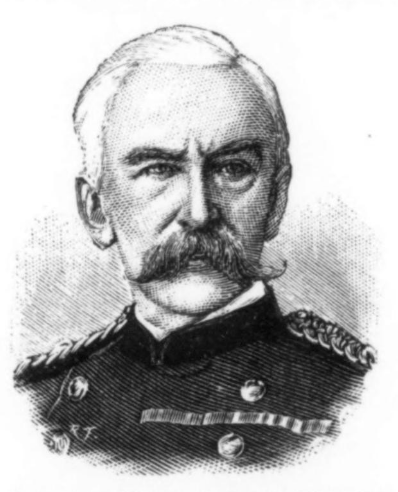
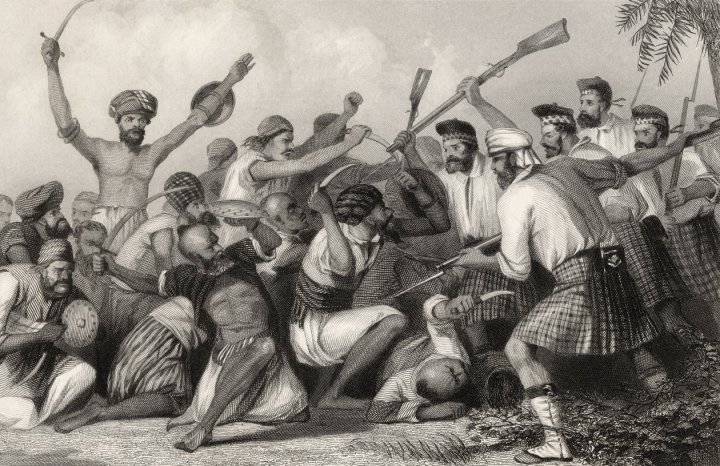
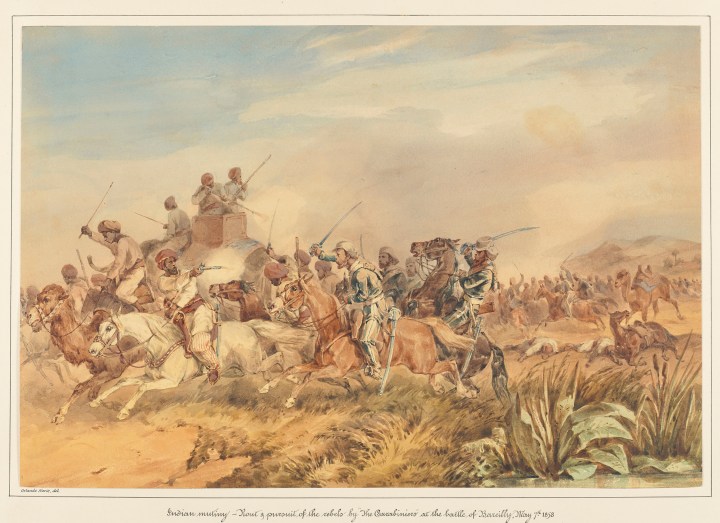
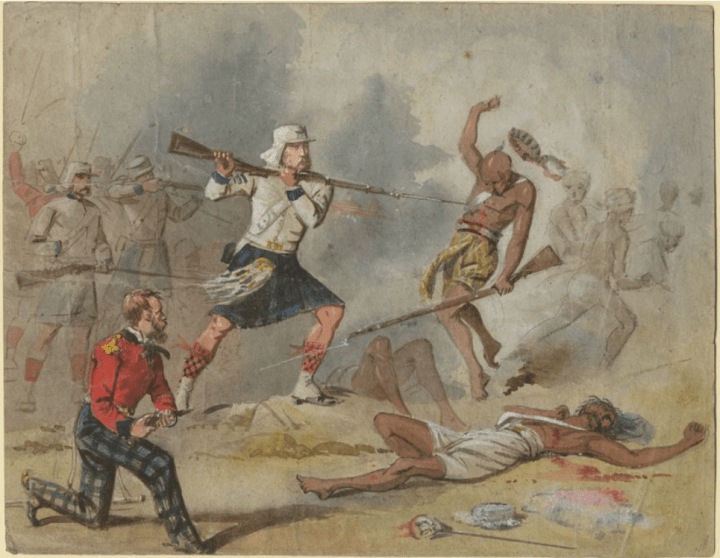
No campaigns would be launched to retake Rohilkhand until 1858, following the fall of Lucknow. It would be a hard fight; the first campaign, under the leadership of Sir Colin Campbell, would begin in April 1858 and come to a sudden halt two months later. The main objective was to retake Bareilly and put to flight that wily rebel, the Maulvi of Fyzabad.
With the advent of the rains and considering the horrific losses the British suffered in non-combat fatalities, all campaigning was halted until the advent of the cooler weather. There would still be some fighting in the monsoon months, but the scale of operations was much reduced.
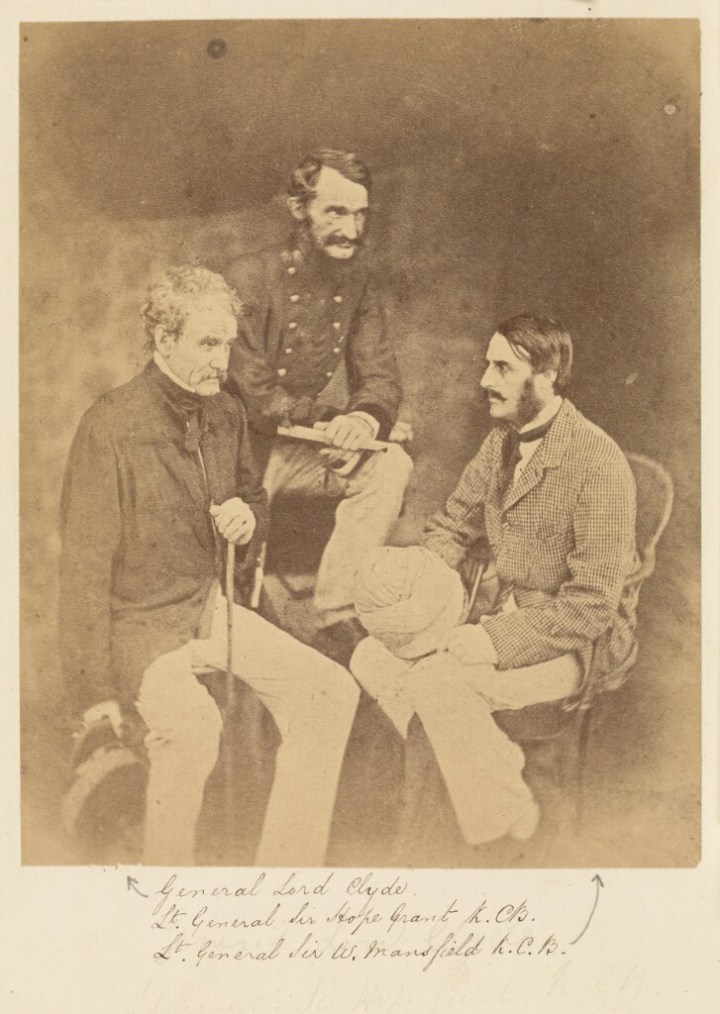
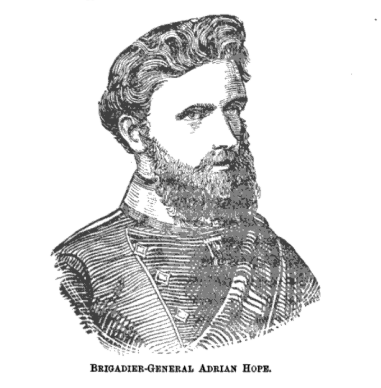
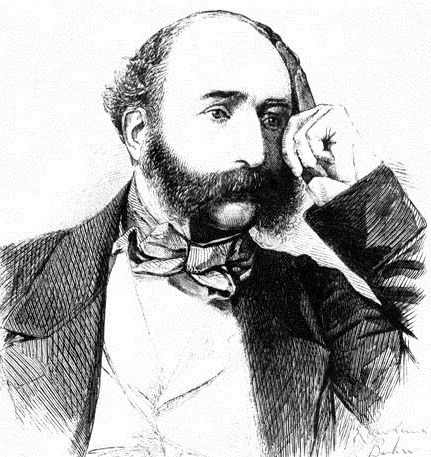
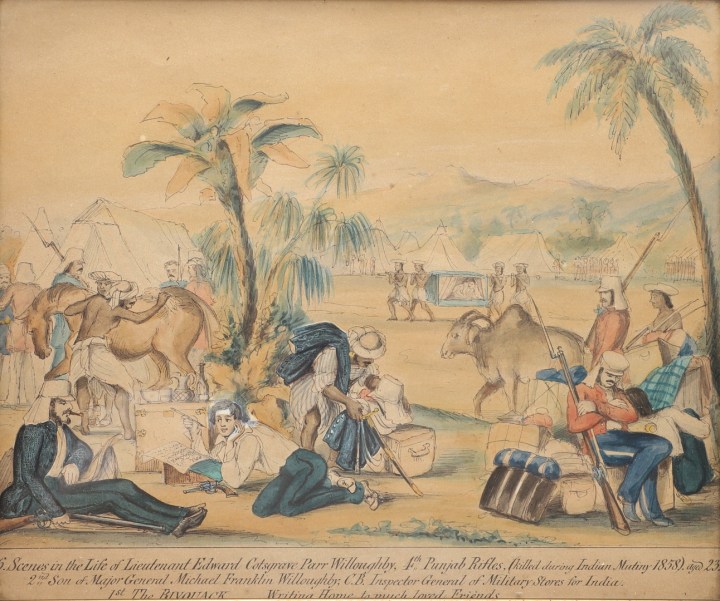
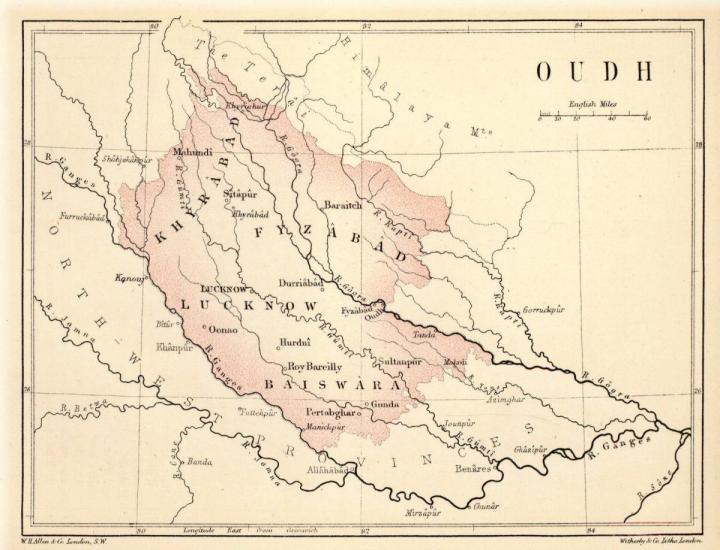
As for Oudh, the pacification would begin in a most unlikely manner, with the formation of field forces and the help of Nepal.
The Field Forces
The campaign for the retaking of Oudh would begin in April 1858 with the first marches of Sir Hope Grant out of Lucknow and continue well into the next year.
 Mutiny Reflections