The Next Days
The 15th of September dawned, and defensive arrangements commenced. Sandbags were piled onto the roofs of Skinner’s House, the Delhi Press, the College and other houses, thus forming breastworks, while riflemen were distributed over them to answer the insurgents firing. They continued to occupy the city, but the position remained unchanged. The insurgents still held the Magazine.
The guns and mortars of the Mori Bastion were brought into play against the city while more were brought in for the same purpose; the Water Bastion and a battery erected to the left of the college garden were opened against the Selimgarh, while two guns of Scott’s battery breached the Magazine walls from the college square. General Wilson, an artillery officer, personally superintended the battery and sighted the guns. He also issued the following order:
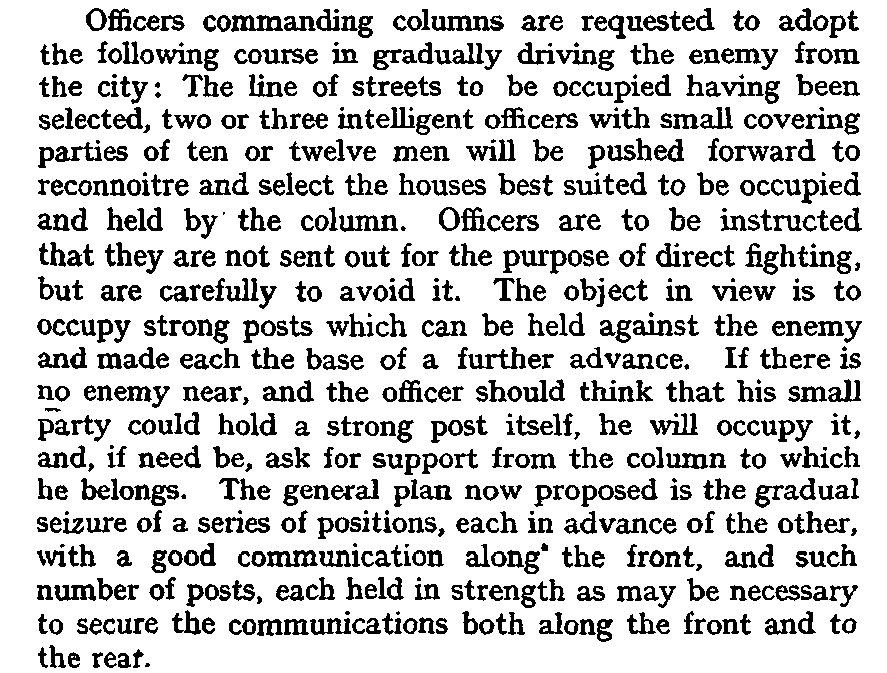
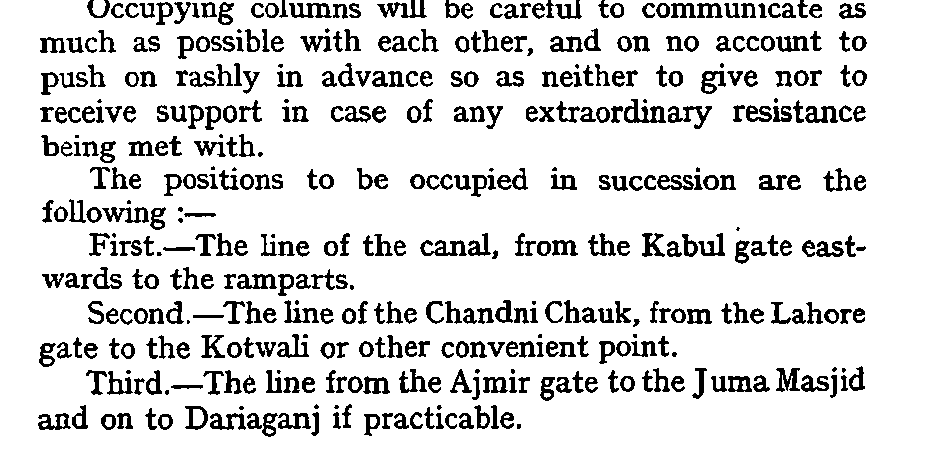
The columns would have attached to them 2 field guns and two light mortars should it be necessary to dislodge the mutineers by artillery. Each mortar would be mounted on a platform cart with its ammunition.
The mortars started their deadly work shortly after daybreak, wreaking havoc on the city and the palace. The 60th Rifles, in the meantime, moved from house to house past the college, clearing buildings as they went. Although the Selimgarh battery managed to get some well-aimed shots at the British position, it was nowhere near enough to dislodge the army.
Amid the chaos, Major Wilde of the 4th Punjabis had settled himself into a neat little room at the back of the College. With his pipe in his mouth, he sat back, and the regimental band played through the roar of the cannons and the musketry fire as if they had been in cantonments. He had them play the night before – a sound which was first mistaken for the bands of the rebels – but someone recognised the 4th band, and the music had a “cheering effect.” Now, in the din of war, perhaps Wilde hoped it would add a boost to rapidly dwindling spirits.
As for the citizens of Delhi, many had fled through the Kashmir Gate, scattering into the countryside and left to their fate. There was little mercy in the city from the army of vengeance. While women and children were treated with forbearance and even kindness, they showed little mercy for the men. Harmless citizens, clasping their hands for mercy, were callously shot down and old men who had never harmed anyone fell to the blade and bayonet. Several came to plead for quarter directly to Wilson’s staff – it was granted, but they were turned out of the city. As many sepoys had been found hiding in zenanas or disguised in burkas in a vain attempt to leave Delhi, the British troops routinely raided women’s quarters and brashly raised the veils of the women on the streets, looking for sepoys.
Barter entered one such zenana to prevent his men from engaging in any mischief with the occupants, but he could not resist taking a look at the ladies, only to find they were neither young nor pretty. So much for the fantasies of the harems of Arabian Nights.
Unfortunately, the citizens were caught between two armies, and neither was given to pity. It was, as in so many wars, past and present, the innocent that suffered the most. Sepoys who surrendered were put to death. As house after house was raided over the next days, the death toll would rise, and there was no one to bury the bodies. Delhi was turning into a charnel house.
On the 16th of September, the breach in the Magazine wall was deemed acceptable and shortly after daybreak, the Magazine was stormed by 200 men comprising HM’s 61st, Wilde’s Punjabis and Belochis all under Colonel Deacon of the 61st. Johnson and Norman went up the breach and spiked a loaded 18-pounder on a tower beyond the magazine but beat a hasty retreat when the riflemen of the palace walls opened fire. The mutineers offered very little resistance to the initial attack but in the afternoon they had a change of heart and returned, opening heavy fire on the turrets where men of the 61st had been posted. They then set fire to the roof of the Magazine. However, Lieutenant Renny had a very singular idea. Climbing up on the burning roof, he commenced to hurl 10-inch shells at the heads of the attackers – the shells were handed up to him by Lieutenant Vicars of the 61st, fuses lit. Meanwhile, Lieutenant Thackery of the Engineers climbed up as well to prevent the fire from spreading to the gunpowder and the remaining stores. He commenced flinging canvas bags filled with water over the flames, bag after bag handed to him from below by a servant. Perfect targets for the attackers the two men were not just shot at but pelted with stones and bricks, all the while concious of the fact if the fire was not brought under control soon the whole Magazine could blow up. Thackeray managed to control the fire and Renny dislodged the attackers with the shells – after six well aimed shots, the attack stopped and the buildings connected to the Magazine were cleared at the point of the bayonet.
Although Willoughby and his men had most gallantly blown up the Magazine in May, it became apparent that he had only managed to destroy the small arms magazine: the rest remained intact and was found to be well stocked with shot and shell. They captured no less than 125 guns and thousands of powder caps.
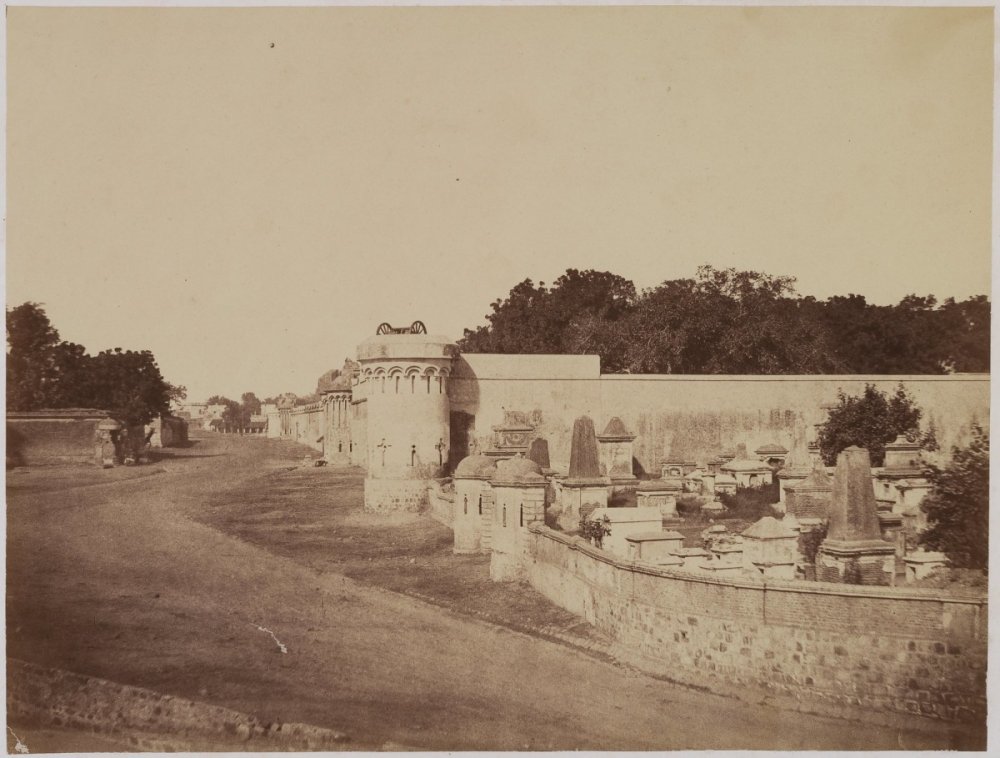
The same day, the rebels fled from Kishanganj. William Hodson, who had ridden out early to ascertain the movements, position and line of retreat of the mutineers, found all the suburbs empty. In their haste, they left behind 5 guns. Norman, who rode down shortly after, found the entrenchment work of the sepoys was admirable, and it would have been nigh impossible to turn them out – by leaving of their own accord, they had saved Wilson’s force much trouble. It was supposed that many of them had gone away towards their homes. . There was also a change in command – on the 16th of September, Neville Chamberlain, sufficiently recovered from his wound, took over the troops in the city while a weary Wilson took a rest. He would do so again on the 18th.
 Mutiny Reflections
Another fascinating and absorbing read! A monumental piece of work!!!!!! Kudos to you for this!
LikeLiked by 1 person
Thank you so much!
LikeLiked by 1 person
You are very welcome!!
LikeLike