“I was waiting outside Sir Henry Barnard’s tent, anxious to hear what decision had been come to, when two men rode up, both looking greatly fatigued and half-starved; one of them being Stewart. He told me they had had a most adventurous ride…” (Roberts, Forty-One Years in India)
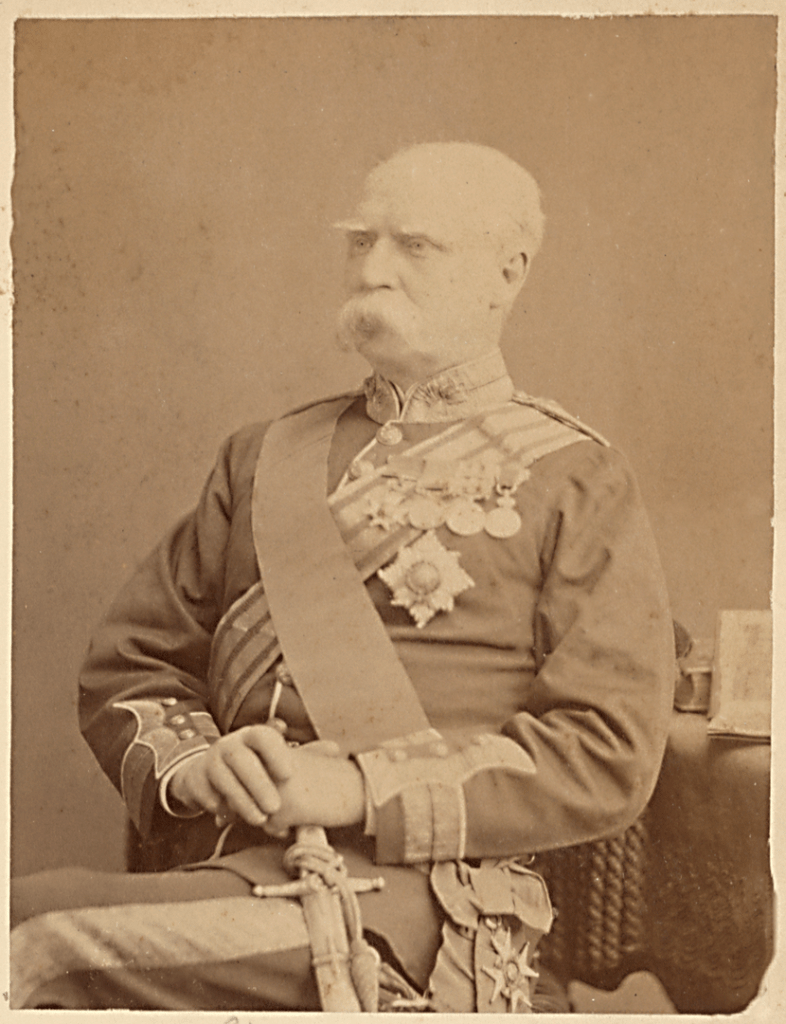
On the 28th of June 1857, two men arrived at the Delhi Ridge. They had not come with any force, nor had they volunteered to serve with anyone at all. One of them was Mr. Ford, one-time collector of Gurgaon, now effectively with no employment and the other, Captain Donald Martin Stewart, once interpreter and quarter-master for the 9th NI. His regiment had mutinied in Aligarh, and he was now without any appointment at all. Yet here he was, standing outside Barnard’s tent on the Delhi Ridge. How they had come to be there is a story only mentioned briefly in Lord Robert’s “Forty-One Years in India” and in Elsmie’s recollections of Stewart’s life. Neither Kaye nor Malleson makes any mention of him, and it would appear his appearance did not even give Barnard enough interest to write any details of it in the doings of the day.
Donald Stewart from Ensign to Captain
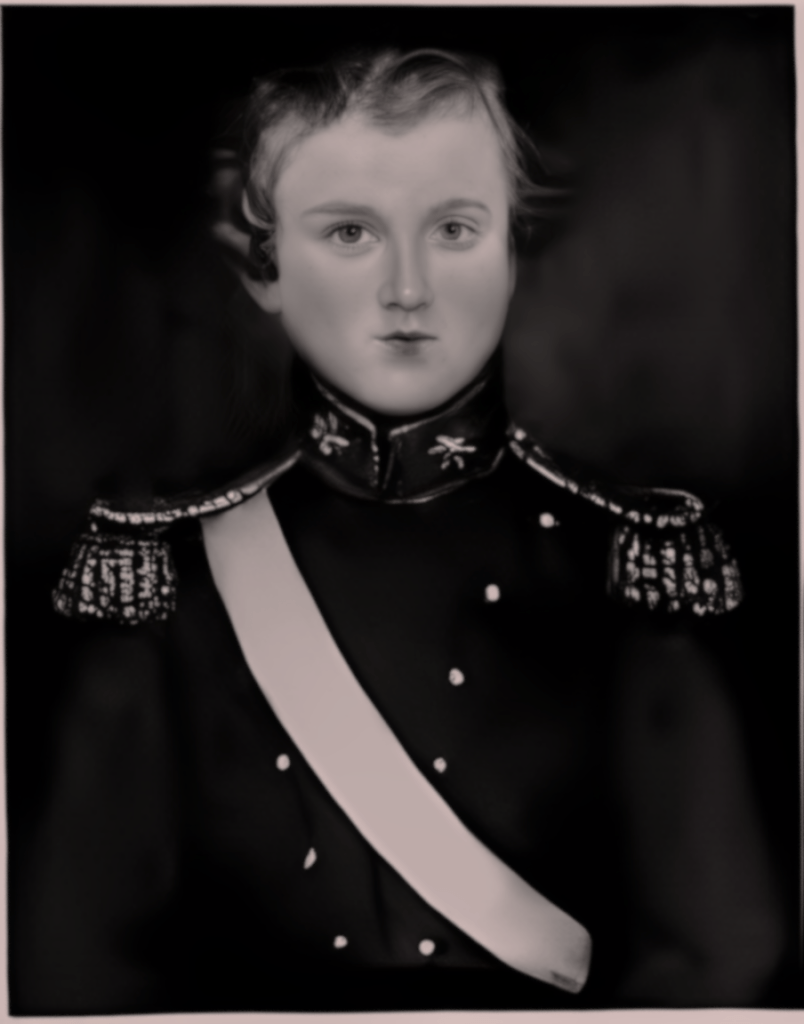
Born on the 1st of March 1824 at Mount Pleasant in the parish of Dyke in Scotland to Robert and Flora Stewart, both of Highland descent. His father came from a branch of the Stewarts of Fincastle, descendants of King Robert II of Scotland. His mother was of no less esteem, the daughter of Rev. Donald Martin, Minister of Abernethy, in Strathspey, though originally from Skye, with a strong connection to the clans of the island.
While his father served for fifty years as a lieutenant with the Perthshire Militia, there was something distinctly un-militaristic in the younger years of Donald Stewart. However, he could claim kinship, through his grandmother, Ann, to Sir John MacDonald, Colonel of the 42nd Highlanders, to General Alexander MacDonald R.A., a distinguished Peninsular officer who had served at Waterloo, and General Archibald MacDonald, Adjutant General to the King’s Troops in India who had met his demise in India in 1815. He also had a kinship to Sir Ranald Martin, the notable medical official of the Indian Government. So perhaps there was some of the army in Donald Stewart after all.
In 1838, Donald Stewart was sent to Elgin Academy, then the best school in northern Scotland. He had received, until then, a private education under the hands of tutors, both of the able and of the disinterested sort, and his life had been spent exploring the outdoors. Though initially hardly considered academic material and prone to the odd moments of fisticuffs, Stewart eventually settled down enough to win a first prize in Greek and the Order of Merit in Latin, something which surprised the boy himself. It looked like his destiny as a scholar of the Arts was secured, yet things changed when he turned sixteen.
Sir John Macdonald, a kinsman, recommended the young man to Sam Hobhouse, the President of the Board of Control, who swiftly nominated him for a cadetship in the Indian Army. On the 26th of August 1840, in the Bengal Army Service list, number 412, would be the humble petition of Donald Martin Stewart, together with the testimony of Sir John and Hobhouse’s nomination, for admittance to the military service of the East India Company as a cadet of the Bengal Infantry. Patronage had its benefits.
Next to him on the list was one Herbert Benjamin Edwardes, number 413. While their careers would take different paths, and they would meet on that far-flung shore, even Edwardes, before he became a celebrated civilian in Punjab, had received a cadetship in the Bengal Infantry. While Edwardes had been prevented from pursuing a scholastic career and had applied for the cadetship himself, both men would show a remarkable aptitude for languages, something which would serve them well in all the years they were to spend in India.
Stewart Joins the 9th Regiment, Bengal Native Infantry
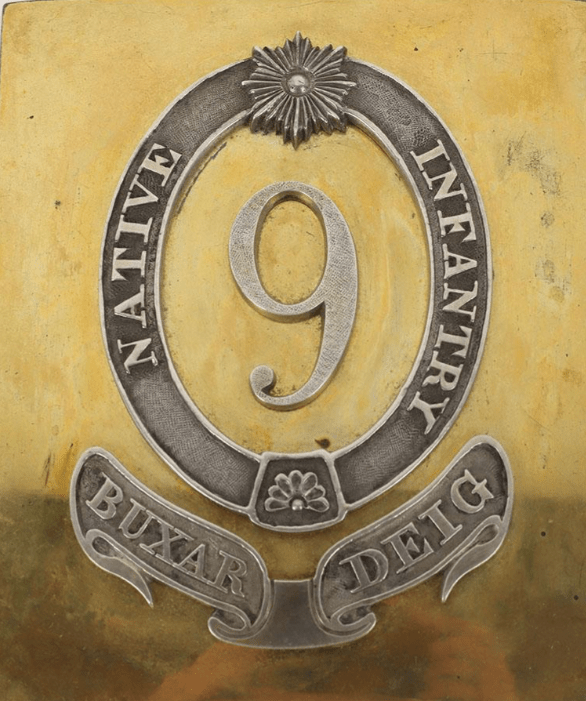
The 9th Regiment of Native Infantry had, before 1857, a long history with battle honours for Buxar and Deig.
1761 raised at Bankypore by Captain Giles Stibbert ranked as 6th Battalion
- 1764 ranked as 1st Battalion
- 1765 posted to the 2nd Brigade
- 1775 renumbered the 8th Battalion of Bengal Native Infantry
- 1781 became the 2nd Regiment of Bengal Native Infantry
- 1784 became the 8th Regiment of Bengal Native Infantry
- 1786 became the 8th Battalion of Bengal Native Infantry
- 1796 became the 1st Battalion 8th Regiment of Bengal Native Infantry
- 1824 became the 9th Regiment of Bengal Native Infantry
In 1861 after the mutiny the title was appointed to the 63rd Regiment of Bengal Native Infantry which later became 9th Gurkha Rifles
On the 15th of February 1841, Cadet Stewart arrived in Calcutta. Within days, he was posted as ensign to the 9th Bengal Infantry, then stationed at Secrole, Benares. His learning at Elgin had not been wasted on the young man and had, at any rate, taught him the “art and pleasure of study,” now made even more appealing by its practical application of mastering languages. He pursued this new goal with unusual zeal. On the professional front, Stewart was known to be a smart and dedicated officer and an intelligent man. In 1844, he became lieutenant while the regiment was stationed in Sukkur in Sind, and, the following year, appointed adjutant to the 9th when the regiment was in Lucknow. In 1846, it returned to Benares.
The 9th Infantry was known as the Jalesar ki Pultan (the regiment of Jalesar, a town in the Etah district). It was under the command of a distinguished soldier and sportsman, (to whom Donald was adjutant), whom his contemporaries designated by the expressive sobriquet, “Tiger Smith.” Stewart impressed everyone with his “happy facility of picking up languages” and barely seven years into his career had passed the interpretership examination with commendably high marks, in Persian and Urdu. He could have applied for any position in India but chose to remain with the 9th, all the while regarded as one of the best interpreters in the Indian Army. Stewart had other reasons to remain with the 9th.
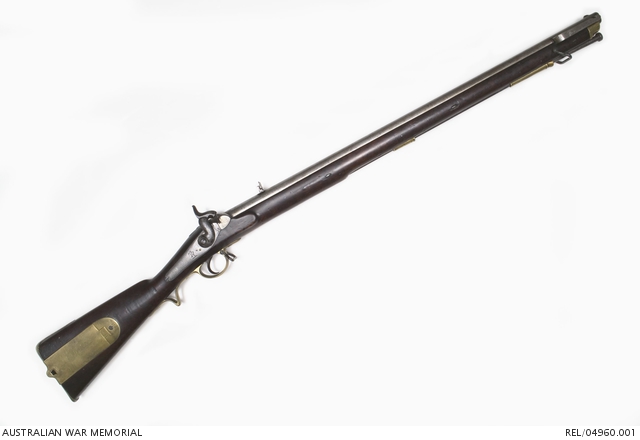
The regiment, “distinguished by its white facings and peculiar clasp which the Sepoys wore on their shoes,” was always the smartest and best-drilled regiment in the service of the EICo. Donald Stewart belonged to the Rifle Company, armed with the Brunswick rifle, and he made sure his men put it to the best of use. For if Stewart liked anything more than learning languages, it was drill. At the time there were no fewer than three Native Infantry regiments stationed in Benares, and to each a parcel of cadets eight to a dozen at a time were forwarded in batches from Calcutta. Stewart took it on himself to whip his lot into shape with the help of the European sergeant-major; it was not long before he had established as something of a martinet when it came to discipline. While he tolerated his young cadets roaming around the countryside in pursuit of jackals, he was undoubtedly less thrilled with their sudden interest in bull-baiting, an animal found in abundance in the streets of the holy city. The local authorities protested and the General commanding the Benares division gave notice that the next cadet caught in this disreputable past-time would be court-martialled, something which Stewart wholeheartedly supported. No one was going to disgrace the 9th Regiment.
When not haranguing cadets and drilling his men, Stewart found a little time to woo the belle of Benares, Marina Dabine, the daughter of Commander Dymock Dabine, R.N. She was far away from paternal eyes and staying with her uncle, Colonel Carpenter, who was holding a political appointment at Benares – it is a little surprising he allowed this young lady of illustrious patronage to marry a near penniless lieutenant in the Bengal Army. But marry they did, and she proved to be as much balm for Stewart’s soul as his bank balance, soon turning his mountain of debts into a positive return. Their union was a long and happy one; after his death in 1900, Lady Marina Stewart was invested with the Order of the Crown of India by Queen Victoria.
Shortly after, the 9th left Bengal and marched to Umballa, from whence they moved to Lahore in 1850, where Stewart resigned his adjutancy for an appointment as interpreter and quarter-master of his regiment. At the end of 1852, they marched further into the Punjab to take up their station in Peshawar. Next to his regular duties, Stewart took over as post-master – yet he had as yet to see a fight. His chance finally came in 1854.
As a consequence of tribal aggressions by the Momunds, Colonel Sydney Cotton led, “for their chastisement,” an expeditionary force mainly of 2 infantry regiments, (the 1st Sikhs and the 9th NI). Stewart went with them. The troops swiftly entered Momund territory at Shah Musa Khel on the left bank of the Cabul River. For the next two days, they destroyed the villages and towers of the errant tribe, through constant skirmishes between Cotton’s troops and the hillmen. The heat – it was August -was intense. Sir Henry Norman was there and left the following account.
“Stewart commanded the Rifle Company of his Regiment, which was employed on the heights, covering the destruction of the villages…the steady way in which Stewart handled his men in the difficult ground under fire, and by the manner in which, when the skirmishers were withdrawn, he marched his men in good order to the riverside, and, piling arms, told the fallout, and drink… the good discipline shown on this occasion impressed me deeply with Stewart’s qualities as an officer.”
General Osbourn Wilkinson, who knew Stewart at Peshawar, would later write, that he was, “Strikingly well-built, a fine, manly young fellow. All looked upon him as a first-rate officer with a clear head and sound judgement, particularly astute. His splendid figure and soldier-like appearance, cheery, confident temperament stamped him as likely leader among men.”
Unfortunately for Stewart, he would have to wait to see active service. Besides the occasional skirmish with the Bussi Khel and Aka Khel Afridis in 1855, the regiment was to miss out on the Sutlej Campaign. Although they marched up to join Lord Gough the war was over by the time they arrived. At the end of the year, their sojourn in the Punjab was over and the regiment was ordered to Aligarh, unbeknownst to them, the final march of the 9th Regiment.
The Mutiny of the 9th Bengal Infantry Regiment
It was also a parting for the Stewarts. They had been fruitful in their happiness, producing four children in less than 10 years and now it was time for the family to go home but without Stewart. On the 31st of December, he saw them off on their voyage down the Indus on riverboats, at Attock. They would travel 700 miles to Karachi from whence they would sail home. Seeing them safely settled, he mounted his horse and rode the 40 miles back to Peshawar alone, as soon as the boats were out of view. What he did not know is that shortly after his wife’s boat struck a rock and his family narrowly escaped drowning in the fast-running waters of the Indus.
While Donald Stewart was undoubtedly an intrepid man, a little word must be spared for his wife. When the boat hit the rocks, she chose not to lose her head. The boatmen managed to row the vessel to the shore, grounding it on a submerged rocky shelf. She remained calm and collected; disregarding her now nearly submerged baggage, Mrs. Stewart picked herself up, and handing the children over one at a time to the boatmen who carried them up the steep bank, she then scrambled up herself. Her first instinct was to write a letter to her husband.
However, Stewart only learned of the accident four days later. His wife, helped by a kindly road engineer and by the other passengers in the four other boats of the convoy (which had escaped the same fate), she quickly found berths for herself and her children in the boat of Mrs Mulcaster, wife of a colonel in the Bengal Cavalry, and continued her journey, non-plussed. Stewart on the other hand, appeared to be more ruffled than his wife.
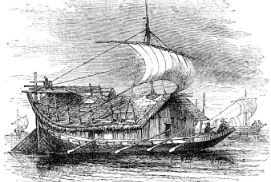
“How thankful we should be at your providential escape! How do the children get on, poor things! I can imagine the scene with them when the boat struck – it must have been heartrending – when you did not know whether you could be of any assistance to them or not…” On the 10th of January, Stewart promised his wife he would ride over to Attock to see the Munshi and “find out from him all the particulars of your mishap and likewise convince myself that your arrangements were as comfortable as circumstances would admit. I cannot even now realise to myself the danger that you all escaped through God’s mercy.” He also wanted to get a hold of the boatmen.
While his family was slowly meandering down the waterways, each bend taking them further away, Donald Stewart was marching with his regiment to Aligarh. On the 10th of January, they were encamped outside Attock and by the 26th they had arrived in Camp Goojerat, described by Stewart as an “awfully dull and stupid camp.” The march would continue, via Lahore Ferozepore, Ludhiana – when the loneliness of his situation began to hit, he implored his wife to speak often of him to the children, “as I should not like them to forget me just yet…” The regiment proceeded from Ambala to Meerut where they arrived in the 2nd week of March. Here Stewart would find himself still, in April, while the authorities decided where they really wanted to send the 9th. Initially, it was thought they could remain in Meerut but indecision led to uncertainty and Stewart still did not know if they would be sent to Delhi or Aligarh. Yet on the 3rd of April, he wrote to his wife,
“We are awfully disgusted at hearing this morning that we are to go to Aligurh after all…There is not a soul who is glad at the change.” However, what Stewart did not know was that in a year’s time, Meerut would be the last place he would have wanted to be. It was now 1856. By the end of April, they were at their station and Stewart was complaining.
“I have been appointed to the lucrative post of Station Staff, for which I am to get the enormous sum of 20 rupees a month. I am glad, however, as it gives me something to do in this dull place…” By the 11th of May, Stewart was wishing himself on fairer shores, “an adjutancy of Militia is not a bad thing.” When his family arrived home finally in June, Stewart took a few weeks’ leave which he spent visiting friends in Hansi. Then he went back to Aligarh to kick up his heels in the most impossible station on earth. The usual routine of drills and parades went on, his social life never varied in this small, dull upcountry station. That is, until May 1857.
There is no indication that Stewart doubted his regiment. The 9th was famous for its discipline, the officers were well-liked and the men had shown no open signs of disaffection. If they planned to murder them in their beds, Stewart surely would have known. For some days after the outbreak at Meerut, it was still hoped the 9th would hold fast. The native officers continued to make “profuse protestations of loyalty,” and the 9th arrested and disarmed several rebel Sepoys who were making off for their homes. The native officers even brought in a regimental pundit who they said was sowing sedition among the men. He was tried by a mixed court-martial of Europeans and Indians, found guilty and hung, on the 20th of May.
As we have already covered the mutiny at Aligarh, readers who would now like to read about the rebellion in Aligarh may proceed to “The North-Western Povinces” . Needless to say, the hanging prompted the fine, disciplined 9th Regiment to throw off their loyalty and mutiny. Stewart was right about one thing, though. In a letter to his wife on the 14th of May, he wrote,
“I am thankful to say the 9th has as yet behaved splendidly, but what they would do in the event of an overpowering force of their mutinous brethren appearing among them, I know not. I feel confident, however, that they will not, under any circumstances, allow a European to be maltreated..” Aligarh, it would turn out, was one of the few stations where the mutineers did not murder their officers. However, as news trickled in from other stations, even Stewart started to doubt his regiment. Writing about the atrocities at Meerut and Delhi, he notes, “It makes one shudder to think of such horrible doings, I, till now, thought the Sepoys would not permit their officers to be butchered, but I have lost my faith in some measure…”
We shall now pick up the story of Captain Stewart, his regiment gone, along with it his employment. He succeeded in leaving Aligarh with the other officers unscathed, and on the 24th of May, we find him in Hathras.
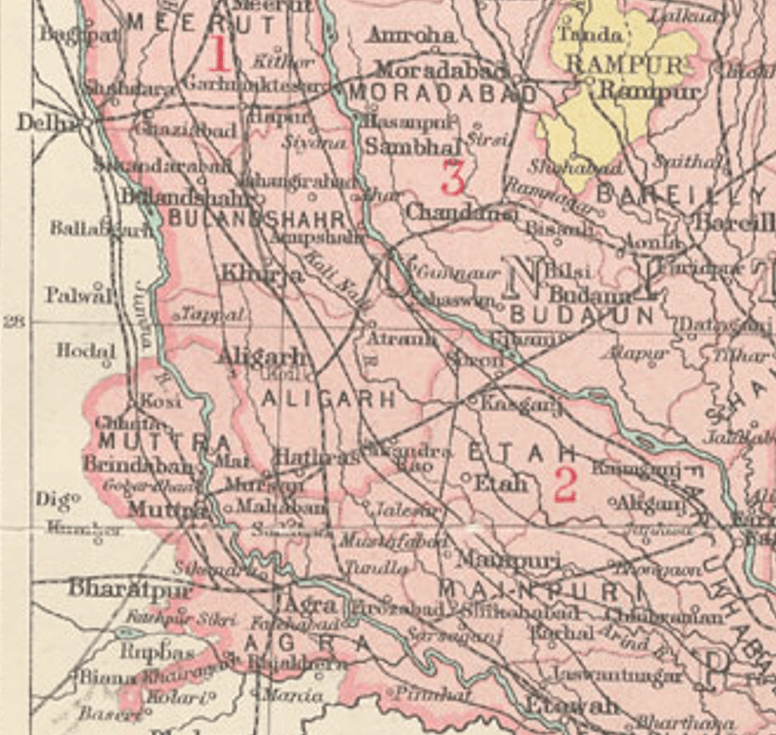
At Hathras were 14 European officers of various regiments – the rising in Aligarh had had swift consequences for the neighbouring stations of Mainpuri, Etah and Bulandshahr; Etawah would soon be untenable. Stewart, however, hoped he would soon be back in Aligarh. They were waiting, with a detachment of the Gwalior Cavalry, until arrangements could be made “for completing our detachment to the required strength,”– at this point, Stewart still believed Delhi would fall in a matter of days and European troops would be sent to secure the city. Although he had little faith in the government, there was still some hope, as long as no more regiments mutinied. As for the mutiny in Aligarh, Stewart wrote to his wife,
“We left parade about sunset, the time the corps broke out into open mutiny, and the uniform on our backs was all we saved of our property. We dared not return to our bungalows as the Sepoys there would have murdered us. The pay havildar of the 9th company – why, I know not – gave out that he would shoot me if he had an opportunity. This sad blow has ruined me and I shall not be unable to go home…” and things had been worse at Hathras.
“Half the corps mutinied when we were in an upstairs room eating our dinner and marched quietly out of camp. At first, we thought they would fight, and we were prepared for them. We should have held out for a short time but must ultimately have been killed, as we had no means of escape. Without finishing dinner, however, we and what remained of the Cavalry, packed up and marched off towards Agra.”
Stewart and Greathed remained at Agra for one week – enough time to join a small body of Volunteer Cavalry and ride back to Aligarh. They were hardly a formidable force – forty Europeans with no military experience and 2 officers, one of whom, Wilberforce Greathed, was with the Engineers. On the 26th of May, the small corps under Lieutenant Greathed reached Khandauli and then went on to Hathras, where they managed to rescue Messrs. Booth, Saunders and a few others who had found refuge in the Malon indigo factory. On the same day, they then proceeded to Aligarh. Mr. Watson, the collector, assumed charge of the district. With the help of the volunteers, he opened up communications with Bulandshahr and Meerut. Some degree of order was maintained, and much plundered property was returned through fear of punishment rather than goodwill. As long as there was no outward sign of trouble at the station, Stewart and Greathed tried to salvage some of the lost property. It was not bountiful pickings.
“I have recovered my new gun, a mare, and a small bundle of cold-weather clothes, but my uniform, plate, and everything else is gone. Rs.5000 would not cover my losses. A great deal of money in my charge was taken by the Sepoys, and drafts, to the extent of Rs.2000, were burnt with my house…I am so sorry I did not sell my silver long ago, but who thought an outbreak of this sort would ever occur?”
Their stay in Aligarh was soon over. Early in June, they were driven off by a mutineer force from Lucknow – the 7th Cavalry, a part of the 48th and 71st BNI – marched into the station and took it over. Stewart’s idea of holding the station and keeping peace in the district with 40 men was over. However, instead of cutting his losses and throwing in his lot with the squabbling mess that was Agra Fort, Stewart decided he would get a “first-rate horse” and ride to Delhi.
The Ride to Delhi
It was not on a whim that Captain Stewart, late of the 9th Regiment, chose to ride to a city he knew full well was under siege and that his faithful corps had but recently swelled the numbers behind the city walls. His idea was built on a need to leave Agra and join the army before Delhi. He knew perfectly well the enterprise was nearly hopeless and he would not be able to return. However, he could not remain in Agra where months of inactivity started him in the face.
Greathed had left the command of the volunteers in his hands when he had to proceed to Meerut. Shortly after, Stewart ran afoul of Mr. Watson, and he was “unable to submit to the conditions under which I was placed, by circumstances over which I had no real control.”
However, we must leave a little leeway for Watson. His determination to hold Aligarh was admirable. On the 1st of June, he rode by night to Khair with the volunteers, where Rao Bopal Singh had deposed the rightful tahsildar and proclaimed his own Rajput government. Posting vedettes to prevent the rebels from escaping, Watson then rode through the town, entered the tahsil and promptly arrested Bhopal Singh with 16 of his men. Singh was hanged, and Watson returned unmolested to Aligarh. Not that it saved Khair, which would once again be beset at the middle of the month and reduced to ashes by the Chauhans of Khair, aided by the Tappal Jats and the tahsildar was once again forced to flee.
Watson conducted punitive raids on “refractory villages” with some success, keeping Coel and the surrounding area in reasonable order. After he was forced to retire from Aligarh, Watson did not return to Agra. Although he was no longer in the city itself, he intended to make the lives of the mutineers passing up the Grand Trunk Road just slightly less easy. As he could not meet them in an open fight, Watson would attack the advanced guard and then retreat to any strong position from which the rebels were unable to dislodge them. The punishing work told on his little force and it would be further reduced on the 21st of June when most of the volunteers were recalled to Agra, leaving Watson with 11 men. Finding his position untenable, he retired to the abandoned indigo factory of Madrak from whence he continued his expeditions against rebellious villages.
By this time, however, Stewart was on his way to Delhi.
On the 14th of June, during their meeting, where Stewart presented his idea and Colvin informed him he had a packet of despatches from the Government of India to the Commander-in-Chief who was understood to be before Delhi. It was not felt that this enterprise would be met with any success, but Stewart was going anyway.
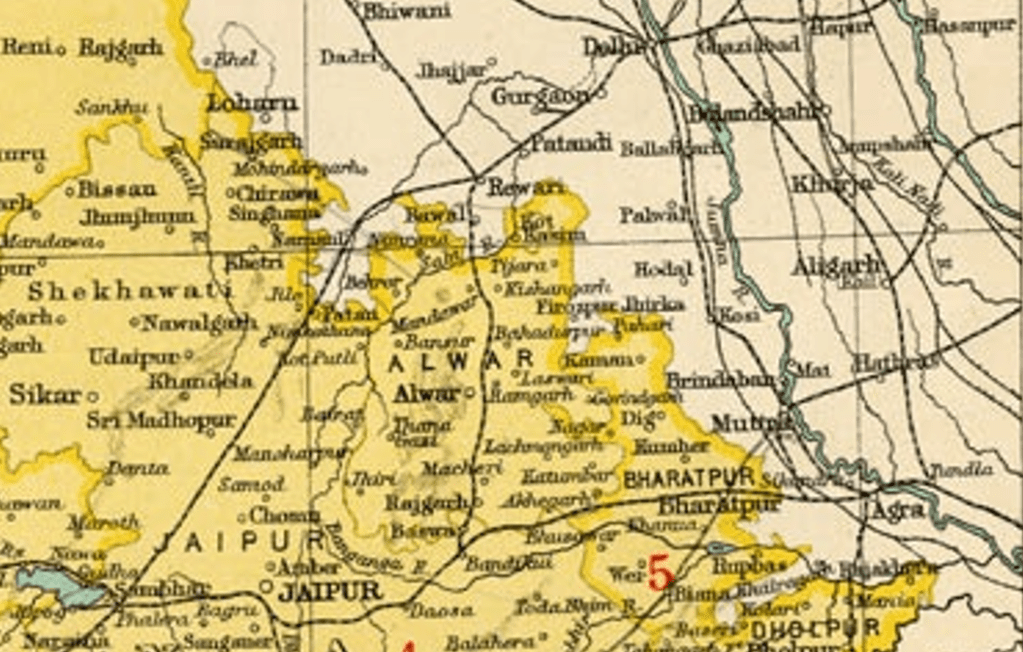
He discussed his plans with William Muir and Captain Nixon – Stewart wanted to take a direct approach, get to Meerut via Khoorja and Bulandshahr before proceeding to Delhi. It was well known that parties of rebels had recently occupied Khoorja and were in charge of the roads leading there, but Stewart believed he could find his way across open country and avoid the main roads. Colvin and the others thought if he went via Muttra, they could guarantee his safety as far as Hodal. They knew from intelligence that a large body of troops from Jaipur were encamped near Pulwal in the Gurgaon district. He agreed their plan certainly had merit, and he would do as they suggested.
With his route thus settled, Stewart went about finding a horse. As he had taken a mail cart from Aligarh to Agra, his horse had remained behind – Captain Nixon offered him one of his, and Stewart was able to purchase a saddle and bridle from a friend in Agra. On the 17th of June at dusk, he prepared to leave. Government House, Colvin impressed on him that,
“…I was not going under his order, or indeed by the order of any official superior; that my proceedings were of a voluntary character; and that the Government would not be responsible for the consequences. I fully admitted that my purpose was to get to the army before Delhi, that I was at the time under no one’s orders, and that the responsibility for what I had undertaken rested upon myself and upon no one else. Upon this understanding, the Government despatches were placed in my hands, and I proceeded on my way.”
Besides the despatches, Stewart was carrying letters of introduction to a native in the city of Muttra, another to the tehsildar of Kosi and to Captain Eden, the Resident of Jaipur, then with the troops near Palwal. Then, riding as fast as his horse could carry him, Stewart rode down the road to Muttra, passing straggling bodies of armed men on their way to Delhi. The darkness of the night and the speed of his horse surprised men who obligingly moved aside; no one tried to stop him. In three hours, he found himself in Muttra. The town was lit up and full of people but no one took any notice of him. Here, he stayed for the night under the roof of a local official who was none too pleased to see him.
His host’s countenance changed considerably when Stewart told him he was leaving in the morning. Unfortunately, that departure was delayed as the horse had cast a shoe – a hurried search for a blacksmith to replace the lost shoe delayed his departure until well after daybreak. His host provided Stewart with two sowars from the Bhurtpore Raja – “cut-throat looking men” who Stewart, though disinclined to accept their services, thanked his host profusely for and left Muttra with them by his side. Stewart soon found that without them, he would have been hopelessly lost, not having traversed this part of the country in 15 years – but they knew their way through the meandering roads and paths. Suddenly, after 16 miles, his exhausted horse dropped to the ground and rolled Stewart in the dust. Upon seeing this, his two companions roared with laughter, turned their horses and rode away, leaving Stewart on the ground. Though not dead, it was impossible to ride a horse in her condition – Stewart removed the saddle and bridle and walked to the next village, dragging the horse with him.
It was not the best of starts. The villagers refused to help, but they did take care of the horse, which they later sent back to Agra. For Stewart, they had nothing – so he helped himself to a donkey. Thus mounted, he rode to Hodal, where he arrived at sunset. On the road no one had paid him any attention – villagers were more interested in protecting what little property they had from marauding bands of robbers and wandering rebels than to pay heed to a single man on a donkey.
At Hodal, the tehsildar greeted him courteously but said the town was in great excitement over his appearance – while he would help if he could, he was not responsible for Stewart’s safety. Realising he would have no rest on this night, Stewart told the tehsildar he would like to move on but he didn’t have a horse. The man quickly offered up his and just as courteously shooed Stewart out of Hodal as soon as it was dark.
To satisfy himself he was not being followed, Stewart retraced his steps for a few miles back to Muttra. He then cut across the country to the railway embankment, which he knew went in a direct line to Delhi. It would still be some time before the railway would be complete but for now, the work that had been done served Stewart’s purpose. Throughout the night, he met no one. It was as if the entire countryside was empty.
At daybreak, he left the embankment for the road and arrived at the Jaipur camp before breakfast. Captain Eden was a most amiable host. He had with him the Wazir (prime minister) of Jaipur who, upon understanding the nature of Stewat’s mission, offered him an escort as far as the Ridge. However, for the next seven days, the escort was not forthcoming, and finally, Stewart had to admit that either the Wazir could not or would not give him any men. He then “retrograded about 20 miles” and found himself with the Jaipur troops at a camp near Hodal. It was the 26th of June.
“One hundred and fifty sowars refused to escort me because they said the party was not strong enough; in fact, they are a set of arrant cowards. I would willingly make the attempt with ten horsemen, but it would now be hopeless to expect any assistance from them.”
Besides Eden and Stewart, there were other Europeans in the camp, all fugitives. Mr Harvey, Commissioner of Agra, with his two assistants, Lieutenant Jenkins of the 44th, and Lieutenant Goldsworthy of the 72nd; Mr. Ford, Collector of Gurgaon until he was forced to flee; Messrs Michel and Le Meusurier, both of the railway department; and Mr. Kitchen, attached to the salt department. Like Stewart, they had nothing in the way of possessions – bereft of cutlery, they asked a blacksmith to make some, but he could only provide them with iron spoons. With nothing in the way of baggage, Stewart was obliged to wear his only spare set of clothes while the other was being washed. Meanwhile, Harvey tried his best to dissuade Stewart from going to Delhi.
Now more restless than ever, Stewart set about collecting his own escort. He managed to find a few sowars of one of the Oudh Irregular Corps. “I have confidence in them and will gladly put myself in their hands.” He then persuaded Mr. Ford to come along – the man had two excellent horses. Since he could not ride both of them and was loath to leave one behind, it was a good plan.
On the day they planned to leave, the next mutiny occurred, this time in the Jaipur troops. Despite his best efforts, Eden had not been able to keep the Sepoys staunch – three of the Jaipur sepoy regiments marched off in a body from the camp to join their brethren in Delhi. Fortunately, the state troops remained loyal, much to the relief of their European officers. The troops were some 6 thousand strong with eight guns – it would have gone badly for Eden and the others if they had suddenly changed their minds.
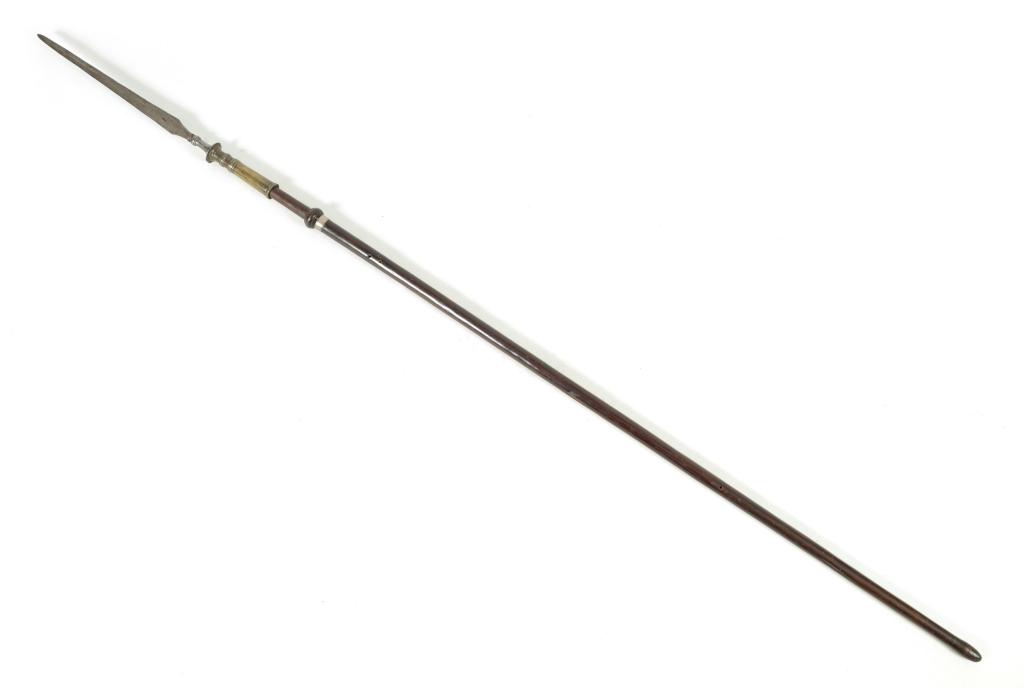
The day after the mutiny, Mr. Ford and Captain Stewart started for Delhi. With them went Mr. Kitchen, a native officer of the 2nd Oudh Cavalry Regiment named Mir Mendi Zumma and a horseman belonging to the Jhujur State, who carried “the longest lance” Stewart had ever seen. Towards sunset, they set off back to Palwal. By riding with a caravan of Rewarri camels, they managed to access the walled city without anyone noticing. Mr. Ford immediately sent for the chief officer of police or Kotwal and asked him for food. As at Hodal, Stewart heard the same words. The kotwal provided the men with bread and milk but declined to offer them any protection – there was a regiment of mutineer infantry in the town, he said, and if they got wind of their presence, he could not be held responsible for the consequences. They should, in his estimation, leave Palwal as quickly as possible. Stewart, after eating, could not help taking a stroll close to the camp of the mutinied regiment – they were, as far as he could ascertain, men from Gwalior.
When the town of Palwal was finally dark and its inhabitants slumbering, the Kotwal smuggled the men out of the walls and put them on the road to Gurgaon. The ride continued through the night, peaceably enough, until dawn.
In the gathering light, the party was set upon by a band of robbers.
“There was about a dozen of them; one made for me, and I promptly brought my revolver to bear upon him. I don’t think he was 10 yards from me, was yet I missed him clean. Fortunately for me, the Jhuju sowar with the long spear was behind me and pinned my assailant neatly before he got within arm’s length of me. Since that day, I have not placed much faith in the revolver. On the fall of my antagonist, the others took to their heels and disappeared with magical rapidity. “
It would prove to be an exciting morning.
“A short time after this we were somewhat dismayed a observing a large body of men, moving parallel to us, an evidently making for the same point as ourselves, as pass in the Mewattic hills, near the Begum Sumroo’s old fort of Badshapore. These people evidently observed us about the same time, and three horsemen from the body came to overhaul us. When they came within 200 or 300 yards of us, they waved their pennons, and, shouting, ” Deen — deen,” made an attempt to charge us. Ford and I and our spearman went for them with a will, or apparent will, and they promptly turned tail and never looked behind them. When they were well on the run we turned and went on to our destination as fast as the men on foot (the syces)’could go. When we reached the pass, we found it lined on both sides with armed men, belonging to the neighbouring villages, who had turned out to protect themselves and their property from the mutineers, who were pouring from all quarters into Delhi.”
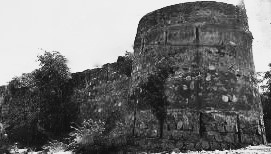
The men rested during the heat of the day within the walls of the fort. Towards evening, a group of men came to pay their respects to Ford and asked if they could do anything for them. They were a little taken aback when Ford requested a guide to take him to Delhi Ridge. Their answer was evasive. “They said they were men of peace and could not possibly leave their village in times like these — that the country was very unsafe for travellers and that we had better make a tour by daylight and find our own way, etc., etc.” With this, they left.
Only one man stepped forward and said he would take them. Though his appearance spoke against him, his offer was accepted – he said he would return shortly and withdrew. Meanwhile, the other men returned – they had much to say about the guide. He was Jumna Das, a notorious cattle-lifter and most probably the man who had set fire to Ford’s katcheri in Gurgaon. His motives were not mutiny or indeed anything sinister as such; he just didn’t want the records of his lastest offence to remain on this earth. Mr. Ford vaguely recalled the case but all he could remember was that Das had been suspected of cattle lifting but nothing more. He could not remember reading any sinister about the man.
The men further said they believed Das would lead them into an ambush and they would thence be shot. Stewart stepped forward. It was all well and good coming with warnings and predictions but would any of them lead the way to Delhi? “Their answer was a low salaam, and with that, they disappeared in a body.”
Jumna Das showed up at the appointed time, and they rode off. In two hours, they arrived in Gurgaon. The unsuspecting Jumna Das called a halt – only briefly, he said, no more than 15 minutes. He wanted to go and tell his family that he would be absent all night. The party halted in an open field, well away from the walls and buildings of the station and waited. In less than a half hour, Jumna Das returned. It all went well until,
“When we were making our way through a thick jungle, we missed our guide for a moment in a very mysterious way. The little party halted, and all we could do was to spread out and go back on our track. Very soon, we came upon our friend, who had got off his horse and was tightening the saddle girths. The proceeding seemed suspicious to persons who every moment expected something unusual to occur….” Now somewhat more suspicious of their sudden guide, Stewart asked Ford to keep his pistol ready and “empty it into the guide’s body on the first appearance of treachery.”
With the moon lighting their way, Jumna Das noticed that Stewart and Ford, who were riding on either side of him, were both holding their pistols in their hands. Probably thinking the men were expecting trouble, he said nothing but, “but with flint and steel lighted the match of his own weapon, an antiquated matchlock…” Little did Jumna Das suspect that Stewart was expecting he would have him.
Before dawn, they arrived in the vicinity of Delhi. In the distance, they could see the occasional shell bursting over the city – they rode onwards to the Hansi Road, where Jumna Das stopped. He could take them no further, he said. He refused any reward but hoped that when the country was settled, they would remember “the little service he had been able to do for us.”
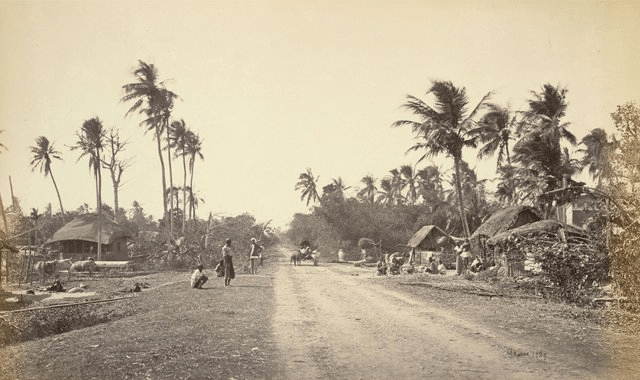
Ford gave him a written affidavit on a small scrap of paper and they thanked him “great sincerity.” While his services were brought forward to the government, the thanks he received from that erstwhile body, was in Stewart’s estimation, hardly adequate.
The party remained where Jumna Das had left them, waiting for daylight. As soon as the people in the nearby village became aware of them, Stewart approached them, holding in one hand a “pile of rupees” which he said he would give to any man who would lead them into the camp. A young man stepped forward – he would not, he said, venture onto the Ridge, but he could take them to the nearest picquet in the rear of the camp. They crossed the canal, and in less than an hour, they were on the Ridge. Stewart delivered the despatches and reported himself for duty.
Stewart further notes,
“Mr Ford got the C.S.I., the jemadar, Mir Mendi Zumma, was promoted to regular and received a considerable grant of land; and two of his nephews, who were duffers, were made native officers. For myself, the authorities never even acknowledged the receipt of my very brief report.” As for Jumna Das, Stewart did what he could for him and his relations, but his family had enemies in the district powerful enough to thwart Stewart’s best efforts. He could never figure out why Jumna Das had volunteered as their guide.
We will meet Stewart again as he fights his way through the Oudh and Rohilkhand campaigns. For now, we shall leave him, toil-worn, on the Delhi Ridge, where he arrived on the 29th of June.
Sources:
Elsmie, G. R. Field Marshal Sir Donald Stewart, G.C.B., G.C.S.I., C.I.E.: An Account of His Life, Mainly in His Own Words. London: John Murray, 1903.
Nevill, H. R. Aligarh: A Gazetteer. Vol. VI of the District Gazetteers of the United Provinces of Agra and Oudh. Allahabad: Government Press, 1909.
Roberts, Frederick Sleigh. Forty-One Years in India: From Subaltern to Commander-in-Chief. London: Richard Bentley and Son, 1897
Links:
https://wiki.fibis.org/w/9th_Regiment_of_Bengal_Native_Infantry
 Mutiny Reflections