The “apprehension of disturbances in Bihar,” according to Kaye, «was by no means the growth of the creative powers of an excited imagination.“ As early as June, Lord Canning had been warned that there was a danger in the mutinous sepoys who would most likely be returning to their homes in those districts, but no one was listening.
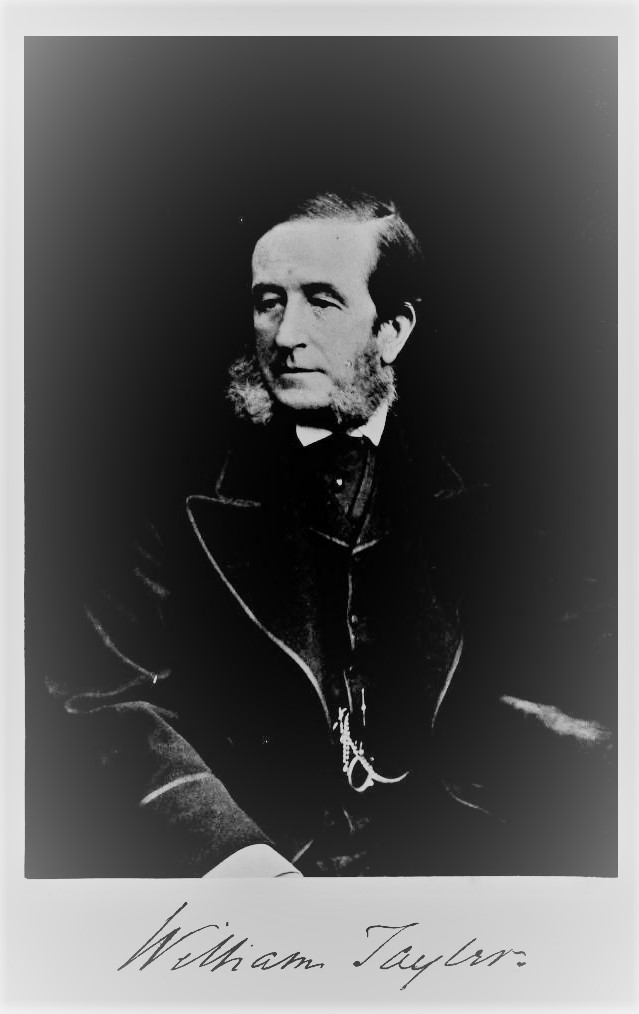
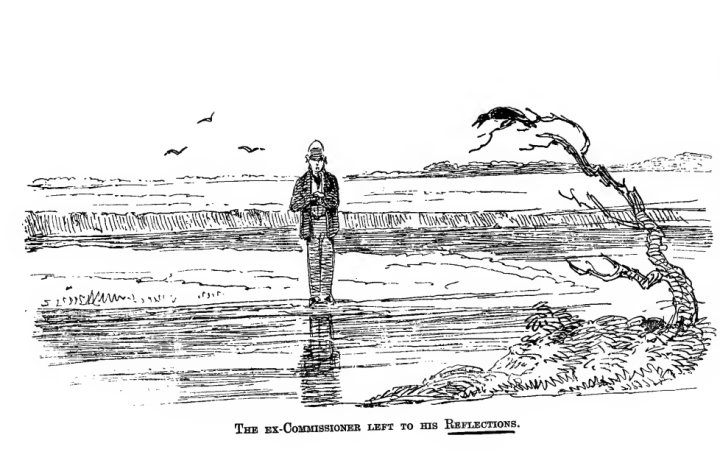
At Patna, the station which held the largest stores of indigo and opium that the EICo had in the Bengal Presidency, Mr William Tayler was warning of trouble, but his warnings went unheeded. Instead, he was belittled, called a conspirator and worse, considered a menace. He took matters into his own hands to secure Patna, but it would be at the cost of his career.
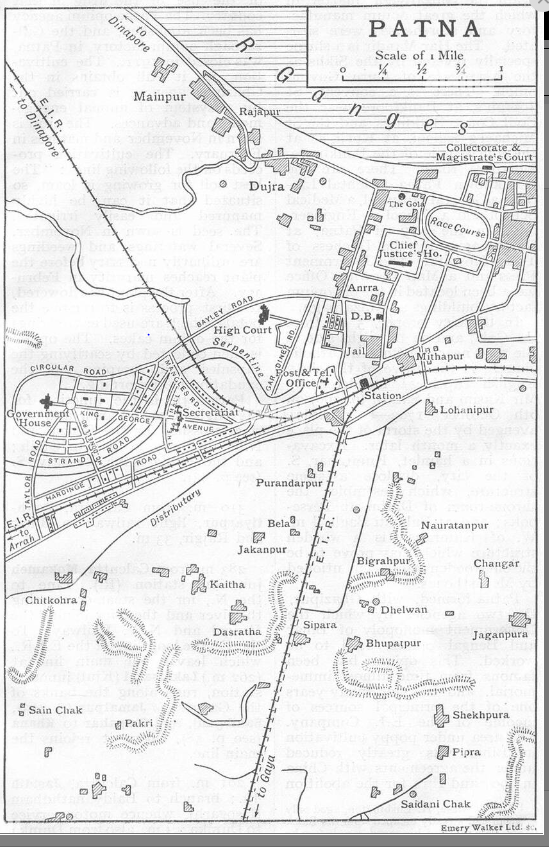
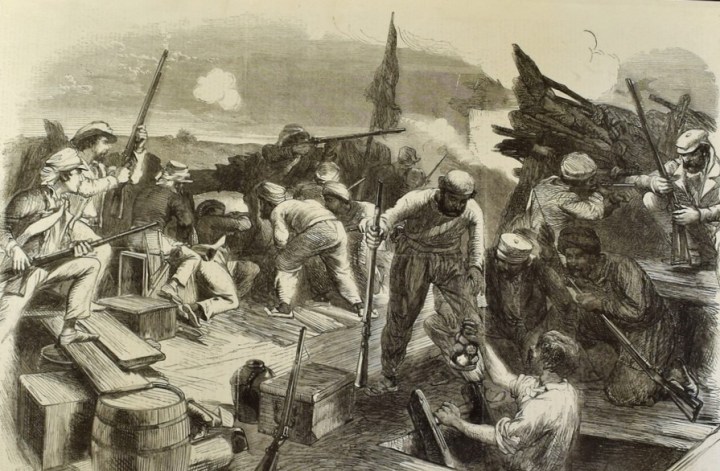
There would be two mutinies of note in the early months of 1857 in Bihar – at Sagauli and at Dinapore. Sagauli would be noted for its violence, and Dinapore for its incompetence. Bihar was not bereft of European troops – the military station of Dinapore was full of them. However, their station commander, Brigadier Lloyd, had grown old in the service, and long years in the sun had clouded his judgement. His misdeeds would cost the British dearly when the Bengal troops mutinied at Dinapore. The bungling of Lloyd would have serious repercussions at a small station called Aarah, which stood on the edges of the Jagdispur jungles. From these very jungles would come one of the mutiny’s bravest and smartest leaders, a discontented landowner named Kunwar Singh. He would take the Dinapore rebels under his wing and, together with his own followers, would attack Arrah and all but destroy a relief force under Captain Dunbar.
The disaster should have been complete, and Arrah destroyed; however, the British did have someone on hand who could think circles around Lloyd. By clearly ignoring him, Major Eyre would relieve Arrah and chase Kunwar Singh out of Jagdispur.
This was by far not the end of the mutiny in Bihar, but after Eyre’s victory, it would be months before the rebels were able to regain their lost ground. In the meantime, the scene would shift towards the Santal Parganas, where a murderous assault at a station called Rohini would cause consternation, and by October, it would shift again to Chota Nagpur. The Battle of Chatra would once again show the rebels that underestimating the British was a very bad idea.
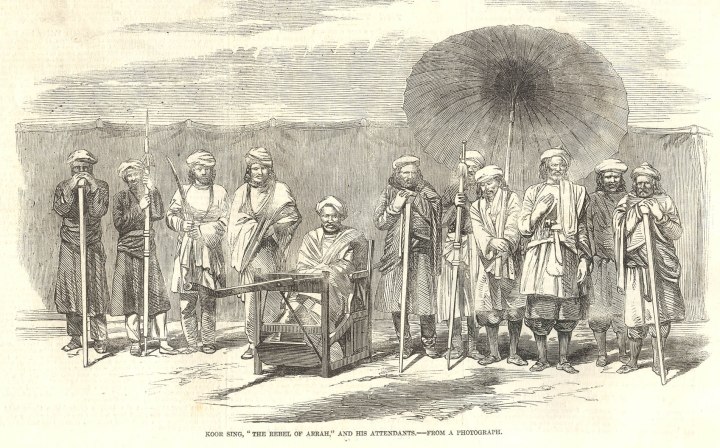
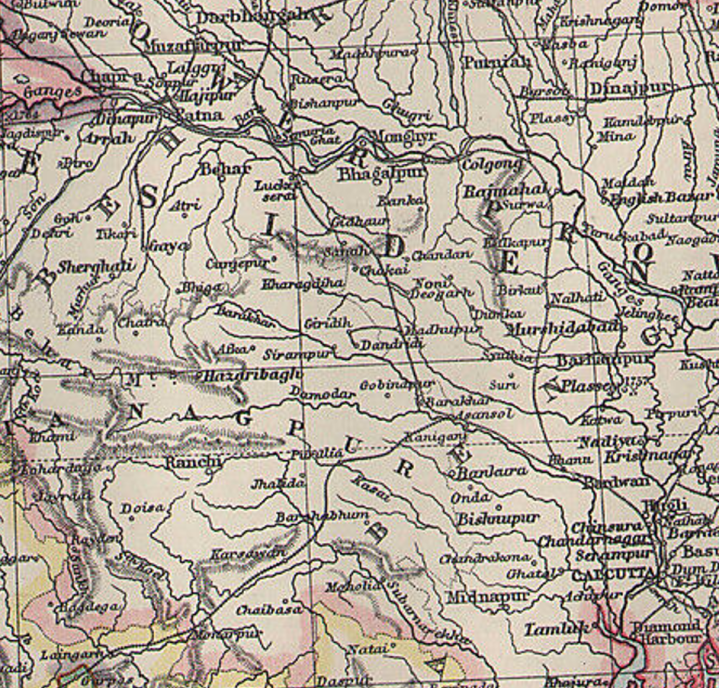
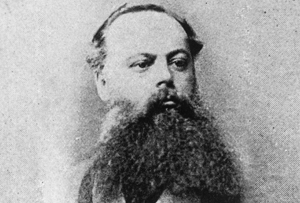
1858 would open with the return of Kunwar Singh to Bihar. His presence in the districts had caused plenty of consternation ever since his eviction from Jagdispur, but thwarted by the British and rejected by local rulers, he had never gained enough momentum to bring his forces before Delhi. However, he certainly gave the British a good run around. The Sarun Field Force had given the rebels a hasty awakening at Amora, but Rowcroft was unable to follow up his victory, and the rebels were still able, from the stronghold at Belwa, to detach a considerable force to the south-east, gathering up, during their march, the troops that had been dispersed by Brigadier Franks and the Jaunpore Field Force. Thus reinforced, they effected a juncture with Kunwar Singh at Atraolia on the 17th of March. Their destination was Azamgarh. From here, Kunwar Singh would be followed by the British back to Bihar but it would not be without grave mistakes on the part of the British and terrible losses on both sides.
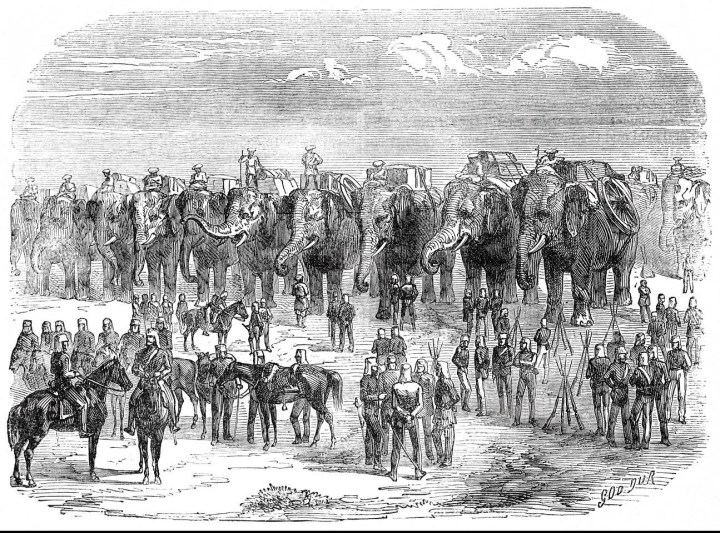
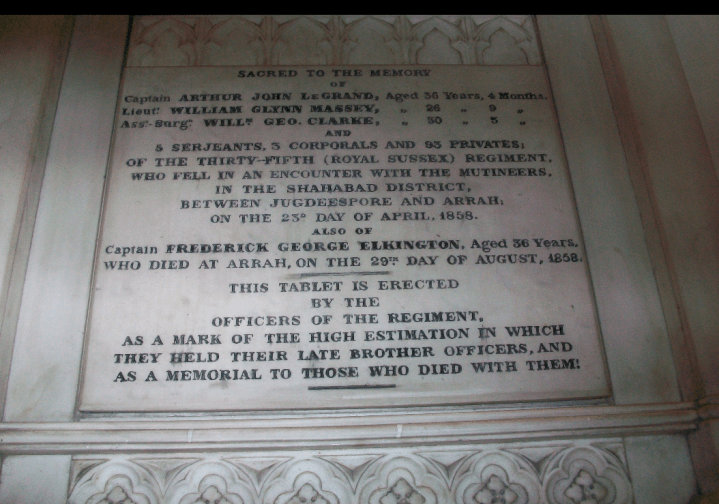
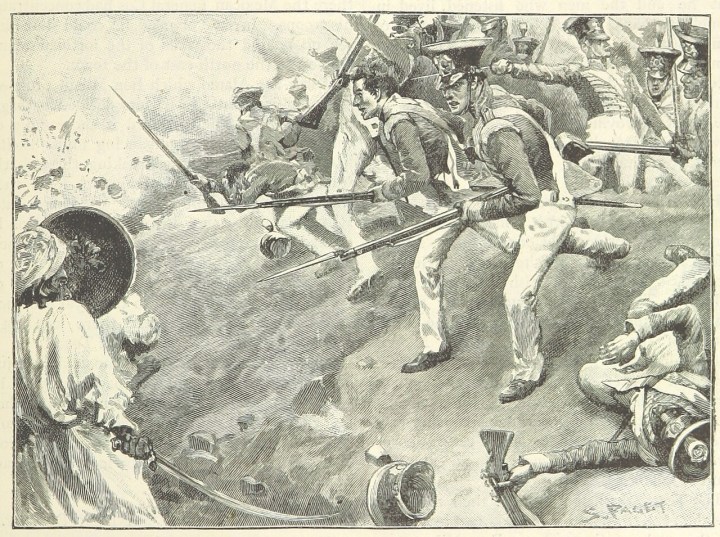
The campaign against Kunwar Singh ended in the jungles of Jagdispur. The rainy season forced the British to halt their operations in Bihar, but it would not be without consequences.
 Mutiny Reflections