Although it can be said that the men for the crisis had mastered the initial stages of the mutiny in the Punjab, it was hardly the end of the insurrection.
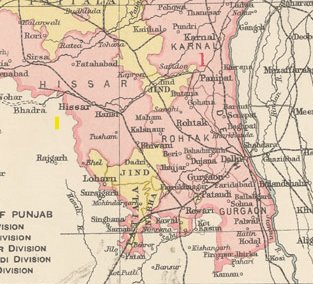
Collectors, who had been hastened back to their posts, found the people they were supposed to be collecting from were reluctant to pay their revenue, and they had very little means to force them to do so. It was not so much about the revenue itself, but more about the British presenting themselves as a dominant force – insubordination would be punished to prove to anyone that they were still very much in power. One such expedition was launched early on, in July 1857, while the mutiny was still cutting its teeth. As it does not make its way into the regular history books but hides in dispatches, it shows that even Kaye and Malleson were reluctant to make a show of it. Lieutenant Hughes would take the 1st Punjab Cavalry from Karnal to the town of Bulleh on 14 July. The measures taken had certainly been draconian, but doubtlessly, Sir John Lawrence approved.
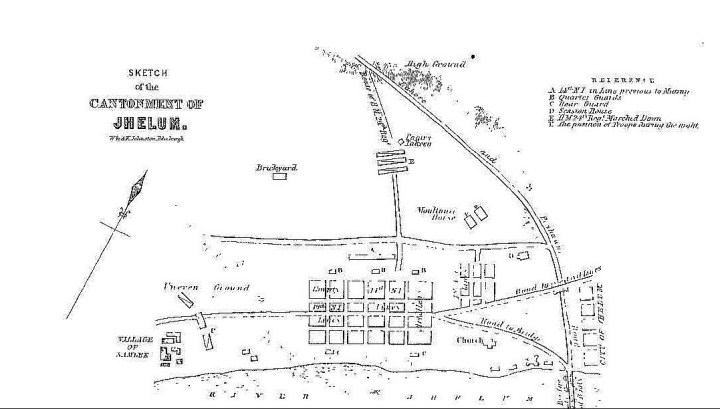
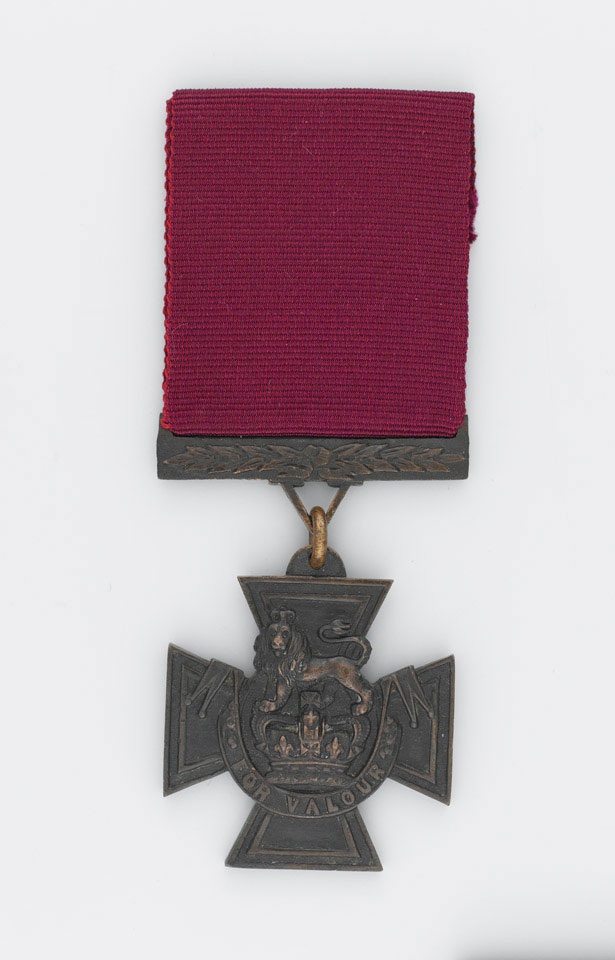
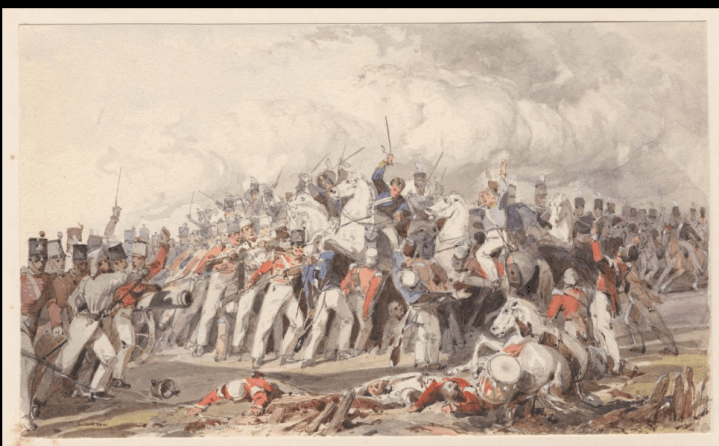
Meanwhile, Lawrence was pursuing his policy of disarming regiments – at Rawalpindi, things would go more or less to plan; at Jhelum, the opinions of the 14th BNI differed vastly from those of their officers. In the battle that followed, Gunner William Connolly would find himself as a recipient of a Victoria Cross.
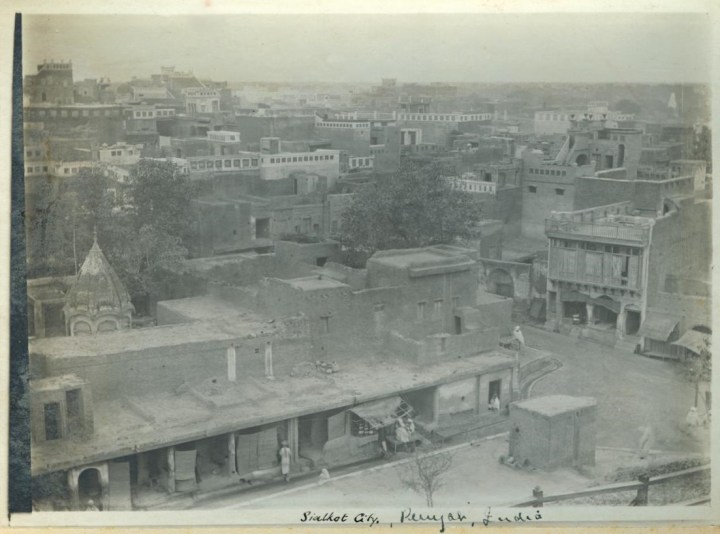
The next station to face mutiny in the Punjab would be Sialkote, a direct consequence of the events at Jhelum. Instead of attacking their officers during the day, the mutiny broke out at 4 in the morning. In the confusion and mess that followed, Sialkote would be destroyed, and the mutineers would make good their escape. However, luck would not be on their side, and they would be thwarted from convincing others to join their ranks by quick-thinking civilians such as Major Reynell Taylor. Things would then go from bad to worse for the Sialkote Brigade as they were now fashioned, who would meet their end at a final battle at Trimmu Ghat, where they would learn what John Nicholson meant when he said, “The Punishment for Mutiny is Death.”
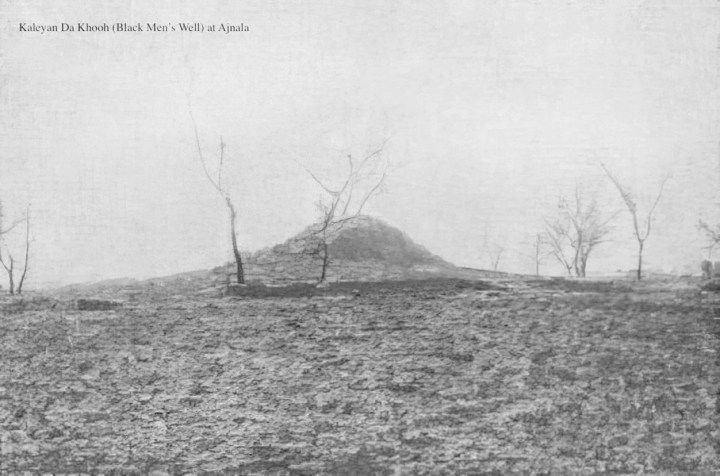
While it is debatable if Nicholson’s actions at Trimmu Ghat were justifiable, it can at least be said that the Sialkote Brigade went out fighting. Not so the 26th BNI, whose greatest misfortune was to meet a man named Frederick Cooper, a man who should never have been unleashed in the Punjab, much less anywhere else in the world. His barbarity made even the EICo blush and caused outrage in the House of Parliament.

For now, we leave the Punjab, and readers are at liberty to follow John Nicholson to Delhi.
 Mutiny Reflections