Lieutenant Walker and the Ensigns
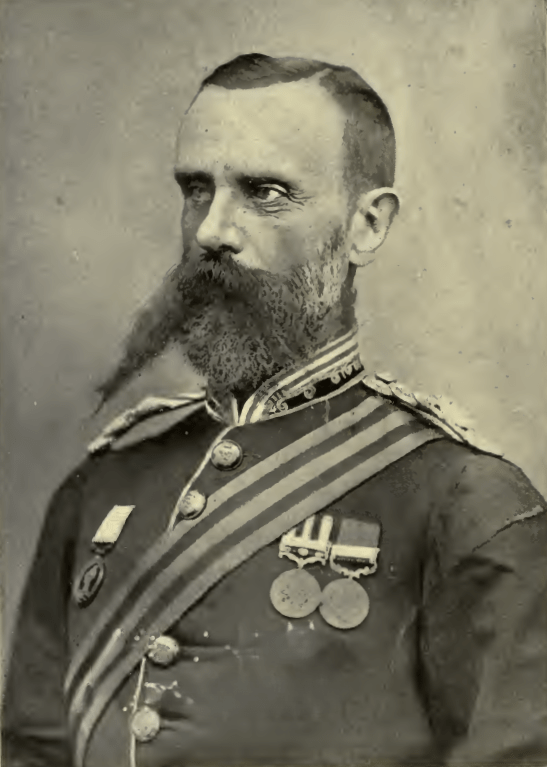
Their shooting for the day done, the five men started their way back to camp. Without any warning, they were startled by the appearance of a few bandsmen of the 60th, tearing their way through the jungle towards Walker and the ensigns. The regiment had mutinied, they breathlessly told the lieutenant, and all the officers were dead. A party of mutineers was on their tail, and they would certainly cut them to shreds if they didn’t ride for their lives. Moments later, a few more men appeared and affirmed what the bandsmen had said.
Idleness can serve its purpose, and the young men had spent much of their time in camp poring over the maps of the Rohtak area – mostly to ascertain where the best hunting could be found – and now their diligent study of the topography would serve them well. Cutting across the country, they set their sights on Delhi. Curiously, Walker believes Seaton was in fact talking to a few loyal native officers when Walker suddenly decided to proceed to Delhi ahead of him, which does not come to light in Seaton’s narrative. What we have here, then, is Seaton waiting for two hours for Walker to turn up, which is corroborated by Shebbeare, but Walker states he met Seaton and the other officers on the road. There is some truth to that – at one point during the night, Walker mistook Seaton’s party for rebel cavalry!
As such, the road was dusty, and the heat was horrible – no rain had fallen for months, and soon both man and beast were so thirsty they felt they had to stop. Unfortunately, the inhabitants Walker came across were neither friendly nor forthcoming, and they “freely expressed their hatred of us” at one village; a shot was sent whizzing over their heads.
Finally, they came across two huts on the side of the road, between which was a well but without a bucket. Walker called out, hoping for the best. An old man came out and asked what he wanted. Walker explained they needed water; the old man obliged and returned shortly with a bucket. As he drew the water for them, he asked where they were going. Walker replied that they were going shooting. He then paid him two rupees – out of the four he had in his pocket – for his pains, at which the old man blessed the party and hoped they would be safe on the road. As Walker mentions not feeling strong enough to enter any of the villages, it would appear he was not with Seaton at all – 12 officers would hardly have been afraid to enter a village, but a group of young ensigns with only one lieutenant and only one revolver between them might well be.
Around 11 at night, they came across the sowar Hodson had sent out, some hours before Seaton. Like Seaton, the men drew up across the road, with Ensign Thomas Dayrell in the middle, the only one who was now armed. They had given their rifles to the bandsmen to protect themselves with and were proceeding to Delhi, unarmed. The sowar replied to their challenge with the word, “Friend”, and told them he was from Hodson’s Horse, with a letter for the colonel of the 60th. The sowar further told them what to expect on the road – the rebel camp, he said, was only three miles ahead, and as soon as they saw the tents, they should make for the jungle as quietly as possible, as he had done.
A mile down the road, they reached a town and a crossroad. Not knowing which way to take, they asked an armed sentry who quite gladly pointed them to the right. Off they went and had not proceeded too great a distance when the road suddenly narrowed, and they could hear men shouting. Turning their horses, they dashed back and found the sentry had disappeared. Taking the other road and startled by the sound of what sounded like a trumpet, they quickly made for the cover of the jungle, riding now parallel to the road.
“We had hardly ridden a mile when, right in front of us, the straight white lines of the tents of the mutineers burst into view. There was a bright moon shining, and it was really a pretty scene. We struck off silently to our left into the bushes, seeking the cover they afforded. We had a splendid view of the camp. We heard and saw the relief of sentries take place, the men’s bayonets glistening like streaks of silver. The challenges of the sentries and replies of the relief were quite audible. The camp was well pitched in perfectly straight lines, which we could well and clearly see as we passed each row. I really enjoyed this part of the ride. I can only compare my feelings then as they had often been before, and have been since, when stalking deer or other wily game.”
Finding the road again, they followed it, as Hodson’s sowar had instructed, towards a stone bridge over a canal. On the other side, they could see a ridge of low hills and what appeared to be rows of tents, but they were not getting any closer. By now, they were so tired, Walker decided a half-hour sleep and rest for the horses would hardly be the worst choice – while his companions slept, he kept watch. Somewhat refreshed, they went on their way. They had not gone far when a rebel sentry suddenly blocked the road – Walker answered his challenge and boldly rode past him. After they had gone a little way, they heard him shout, and he was answered by some men posted in a clump of trees some yards behind him. Not waiting to find out who they were or indeed their intentions, Walker and the others galloped off.
At dawn, they finally crossed the bridge which for had so long seemed impossible to reach. Hard by on the other side, stood a house on the veranda of which an old fakir was performing his morning rituals. When he saw Walker, he told him that if he wanted to reach the English camp, they should go left, but after their adventure of the night before, Walker determined they would go in the opposite direction.
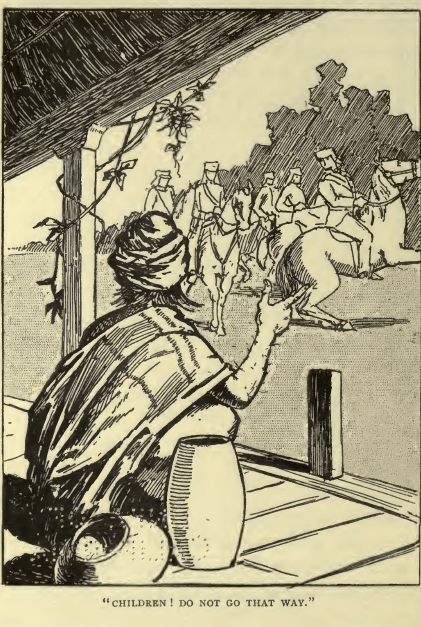
Seeing that Walker had no intention of listening to him, the man continued to call out, “Children do not go that way, you will certainly be killed!” It turned out, the fakir was not lying – Walker and his friends stumbled straight into the suburb of Paharipore – it was full of sleeping mutineers.
“They jumped up from beds which were on both sides of the road, and tumbled out of verandahs of houses on the roadside; in fact, we were in a nest of them. They were as astonished to see us as we were them.”
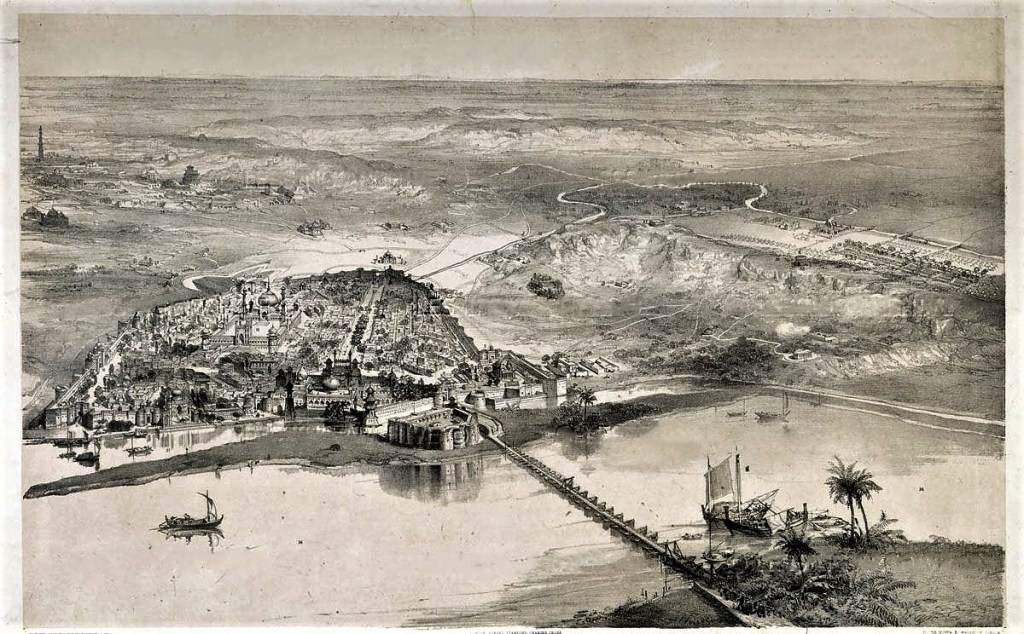
Realising the fakir had been right after all, Walker now saw in front of him Lahore Gate, close to where the 60th had encamped 2 years earlier. From here, he knew that the Ridge was not far and could be easily reached by the Cashmere Gate. They were only lucky that no one was awake enough in Delhi to see them as they made their way through the narrow lanes leading up to the gate and, with the help of a young sepoy they accidentally came across and who Walker held at gunpoint, they found the sentry post of the 2nd Gurkhas on the edge of the Ridge.
“We thanked and dismissed the sepoy, to whom I gave the two rupees I had left out of the four. He begged hard to be allowed to remain with us, but we refused him, and I have felt sorry ever since that we did so.”
As For the Mutineers
As it often ends in these events, the mutineers drew the shortest of straws. The 60th BNI arrived in Delhi on the 12th of June, but they had been anticipated – Seaton had reckoned they would probably make their appearance around then, and he was right. They were met with destructive artillery fire, and as they approached Lahore Gate, the 9th Lancers attacked them. The left wing was nearly destroyed to a man, but the rest managed to find their way into Delhi. With the 72nd BNI, they would eventually form the palace guard, standing up against Bakht Khan and the Bareilly Brigade when he tried to bring order to the city by arresting one of the king’s ministers – but the history of the rebels of the 60th ends in Delhi.
When their headquarters marched for Karnal, 100 men of the 60th remained in Ambala, where they continued to work well and without problems for another three months. It was the remainder of the 5th BNI, however, that finally sealed their fate. With the officials still skittish about armed Bengal sepoys in places like Ambala, it was decided, after another disagreement with the 5th, to finally disarm them. At the parade on the 29th of August, panic broke out, and the sepoys fled. They were first fired upon by the artillery and then pursued – in the end, 150 sepoys lay dead.
It was a humiliating end for two proud regiments.
Sources:
Gimlette, G. H. D. A Postscript to the Records of the Indian Mutiny. London: H. F. & G. Witherby, 1927.
Hodson, V. C. P. List of the Officers of the Bengal Army, 1758–1834. Part 2. London: Constable and Co., 1928.
J.P. “Riddell’s Record of the 60th Regiment of Bengal Native Infantry: With a Sequel on the 3rd Europeans.” Journal of the Society for Army Historical Research 42, no. 171 (1964): 137–44. http://www.jstor.org/stable/44223510
Seaton, Thomas. From Cadet to Colonel: The Record of a Life of Active Service. Vol. 2. London: Hurst and Blackett, 1866.
Shebbeare, Robert. Indian Mutiny and Beyond: The Letters of Robert Shebbeare, VC. Edited by Arthur Littlewood. Barnsley: Pen & Sword Military, 2007.
Walker, Thomas Nicholls. Through the Mutiny: Reminiscences of Thirty Years’ Active Service and Sport in India, 1854–1884. London: Gibbings & Co., 1907.
 Mutiny Reflections