The Lotah Incident
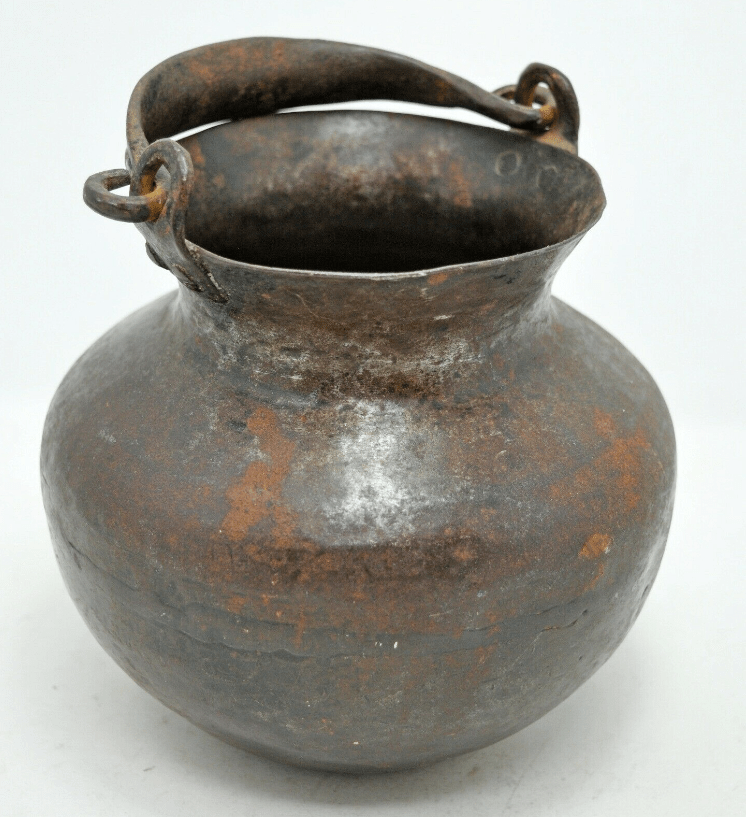
The halt was to be an hour – with the necessary precautions in place, Seaton wrapped himself up in his horse cloth and lay down for quick sleep on the side of the road, with his officers around him. When the hour was up, Seaton expected the men to fall in at the bugle call but he was somewhat put out when he found, “the soldiers came slowly, and with apparent reluctance, many of them still lingering round the well and talking loudly to each other. I had the call repeated and then went to the well myself to hurry the men off. I was not at all surprised at this delay, for, as there was but this one well for the whole regiment and as the men wore their woollen coats and had a good weight to carry, the heat and dust must have made them awfully thirsty, and many would draw water twice, or even three times.”
As soon as he was within hearing range of the men, Seaton asked loudly, what was the cause of the delay. The men fell silent and shuffled their feet. One man came up and, saluting with his rifle, said, with some insolence, his brass lotah had fallen in the well and he wanted to remain behind to fish it out. Seaton looked at him sternly and then asked him, what his lotah cost. The man replied it was a rupee and a half.
Seaton then asked if he heard, just by the way, that some camp followers had been found murdered on the road the day before, by some lowly villagers – the man answered he had. Seaton replied,
“ Well, don’t be so foolish as to stay behind and risk your life for this trifle. Come on into camp, and I will give you a new one. A lotah is nothing to me, but a sepoy’s life is a great deal.” At this juncture, Seaton fished the money out of his pocket and handed it to the sepoy. The lotah he said, was lost, he could now leave it for the villagers. The sepoy regarded Seaton for a moment with some astonishment then he snapped his fingers and called to the others,
“Come along brothers! You hear what the Colonel Sahib says – fall in quickly!”
Weeks later, while standing on the Ridge at Delhi with a Sikh orderly who had escaped the mutinous 60th, he found out the men by the well had been gauging Seaton’s response. The missing lotah was a ruse – but if Seaton had punished the man for insolence, they would have shot him without another word. His musket, he was told, had been loaded. The sepoys had been debating all the while Seaton slept if now perhaps was the right time to mutiny or not; but as they could not decide what kind of an officer Seaton was they had planned the story of the lotah to see who they were dealing with.
They arrived without further incident at Rohtak just as the sun was rising. To Seaton’s disappointment, the Haryana Light Infantry had passed through the day before, marching with all haste towards Delhi. They were in such a hurry they had left behind most of their baggage, and to everyone’s astonishment, many of their wives. Several dead bodies were seen strewn along the road – all sepoys – but no one could say for sure who they were except they were not natives of Rohtak. The townspeople spoke of a quarrel amongst the men and those unwilling to go to Delhi had been shot by their compatriots; others believed the argument was about the division of plunder. Either way, the dead men had paid the price for mutiny. According to Walker, Seaton halted the regiment and with some adjustments to what he had planned to say, this was the property of “murderers and mutineers” and they could help themselves to it. When not a single man acted on the generous offer, Lieutenant Walker realised they were truly in trouble now.
Rohtak
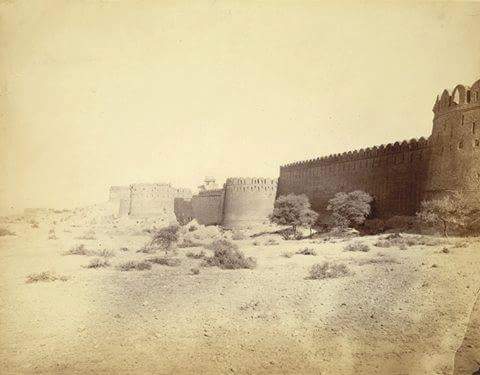
Rohtak itself had not escaped destruction. All the public offices had been torched, the civil officers’ bungalows plundered, leaving a trail of public documents, damaged books, broken crockery, pieces of furniture, torn clothing and various paraphernalia of another life, strewn about the roads and in the gardens. Seaton ordered the camp pitched on the grounds of the Government offices, the only place that suited the purpose. It was surrounded by a ditch and a wall on three sides, sufficient to “keep off thieves”, a good road off on the left and right joined the main one that led to Delhi, there were groves of trees and a well with good water. The jail buildings, which resembled a small fort with bastions at the angles, had not been torched but being empty were quickly turned into hospitals. There were no medical supplies or instruments as such left in Rohtak – these had been either destroyed or carried off, but the regiment still carried their own. Nor was there any treasure – the treasury had been well and truly looted. All the documents, revenue accounts and every scrap of paper in the collector’s office had been assigned to a bonfire, which was still smouldering when Seaton marched into Rohtak. The collector himself, Mr. Lock had been found at Panipat, one march before Rohtak. He had escaped within an inch of his life on horseback, just as the mutineers set fire to the thatch of his bungalow.
Shebbeare found Rohtak to be a “horrible place, sandy and hot to the last degree.” His tent, with those of the other officers, had been placed conspicuously in the centre of the camp, well away from the trees and he was endeavouring to keep his cool by lining it with thorny plants which he obliged a few camp followers to keep wet, an impromptu way of cooling the atmosphere inside. In a few days, they would have no beer or wine left in camp; the men were falling sick and there was no money, but with precious little to buy in Rohtak anyway, that was not Shebbeare’s greatest concern. He was worried his men, now sitting in idleness would soon get mutinous ideas.
As for Colonel Seaton, he was trying to keep spirits up. The side-long glances and the mutterings in the lines showed him the men were far from satisfied. The Grenadiers he believed were the “mutinous heart of the regiment” but outwardly, they continued to be civil and respectful. Seaton made it a point, now that the march was over, to take every opportunity to ingratiate himself with men individually, chatting cheerfully with them as he passed through the lines. He tried to visit the hospital twice a day so he could see and speak with every patient, appearing by all accounts as a commanding officer from the old days of the John Company’s army. However, privately Seaton believed the 60th were simply biding their time. What they were waiting for, he had no idea, but mutiny he knew was inevitable, no matter how nicely he spoke to them.
 Mutiny Reflections