The Residency, Reorganised
The work of reorganising the Residency fell to Inglis and his staff, the palaces were under the command of Sir Henry Havelock, while Sir James Outram retained authority over both. While it was Havelock who walked 2 miles every day to bring Outram his daily report, Inglis was now obliged to furnish reports on everything possible. He had been initially accused of being derelict in his task where paperwork was concerned but it was hastily pointed out there had not been any chain of command as such; following Sir Henry Lawrence’s death, his appointed commander Major Banks, was shot dead and the whole responsibility for the Lucknow garrison fell squarely on Inglis’ shoulders, at a time when the situation was the most precarious and attacks were daily. Although Lawrence had left detailed orders regarding food, the commissariat department had singularly failed in their task, leaving Inglis the impression that the garrison was on the brink of starvation. It was this that had precipitated Havelock’s rush to Lucknow; and now that a modicum of security had been regained, Outram deliberated over the books. Demands for reports from every division were called for and it was discovered while the Commissariat had been remiss with their reports and Inglis too concerned with defence to ask for weights and balances, the garrison would by no means die of hunger. Outram however could not understand why, now that the Residency had been secured, the local populace was not forthcoming to do business with them.
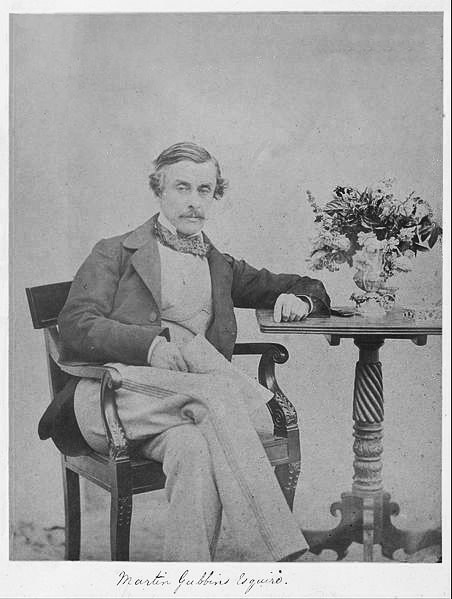
Martin Gubbins tried in vain to explain the merchants were not of doubtful fidelity; they were merely afraid to approach the Europeans – if seen doing so, the insurgents would kill them; and if they came of their own volition, somehow making a way through the hostile ground undetected, there was a sure-fire chance someone at the Residency would take a potshot at them. Fear kept them at bay. As such, no supplies from without reached the Residency during the 2 months that followed. It led to the inevitable reduction in rations but with this prudence, Outram was able to bring the garrison through to November. In October, Maude recalled,
“Here is our everyday menu during the first week, officers and men, receiving precisely the same allowance: For Europeans, 12 ounces of meat, including bone; 1 lb. unground wheat; two ” chillums ” of rice, and the same of grain; with a quarter of a ” chillum ” of salt. No lard, butter, ghee, lime juice, or any kind of fresh vegetables. The European women got 6oz. of meat and bone; 12oz. of unground wheat; 1 “chillum” of rice; 1 ” chillum” of grain; and 1 “chillum” of salt. The fighting natives received the same rations as the European women, except that they got no meat, receiving, instead of it, 1 “chillum” dal and 1 “chillum” of ghee. The camp followers -(doolie bearers, bullock-drivers and the like) only had 8oz. of wheat; 2 “chillums” of grain; no ghee or dal; and 1 ” chillum” of salt. One could hardly expect much loyalty, devotion, courage, or even sustained exertion, on such meagre fare as theirs; and yet the poor fellows were always patient and docile, and, in very many cases, enduring and useful.”
The grain was inevitably in an unground state – Major MacBean organised 8 coolies, 20 bearers and 27 bullock drivers to grind the wheat for the garrison; some men like those at Anderson’s Post, ground their own. The beef was inevitably supplied by gun bullocks, the occasional sheep (of which the Martiniere boys inevitably received the head and offal for their dinner) and though no one dared to say so, Mrs Harris was fairly convinced that some of the meat was horse flesh.
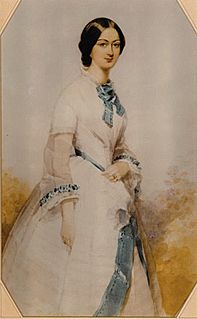
Mrs Inglis found the theft of chapatis touching - left unattended even for a moment, the chapati would be snatched up by the hungry thief, who would leave Rs. 1.- on the pan as a way of compensation. She was less amused by the antics of Maude and his artillery friends when their cook purloined her only turkey egg for their dinner; Mrs Cowper lost her milk goat to two men of the Madras Fusiliers who also managed to kill two of Mrs Inglis’ kids (goats, not children). The ladies used to send their meagre livestock out to graze when the firing was not so severe; the Fusiliers killed them for food. When laid up with a severe wound, incurred during the fight for Lucknow, Fraser-Tytler was brought through his worst moments by the tender care of his horse bearer (syce) who regularly foraged the grounds for sorrel and wild vegetables to feed the sick officer. Interestingly, though his wound was infected and gangrene set in, his syce continued a regime of feeding him as many fresh greens as he could find; Fraser-Tytler survived. There were still a few posts in the garrison that were not hard up for food; Gubbins continued serving tea with sugar and pudding for dessert until the very end of the siege. For this, he was brutally mauled but Gubbins was by no means stingy. He shared what he could and never begrudged anyone a little luxury. His house was permanently filled with wounded and dying officers, all of whom he fed at his own expense. Beer he kept aside for nursing mothers and even Sir Henry Havelock, not in the best of health, had to admit it was Gubbins’ stores that brought him through the worst of his ailments. The hospital authorities were told to take steps to “convert the heads of and feet of slaughtered cattle” into soup for the hospital patients and officers commanding corps, companies of artillery and detachments were required to send in daily before 2pm, their indents for the “quantity of meat” required for the next day and were held liable for the truthfulness of their requests.
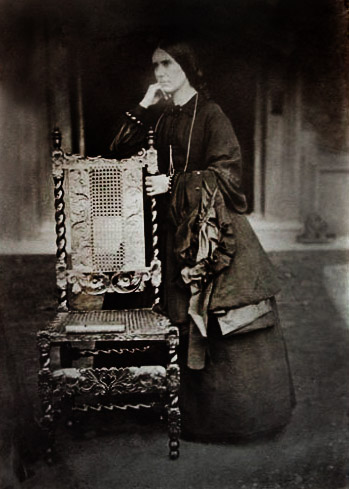
Brigadier-General Neill had drawn up a list of acquaintances he knew were waiting for him at the Residency and accordingly prepared a box of provisions. While he never made it to the Residency, his box did. Accordingly, Mrs. Case received a supply of arrowroot and sago – she had known Neill’s brother while she had been in America. Neill was not the only to have prepared supplies; the officers of the various regiments all put together what they believed would give the most comfort to the women and children of the garrison – unfortunately, it had all been left behind at the Alambagh. When word spread of everything that had remained at the Alambagh, there was little understanding from the garrison. Vexing as it was to be without fresh supplies but with more mouths to feed, the thought that their letters from home were moulding away in boxes caused several outbursts of temper. Havelock had undoubtedly saved the Lucknow Residency but had completely underestimated the rebels and their tenacity something they could have told him, had they had the chance to. No one in Lucknow had expected Havelock would sweep them out of the Residency, but they had hoped their reinforcements would have had the foresight to bring provisions – that only one doctor had had the sense to bring a bottle of chloroform was astonished the garrison surgeons who had been operating for weeks without it. Home and Bradshaw lost all their medical supplies on the march to the Residency and everything else was weltering away at the Alambagh.
 Mutiny Reflections