The Kotah Murders
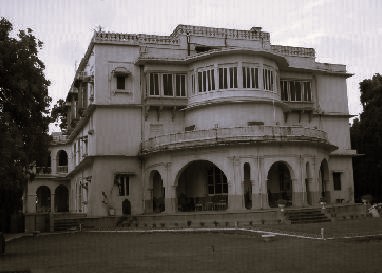
On the morning of the 15th of October, the Burtons set off in their buggy for a little shooting. On their return, Burton paid a visit to Dr Salder, who was ill, while his sons went back home. Burton came back shortly after and dealt with daily business – 100 camels were to be sent to Agra, and Jemadar Mangal Singh, on receiving Burton’s orders, promptly set off to collect them.
Around 11, the jemadar heard “a great noise” and a great number of men, who, shouting, “Deen! Deen!” were proceeding with 6 guns, towards the Residency. Within moments, they surrounded the house and opened fire. Unable to approach the house and dissuaded by others from doing so, the jemadar hid in the ravines close by and watched. Lighted sticks were thrown on the thatched verandah roofs, which immediately caught fire as the guns sent shot after shot at the upper storeys of the house.
Munshi Niaz Ali, who happened to be working at the Residency that morning, stated that, around noon, the troops of the Raj Pultan, with a “rabble”, had rushed upon the Residency, with the cavalry and the guns making their approach from the eastern side and the infantry from the south. While the infantry quickly occupied the outbuildings where the office staff and servants lived, the cavalry surrounded the house and set it on fire. The munshi only saved himself from certain death by scrambling into a nearby ditch with the other members of the staff.
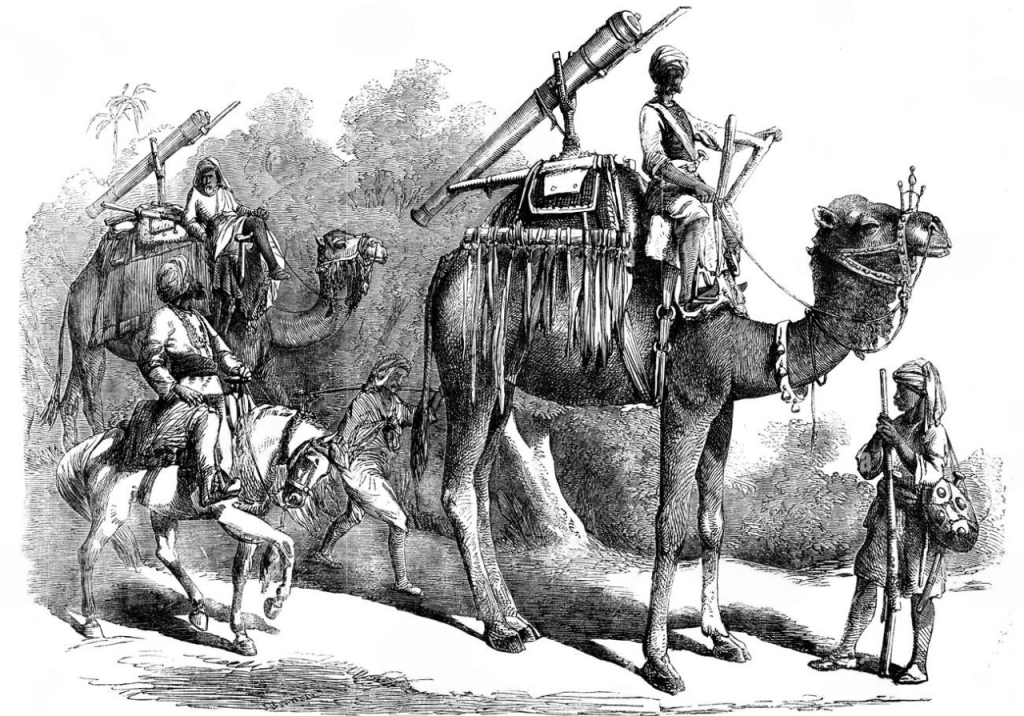
The men attacking the Burtons were first and foremost military men of the various corps that made up the Raj Pultan; they were further assisted by 30 swivel guns on camels and four field guns, drawn respectively by bullocks and horses. Only one civilian was positively identified as Moonavur Hossain, the respected portrait painter.
What, however, happened to the Burtons?
“The first intimation that trouble was afoot was brought by two Sikh horsemen of the guard, when they galloped up to the Agency bungalow and apprised the Chobdar (mace-bearer) on duty that the Maharao’s troops had mutinied and were advancing towards the Agency. The chodar called to Major Burton, who appeared from a bathroom, clad only in a towel; he immediately ordered the chobdar to fetch the oars for the boat that was drawn up on the river immediately below the Agency Bungalow. Major Burton then went to consult with his two sons, who were in a neighbouring room; they suggested the chobdar should bring rather their horses than the oars of the boat, and so the initial order was countermanded…”
What they could not know was that the stables had already been overrun by men under Mehrab Khan, and he had ordered the boats secured. Realising there would now be no escape, the Burtons hastily prepared themselves. The servants had fled, and all that was left was a camel driver, Komji, who had most likely been summoned by Burton to discuss the convoy for Agra. Together with him, Burton and his sons gathered up as many guns and ammunition as they could and ran up to a small room on the roof. Their attackers had, in the meantime, broken into the house -one of them was shot in the thigh by Francis as the Burtons scrambled up to the roof.
With the door barricaded, the Burtons could only listen as the old house was plundered and watch as their possessions disappeared from the compound, carried by jubilant looters. The specially chosen guard was nowhere to be seen; in vain, they waited for the Maharao to send relief, but no one ever came.
As the guns began battering the walls of the house and verandas burned, Burton tried to parley with the attackers, hoping that if he surrendered, they would spare his sons. It was, however, the boys who refused their father’s attempt at sacrifice. The siege continued.
When the firing had subsided, Burton sent Komji down to talk to the impassive Sikh guard, some 140 men with matchlocks at their sides, sitting on their horses. He asked them, on Burton’s behalf, to ready the boats, but the Sikhs replied, “We have no orders.” When he again implored them to help the Burtons, they replied that it was madness. The Sikhs, it would appear, believed the attack had been ordered by the Maharao, and as such, as it was the Raj Pultan attacking the Residency, they could not act against their master’s orders; otherwise, they would have gladly “dispersed the rabble.” Ultimately, the truth was probably somewhere in between. The Sikhs could not be accused of supporting either side by simply not taking part, and then, regardless of which side won, they could not be blamed for anything that happened.
Realising now that the guard was not going to do anything either way, the order for the final assault on the Residency was given. At the sound of a single pistol shot, scaling ladders were brought up against the walls, and the murderers quickly rushed up. The Burtons had held out for five hours but were running out of ammunition, and they had been left to die. As their murderers ran into the room, Arthur, who was standing by the door, tried to defend it with only a sword while his father and brother shot the last of their bullets, but they were swiftly overwhelmed, and it was one Nizmat Khan who finally slew them with his tulwar. For the Burtons, their fate had been sealed the moment they arrived in Kotah, and they met their melancholy end, together to the last, in the small room on the roof.
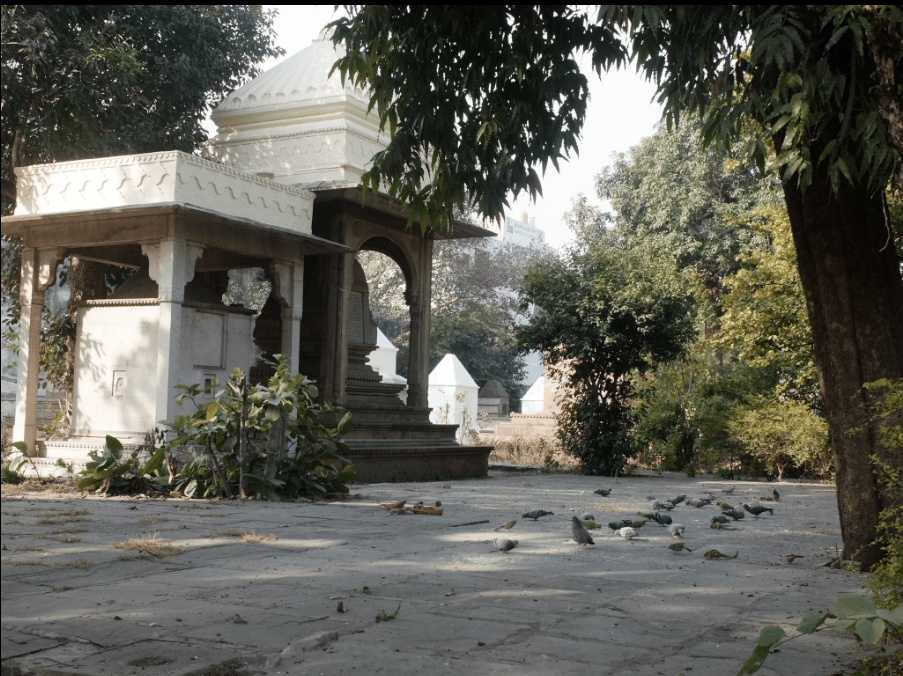
Their bodies were dragged out from the Residency and left out in the open, while Major Burton’s head was taken away by the rebels, hoisted on a pike and after a parade through Kotah, it was then fired from a gun. The bodies of the Burtons, together with the murdered doctors, Murray and Cantem, were quickly interred on orders of the Maharao but were disinterred the same night, wrapped in blankets and placed in boxes, to be buried again in the cemetery. Their final resting place would be next to 14-year-old Mary Elizabeth Burton (who had died in 1854) in the Kotah cemetery.
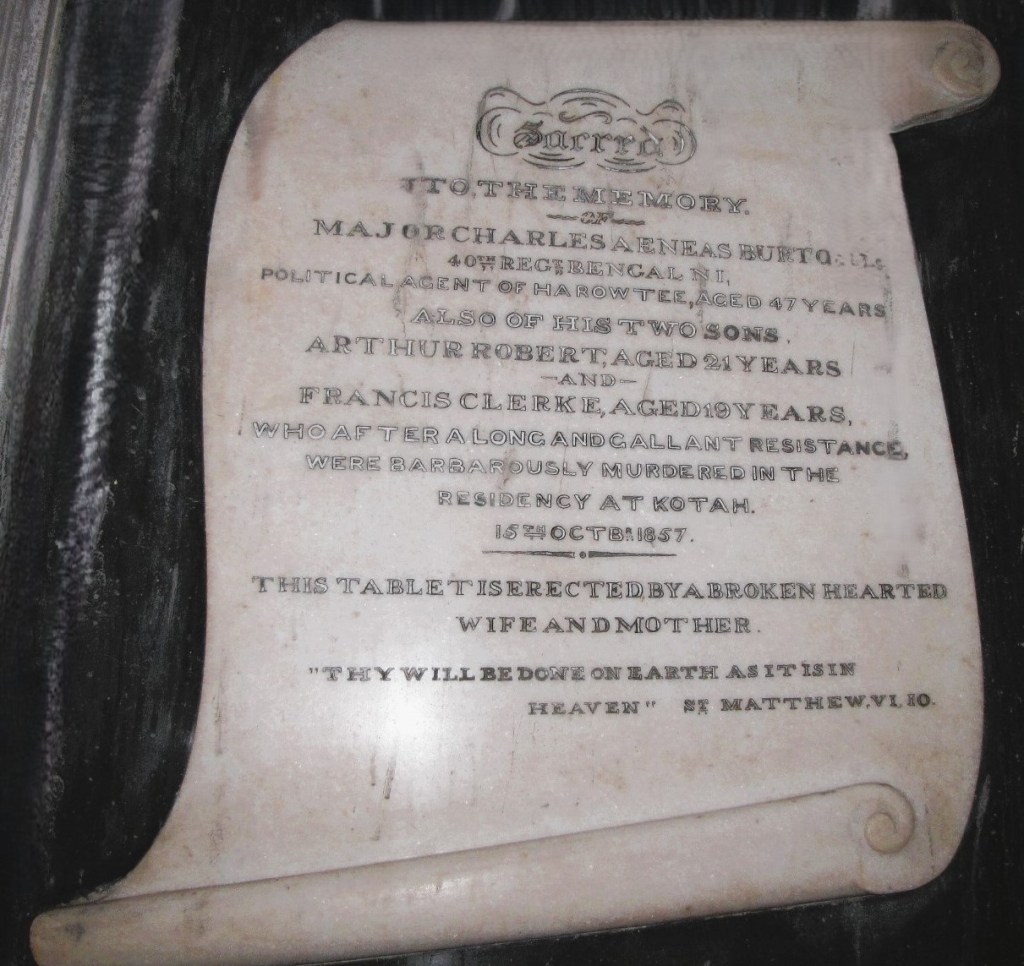
Sacred to the memory of Brevet Major Charles Aeneas Burton, 40th Regiment Bengal Native Infantry, Political Agent, Harowtee, aged 47 years and of his two sons, Arthur Robert, aged 21 years, and 1 month and Francis Clerke, aged 19 years and 8 months.
Three defenceless Englishmen who on the 15th October 1857, the year of the Indian Mutiny, were barbarously surrounded in the Residency by the bloodthirsty soldiers of the Maharaja of Kotah.
For five hours these gallant men, a father and two sons kept the whole of the miscreants at bay,
when alone and unaided they were finally overpowered and foully massacred. This tablet is erected by a brokenhearted wife and mother.
“ Vengeance is mine, saith the Lord. I will repay.”
 Mutiny Reflections