25th of September -Advance on Lucknow
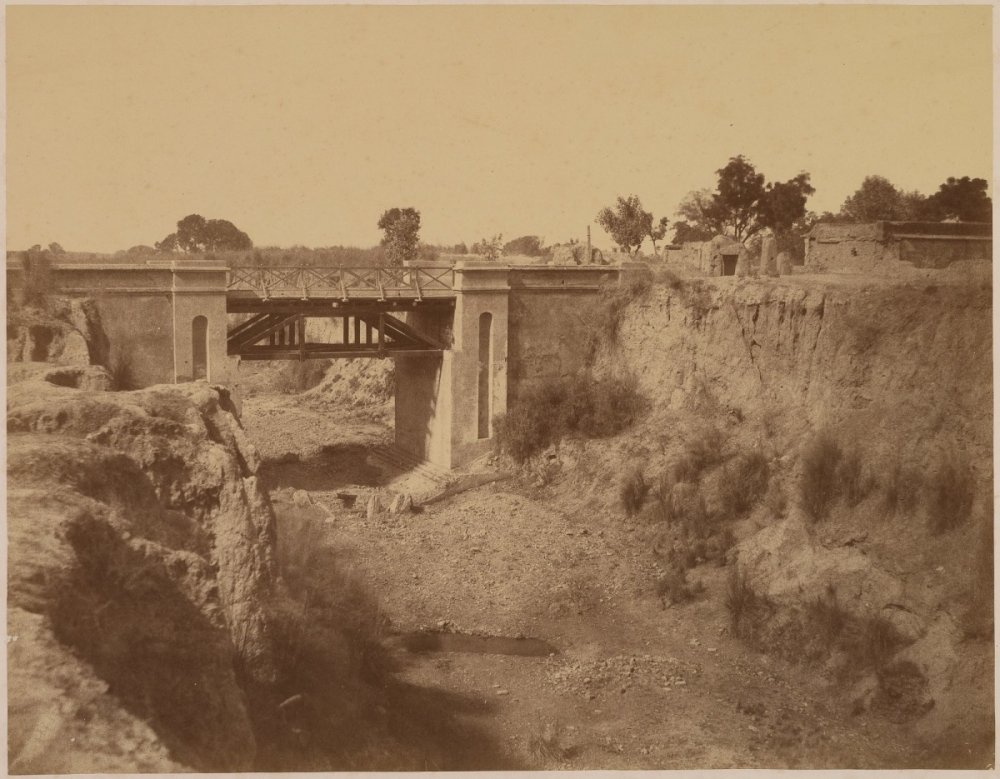
“But for the fact that nearly one third of our force really did reach the Residency that night, and more than another third the next day, I should be inclined to call it a disastrous rout. And if such a gifted chronicler of· battle scenes as Archibald Forbes is unable to make coherence out of the chaos, it is certainly beyond my feeble powers to do so. He vividly describes the way in which the indomitable 78th blundered into one of the enemy’s batteries, carried it, and then found themselves “actually about parallel with the head of the main column, instead of being in rear of its rear. He then says: “Here were the chiefs of the little army. Outram sat on his big ‘Waler,’ a splash of blood across his face, one arm in a sling. Havelock on foot-his horse had been shot-was walking up and down on Outram’s near side, with short nervous steps, halting now and then, as if to emphasise his words, for the debate between the two Generals waxed warm. All around them, at a little distance, were officers; and outside of the circle so formed were soldiers, guns, wounded men, bullocks, camels, and the confusion of a surging tide of disorganization pouring into the Court.” (Maude)
Staff
Brigadier General James Outram, – slightly wounded in arm (attached to the Volunteer Cavalry)
Lieutenant Colonel J.M. Fraser-Tytler (QmG.) – severely wounded
“Towards evening, we were sitting on our horses, side by side, when he received a ball in his groin. We lifted him off, and put him into a dhoolie, in which he was carried into the Residency that evening, where he lay, between life and death, during the two months that we were shut up there.” (Maude)
Captains
Havelock, Henry M. (D.A.A.G.) – severely wounded
Sitwell, F.H.M. (A.D.C.) – slightly wounded (31st BNI)
Sarel, H.A. (Brigade Major) – severely wounded
1st Battalion, 5th Foot
Captain Arthur England Johnson – dangerously wounded. Died of wounds, 5th October
Sergeants
Boland, J. – killed in action
Dwyer, F. – dangerously wounded. Died of wounds, 27th October
Privates
Boardman, G.- slightly wounded
Boylan, B. – slightly wounded
Butler, A.- wounded
Conneally J. – wounded
Conray, B.- severely wounded
Deveney, E. – mortally wounded 25th died 26th
Doy, C.- severely wounded
Forbes, M.- wounded
Freeman, P.- severely wounded
Glenn, F.- killed in action
Hagerty, M.- mortally wounded. Died of wounds, 27th September
Hearn, S. – dangerously wounded. Died of wounds, 29th September
McHale, J,. wounded
Madden, M.- severely wounded
Mulloney, M,. severely wounded
Murray, J.- severely wounded
O’Brien, L.- slightly wounded
O’Meally, M.- dangerously wounded 25th Died of wounds, 29th October
O’Meally, P.- slightly wounded
Piper, E.B.- killed in action
Price, W. – slightly wounded
Shaw, C.- mortally wounded. Died of wounds, 26th September
Townsend G.- wounded
Walsh T.- dangerously wounded. Died of wounds
Wines, B.- dangerously wounded. Died of wounds, 27th September
64th Foot
Lieutenant Roland Bateman – killed in action
Privates
Doran, Patrick (attached to Bengal Volunteer Cavalry) – wounded
Hemsworth, James – killed in action
McNamara, James – killed in action
Maloney, Andrew – killed in action
78th Highlanders
The 78th had been left behind at the Char Bagh Bridge to check an attack from the central part of the city and act as the rearguard. Their position was particularly perilous – when word came forward to Havelock, he ordered the 90th to their support, and they had to retrace their steps from the morning back the bridge. The 78th however, had managed to extricate themselves and the 90th turned into the rear guard. The 90th was able to reach the Moti Mahal and there they were trapped, with the ammunition, the wounded, 2 guns and baggage until the next day. As for the 78th, they lost their way in the narrow streets, losing many men in the process.
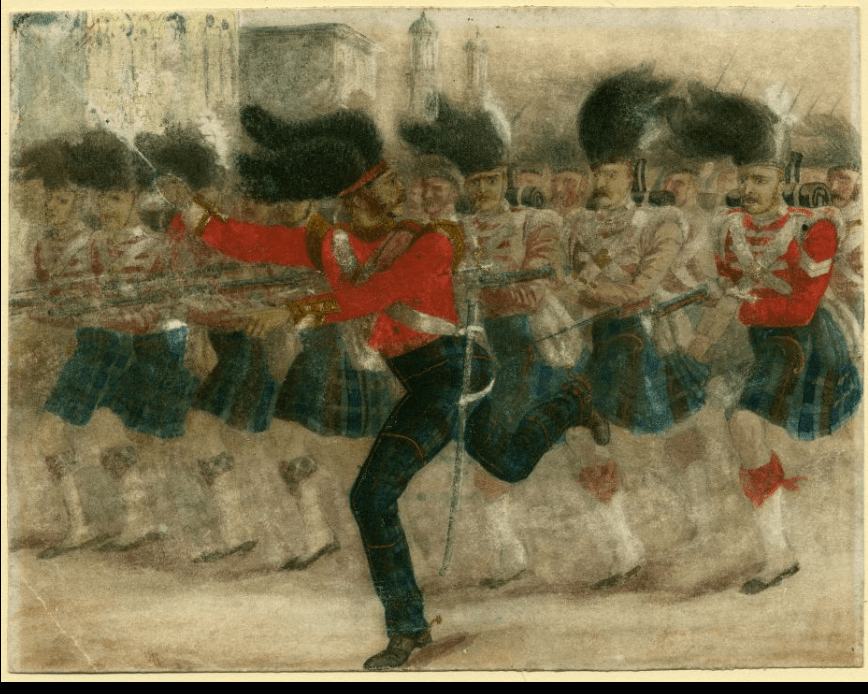
The 78th had held the bridge for as long as they could but scarcely had the last of the column disappeared over it, they were attacked in large numbers by the insurgents. Two companies, under Captains Hayes and Hastings, were sent to occupy the more advanced buildings surrounding the bridge, while four companies were told off as skirmishers to the surrounding gardens, while the rest remained in reserve and were posted in the buildings directly at the bridge. As the road leading away from the bridge was not only narrow, it was also destroyed by the passage of the Commissariat carts and the heavy guns, the 78th soon found themselves separated from the rest of the column by no less than three miles. To their further discomfiture at their situation, the insurgents now brought two guns within 500 yards of their position and opened fire not just on the Highlanders but on the end of the distant column. Determined to at least die fighting, the captains ordered their men to charge to guns and capture them, if possible at the point of the bayonet. The two advanced companies formed on the road and rushed the first gun, which upon taking possession of it, promptly threw it in the canal below. Meanwhile, the skirmishing companies were called in and they, together with the reserves advanced to support the forward companies. The regiment, thus united, pushed on towards the second gun. The capture was achieved, but it was quickly realised there was no way to draw the gun and the 78th was needed to return to the bridge to keep open the line of communication. So the gun was spiked and the regiment gathered up its wounded and headed back to Char Bagh Bridge.
The 78th, seeing their work was complete at the bridge and the last of the column had indeed passed over, quickly formed as the rearguard and evacuated the bridge. Not wasting a moment, the insurgents took over the position and poured a terrific fire into the ranks of the Highlanders who found themselves completely surrounded and forced to turn every few moments to fight. However, they continued to advance, without realising their reinforcements, in the form of the 90th had been sent back to assist them. The Highlanders would miss the 90th altogether – at a juncture in the road, they took the wrong way. Their route was indeed more direct than Havelock’s but no less deadly, and led them through winding lanes and narrow streets. Every step of the way they were fired up from the closely packed houses, the rebels deftly protected by loopholes and thick walls. Eventually, they arrived at the Kaiserbagh and discovered a battery firing upon the road on which the main column was advancing. The Highlanders, realising they were in fact in the rear of the offending battery, with one rush charged the guns, spiked them and bayonetted the gunners. They then crossed the palace, exposed the whole length of it by a most galling fire of musketry. Running parallel to the main column the Highlanders finally caught up with them near the Farhat Buksh Palace.
Captains
Hastings, D.- slightly wounded
Lockhart, G.A. – severely wounded
Lieutenants
Crowe, J.P.H. – slightly wounded
Grant – severely wounded
Kirby, Montague Alexander mortally wounded
Mcpherson, Herbert.T. – slightly wounded
Swanson, John- dangerously wounded. Died of wounds, 2nd October. Aged 22. Son of Colonel Swanson, Bombay Army. He was carrying one of the regimental Colours when he was shot. Both Lieutenant Dale and Corporal Youral of the 1st Madras Fusiliers stooped to pick them up – it was Youral who carried them into the Residency.
Webster, Joseph killed in action – shot dead 200 yards from the Bailey Guard Gate.
Still, half a mile from the Residency and the two generals in two minds as to what to do, with Outram wanting to stay at the palace and consolidate the force for the night and Havelock determined to move forward at all costs. Havelock, who had been waiting for his triumphal moment to relieve the garrison at Lucknow won the argument by pulling rank and Outram, in his subordinate position, could not refuse an order. The Highlanders and the Sikhs were called to the front and the order to advance was given.
“The dusk was lit up by the incessant discharges of the enemy’s muskets. In front, from every house, from every cross lane or street on their route, the advancing men were assailed….Young Lieutenant Kirby of the 78th received his death wound as he proudly bore aloft and waved the Queen’s colours in the face of the foe…” The Colours were saved by Sergeant Ried and Surgeon McMaster who succeeded in bringing them into the Residency. All the while, above the din and tumult of battle, the bagpipes continued to scream as the Highlanders marched to the Bailey Guard Gate.
Sergeants
Cavalier, William – mortally wounded
Learmont, James – killed in action
Corporals
Gow, Andrew – killed in action
McBain, John – killed in action
Drummer John Gilbert – dangerously wounded. Died of wounds
Privates
Affleck, Joseph – killed in action
Algar, Robert – killed in action
Angus, Archibald – dangerously wounded. Died of wounds
Barber, James – killed in action
Benson, David – killed in action
Bishop, William – killed in action
Brown, John – dangerously wounded. Died of wounds
Brown, Robert – killed in action
Butler, David – killed in action
Cleary, Andrew – killed in action
Daniels, John – wounded “by a musket ball, which entered below the right scapula, and passed out about two inches further forward; re-entered in the axilla, and came out about the middle of the inner edge of the deltoid. He was shot from behind while loading his firelock. July 13th .- Wounds healed. Loss of sensation and motion in arm, which is always covered with perspiration. August 5th.- Invalided.”
Donoghue, John – killed in action
Farmer, William – killed in action
Ford, William – wounded
Foster, George – killed in action
Gallagher, Patrick – killed in action
Gray, John – killed in action
Harvey, James – killed in action
Hawker, Job, – dangerously wounded. Died of wounds, 1st October
Horton, James – killed in action
Keeling, John – mortally wounded
Lackey, Francis – killed in action
Leadham, Robert -killed in action
Matthews, George – wounded “by a musket ball, which entered in front of the left shoulder, through the anterior fold of the axilla, passing directly backwards, and came out at the posterior surface of the arm at
the posterior margin of the deltoid behind the joint, causing a comminuted fracture at the surgical neck of the humerus; profuse suppuration ensued; several fragments of bone have come away.”
McDonnell, Edmund – killed in action
McDougall, John – killed in action
McGrath, Thomas -killed in action
McIntyre, Alexander – killed in action
McKarven, John – killed in action
McKechnie, Duncan – killed in action
McKillop, Daniel- dangerously wounded. Died of wounds
McLean, Allan – Killed in action
McPherson, John – killed in action
McRae, Kenneth – killed in action
Moldrick, John – killed in action
Rackham, James – dangerously wounded. Died of wounds, 29th September
Ritchie, Benjamin – severely wounded “by a musket ball, in the left side of the neck, close to the thyroid cartilage; the ball still remains in, but its position cannot be ascertained with certainty. He spat up blood for some time after.” He would return to duty on the 30th of August 1858.
Sault, James – killed in action
Scott, James – killed in action
Smith, Robert – severely wounded
Sullivan, Jeremiah – killed in action
Taylor, William – killed in action
Tenny, Mark – killed in action
Tiller, Henry – killed in actoin
Turrell, Samuel – killed action
Wardlesworth, William – “…wounded by a musket ball in the right elbow -joint. It entered over the olecranon, and was cut out at the same place the following day; abscesses formed around the joint. 2nd. By a musket ball on the inner side of the left -knee; a flesh wound.” He was invalided on the 5th of August 1858.
Wallace, John – killed in action
Young, James – killed in action
84th Foot
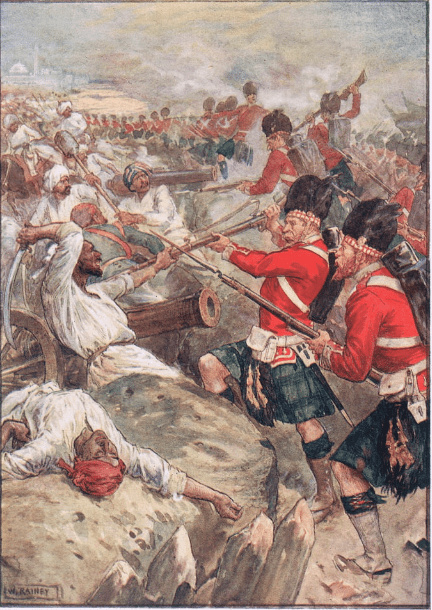
“When the column arrived among the Palaces the regiments became much mixed, and the position of the 84th was such that it was not the leading regiment into the Residency, but was halted under what was called the’ Clock Tower,’ opposite the Bailey Guard; and bivouacked there for the night.” (Maude)
Captain Robert Maxwell Packenham – killed in action. Aged 22. Fourth son of the late Lieutenant General Sir Hercules Packenham. His older brother, Lieutenant Colonel Edward Packenham, Coldstream Guards, was killed at Inkermann in the Crimean War
Captain Frederick A. Willis – slightly wounded. Willis was wounded while charging across the Char Bagh Bridge. The leading officer of the Madras Fusiliers had his foot shot off at the ankle.
Lieutenants
Barry, Robert – slightly wounded
Magrath, J.A. – slightly wounded
Oakley, G.A. – severely wounded
Poole, William – dangerously wounded. Died of wounds
Woolhouse, Edward – severely wounded. Right arm amputated.
Ensign George Lambert – wounded
Corporal Thomas Condon – wounded
Drummer James Jordan – wounded
Privates
Agnew, Thomas – wounded
Bartley, Robert – wounded
Bawme, Frederick – wounded
Buckley, Edward – missing in action
Bush, Thomas – killed in action
Carthy, Daniel – severely wounded
Challen, George – wounded
Chambers, James – killed in action
Couch, John – wounded
Coughlan, John – severely wounded
Daly, John – dangerously wounded. Died of wounds
Davison, Thomas- killed in action
Ford, Patrick – dangerously wounded. Died of wounds
Graff, William – wounded
Harrison, Thomas – killed in action
Howitt, Henry -wounded
Kelly, John – wounded
Lyons, Francis – wounded by musket ball “which entered the left temple in front of the ear, and passed out through the eye; two pieces of bone were taken away, two hours after, from the aperture of entrance of the ball.” Lyons lost the sight in his eye but retained his eyelid.
Murphy, Dennis – wounded
Murphy, John – dangerously wounded. Died of wounds
Murphy Patrick (2790) – wounded
Murphy Patrick – (1636) – killed in action
O’Neil, Hugh – wounded
Shea, Robert – severely wounded
Sheehan, Dennis – killed in action
Sweeney, Peter – wounded
Thorpe, Sampson – severely wounded
90th Foot
“Nothing could check the advance of the 90th, led by its gallant commanders, Colonel Campbell and Lt. Colonel Purnell, who were well in advance of their men…” (Napier)
Lieutenants
Agnew, G.A. – severely wounded
Knight, W. – severely wound
Moultrie, Arthur Austen – mortally wounded. Son of George A. Moultrie, of Aston Hall, Shropshire. Mortally wounded at Lucknow whilst gallantly charging a battery of the mutinous Sepoys. Died of wounds, 26th September.
Preston, Moyes – dangerously wounded. Died of wounds. Aged 20. Son of Revd. W.M.S. Preston, of Warcop Hall, Westmorland. His brother, Capt. Henry Preston, 90th Foot was killed in the Crimean War.
Rennie, W. – slightly wounded
Savoury, H.B. – slightly wounded
Wilmer, L – wounded
Colour Sergeant C. Sanderson – killed in action
Sergeant J. Smallie – wounded
Privates
Allen R.- killed in action
Bottrill, J. – wounded
Bruder, J. – killed in action
Carruthers, L.- missing in action
Cross, F. – killed in action
Daley, M. – wounded
Durand, G.- missing in action
Hall, J. – wounded
Horn G. – killed in action
Jays, G. killed in action
Kelly, C. – killed in action
Latham, T.- missing in action
Pardoe, J. – wounded
Rathbone, James – dangerously wounded
Rantell, J. – missing in action
Storey, J. – killed in action
Thompson, J – missing in action
Weston J – wounded
At Moti Mahal, Surgeon Home found himself in a horrible situation. As long as daylight lasted, the medical officers of the rear guard could offer assistance to the wounded who still continued arriving by doolie – but much of their medical supplies had been lost or abandoned during the day and there was little they could do for the injured men. As darkness fell, the want of light was soon felt and operating became impossible. Many of the men would have to wait for daybreak before the surgeons could assist them.
“One young officer was brought in mortally wounded. In examining the wound in his chest, I noticed he wore a small gold locket suspended by a thin chain from his neck. He was quite collected and very calm, speaking very little, but the little was about the locket. He opened his half-closed eyes and in a very weak but clear voice asked me to ‘give the locket to Dennison (his Captain); he will know what to do with it.’ I carried the locket in my pocket for a week before I saw his friend, and I fancy, his former school fellow at Rugby, whose only words on sadly receiving the locket were, ‘Ah yes.’ (Home).
Whatever the story was regarding the locket, Home never knew. Denison was shot in the arm in the Residency 6 weeks later and died of blood poisoning – for a second time, Home became the processor of the locket, which he now handed over to Denison’s adjutant who eventually sent it home.
1st Madras Fusiliers
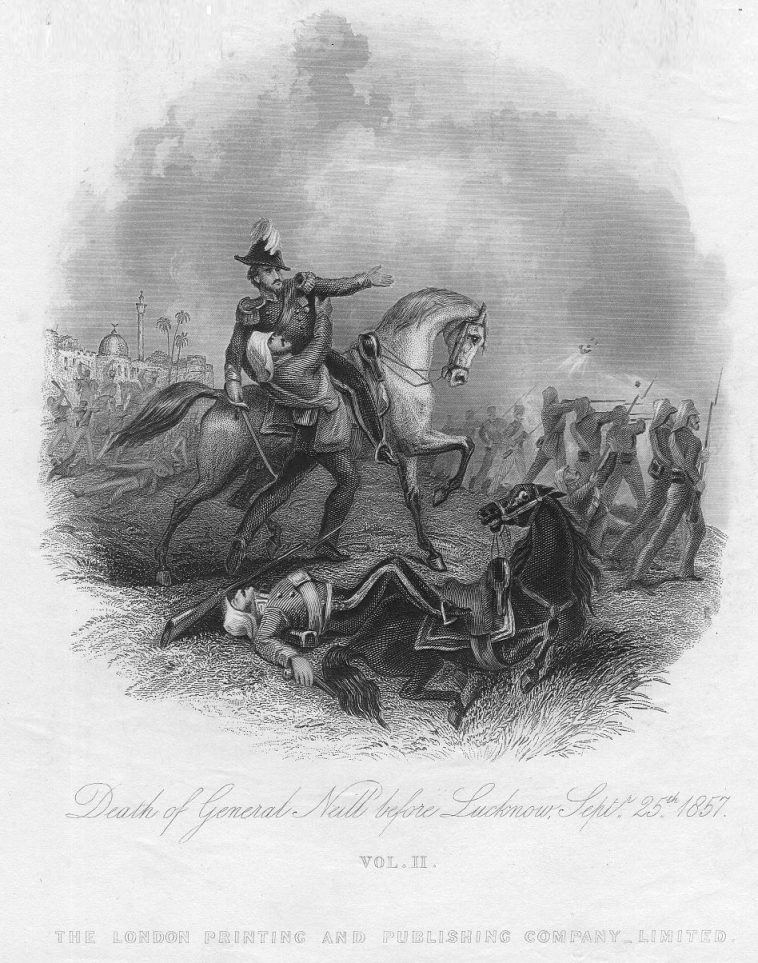
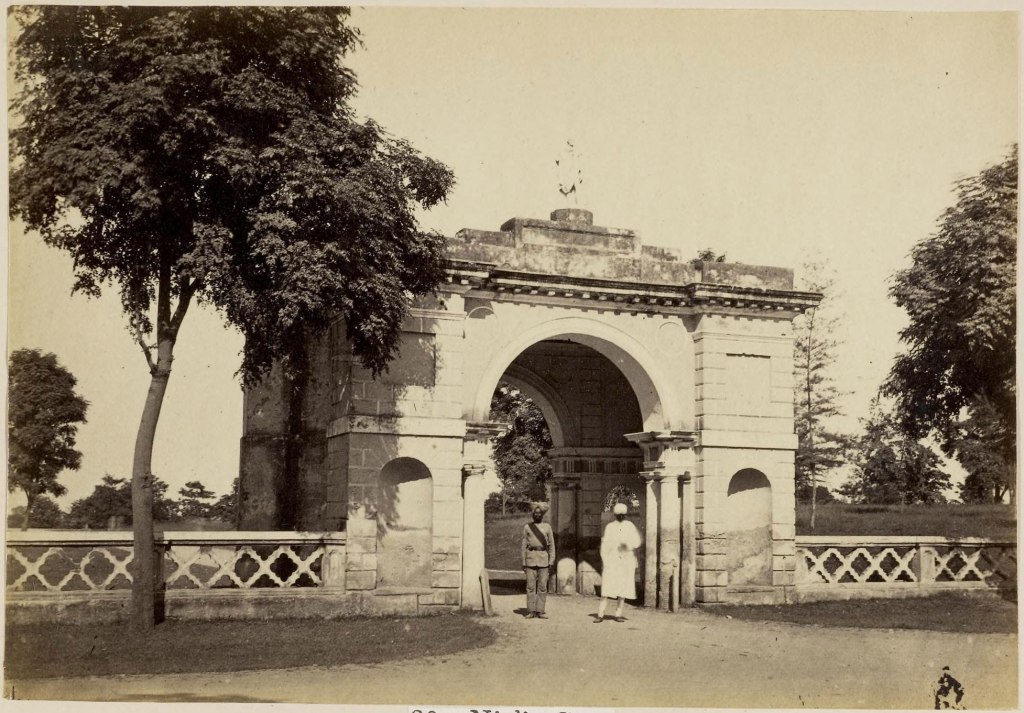
Brig. Gen James George Smith Neill – killed in action Shot in the head at Khas Bazar. Neill’s body was brought to the Residency on one of Maude’s guns. He was buried in the churchyard. He was 47 years old.
General Neill sat his horse near the fatal archway, giving orders, with “consummate coolness” to prevent the men from rushing the archway in haste. One of the guns was still stuck in the lane behind and Neill sent an officer to find out the reason for the delay. As he turned his head to watch for the gun, a mutineer took aim through a loophole in the archway and fired. The shot hit Neill at the back of his head, a little above the left ear. As he fell, his terrified horse bolted back through the lane. Captain Spurgin, the brigade major of the Madras Fusiliers was close to Neill when he was shot.
“My poor good friend General Neill was killed by almost the last shot that was fired upon the 25th…A wretched man shot him from the top of a house. He never spoke again and could not have suffered a moment’s pain. There was a gun between us at the time, but I got round and saved his body by carrying it into the entrenched camp on a gun carriage. What am I to write or say to his poor Mrs. Neill? and he asked me before we went into action, in case he fell, to do so…”
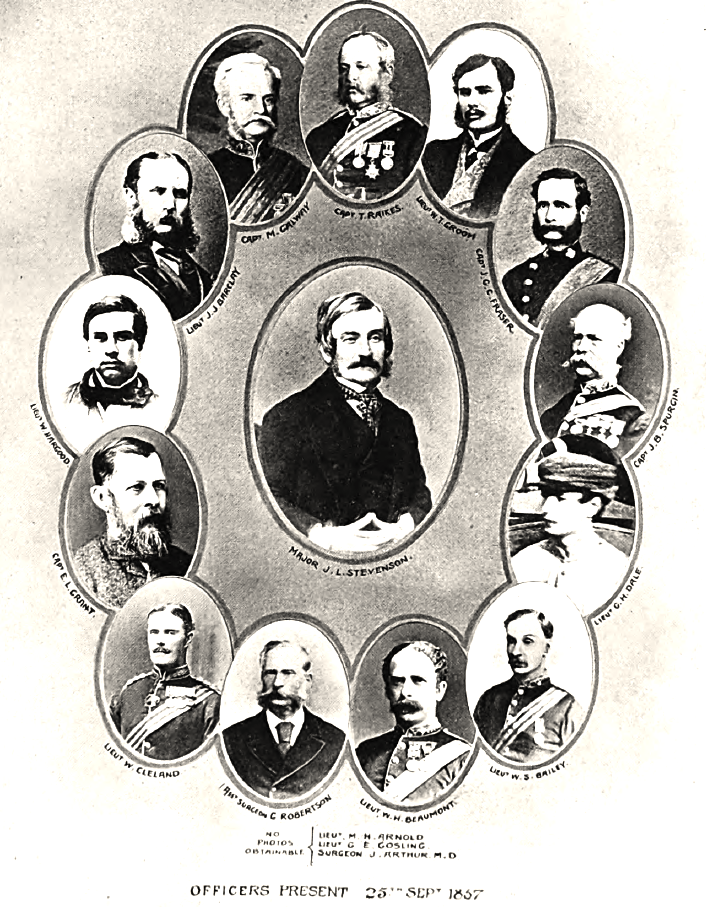
Lieutenant Nelson Henry Arnold – wounded at Charbagh Bridge. Left leg amputated. Died of wounds, 6th October. Aged 23 years. Third son of Charles and Helen Arnold.
“He assisted in the suppression of the mutiny at Benares on June 4th and 5th and reached Allahabad with a small reinforcement on June 7th; and to the promptness of his march and the skill and energy with which he overcame all difficulties on his way, the safety of that fort was attributed by General Neill. He was employed by the general on several important operations and was honourably mentioned for his services at Allahabad, on the Jumna, on the Ganges, and in the Battles on Unao, Busserat-Gunge, and Bithoor. When in hospital at Lucknow, Sir H. Havelock sent word to him, through his ADC, that he intended to recommend him for the Victoria Cross. He died in perfect peace, humbly looking for salvation through faith in the merits of his Saviour. “
L.E. Ruutz Rees saw Arnold as he was brought into the Residency on the 26th. He found him to be in “perfect possession of his senses.” Arnold had been left alone the whole night in the doolie before being rescued by two privates, at great risk to their lives. He received his second wound in the leg when the men were carrying him to safety. Arnold confided in Rees he had contemplated shooting his brains out from the agony of the thought of falling into the hands of the rebels.
Lieutenant William Bayley – severely wounded
Lieutenant Nelson Henry Arnold – died of wounds on the 6th of August
Colour- Sergeant Martin O’Loughlin
Sergeants
Courts, George – dangerously wounded in left arm. Died of wounds.
Lacey, John – wounded in right thigh
Pritlove, William – severely wounded. Died of wounds 17th of October
Corporals
Culloo, Matthew – killed in action
Finnigan, Peter – killed in action
Leahy, John – severely wounded in right leg
Pearson, George – killed in action
Scott, William – wounded
Privates
Appleton, Charles – left leg shattered by round shot. Leg amputated. Died of wounds
Archibald, Colin – slightly wounded in left forearm
Barr, Michael – severely wounded in left leg
Brien, Michael – serevely wounded, died of wounds on the 9th of November
Bryan, Michael – dangerously wounded. Died of wounds, 9th November.
Byrne, James – slightly wounded in left arm
Byrne, Michael – severely wounded in right thigh
Cahill, Maurice – severely wounded in left arm. Amputated
Cooper James – killed in action
Covill, James – killed in action
Dennis, Thomas – lacerated gunshot wound in chest
Denson, Alexander – flesh wound in left shoulder
Donohoe, Martin – killed in action
Dowey, John – contused wounded in right thigh
Geary, Thomas – bullet lodged in right groin
Grace, James – killed in action
Grady, Patrick – wounded
Greer, James- killed in action. Attached to the Bengal Artillery.
Healy, James – killed in action
Hunter, John – severely wounded in right arm
Irving, John – dangerously wounded in left shoulder. Died of wounds at Allahabad on the 25th of December.
Jackson, Richard- contused wound of left testicle
Jacques, Robert – dangerously wounded in left arm. Died of wounds.
Jones, John – killed in action
Kelly, John – severe sabre wound in head
Keriven, John – severely wounded in hand. Finger amputated
Leahy, James – slightly wounded
Leary, Humphrey – dangerously wounded in chest and lungs. Died of wounds on the 30th of September
Lee, John – killed in action
Lynham, Maurice – lacerated wound of left ear
McBride – John – slightly wounded in in right foot
McQuattie, John – killed in action
Manning, Thomas – killed in action
Matthew, Frederick – slight wound in neck
Moore, George – slightly wounded by shell splinter 24th at Alam Bagh. Killed in action 25th of September.
Murphy, Thomas – flesh wound in right thigh
O’Brien, John – killed in action
O’Brien, William – severe gunshot wound in left shoulder
O’Leary, Humphrey – severley wounded. Died on the 27th of September. Attached to the Bengal Artillery
Page, Alfred – slight contusion in head
Robinson, John – killed in action
Rooney, Hugh- killed in action
Scott, Thomas – flesh wound in right thigh
Shackley, Joseph – killed in action
Sheehan, Thomas – killed in action
Sim, William – lacerated wounded in right thigh
Slevin, John – dangerously wounded. Died of wounds, 29th September
Stephen, John – dangerously wounded. Died of wounds
Sutherland, Robert – severely wounded. Died of wounds on the 28th of September.
Tallintire, Richard- killed in action
Taylor, Henry killed in action
Tickner, Thomas – killed in action. Attached to the Bengal Artllery
Wiley, Patrick – wounded
Williamson, William – flesh wound in left thigh
Wrightson, John – flesh would in right thigh
Yelling, John – slightly wounded
Young, William – killed in action
Royal Artillery
“We had gone to sleep, in the unwonted luxury of a tent, on the previous night, with the full knowledge that had a very nasty day’s work before us on the morrow. But the unpleasant feeling had been tempered, as far as we were personally concerned, by the consolation that the Second Brigade, to which Olphert’s Battery belonged, was to lead off the ball…It was, therefore, very much to our disgust that, at day dawn on the 25th of September, the orders were suddenly changed, and the post of honour was given to the Royal gunners… In the first few minutes, Outram’s arm was shot through by a musket ball; but he only smiled, and asked one of us to tie his handkerchief tightly above the wound. Then his Aide-de-Camp, Sitwell, received a similar wound, and I was struck, by a spent bullet, in the hand.” (Maude)
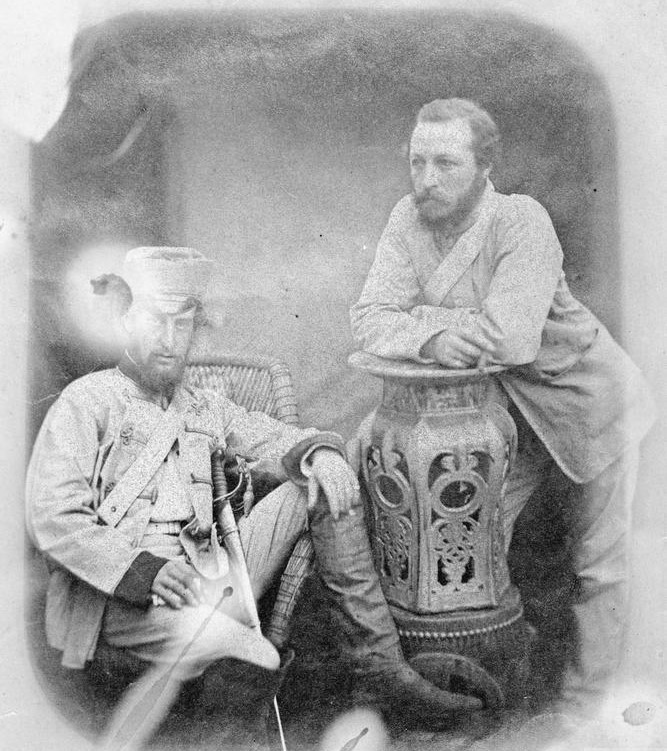
Captain W. Headly – killed in action
“Almost at the same moment, the finest soldier in our Battery, and the best Artilleryman I have ever
known, Sergeant Major Alexander Lamont, had the whole of his stomach carried away by a round-shot.
He looked up to me for a moment With a piteous expression, but had only the strength to utter two words,
“Oh! God!” when he sank. dead on the road. Just then another round shot took off the leg high up the
thigh, of the next senior Sergeant, John Kiernan; he was afterwards carried back to the Alum Bagh , but soon died from the shock. Kiernan was an excellent specimen of a Roman Catholic, North of Ireland soldier. He was as true as steel.” (Maude)
Colour Sergeant Alexander Lamont- killed in action.
Sergeant John Kiernan – dangerously wounded, missing.
Corporal Joseph Howard – killed in action. Attached to Bengal Artillery
Bombardiers
Richardson, William – wounded
Roberts, John – several wounded in leg. Amputated
Gunners
Armstead, Samuel, killed in action. Attached to Bengal Artillery
Aspell, Patrick -severely wounded
Boswell, Arthur – killed in action
Britt, John – severely wounded. Right arm amputated
Callaghan, Thomas – slightly wounded
Carter, James – killed in action
Cartwright, Richard – killed in action
Coles, Robert- wounded and missing
Cook, Thomas – killed in action
Heaney, Patrick – wounded
Holmes, John – slightly wounded
Lamb, Samuel – severely burnt by gunpowder
Lockhart, William – slightly wounded
McGany, Owen – slightly wounded
McGrath, Joseph – wounded and missing
McNamara, William – killed in action. Attached to Bengal Artillery
Morris, Salmon – killed in action. Attached to Bengal Artillery
Richardson William – severely wounded
Young, Thomas – wounded and missing
Walsh, Maurice – wounded
Gunners and Drivers
Carter, James – killed in action
Daniel Dawson- severely wounded
Maude’s Battery followed the 84th to the Char Bagh and unlimbered their guns at 150 yards opposite the bridge. Under a murderous fire from the insurgent’s guns on the far side of the bridge. With one shot they disabled one of Maude’s guns and the greater portion of the detachment serving it was killed or wounded. Volunteers from the 84th were called for by Captain Willis – Private Jack Holmes was the first man to step up and others quickly followed his example. The gun was again served and the men remained with it for the rest of the day. For his actions on the 25th, Holmes received a VC.
“As we halted for a few. moments opposite the Alum Bagh, before finally moving off in column of
route, a nine-pound shot came from one of the enemy’s batteries, and struck one of my gun-bullocks
fairly on the left ribs. The loud thud was distinctly heard in the silence of that serious moment. The shot dropped, completely spent, at the bullock’s feet. But, as we looked, a large dark lump swelled out on
the poor beast’s white flank, and in two or three seconds it quietly sank down and died.” (Maude)
The Bengal Army
Bengal Field Artillery
Brigadier George Lewis Cooper – killed in action Aged 45. Son of Major-General George (Bengal Army)
and Jane, of London. Husband of Mary Griffin.
“The last I saw of Cooper was on the following morning (the 25th) as he stood, among a group of officers, under the shelter of the Alum Bagh Gateway, when we passed down the road to our fiery ordeal. He called out to me, “Good-bye, old fellow!” A somewhat uncomfortable salutation, which I can only explain as the result of a foreboding of his coming death. A few hours later he was shot through the head.” (Maude)
Colonel Francis Ruddle Bazely – killed in action Aged 50. Son of Captain Henry (Royal Navy) and Mary, of Dover. Husband of Susan Denson.
2nd Lieutenant James Alexander – slightly wounded
Sergeant John Knox – wounded
Farrier Sergeant Bartholemew Hernon (2nd Oudh Lt. Field Battery) – killed in action
Bugler Robert Tuncliffe – wounded and missing
Gunners
Cameron, J.- wounded
Cartey, Edward – wounded. Died of wounds 16 October 1857.
Carter, Edward – dangerously wounded. Died of wounds
Fitzgerald, Edward – wounded
Flynn, Timothy – killed in action
Killaghea, Peter – wounded
Mulloy, Hugh – wounded
Sheehan, John – wounded and missing in action
Bengal Horse Artillery
Captain William Olpherts – slightly wounded, Char Bagh Bridge.
“The bridge, which it was evident from the amount of gunpowder found close to it, the enemy had meant to blow up, was intact. The gunpowder, being carelessly handled, exploded, causing some loss, especially in the 90th. By this time our wounded were numerous. From behind the garden walls, along our advance, the firing was severe. At this time, during a short check, I saw Olpherts haranguing his men, praising them for the quick capture of the enemy’s gun on the side road. The men, on their part, wished him to dismount, as the enemy was firing very effectively from the wall of the garden just there. Olpherts had hardly done assuring the men that the bullet was not yet cast which would kill him than he fell back in his saddle, wounded in the left shoulder. I went up to him, but, as the wound was superficial, he refused all aid.” (Surgeon Anthony Dickson Home).
Bombardier William McNamara – killed in action
Gunners
Armistead, Samuel – killed in action
Canty, Edward – killed in action
Kelliger, Patrick – killed in action
Malloy, Hugh – wounded
Morris, Simon – killed in action
1st Bengal Light Cavalry
Attached to Barrow’s Volunteer Cavalry
8th BNI
Lieutenant James A. Grant – severely wounded
13th BNI
Lieutenant William George Cubbitt – slightly wounded
30th BNI
Lieutenant Edward John Wild – killed in action
48th BNI
Lieutenant George Corham Huxham – severely wounded
The Volunteer Cavalry
Lieutenant R.G. Birch (1st Bengal Light Cavalry)- severely wounded by a musket ball in the leg
Lieutenant Lynch (70th Foot) – severely wounded in the right shoulder by a musket shot. Commanding Troop. Succeeded Captain Sheehy (HMs’ 8’th) as 2nd in Command after Sheehy succumbed to cholera at Cawnpore.
Lieutenant C.H. Palliser (63d BNI)- slightly wounded in the head, grazed by a bal inside right thigh
Lieutenant W.O. Swanson (7th Madras Infantry) – wounded. The bearers discarded the doolie in which he had been carried, and Swanson was left where he lay until the 27th when some men of his own regiment found him. He had seven gunshot wounds but none of them proved fatal.
Corporal Green – a Civilian Volunteer – wounded severely in the head
Privates
Beagley, Frederick – dangerously wounded. Died of wounds
Blogg, James (5th Foot) – dangerously wounded. Died of wounds
Carthy, Daniel (84th Foot) wounded
Doran Patrick (64th Foot) wounded
Gallagher, Patrick – (78th) killed in action
Maloney, Matthew – (64th) dangerously wound. Died of wounds
Rathbone, James (90th) – dangerously wounded. Died of wounds
Shackley, J – ( 1s Mad. Fus) killed action
Slevin, J (1st Mad. Fus) dangerously wounded. Died of wounds
Four gentlemen, serving in the ranks were likewise wounded or killed. They were given the rank of Trooper
Troopers
Mr. C. Carr – killed in action
Mr. Erskine – dangerously wounded. Died of wounds
Mr. Roger Goldsworthy – slightly in the hand
Mr. Volkers – wounded
Captain Lousada Barrows remained unhurt but he had 2 horses shot under him.
12th Irregular Cavalry
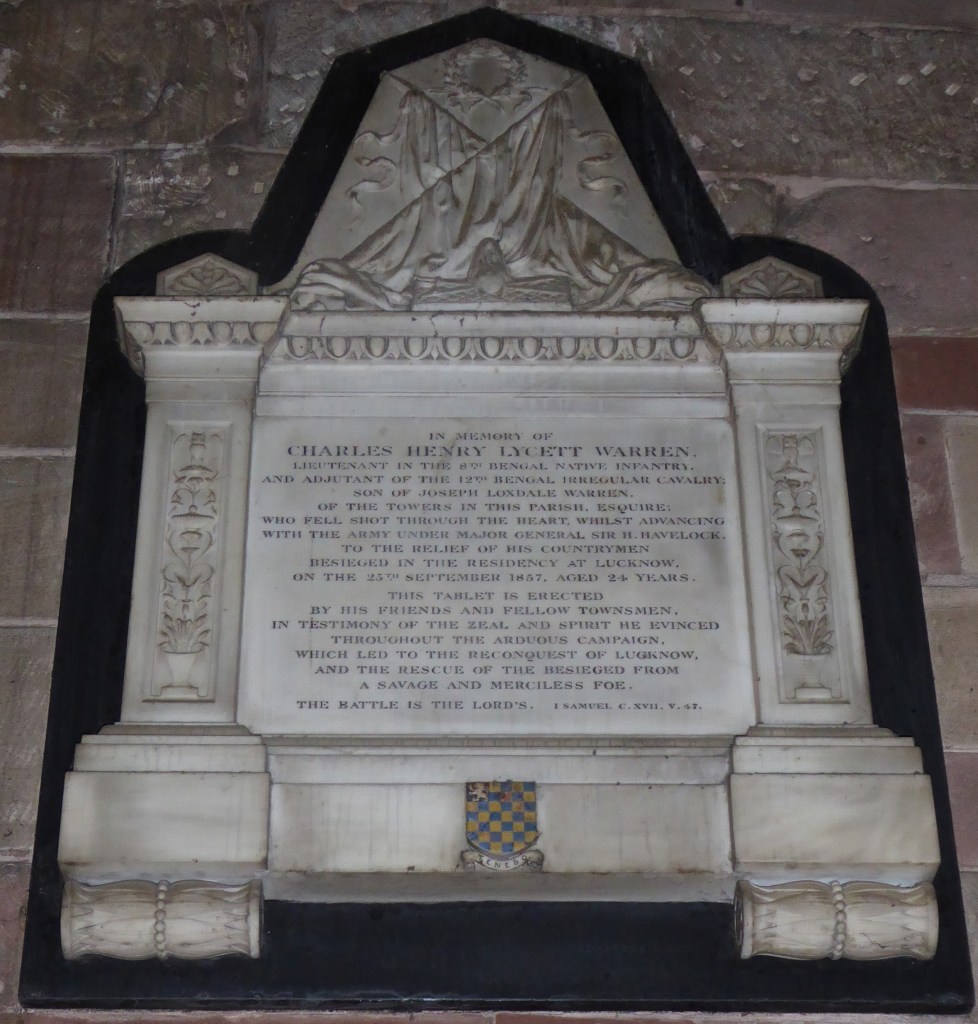
Lieutenant Charles Henry Lycett Warren (8th BNI, attached to the 12th Irregulars)- killed in action
Son of Joseph Loxdale Warren, of The Towers, Market Drayton, Shropshire. Aged 24.
“We came through a terrible fire, and it was coming up one of these lanes that poor Warren, my adjutant, was shot dead through the heart close to me. He was riding alongside me. He died instantaneously; he was a dead man before he reached the ground. I jumped off my horse and put him in dhooly that was passing at the time, and told the bearers to hurry on with him to the front as fast as they could. This little business very nearly cost me my life, for on getting on my horse again I found I was the last in the lane, and a body of the enemy firing straight into me, at about sixty yards. I was in hopes I should have recovered his body, but I never could find it again. I greatly feel his loss, and though I had only been with him about a month,
we were great friends. He was a man I could always trust to do any duty for me, and he always did it
cheerfully and well. Besides, he was an excellent companion, and always in good spirits.” “ (Johnson in a letter to his mother).
Johnson was in the rearguard covering the spare ammunition and wounded and managed to rejoin the main column late in the afternoon. During the night of the 25th of September, he dismounted half his troop of Irregular Cavalry who with led horses and with his friend Dr. Greenhow (they had served together in the 1st Oudh Cavalry), proceeded of his own accord from the Residency to the Moti Mahal to bring in any wounded he could find. The horses were t put to use transporting the wounded back to the Residency. In all, the party saved 20 men. Lieutenant Johnson tried in vain to secure a VC for Greenhow but neither man received any recognition for their deed. Johnson was only made aware the next morning that more wounded men had been left behind in the Moti Mahal under Colonel Campbell.
 Mutiny Reflections
This is some history you are compiling here. And what stories. And – for me – listing to the names adds emotional reality to this. All those names. I can only imagine who thy were and why they enlisted and what their other options in life were. When mindless idiots bang on about imperialism and colonisation I know they have no idea. The truth, the facts, the history are always way more complicated than the ideology would ever allow for.
LikeLiked by 1 person
Richard Holmes wrote an incredible book called Redcoat that left quite an impression on me as it went into the lives of the men and boys who enlisted. Many did so from desperation, fleeing poverty and starvation. For the most part, they were not educated, many would not have known where they were going. Their lives in many cases were short, rough and brutal. But they were soldiers, and belonged to one of the most disciplined armies in the world. Terrible things were asked of them and they did their duty and died for it. We honor the men of WWI and WWII but we forget the men in unfashionable wars. But every one of those names was someones son too. Writing these returns is quite emotionally draining. I also want people to see the battles that is why I put the details of animals, of wounds and destruction. No one marched in and simply took over. The history, as you say is far more complicated and in all the blabbering about imperialism people no longer see the forest for the trees. Thank you for reading!!
LikeLiked by 1 person