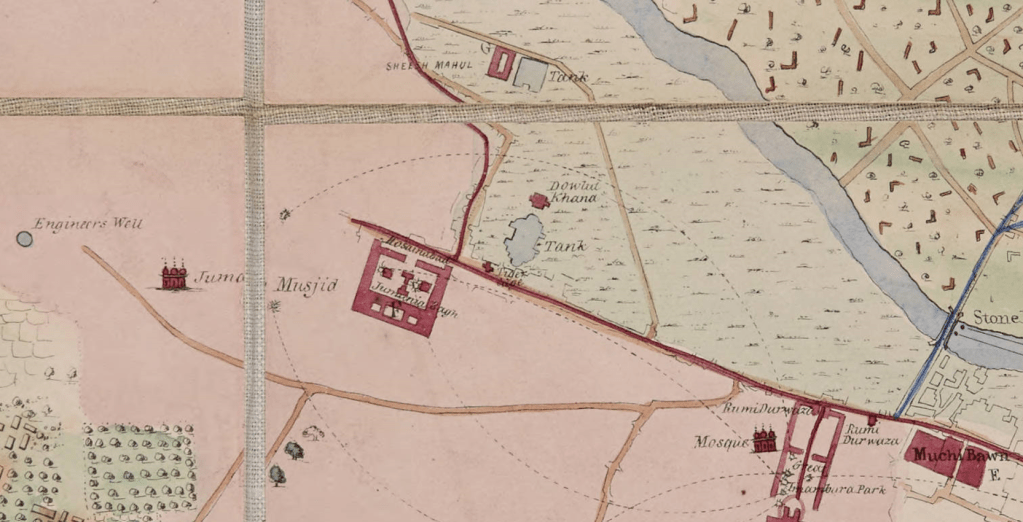
On the morning of the 17th, the Gurkhas occupied the Char Bagh and took up a strong position on the Cawnpore Road. The morning’s objectives were all on Sir James Outram – he was to take the Dowlut Khana, the Jamuniya Bagh and the Jama Masjid, putting an end to the effective operations of the rebels in Lucknow. The Gurkhas were called to assist in the taking of the Jama Masjid.
However, the Gurkhas were in for an invigorating start to their day. A stray force of insurgents, hardly any where matching the number of Gurkhas they planned to attack, but with a certain level of bravado, decided they would put the Nepalese to the test. By the time they realised the gravity of their mistake, they were beyond help.
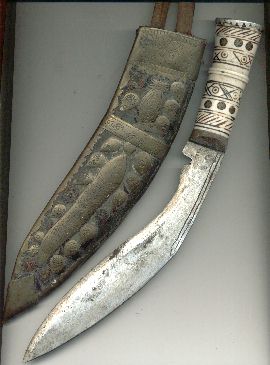
While they were still working out how to take on the Gurkhas, Jung Bahadur ordered his men to form two columns and meet their foe head-on, only armed with their kukris. With a cry of “Jung Bahadur ko jai!” the Gurkhas set off at a run and dashed straight into the centre of the insurgents. The attack was so swift and deadly that the insurgents had neither the chance to fire off their matchlocks or indeed gather themselves in any recognisable formation – the Gurkhas used their kukris with such skill and courage a British officer, who happened to be watching the whole scene play out, later remarked to Jung Bahadur that it was really no use casting heavy guns or manufacturing weapons of any kind; the kukri would do just as well. With the skirmish out of the way, the Gurkhas wiped off their blades and continued on their march, taking all the remaining rebel positions as they skirted around Lucknow, manned or not, capturing guns and putting anyone too startled to run to the blade until they reached Sir James Outram.
For his part, the day could not have started off any better. The buildings he had set out to capture turned out to be either abandoned or so sparsely occupied, it was hardly worth mentioning. The rebels had prepared their defences well and with the obvious intention of holding their own, but the last few days had demoralised them to such a point that many simply threw their weapons away and walked off, never to return. They did, however, leave behind a nasty surprise.
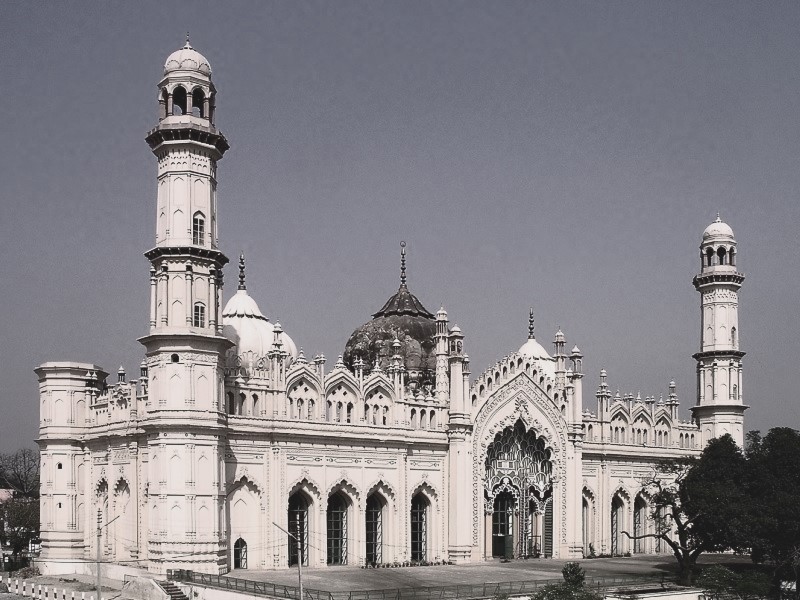
As in many of the positions held by the rebels, large quantities of loose gunpowder were found, sometimes deliberately strewn about or hidden away in dark rooms (like in the Shah Najaf in November), or out in the open, scattered along the streets and stored in large clay jars. At the Jama Masjid, things were different – here the powder was packed in tin cases and leather bags. The containers had been loaded onto a number of carts in a rear courtyard of the building, ready for transportation. The advance had already been marred by jars of powder lining the road, which Lieutenant Lang was ordered to immediately soak with water. While he set about his task, two other engineers proceeded to the Masjid itself.
For Sir James Outram, this presented a problem – he needed to occupy the building, but until the powder was gone, it was simply too dangerous to leave anyone there. The men, as he knew from experience, were careless with their pipes; the last thing he needed was to kill off anyone needlessly. Captain Clerke (Royal Engineers) and Lieutenant Elliot Brownlow (Bengal Engineers) were put in charge of destroying the powder. After some thought, the engineers decided by far the easiest thing to do would be to take the carts and dispose of the whole lot in a large and deep brick-lined well, adjacent to the Masjid. At the well, a line of men was formed, and the cases were then passed from hand to hand as rapidly as possible, with the last man tossing the container in the well.
No one would know what happened next with any certainty. All that could be ascertained was a sudden flame of fire flashed u from the well with a deep rumble, that ignited case after case along the line until the carts were reached, which likewise exploded. Caught in the blast were not only the engineers but no less than 40 others, chiefly men of the Brayser’s Sikhs and sappers. Seeing the black plume of smoke rising higher and higher in the air, Lang rushed to the well, but there was nothing he could do. All the carts were in flames, and lying strewn across the scene were scorched bodies of the men, some so close to the fire they could not be reached.
By some terrible luck, Brownlow and Clerke survived the explosion, but their fates were sealed. Poor Brownlow lingered on for the remainder of the day and through the night, dying early the following morning; Lieutenant Lang, his bosom friend, sat by his side the whole time. Clerke never regained consciousness and died an hour after the blast. In all, 22 men were killed outright, while the remainder received injuries in different degrees- the only survivor who was practically unscathed was the man who had thrown the fatal case down the well. He was blown to the ground and rendered quite senseless, but he eventually recovered. As was the case in accidents like these, no one counted how many camp followers lost their lives. It was generally believed the gunpowder found in Lucknow had been deliberately placed as such by the departing mutineers, primitive but devastating booby traps.
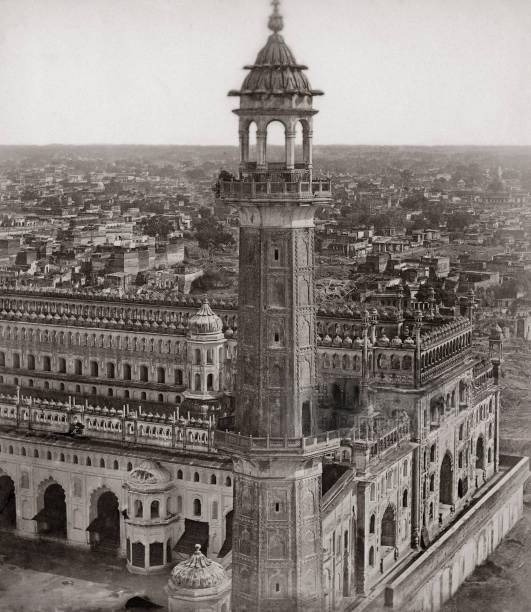
In Lucknow proper, there was little left to be done. The rebels and their insurgent comrades had all practically decamped from the city – the few who had chosen to remain were routed out and killed wherever they were found. The 18th of March was a day of desultory street fighting and given over to plundering. Coolies were also put to work burying the dead bodies found in the palaces, gardens, enclosures and houses, which in most cases, they simply disposed of in hastily dug pits or buried in the trenches of the defensive lines. Vultures, too gorged to fly and pariah dogs too fat to run, grazed lazily around the streets, and everywhere the smell of death permeated the air.
 Mutiny Reflections