The mutiny in Meerut and Delhi spread like wildfire through India. While many believed it was a passing problem, Sir John Lawrence in the Punjab believed only the sternest measures would now suffice. The troubles had already spread to Ferozepore in Lawrence’s domain; the time to act was now before the fire turned into an uncontrollable blaze.
The British had several problems, and they all came crashing down at once, beginning with a lack of European troops. These were spread out thinly over several cantonments at considerable distances from one another. As it was not clear if more Bengal regiments planned to mutiny, it was considered unwise, for the moment, to move troops out of potentially mutinous stations. As the summer was just beginning and no one had dreamed they would have to march anywhere in May, the troops were effectively in their summer quarters; everything needed for a prolonged campaign was safely stored away in the Magazines throughout the Bengal Presidency.
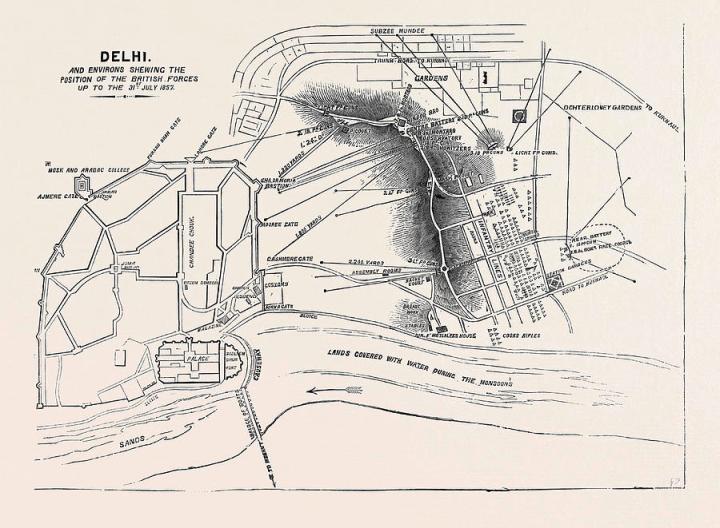
However, mobilise they would have to, and the objective was to retake Delhi as speedily as possible.
- The March Begins: The Commander-in-Chief has a plan
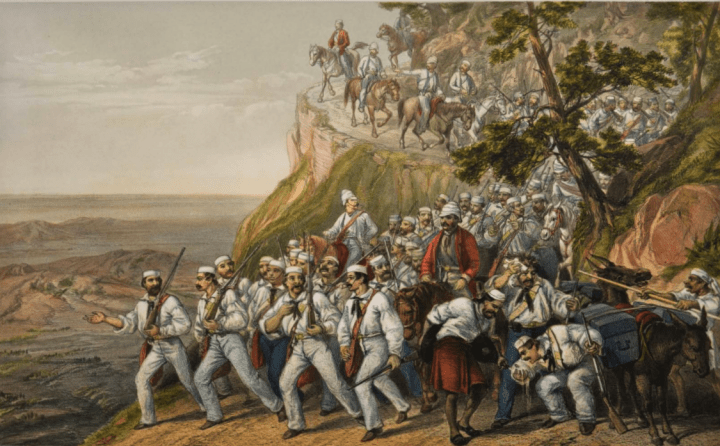
- On To Delhi! – Brigadier Wilson marches from Meerut and fights
- The Mutiny of the 60th Regiment Bengal Native Infantry – events in Ambala
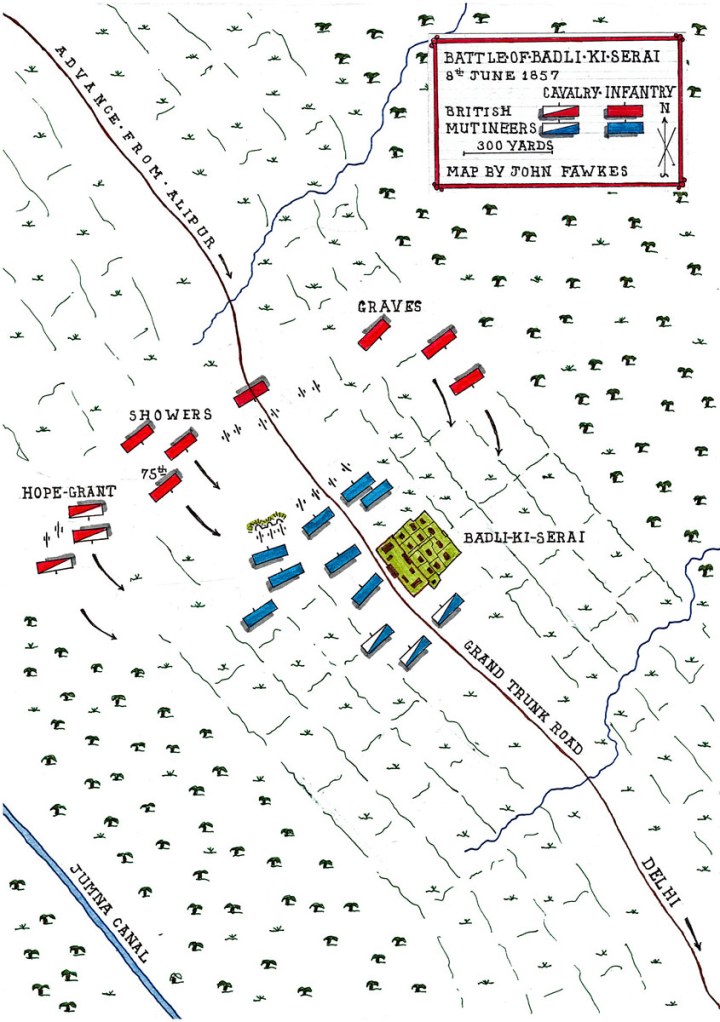
- Badli-ki-Serai – the first full-scale battle of 1857 and the rush to the Delhi Ridge
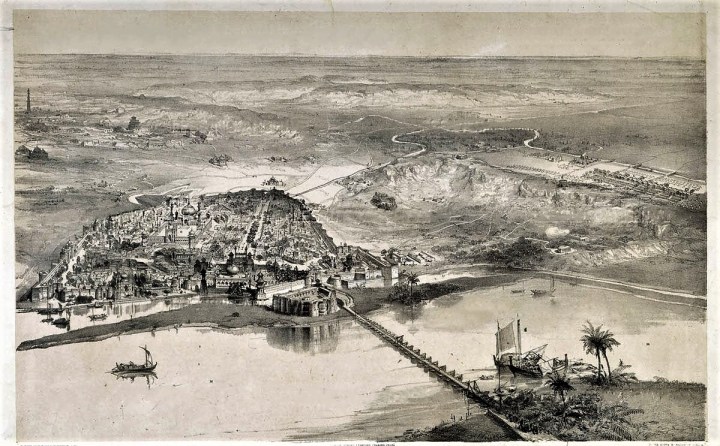
- On the Ridge: events in June and the start of the siege
- Returns of June 1857, Before Delhi
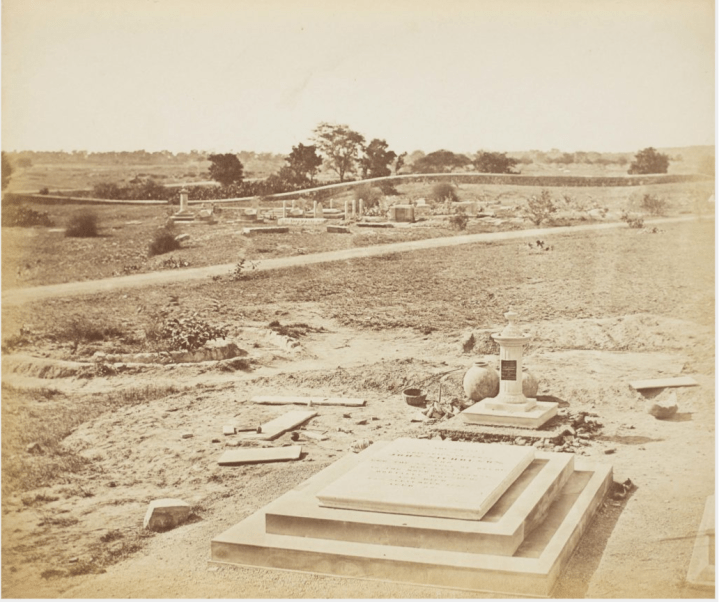
The Victoria Crosses for Badli-Ki-Serai and June 1857 on the Ridge
The VCs of Badli-ki-Serai
Colour-Sergeant Cornelius Coughlan, HM’s 75th Regiment
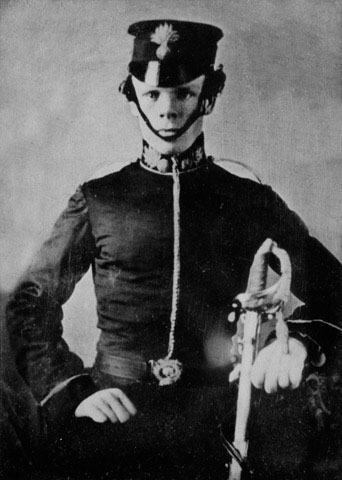
Lieutenant Alfred Stowell Jones, 9th Lancers
Sergeant Henry Hartigan, 9th Lancers
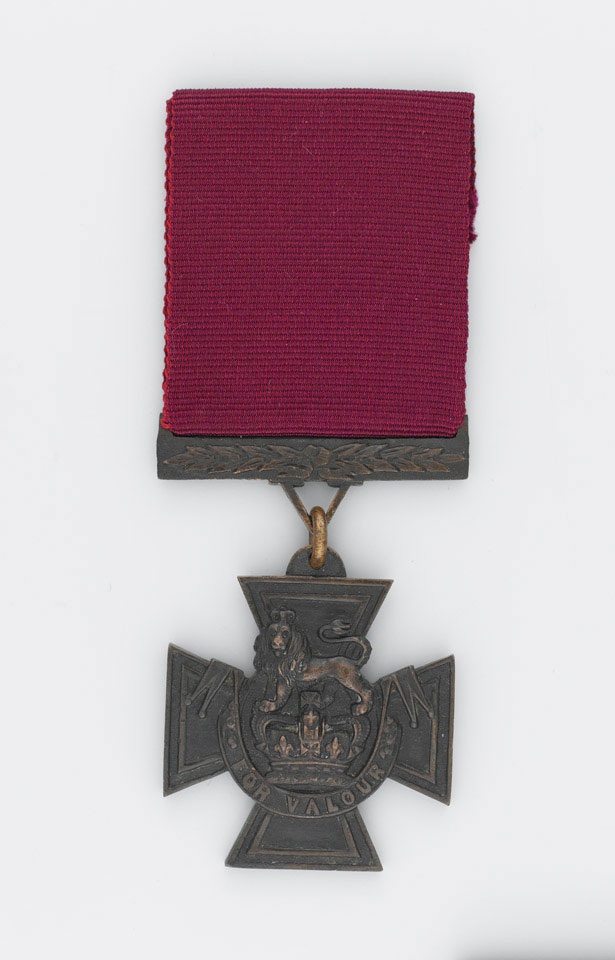
For Valour – The Delhi VCs
Thomas Cadell, 2nd Bengal European Fusiliers
Thomas Hancock and John Purcell, 9th Lancers
Samuel Turner 60th Rifles
John McGovern, 1st Bengal European Fusiliers
It would be hard fight to retake Delhi and the story continues in
However, mutiny had also reared its head in the Punjab, but the situation was quite different from Delhi.
Meeting the Crisis – the Punjab
 Mutiny Reflections