The Relief of Lucknow would begin with the evacuation of the Residency garrison. Sir Colin Campbell was adamant that there would be no continuation of the blockade; Lucknow itself would be abandoned, to be taken for good on another day.
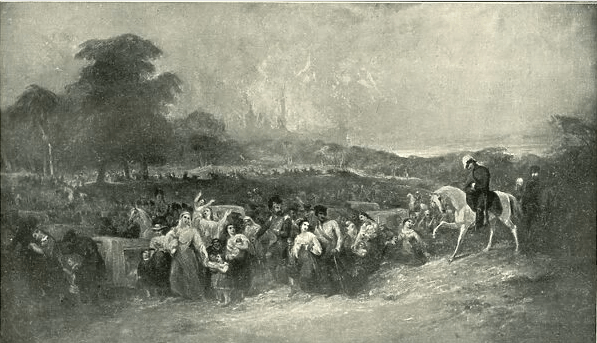
The garrison, utterly unprepared for his decision, would now scramble into action. There was packing to do, but orders on how they were to carry their belongings were jumbled, set in stone and then just swiftly retracted. While the women gathered together their possessions, the Residency itself would be left in as much disorder as possible, as the engineers and the artillery decided what guns were useful and which would need to be spiked and abandoned. Outside the Residency, the engineers were busy constructing shields to hide the passage of the garrison through the line of posts in British hands. The evacuation would begin in all earnestness on the 18th of November and continue until midnight on the 22nd, when the last men would leave the Residency. Although the rebels were aware that Sir Colin was up to, they had been kept just busy enough that their eyes were momentarily averted from the Residency itself – it would not be until the next day that they would realise Sir Colin Campbell had thwarted them in a very masterly fashion.
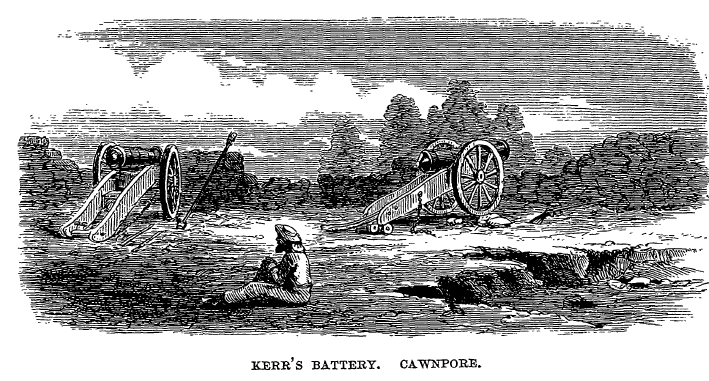
The retreat to Cawnpore would begin with sad tidings for Sir Henry Havelock, as he was now titled; he would not manage the retreat past the Dilkusha. His sad funeral at the Alambagh would bring back to everyone just how much he and the others had sacrificed for Lucknow. There was, however, no time for grief – Sir Colin Campbell was eager to return to Cawnpore, for he had an inkling something was very wrong. His misgivings would prove correct. Lumbered with a long train of “impedimenta” as he called the Lucknow women and children, he would be met with the astonishing news that Brigadier Windham had, contrary to orders, fought a battle and very nearly lost.
The story then continues in:
Cawnpore, Retaken
 Mutiny Reflections