In May 1857, a singular calm prevailed in Calcutta. The Cartridge Affair and the subsequent disbandings, the brief uprising, and trials at Barrackpore were over. While Carmichael-Smyth would throw a spanner in the works with this singularly stupid behaviour at Meerut, until the actual mutiny broke out and Delhi fell, Calcutta remained in its summer stupor.
However, calm can be deceiving, and Calcutta would suddenly, for no conceivable reason, panic.
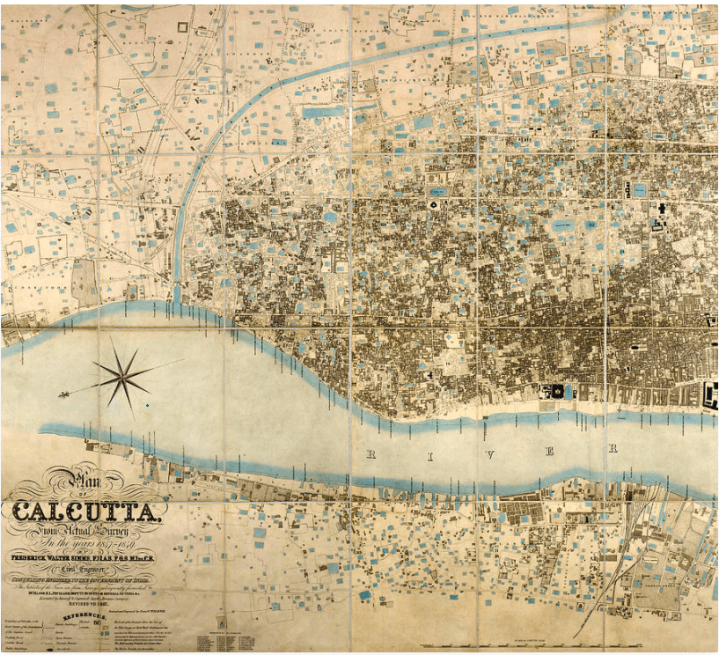
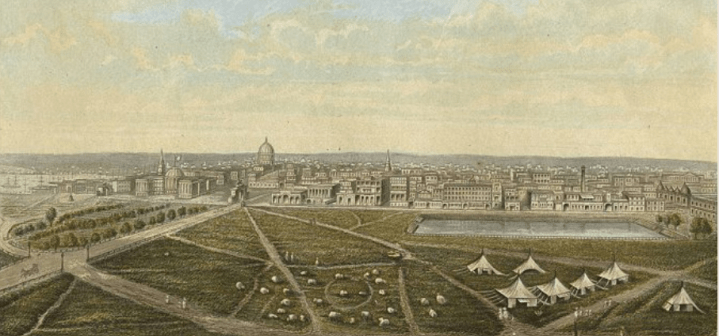
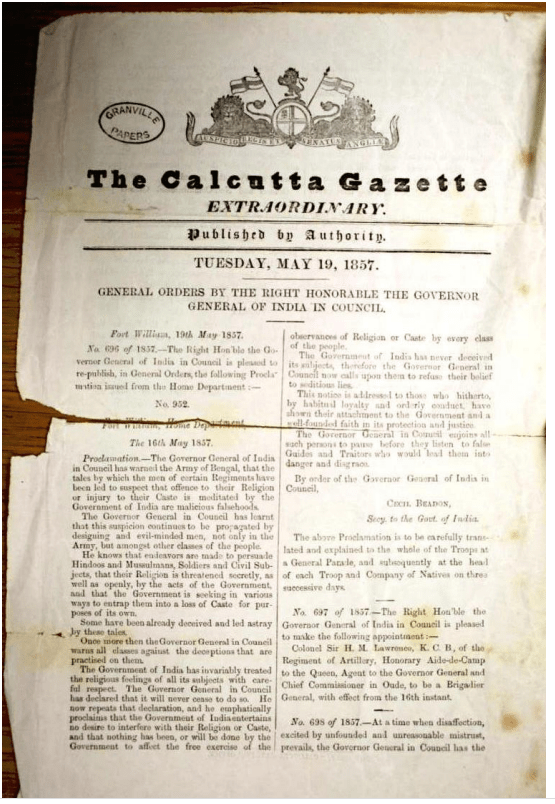
While the military rebellion raged elsewhere, life among the British elite in Calcutta continued with surprising normalcy. The city was heavily fortified, centred around Fort William. Residents enjoyed entertainment by travelling European performers, theatrical productions, and kept up with commercial shipping intelligence—even as the local newspapers reported on daily casualties and military sieges in places like Lucknow and Cawnpore.
To counter the mutiny, Great Britain launched a colossal military transport operation. Between July and December 1857 alone, the British government requisitioned 90 transport ships, including 29 modern screw steamers, to rush men over the 14,000-mile sea voyage to Calcutta. Regiments originally bound for colonial campaigns in China—such as the 5th, 82nd, 90th, and 93rd Foot—were urgently intercepted and redirected to Calcutta. Royal Navy warships like the HMS Shannon and HMS Pearl arrived at Calcutta’s ports. Their sailors and heavy ship guns were unloaded and organised into “Naval Brigades” that marched inland. Because the mutiny choked overland travel, troops were hurried up the Ganges River or via the newly opened section of the East Indian Railway toward active war zones.
In 1857, the East Indian Railway (EIR) was in its absolute infancy, and although the network was far from complete, the available tracks altered the logistics of troop transport out of Calcutta. When the uprising began, the vital Raniganj Section, a 121-mile stretch of rail, was the only functional segment in eastern India. The grand plan to connect Calcutta directly to Delhi and Allahabad was completely halted by the conflict. This “experimental” mainline stretched from Howrah (across the river from Calcutta) to the coalfields of Raniganj. Troops were loaded directly onto trains at Howrah station and then transported to the railhead at Raniganj. From Raniganj, soldiers disembarked and resumed the journey toward Benares and Allahabad, via traditional marching or carriage relays. Before the railway, moving regiments inland from Calcutta required a gruelling, weeks-long march or a slow journey up the winding Ganges River via bullock carts and riverboats, so while it was on 121 miles, it effectively shortened the journey by at least a week.
Calcutta would remain as the seat of power with Governor-General Lord Canning operating out of Government House in Calcutta, issuing all strategic, diplomatic, and military decrees. Furthermore, it was the only point in India that managed to maintain uninterrupted telegraphic and postal communication with London, allowing the British Cabinet to coordinate global troop movements.
As the financial capital, Calcutta controlled the imperial treasury, customs revenues, and banking institutions needed to bankroll the massive military operation. Despite intense panic among European residents, the strict military guarding of the city and legislative crackdowns (like the Press Gagging Act) kept the capital stable, signalling to the world that the British regime remained intact.
 Mutiny Reflections