Barrackpore
The Barrackpore
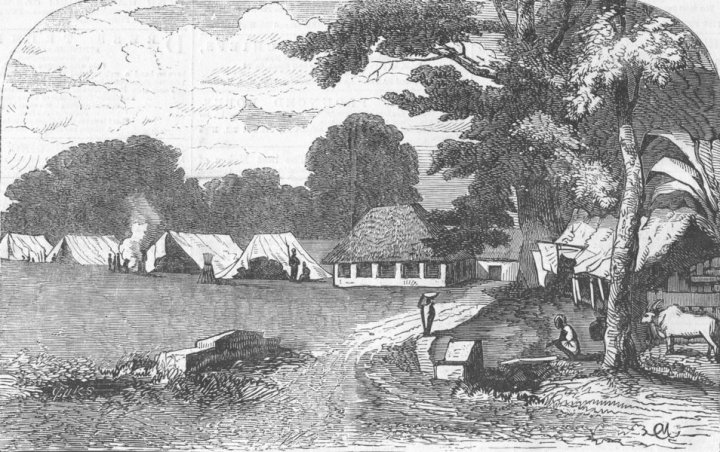
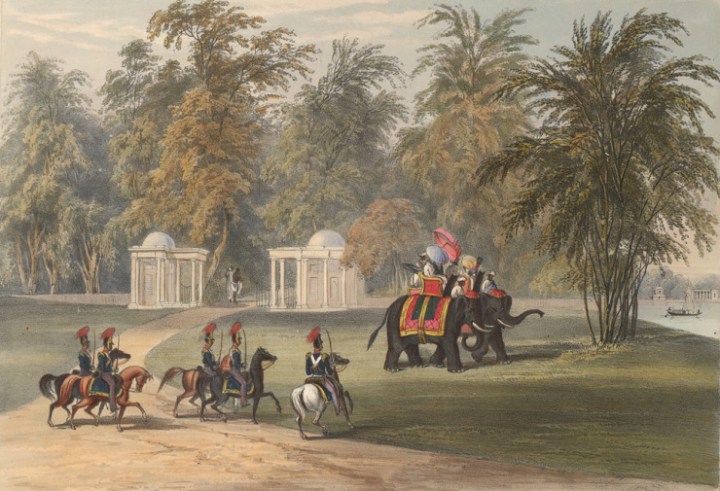
One of the earliest mentions of Barrackpore is in 1595 in the imperial text Ain-i-Akbari by Abu’l-Fazl. The area is recorded as a revenue-collecting mahal under the name Barbuckpur; however, the main settlement was known as Chanak, governed by Bengali Zamindars and centred around Nona Chandanpukur, which grew rapidly from the 15th century onward due to active river trade. Local lore links the name “Chanak” to Job Charnock, the founder of Calcutta. Charnock built a riverside villa and a bustling local bazaar here in the late 17th century, where his native Indian wife eventually passed away. In 1772, the British East India Company selected Chanak as the location for its very first military barracks. The area quickly became known to Europeans as Barrackpore. In 1785, the government purchased a large bungalow and 70 acres of land for the British Commander-in-Chief. Lord Cornwallis became the first Governor-General to occupy it. Because it was beautifully positioned along the river, the British built a sprawling estate here, known as the Government House/Lat Bagan, which served as their premier weekend escape from the suffocating heat and politics of Calcutta.
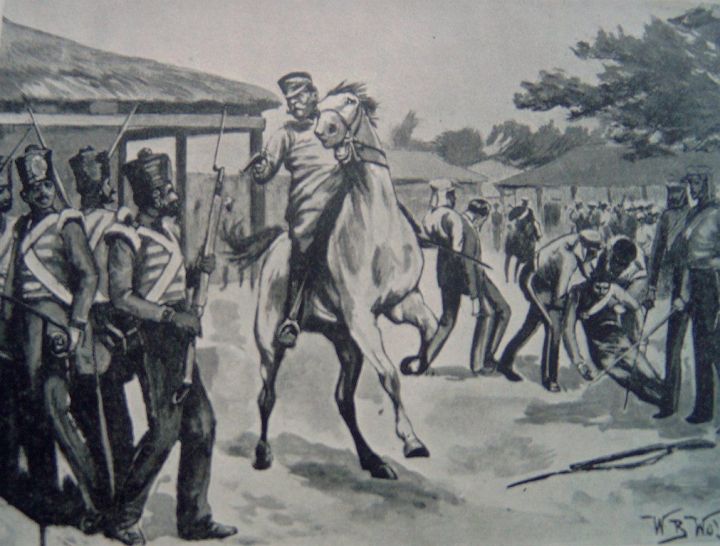
Thirty-three years before Mangal Pandey, Barrackpore witnessed the Barrackpore Mutiny of 1824; however, there would be no full-scale, prolonged uprising here, but the events would act as a catalyst for future events.
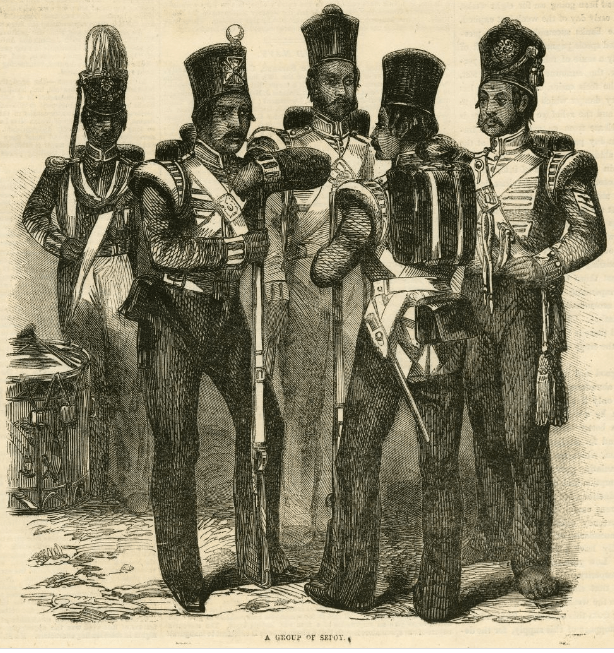
 Mutiny Reflections