Nasirabad to Beawar and Back Again
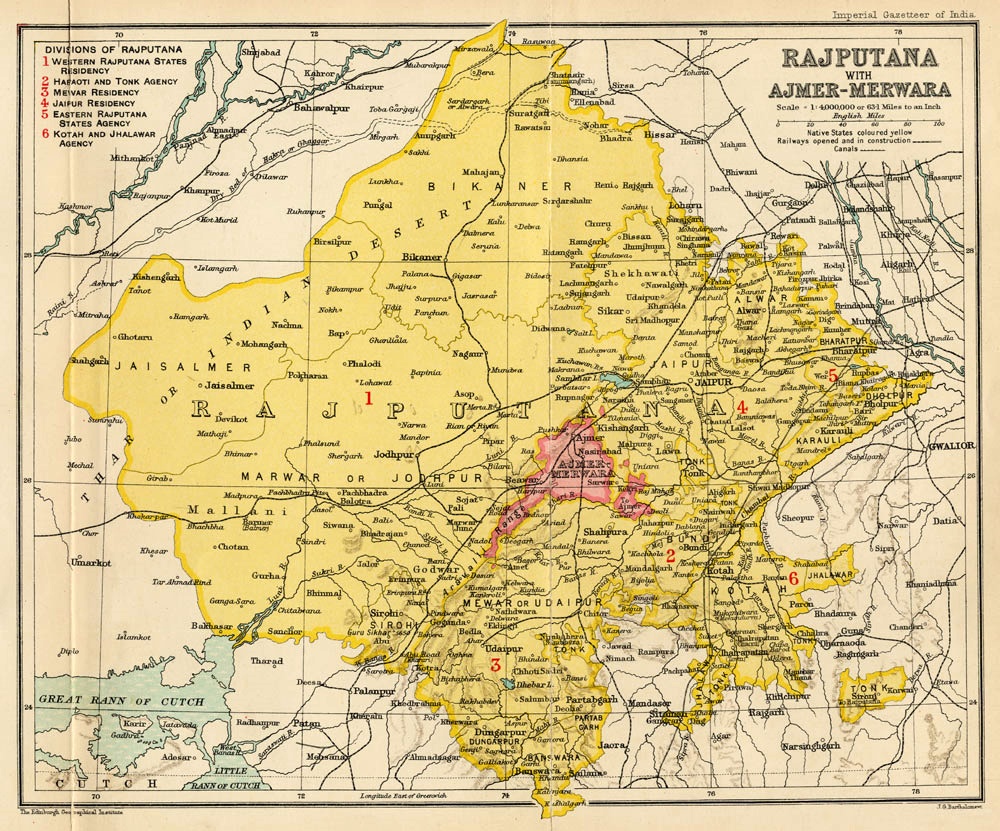
At the end of “Trust and Lies” we left Colonel Pritchard in Beawar, where he had arrived on the morning of the 29th of May with the other Europeans of Nasirabad.
It had been anything but a pleasant ride.
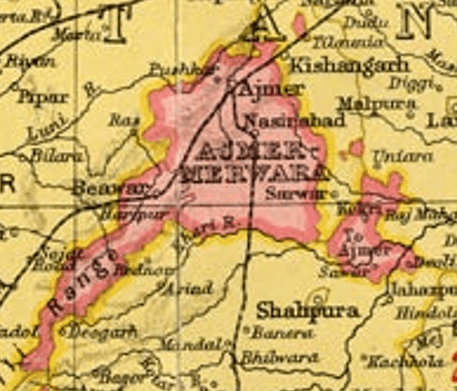
Forming what Pritchard called “the most motley groups or processions” he had ever seen. The march was disorganised from the first, still at the whim of their brigadier. They had started in the direction of Ajmer, but before they had proceeded very far, an officer galloped up and told Prichard the Brigadier had decided Beawar was the destination instead. Therefore, they had to make a detour as Beawar lay in exactly the opposite direction they had just traversed – the shortest route would have been through Nasirabad, which the mutineers were currently in the process of burning down.
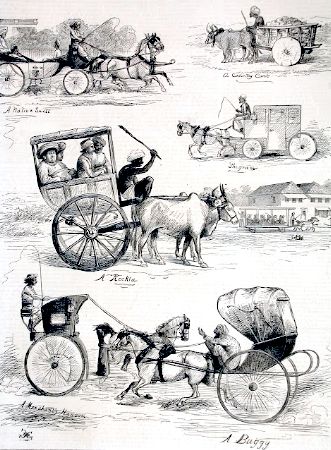
“We were very apprehensive of being followed, for the mutineers had a battery of horsed guns, and could easily have overtaken us and effected our destruction, hampered as we were with non-combatants; we therefore crossed the first or lowest range of hills, of very slight elevation, that flanked that portion of the Aravelli range of mountains which, as I have said, confronted Nusseerabad at about the distance of eight miles from the station…” The various patheons, shigrams, carriages and conveyances carrying the nine families and civilians from Nasirabad were not constructed for rocky roads, much less for navigating dry-water courses, steep river banks and broken paths. Carriages overturned and were righted; wheels broke and were tied together with rope; the ladies intermittently scrambled along on foot as their carriages were being carried or pushed over obstacles, or hung on for their lives as their conveyances swung ferociously from side to side over unmanageable paths. During the march, Colonel Penny of the Lancers fell off his horse and died, apparently of heat apoplexy. His body was tossed into a hastily acquired cart.
With a hot wind blowing and the lurid glare of the burning station lighting up the sky, the night could not end too soon. They had packed no provisions, not even mussack of water; their first drink came at a brackish, muddy well, some five hours down the road. Each successive village that they passed through the night turned out armed and hostile – the presence of the 1st Lancers at the fore and rear of the column kept aggression at bay. No one molested them, but neither was any hospitality forthcoming.
By 1 o’clock in the morning, the party found itself at the dak bungalow at Leree. While the ladies and children slept indoors, the men lay down on the ground outside, or on the veranda, some remained on the steps. They were still only 18 miles out from Nasirabad and still had another 16 to go. The Brigadier and some of the senior officers decided it was high time to make a plan and called a “council of war.” The Brigadier now wanted to stay at Laree while a reconnoitring party was sent back to Nasirabad to assess the state of the place; if it was empty of rebels, then he proposed they return. The other officers vigourously opposed his idea, and when the remaining officers of the 30th – who had been presumed dead- suddenly made their appearance, it was decided the journey would continue after all. Meanwhile, Pritchard had had about all he could stand – there was nothing to eat at Laree, much less any possible means of defending a thoroughly impossible dak bungalow. As such, he left the column with hardly a halt and with his wife and a few of the other officers and their wives, they reached Beawar the following morning at ten, ahead of the rest.
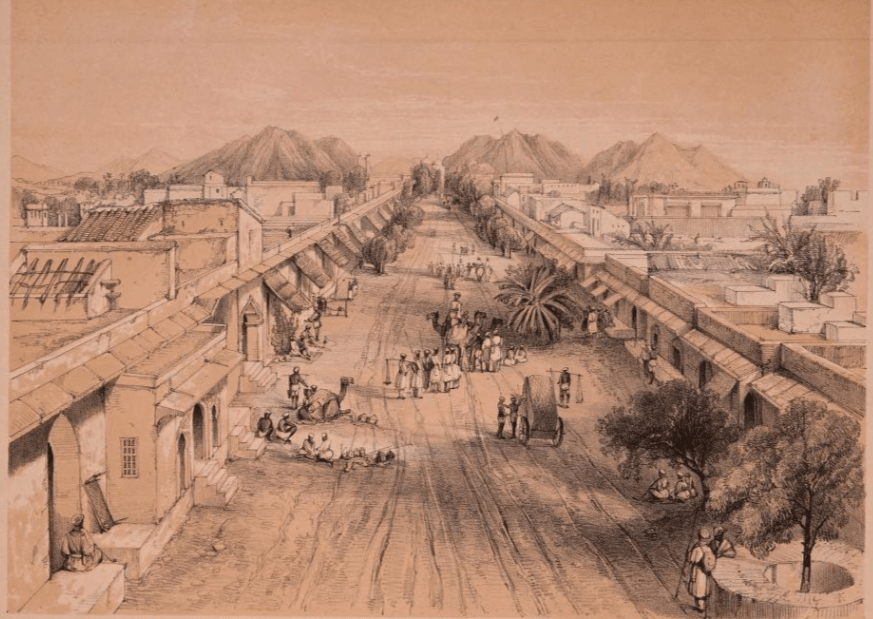
They arrived at the District Commissioner’s house, imagining a fine welcome. Instead, they were left to sit out in the sun in the compound. As they waited, the servants milled around, but not one came forward, and Colonel Dixon was nowhere in sight, nor had anyone gone to inform him. Finally irritated beyond patience, Pritchard and the other officers sequestered an empty house nearby, left their horses in the deserted stables, tried to coax a few grasscutters to feed the animals and then sent word to the local baker to bring some bread. The answer returned was sobering- they could have some, but only if they paid first.
Dr. Small, the station’s medical officer, having been made aware of their plight, came to their rescue. He and his wife quickly opened their doors to nine families. Meanwhile, the officers of the 1st Lancers who arrived a few hours later, had no qualms about sequestering Dixon’s house along with the bachlors of the party and soon with, “the ravages of the locusts…put up within the walls of his spacious domicile, and a wholesale consumption of beer and cheroots and provender of all kinds succeeded.”
It was hardly Colonel Charles George Dixon’s fault. After so many years of hard and relentless toil, he was dying. During his lifetime, he had established the walled town of Beawar (named Nayanagar by Dixon) in 1835 and had governed the combined districts of Ajmer and Merwara with kindness, energy and enthusiasm. “Before he died, he had the satisfaction of seeing around him a people whose wants had been supplied, whose grievances had been redressed, and who were described as being most prosperous and highly favoured.” At the age of 62, India had worn him out, and he died a few days after the Lancers left his hospitality.
The Neemuch Fugitives
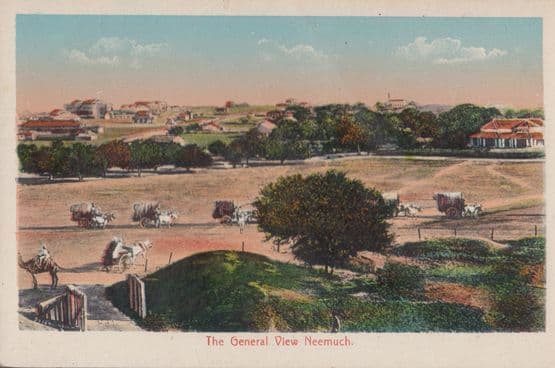
Unlike the officers and civilians of Nasirabad, those at Neemuch had more worries than an apoplectic colonel, hot wind and nothing to drink. The last men to leave the fort were Captain Macdonald and his officers, while Brigadier Abbott Lieutenant Ritchie and Assitant Surgeon Cotes first escorted a party of escapees to the village of Daru. They then returned to the cantonments to see if they could bring anyone else away – they only met the officers of the 1st Cavalry with whom they “hovered about “ the burning station until daybreak before returning to Daru.
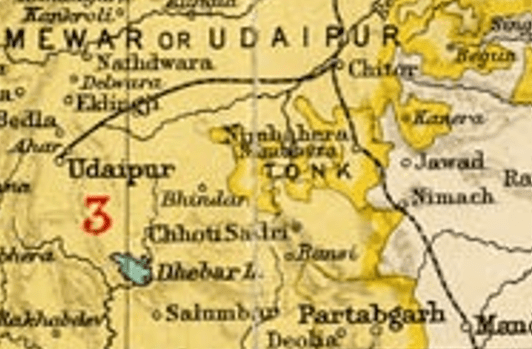
The Neemuch fugitives had all made their escapes, but not everyone went the same way. Some made their way to Jawad, where they arrived at seven the next morning. They were met five miles outside the small fort by the Assistant-Superintendent Charles Burton (the eldest son of Major Charles Burton of Kota), who brought them to his bungalow. They were hospitably welcomed by Burton’s mother and daughter.
The Major had left the Kota troops at Deekeen, some 25 miles distant and had ridden over to Jawad if nothing more than to soothe some frazzled nerves. It was just as well he was there – the next day, at 1 in the afternoon, a man rushed into the bungalow with a letter written in Marathi, purporting to come directly from the Neemuch Brigade, and it stated most emphatically that the brigade was on their way to Jawad. Dismayed by the news but not waiting to find out if there was any truth in the message, the party hurriedly made their escape towards Deekeen, where they arrived at 9 that night. The next day, intelligence allowed that they could return to Jawad, but Burton’s troops” showed a decided disinclination to move in the direction of the mutineers…” and their only option was to stay. While Burton would return to Jawad, and Major remained with his men, the fugitives made their way to Daru, where they found a party of Europeans from Neemuch.
In the meantime, Captain Macdonald, Lieutenants Rose and Gordon and Ensign Davenport of the 7th Gwalior Contingent walked to the village of Bari first, 13 miles from Neemuch. Unfortunately, the villagers were terrified and reported that the cavalry was on their trail – they would have to leave. After three hours of marching, they arrived at Chota Sadri to meet up with the rest of the Neemuch party, who arrived shortly after from Daru.
At Daru, Colonel Abbott and Lloyd had been waiting. The officiating political agent of Mewar, Captain Charles Showers, had been due to return to Neemuch on the 4th of June – his transportation was ready, and a tent was even pitched for him 12 miles from the cantonments, but Showers was nowhere to be seen. Lloyd had hoped to meet the man and make a plan, but no word came from the absent politico. Instead, the Thakur of Daru sent a message that the 1st Light Cavalry were searching the countryside for Abbott. Not waiting to allow them to secure his head, Abbott ordered the party to move to Chota Sadri, a walled town which would afford them some protection while remaining close enough to Neemuch in case Showers showed up. Unfortunately, the governor of the town was alarmed by the many Europeans entering his town and recommended that they move onwards to Bara Sadri, ten miles further on the Udaipur road. The party now consisted of 15 men, 6 women and 10 children. Travelling through the night, they finally arrived at Bara Sadri at 6 in the morning on the 5th of June. Hospitality was not quite forthcoming, and they finally received some food late in the afternoon -as soon as they had finished eating, the villagers insisted they leave. There was nothing for it but to make for Dongala – a small mud fort only 40 yards square – and they were left to shift for themselves as best they could, requisitioning a few cattle sheds for their shelter.
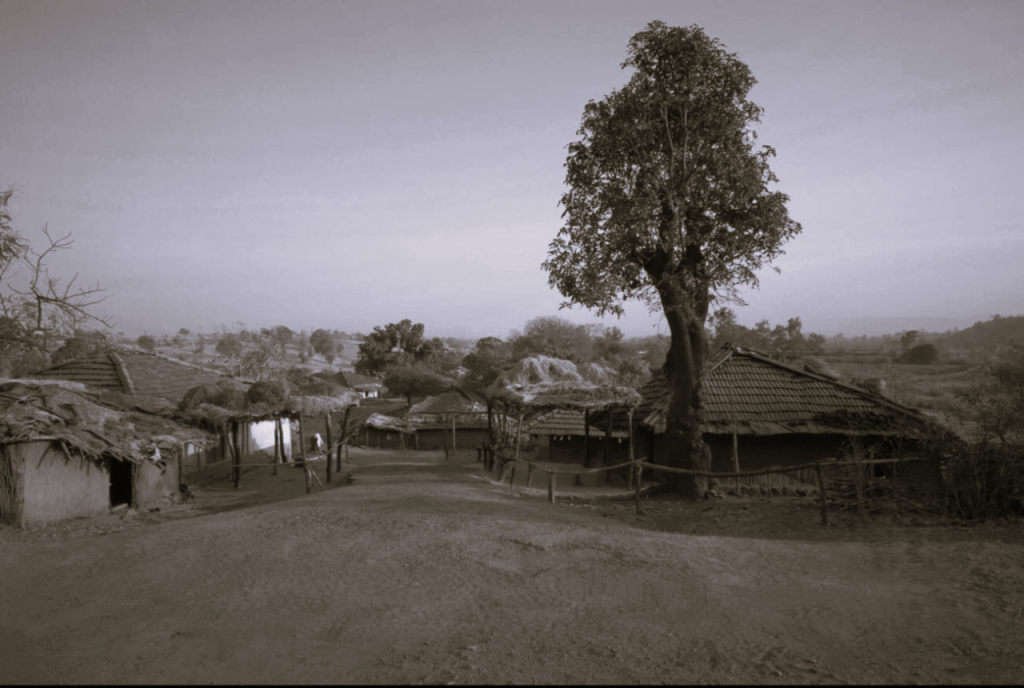
Doctors Murray and Ganes, on the other hand, had not joined any party but had fled Neemuch together, having become separated from the rest of the officers. They were saved and set on the road by two sepoys who insisted the doctors leave the station before the cavalry could murder them. After riding through the night, they arrived at dawn at Kasonda, a village not far from Udaipur. Asking one of the villagers for water, the man brought them to a well. Murray gave him a rupee for his services and then asked if they could see the headman.
They were brought to him in his abode – a small fort – where he was surrounded by half a dozen armed men. Asking the headman if they could rest for a few hours, he replied in the affirmative and made space for them under his own roof, providing them milk, chapatis, rice and mangos. As they were settling in for their well-earned sleep, a message arrived that a party of the Light Cavalry had found them, and they were now outside the village, loudly demanding the Europeans. The headman quickly reassured his guests with the words, “You have eaten with us and are our guests, and now if you were our greatest enemy, I would defend you.” His village was surrounded by thick walls, and he meant to stay true to his word. His answer to the cavalry was short – and it was no. Kasonda, he said, belonged to the Maharana of Udaipur, and as such, the Europeans were now his subjects. If the cavalry persisted in their behaviour, the Maharana would send out 10’000 men after them. The cavalry, in return, threatened to bring up their guns, but the brave man rallied his villagers – the “bold attitude” was enough to give the cavalry second thoughts, and they retreated.
In the afternoon, the doctors were surprised by the sudden arrival of Artillery Sergeant Supple, who walked into the fort; not, as they first presumed, he was running from the cavalry, but, as he explained, he was trying to find the brigade-major. Captain Lloyd, Captain Macdonald and several officers of the 7th Gwalior Contingent were at Daru, he said, only three miles distant. After a short rest, Supple left the village with the promise to bring the doctors some assistance from the party at Daru. However, as the hours passed, it became clear that not all was well, and Supple did not return. After consulting with the headman and his principal advisors, it was decided they should make their way to Chota Sadri instead.
At nightfall they started – it was long road through dense jungle and had to be done by foot; with an escort of several Rajputs, the doctors arrived at Chota Sadri around 10 the next morning – the reception was hardly welcoming; the Kumashadar refused to see them and they found it impossible to buy any horses or camels as the sellers refused to hand over the animals at any cost. To further their disappointment, the other fugitives of Neemuch had left but half an hour before their arrival and were on their way to Bara Sadri. The escort could not accompany them any further as they were under orders to return to Kasonda as soon as their task was complete.
In their place, Murray found 2 Bhil guides willing to take them onwards. An hour and a half after leaving Chota Sadri, they arrived at a small village deep in the jungle called Bhilya Kegaon. The Bhils received them “with great kindness and seemed to vie with each other in their hospitality…” A few ponies were willingly given to them for the next leg of the journey, and they travelled through the night, arriving at Bara Sadri the next morning. Here, they found all the officers of the 7th Gwalior Contingent, 1st cavalry and artillery. Unable to stay at Bara Sadri, the party gathered together and moved on to the village of Dangala, which they reached by nightfall.
 Mutiny Reflections