We are going to look at the mutiny of the Gwalior Contingent, one of the mightiest armies in India, from two points of view, starting with that of the Contingent itself.
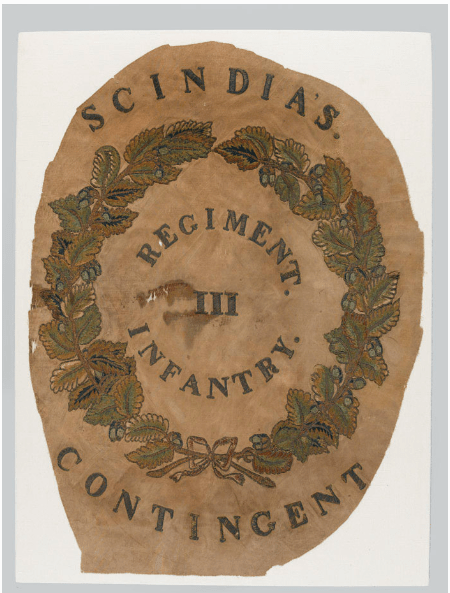
What is important to remember, Gwalior was but one of the many princely states in India, but its treatment by the EICo had been different. It had not been subjugated to EICo rule by annexation, nor had it been beaten into submission or even openly conquered. The EICo had remained magnanimous in their treatment of Gwalior and had, probably after the fiasco which led to the 1844 treaty in the first place, been watchful rather than forceful in their treatment of Scindia. Macpherson had tried to instil in the young prince a modicum of self-government insofar as he continued to listen to his excellent prime minister, Dewan Dinkar Rao. With this in mind, we can begin to explore the mutiny in Gwalior.
The year 1857 started with a grand presentation of the Maharaja and his councillors to the aloof government at Calcutta. He had been dined and flattered and promised, upon his death, an adopted son would be accepted by the EICo, should he die without issue. He had been given no reason to fear the EICo or its servants, and likewise, Dinkar Rao firmly stood on the side of the company. From their position in Gwalior, they saw no reason to listen to the rumours of bonemeal in the government-issued flour nor take anything more than a passing notice of the mutterings surrounding the greased cartridges. Unlike the troops in the Bengal Army, the Gwalior Contingent was higher paid and certainly better managed by their English officers, and Scindia himself could boast of a personal army of no less than 10’000 men, infantry and cavalry, which served him, independent of the Gwalior Contingent.
 Mutiny Reflections