Panic Sunday
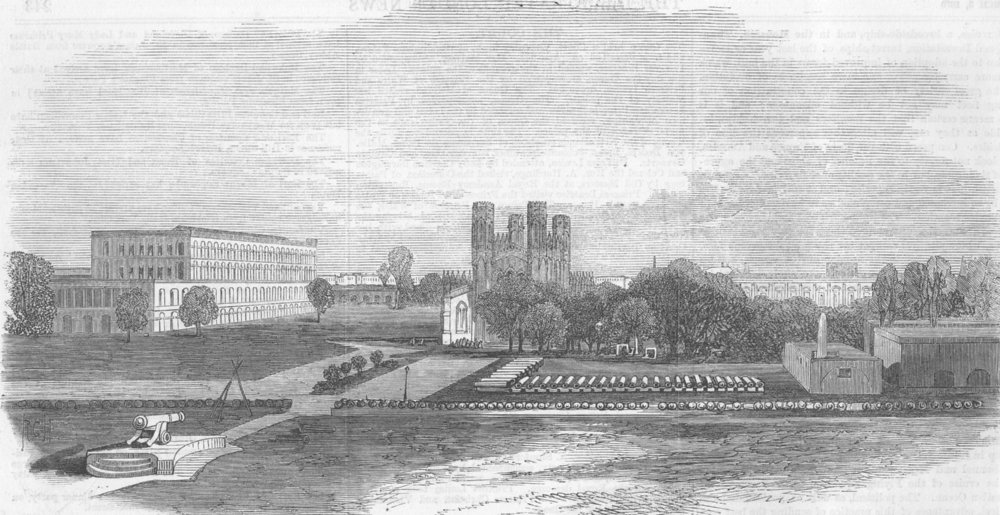
Cavanagh did not get to his bed that night. Once all the arrangements had been made, it was no longer fitting to go to sleep, and he went instead to the garrison church to attend early service.
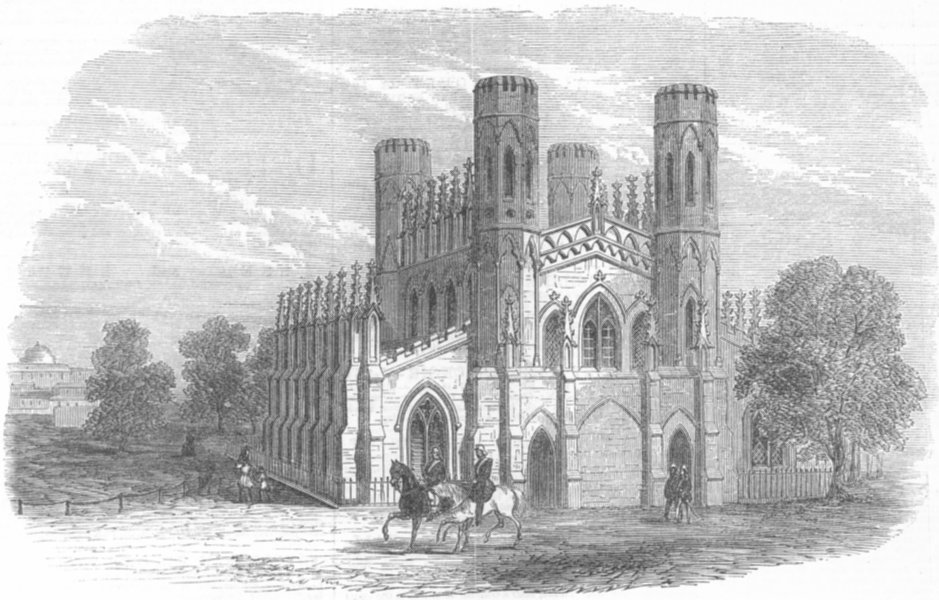
Not that Cavanagh would be attending the service. No sooner had he come to the church door when the Adjutant General accosted him, ordering him to despatch with some haste a company of the 53rd in carriages to DumDum, after which Cavanagh was to proceed immediately to Government House.
Lord Canning now informed him that in light of the situation, it was now deemed prudent to arrest Wazir Ali Khan and, when necessary, the King of Oudh himself. Colonel Powell had been ordered to make ready a force of 300 men of the 53rd and some artillery, but nothing was actually happening as yet. Cavanagh himself was to wait for further instructions. Tired, he went home.
He might have been thinking of sleep, or at least breakfast, but today was not that kind of day.
“On my return home, I found my quarters besieged by a crowd of persons (none of them members of the higher classes composing ordinary Calcutta society) seeking shelter in the fort, and full of rumours of the worst description. One gentleman told me that all the Europeans had been murdered at Dumdum, and the natives were arming in Calcutta, and that, as I was responsible for the safety of the town and the inhabitants had a right to look to me for protection, it was my duty at once to seize all arms that could be discovered.
When I informed him that in the existing state of the law it was out of my power to interfere, and that moreover as I had been in communication with Dumdum that morning and had sent troops there for the protection of the residents, I much doubted the accuracy of his statement with respect to occurrences at that station, he observed that I was evidently one of those persons who would not acknowledge there was any danger, and that perhaps I would believe him, when he told me the name of the first officer that had been killed. I could not but reply that possibly my incredulity might be shaken by his affording me this information, upon which he said, “Well, sir, Captain S. was the first person killed;” when in answer to this, as he considered conclusive evidence, I stated that I was happy to say at that moment Captain S. was on court-martial duty at the main guard in Fort William, my friend walked off in high dudgeon.
After some time, by pointing out to his companions that measures had already been taken to prevent the march of the Barrackpore mutineers into Calcutta, and for quelling: any outbreak that might occur, which was not at all likely, in the town itself, I succeeded in allaying their fears and persuading them to return to their homes.”
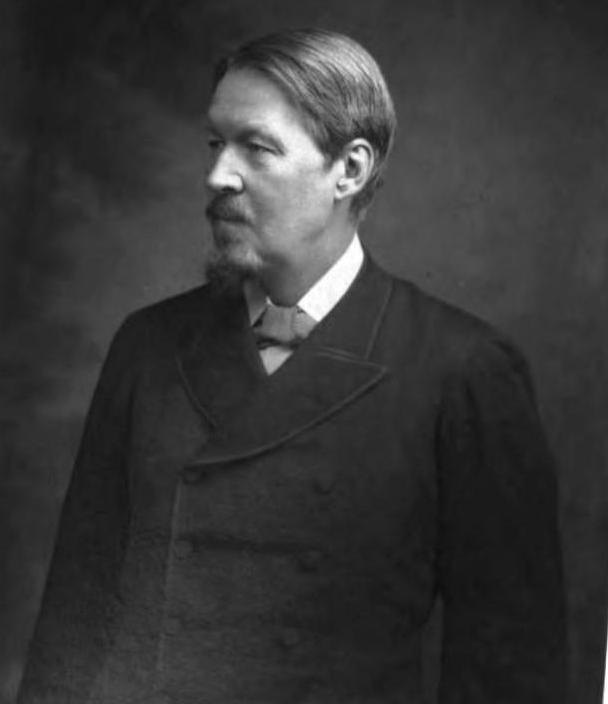
However, Cavanagh only saw what happened at the Fort. George Bruce Malleson happened to be in Calcutta as well, and he saw the panic in the town unfold for himself. It was, of course, Sunday, and the like-minded were all attending church service.
Nothing untoward happened, though the congregation at the Garrison Church would remark they had heard what sounded like heavy material being moved out of the fort.
One enterprising gentleman, somewhat more impressed by the noise than others, went after the service, which ended around 11 am, to make some calls. His first stop was at the Secretaries to Government. He could not get any satisfactory answers from these erstwhile gentlemen, and thus, curiousity unabated, he returned home. Two hours later, he received a note from one of the self same secretaries he had called upon earlier – the regiments at Barrackpore had mutinied and were in “full march on Calcutta.” The lives of all Europeans were undoubtedly in the gravest of danger – would the gentleman and his wife “proceed at once to his (the writer’s) house, where they had a good stone staircase and five good rifles.” There was no time to be lost!
The gentleman was rather one who preferred to trust his own judgment and declined the secretary’s offer. Instead, he went onto the roof of his own house, which commanded a view of the plain between Chowringhee and the Fort. This gentleman, of course, was none other than George Bruce Malleson, and the sight which met his eyes was baffling.
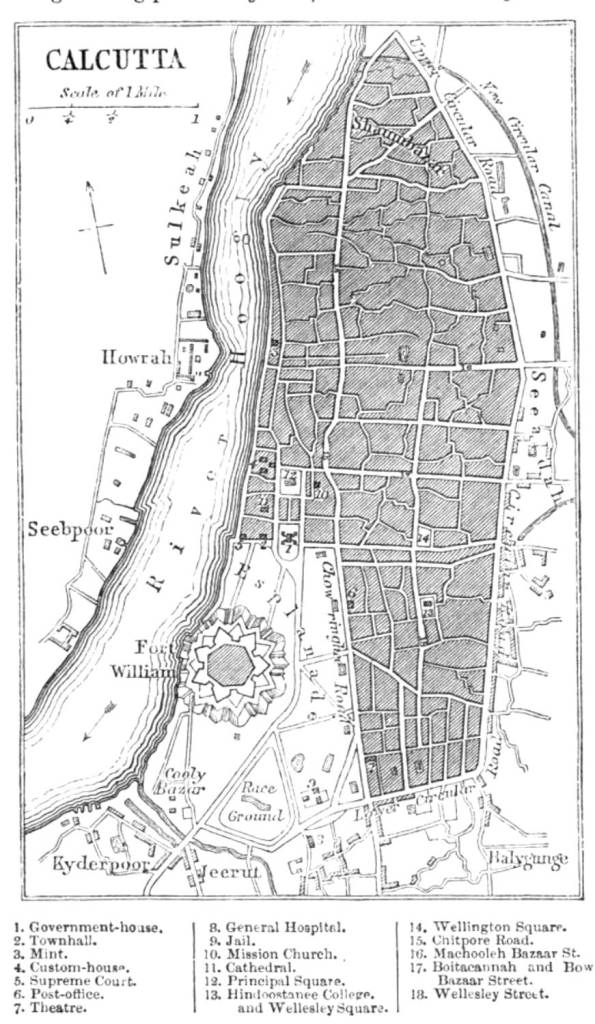
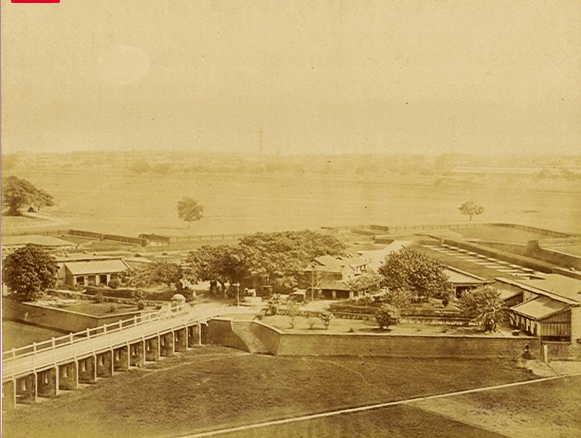
” It has been said by a great writer that ‘there is scarcely a less dignified entity than a patrician in a panic’ The veriest sceptic as to the truth of this aphorism could have doubted no longer had he witnessed the living panorama of Calcutta on the 14th of June. All was panic, disorder, and dismay. The wildest reports were in circulation. It was all but universally credited that the Barrackpur brigade was in full march on Calcutta, that the people in the suburbs had already risen, and that the King of Oudh, with his followers, was plundering Garden Reach.
Those highest in office were the first to give the alarm. There were Secretaries to Government running over to Members of Council, loading their pistols, barricading the doors, sleeping on sofas; Members of Council abandoning their houses with their families, and taking refuge on ship; crowds of lesser celebrities, impelled by these examples, having hastily collected their valuables, were rushing to the fort, only too happy to be permitted to sleep under the fort guns. Horses, carriages, palanquins, vehicles of every sort and kind, were put into requisition to convey panic-stricken fugitives out of the reach of imaginary cut-throats. In the suburbs, almost every house belonging to the Christian population was abandoned. Half-a-dozen determined fanatics could have burned down three parts of the town. A score of London thieves would have made their fortunes by plundering the houses in the neighbourhood of Chauringhi which had been abandoned by their inmates.”
Sir John Kaye makes the following observation in Volume III of the History of the Sepoy Mutiny:
Dr. Mouat adds, “The whole line of the ghauts was crowded with fugitives, and those who could find no shelter on the ships, took refuge within the Fort, of which the squares, the corridors, all the available space everywhere, indeed, were thronged by many, who passed the night in their carriages.” Since writing the text, I have seen Dr. Mouat. He tells me that his remarks apply to the Christian population of the suburbs, who were mostly Eurasians. Nothing could exceed the courage and steadfastness of the members of the mercantile and trading community.
Colonel Cavenagh, then the highest official in the Fort, recorded as follows:” On my return home, I found my house besieged by all sorts of people wishing to obtain shelter in the Fort, and all full of rumours of the worst description from Damdamah and Barrackpore.” Colonel Cavenagh, however, did not observe any unusual number of vehicles inside the Fort. They were probably refused admittance, for the author saw them “dashing across the plain towards the Fort with reckless speed.”
The panic had been precipitated by rumours, similar to those in May. It was generally known that the sepoys in Barrackpore were disaffected and grumbling. General Hearsey had said as much in his note to Cavanagh. The sepoys had been watching the arrival of regiment after regiment from Persia, from Pegu and from Ceylon with growing alarm – undoubtedly, they felt if they were going to mutiny, then it had to be on the 14th. It was sepoys like Hanuman Dhobi and others who had in their turn betrayed them.
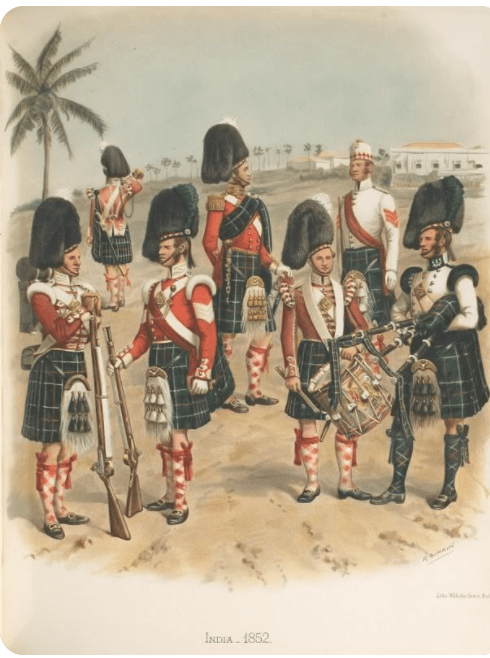
The 78th Highlanders were ordered down immediately from Chinsurah while the government was being urgently requested to allow the remaining Barrackpore regiments to be disarmed.
The Highlanders did make it to Barrackpore – but they had spent a weary night walking in what were effectively circles. Their guide had made a show of leading them four miles out of their way. One detachment broke off from and recovered the road themselves, arriving in Barrackpore early the next morning, tired and undoubtedly annoyed, but very much ready for any emergency. Their arrival caught the would-be mutineers off guard.
The remainder of the 78th finally arrived during the day, and by 4pm, with permission from Calcutta secured, the native regiments were paraded and disarmed. Without any hesitation and in perfect silence, they piled their arms and dispersed.
 Mutiny Reflections
Interesting reference to “biting the bullet’ as a component of the unrest in that extract from piece from the June 1857 “Simachur Soodhartoursun”
And – as always – incredible research and detail. Thank-you.
LikeLike
Orfeur Cavenagh was one of my 3rd great uncles. I enjoyed your post.
Thanks for visiting my bog
Regards
Anne
LikeLiked by 1 person