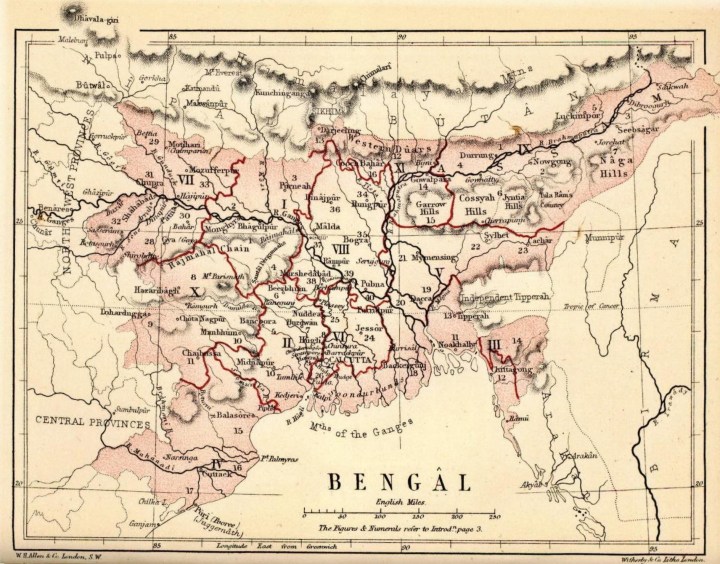
The Bengal Presidency emerged from the various trading posts established during the reign of Emperor Jahangir of the Mughal Empire. The EICo, determined to gain influence in Bengal, competed most vehemently with other European companies to secure their rise in the province; in 1757 and 1764, the company defeated the Nawab of Bengal, who acted on Mughal sovereignty, at the Battle of Plassey and the Battle of Buxar, and Bengal came under British influence. In 1765, Emperor Shah Alam II granted revenue rights in Bengal to the company, followed by judicial rights in 1793. In 1835, the province was merged with the Presidency of Fort William, nullifying the suzerainty of the Emperor.
The upper territories of the Bengal Presidency were organised into the North-Western Provinces, administered by a lieutenant-governor, at first from Agra and later from Allahabad. The lower territories were initially organised into the Bengal Division under a separate lieutenant-governor, but by 1853, this was deemed complicated; the office was abolished, and the Presidency now existed as a nominal entity, under a dual government, that at Calcutta and the other at Agra. In 1887, the Agra Division would be separated from the Presidency and merged with the Oudh Province.
By the mid-nineteenth century, the Bengal Presidency, at its territorial height, extended from the Khyber Pass all the way to Singapore. In 1853, the Punjab was established as its own province; the Saugor and Nerbudda Territories would, in 1861, be merged with the Nagpur Province, forming a part of the Central Provinces. In 1862, the Burma Division became a separate state. Another change came in 1871, when Ajmer and Merwara, which had been administered as part of the Northern states, were separated from the Presidency to form the Ajmer-Merwara State; this was followed in 1874 by the establishment of the Assam State, cutting it off from Bengal. This gradual whittling down of the Bengal Presidency ensured that by 1877 it had reached a more manageable size, including only what today are the states of Bihar, Jharkhand, Odisha and Bengal. There would be more changes when, in 1905, it was decided to bring Assam back into the fold and establish the Eastern Bengal and Assam State; this was found to be a ridiculous idea, but not willing to put things back as they had been, Assam and East Bengal were disentangled but remained part of the Bengal Presidency while Bihar and Orissa (Odisha)were merged in 1912 to form their own state.
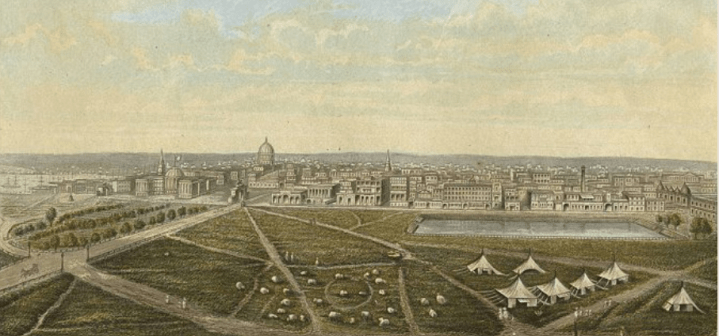
Calcutta itself had been founded in 1690 by a British merchant, Job Charnock; the East India Company built Fort William in 1696, while securing the zamindari rights to the three surrounding villages of Sutanuti, Kalikata, and Gobindapore in 1698. Calcutta rapidly grew into the commercial and political hub of the East India Company. The Governor of Bengal concurrently served as the Governor-General of India. The Regulating Act of 1773 elevated the Governor of Bengal in Calcutta to the status of Governor-General of India, subordinating the presidencies of Madras and Bombay to Calcutta’s authority. In 1774, Calcutta became home to the Supreme Court of Judicature, establishing the British legal framework over EICo territories. As for the Bengal Army, Calcutta served as its logistical headquarters.
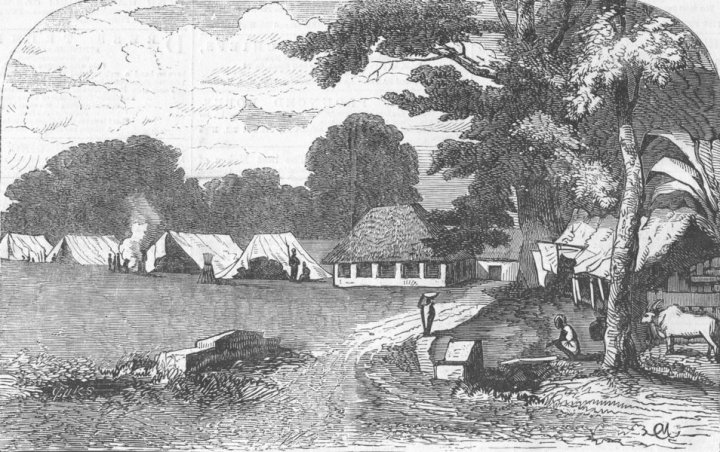
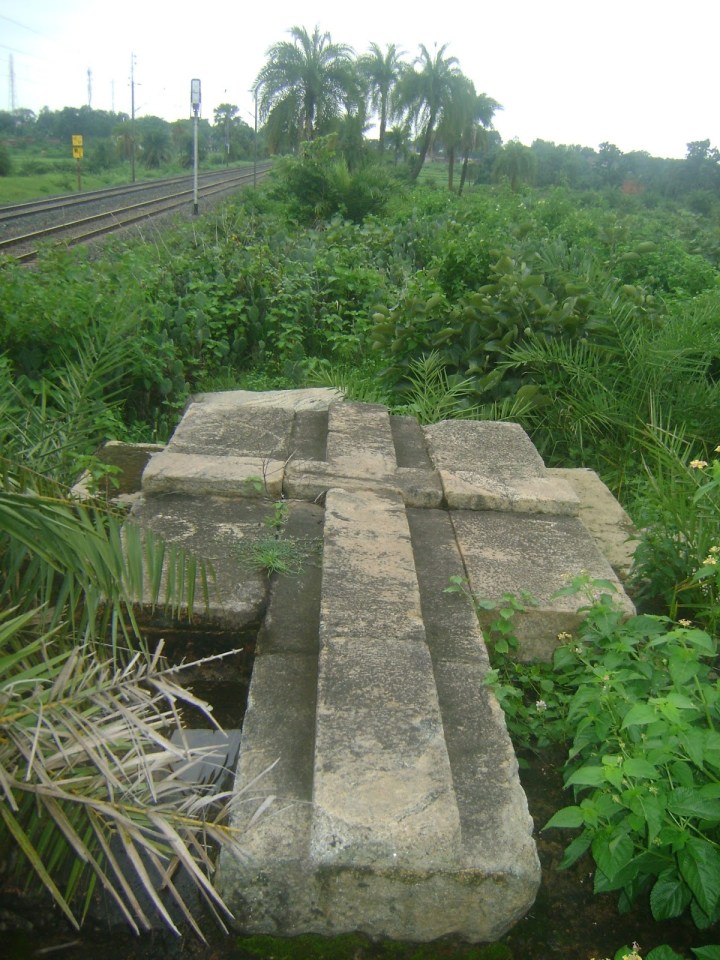
In 1857, Calcutta was far-removed from the epicentre of the mutiny as it started to swallow up the North-Western Provinces, then extended to Rajputana and Central India. It was indeed so removed that the authorities were initially disinclined to even believe there was a mutiny. However, they should have known better, as the military station of Barrackpore had, in fact, been the forerunner of events to come. There would be no outbreak in Calcutta itself; however, the Santhal Parganas would have a problem which would eventually spill over into Bihar; in East Bengal, mutiny would show its head, although it would not be until November 1857.
 Mutiny Reflections