Sudden Surprises
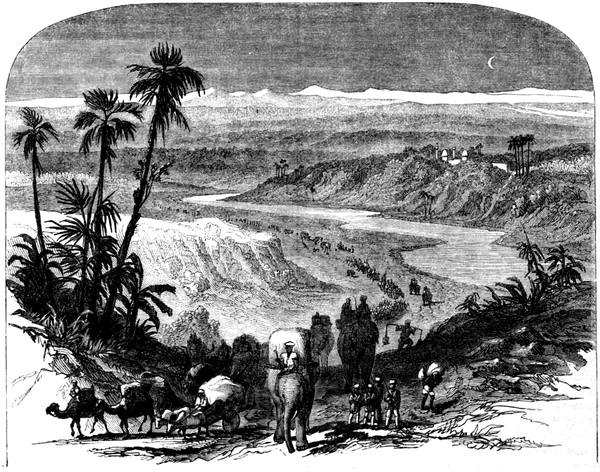
The Gurkha army of Jung Bahadur of Nepal had been moving its way through Oudh, albeit slowly, escorted part of the way by Sir Hope Grant. They passed Fyzabad and finally crossed the Gogra without encountering any opposition. Their advance guard proceeded to Bustee and Captainganj, surprising not just Rowcroft but the entire Sarun Field Force. No one had warned them the Nepalese were coming, and they were lucky that no shots were fired by mistake. The rest of the column caught up with the advanced guard on 10 May, bringing along the loot of Lucknow colourfully carried by camels, elephants, in hackeries and on the backs of ponies. In the long line that passed by were also the dhoolies of the sick and wounded. The seamen, who gathered about to watch the column file past, were less impressed by the spoils of war; what they could see of it, it resembled “English lumber” and did not appear to be in any way valuable. But the train itself remained impressive – it was 16 miles long. Although the appearance of the Nepalese Gurkhas was at least for a moment a change from the daily routine, it brought with it some discouraging news. The remaining Gurkha regiments were now ordered home, and the Sarun Field Force dwindled down to 730 fighting men.
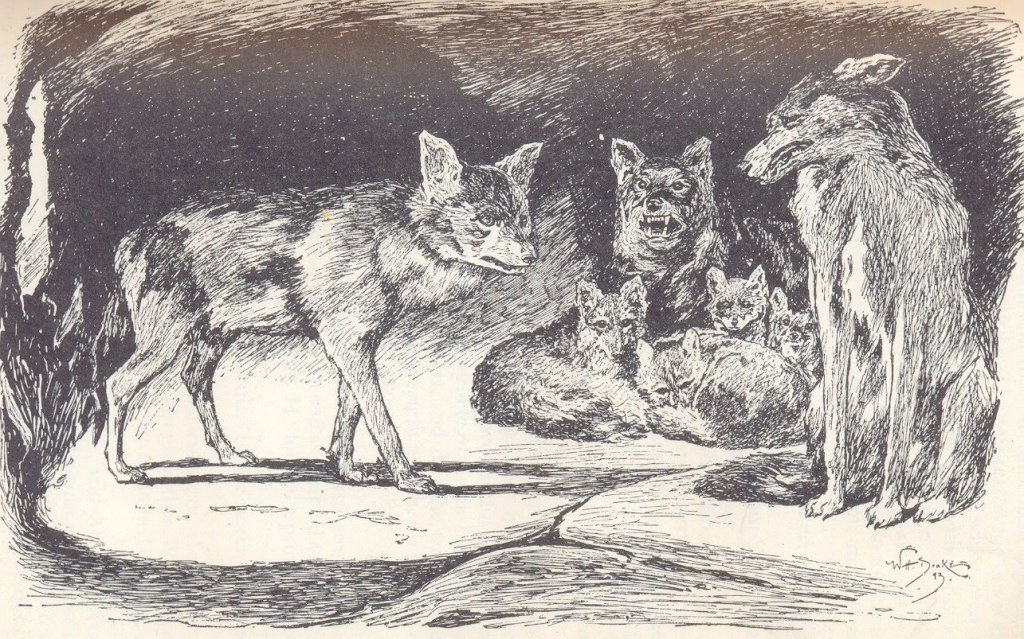
For most of May, the Sarun Field Force remained mostly immobile in Bustee. The threat of nightly attacks dwindled and even raids on nearby villages had almost ceased. A great menace was perceived, at least from the seamen’s point of view, the nightly raids by errant jackals. These wandered into the camp at night searching for food and gracing the sleepers in the tents with melancholy howls. On one occasion, a more adventurous jackal made a play for a seaman’s pet monkey, which he attempted to drag, by its head, out the tent where it had been sleeping on the floor. The monkey, screaming hideously, woke up its owner, who, with a swift kick, sent the jackal into full retreat. However, a few hours later, he returned. This time he “began to make free with the limbs of one of the inmates…” by way of revenge, causing the seaman, in his turn, to “leap out of bed and shout vociferously.” His messmate, awakened by this unpleasant serenade, “jumped up, half-asleep and half-awake and, without having a very clear notion why, he laid hold of his neighbour violently, and both exerted their lungs to the utmost pitch.” The other men in the tent were now likewise awake, and now made an attempt to “kill the invader” who, startled by the sudden attack, let go of his hapless victim and ran out of the tent, the others on his tail.
“The men in the other huts were awakened from their peaceful slumbers by the ” row,” and ran out to discover what it was all about. A sentry, seeing the men rushing from their huts, fired his musket; another sentry followed his example, giving the alarm ; and in an incredibly short space of time the whole force was on the alert. The cavalry patrol came in at a gallop to see what was the matter, and more than one distinguished officer was seen emerging from his quarters in his shirt sleeves, with his sword in one hand and a revolver in the other; while some faithful bearer might be seen running with similar weapons of defence after his waking Sahib. In less than ten minutes there were men running in every direction to ” see what was up ;” while the jackal, no doubt, leisurely walked away, to wait for a more convenient opportunity to loot his dinner when the alarm had subsided.”
 Mutiny Reflections