Aftermath
What happened in the European lines as the destruction of Meerut was being carried out amounted to nothing. The Carabineers were the first to be ready to move out, but a very long roll-call carried out by the non-commissioned officers on the several troops took a lot of time. After all, it was Sunday evening, and many men could be away from the lines. So it was essentially correct to call the roll, but then they had to wait for a staff officer. Thirty or so of them struck out on their own to go and look for any survivors in the cantonment, but they were immediately ordered back.
The native troops stationed in the European lines indeed had to be disarmed, and this, of course, did not go down very well with them, with many putting up a heated resistance. But outnumbered as they were, their fight ended swiftly. The treasury was secured without as much as a shot being fired.
The 60th Rifles and the artillery were slow in getting started, and when they finally did, their officers chose a circuitous route around Meerut, avoiding the narrow streets and lanes of the bazaar. The Carbineers had been told off to go to the new jail, but the order was countermanded, and they had to rejoin the other troops.
It was well after 8pm when the British forces finally assembled on the native parade ground, in front of where the lines of the 11th had once stood, now for more than a mile, three rows of bungalows were burning. Something was moving in the shadows – what exactly no one could see, but they fired at it anyway. Perhaps it was just ghosts of their wearied imaginations.
The column now moved again, making its way east and then swinging back up towards the European lines, collecting the bodies of some of the dead they found on the way. They found Cornett McNabb and Captain Taylor, whose head was smashed in by an iron bar. MacNabb was so severely disfigured that he could only be identified by the recognisably wrong braid he had used on his uniform that morning. They found a few Europeans alive and hiding, and the three men in Carmichael-Smyth’s backyard ran out to join them.
As such, wrote Ensign Philipps, General Hewitt and Brigadier General Wilson “seemed quite mortally paralysed, and for three mortal hours, kept marching the Carabineers, Rifles and Artillery backwards and forwards well to the rear of the fire. At last, when we did reach the lines, not a sepoy was to be found.”
Lieutenant Möller repeatedly asked if he could ride out and warn Delhi, as he had heard on his own ride back from the lines earlier that the sepoys were intending to head in that general direction. Hewitt told him to ask Wilson, and Wilson made sure he was not to be found. The senior officers continued to procrastinate through the night, and in the meantime, Delhi slept on, unaware that the 11th of May would be their nemesis. It was Möller again who told Hewitt the next day that the sepoys had, in all actuality, really left Meerut – but Hewitt scoffed. As events would show, the British remained hiding in the European lines and, more precisely, in the ammunition depot of the lines for another three weeks before any of the commanders would venture out and then only to write a short report.
“The fort (Dumdumma) and treasury are safe, and the troops are ready for any attack.”
This was little comfort to the relatives of the 50 Europeans who died in the rioting in Meerut and certainly none at all for the stations that would continue to feel the repercussions of the “masterly inactivity” of the best-regimented cantonment in the presidency. Perhaps Hewitt and Wilson could not have prevented the mutiny with the resources at their disposal, but they certainly did not die trying.
Counting the Dead
How many people were actually killed in Meerut is unknown. Many, on account of the horrific injuries, could not be identified with any accuracy. The Reverend Rotton, who must have buried them, puts the number closer to 30, but those would only be the ones he himself saw. In official lists, private soldiers, non-commissioned officers, Europeans and Eurasians who fell out of the normal scope of what was considered “regular” society (pensioners, clerks and humble office peons) were rarely named. Depositions taken months after showed the number was much higher, at 60.
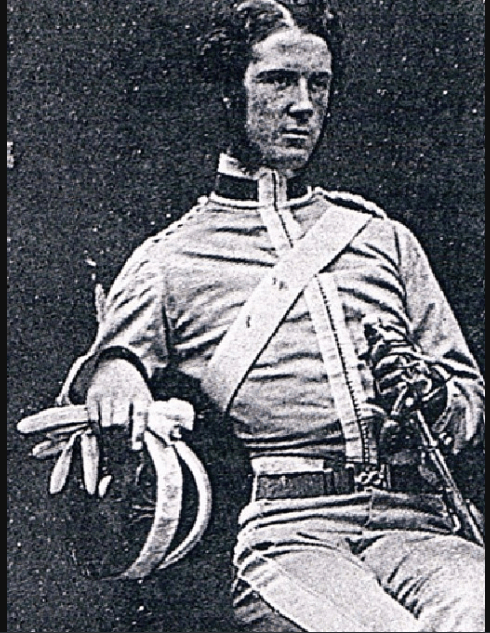
Those Killed on the 10th of May at Meerut
11th Bengal Light Cavalry
Colonel John Finnis
3rd Bengal Light Cavalry
Cornet J.E. McNabb
Surgeon Robert Christie
Veterinary Surgeon John Phillips
Veterinary Surgeon Charles Dawson and his wife
20th Bengal Infantry
Captain J.H.G. Taylor
Captain D. Macdonald and wife
Captain D. H. Henderson
Lieutenant William Pattle
Bengal Field Artillery
Corporal Henry Bowring – severely wounded. Died of wounds, 26.05.1857
Bengal Horse Artillery
Gunner Peter Donohoe
Gunner Cairns
Gunner Conolly
Gunner William Benson
Daughter of Riding-Master Langdale
Artilleryman Fitzpatrick
Bengal Engineers
Captain E. Fraser
Civilians
Surgeon Smith
Mr. V. Tregear
Mrs. Courtney and 2 children
Sergeant Law and 2 children
Mrs. Chambers and unborn baby
Mr Markoe
Mr. Hughes
Eleven unnamed victims
The native population of Meerut who were killed on the 10th of May remain unnamed.
Wounded (Unposted Recruits)
Gunner John Arnon – contusion to the head
Gunner Thomas Crawford – bludgeon wound to the head
Gunner Peter B. Dunn – wounded in the arm
Gunner Robert Lewis – bludgeon wound to the head
Gunner Hugh McCartney – slightly wounded
Gunner John McCullum – slightly wounded
Gunner Thomas Passmore – slightly wounded in the shoulder
Gunner Wm. Thompson – wounded in the head
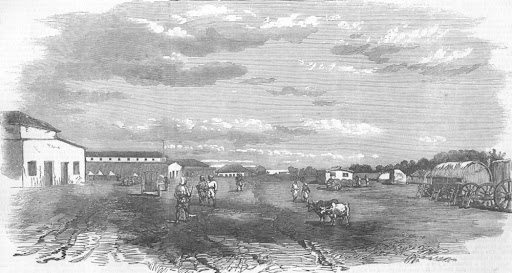
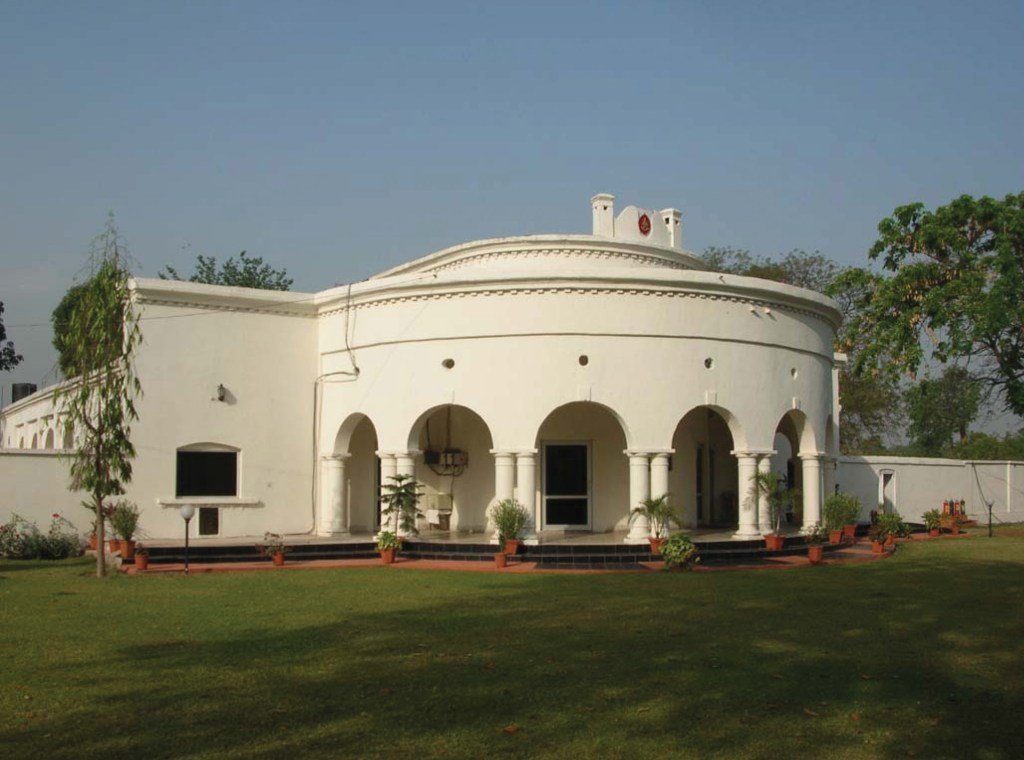
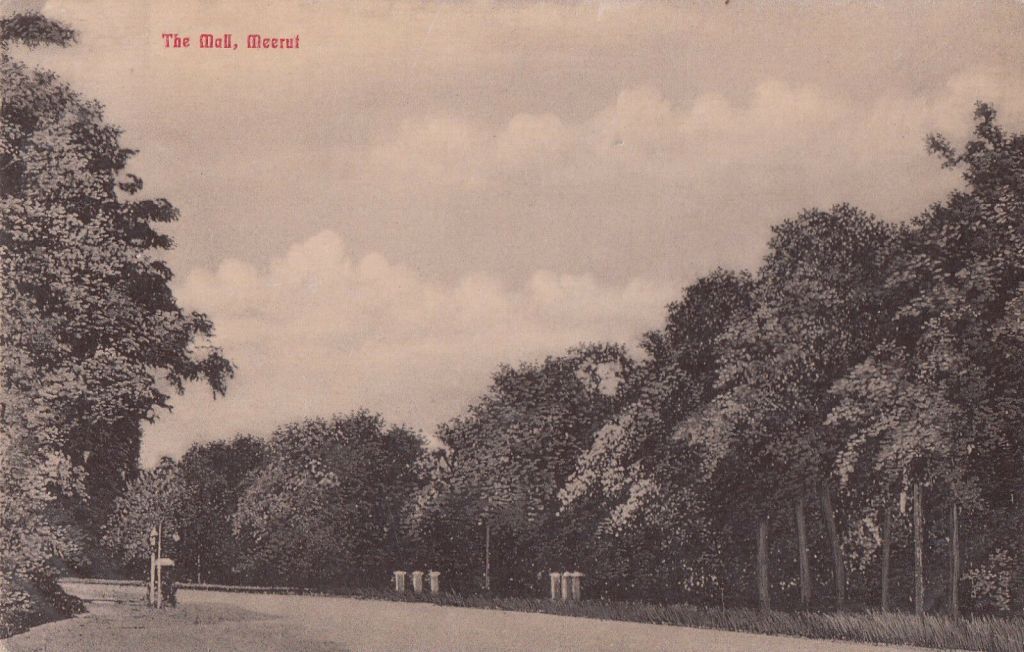
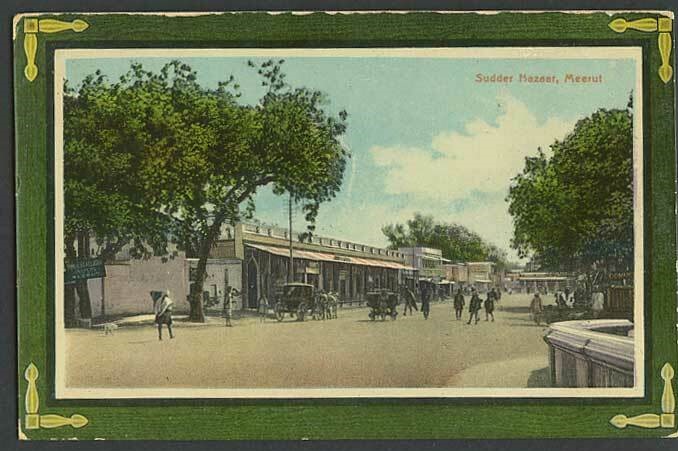
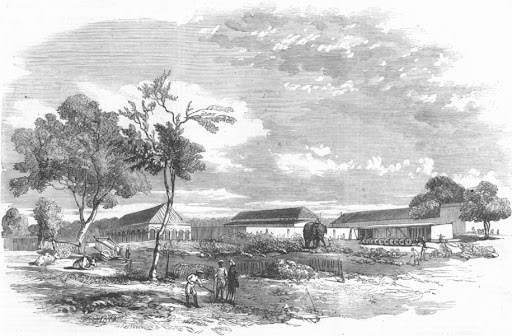
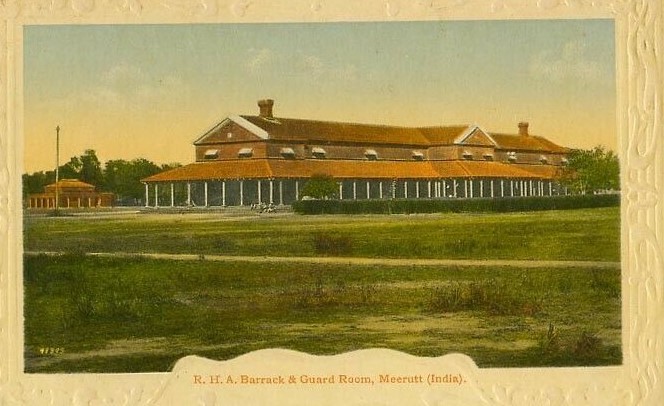
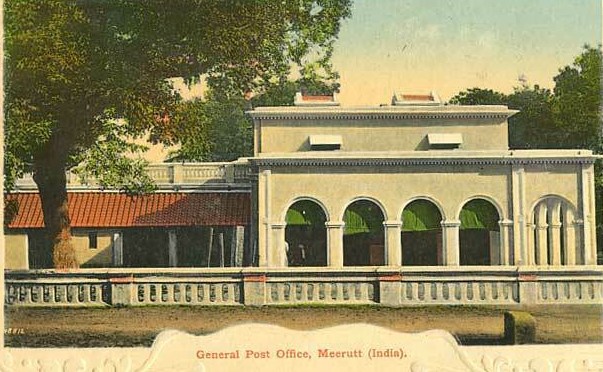
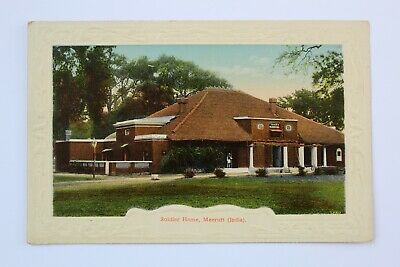
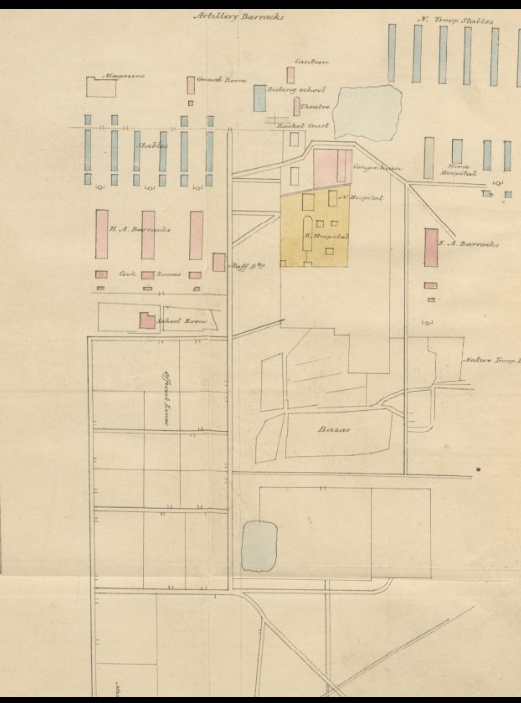
The horror of May in 1857 was only just beginning. Over the next weeks, station after station would fall; the East India Company government was in for a rude awakening, but before they finally caught their breath, the damage had been done. Years of neglect, arrogance and hubris had finally caught up with the EICo, and the cost would be severe.
From Meerut, the story continues to Delhi.
Sources:
Gough, General Sir Hugh – Old Memories (London: William Blackwood & Sons, 1897)
Greathed, H.H. – Letters Written During the Siege of Delhi, edited by his Widow (London: Longman, Brown, Green, Longmans & Roberts, 1858)
Mackenzie, Col. A.R.D. – Mutiny Memoirs, being the Personal Reminiscences of the Great Sepoy Revolt of 1857 (Allahabad: The Pioneer Press, 1892)
Murray, John. M.D.: On the Topography of Meerutt, and the Principal Diseases which Prevailed in the 1st Brigade of Horse Artillery at that Place (Calcutta: G. Huttmann, Military Orphan Press, 1839)
Muter, Mrs.- My Recollections of the Sepoy Revolt (1857-58) (London: John Lang Ltd., 1911)
Palmer, J.A. B. – The Mutiny Outbreak at Meerut in 1857 (Cambridge University Press, 1966)
Rotton, John Edward Wharton – The Chaplain’s Narrative of the Siege of Delhi from the Outbreak at Meerut to the Capture of Delhi (London: Smith, Elder & Co., 1858)
Wagner, Kim A. – The Great Fear of 1857 -Rumours, Conspiracies, and the Making of the Indian Uprising (Oxford: Peter Lang Ltd., 2010)
Links:
Images of modern Meerut in the gallery: http://www.indiandefencereview.com/spotlights/the-great-upsurge-of-1857-historical-sites-in-meerut-cantonment/
The rest of the photographs were generously given to me through friends and through my own research endeavours, ensuring there is no copyright infringement.
The maps used are based on the one provided in Mrs Muter’s book and in that of Mr Palmer. The addition of the place names in the version provided in this article has been researched by me and thus defined to the best of my abilities in terms of accuracy.
https://www.dcmmedals.co.uk/the-mutiny-at-meerut-10th-may-1857/
http://thehistorybucket.blogspot.com/2017/10/elizabeth-mitchell-child-of-regiment.html
 Mutiny Reflections
I think I am learning and experiencing the Indian history happening right in front of eyes. Its much better created and the writing format takes off the boredom. Feels like you don’t need a history books or watch videos to know about a nations past, all you need to do is go through your works and feel the pain. Absolute Bliss.
LikeLike
That is exactly what I am trying to do with this history and am so happy you can see that. 1857 especially is a torrid subject so I try to bring it across in a way it is readable and especially visual. The next part is in the making, the conclusion to Delhi.
LikeLike