The Survivors Dwindle and Die, and the Dinners End
By 1909, the dinners were attended by fewer and fewer members, and in that year, only one, Major-General Cook of the original garrison, could attend; the remainder were too feeble to make the journey to London; the other men at the dinner had been a part of the relief force. In Adelaide, Australia, only two members of the original garrison turned up to a small affair of no more than 10 men. A year later, owing to the death of the King, no dinners were held. A smattering of officers with the relief parties were still able to come to the dinners, but the numbers were fast dwindling. In 1911, Major-General Cook was once again the only survivor of the original garrison who managed to attend among fewer and fewer men of the relieving force.
SIX SURVIVORS AT DINNER.
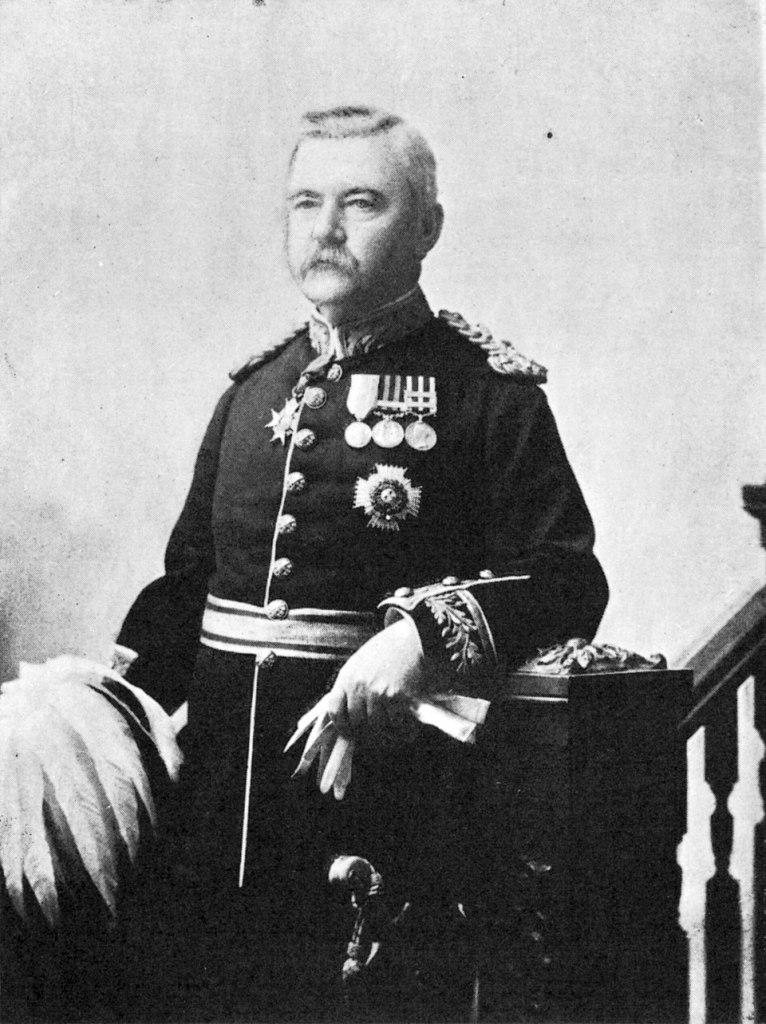
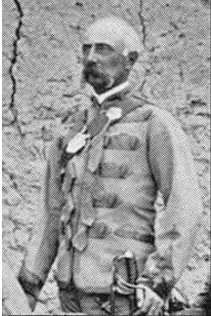
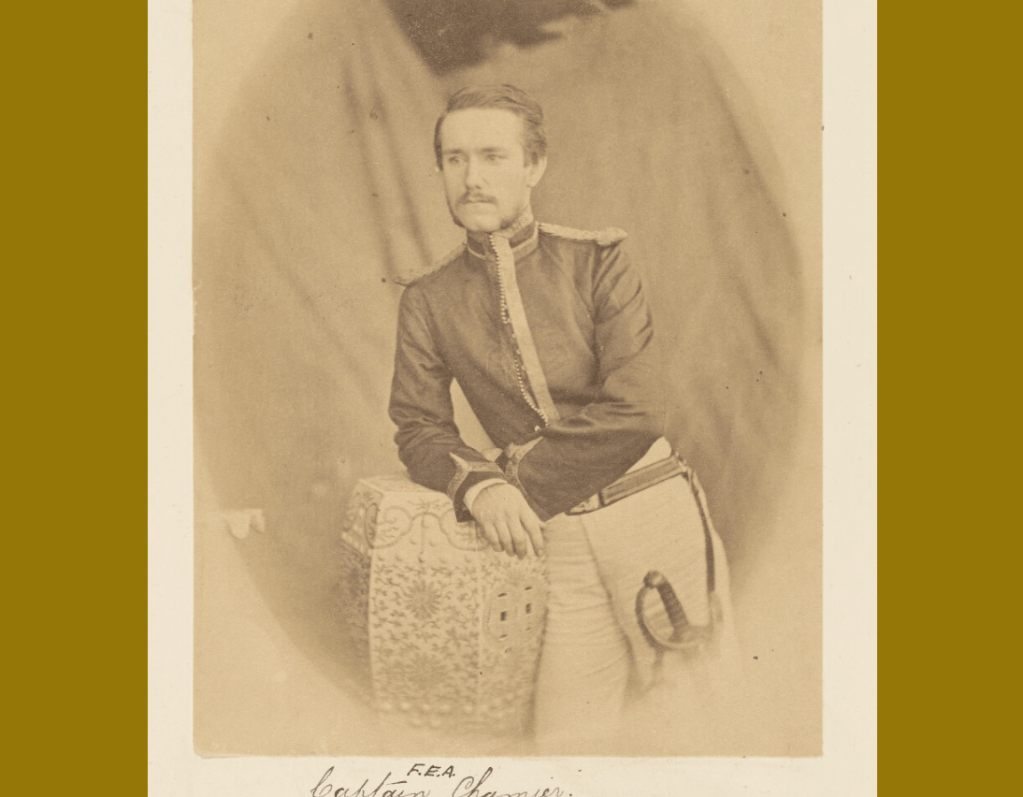
As the years roll on, the number of the military officers surviving the relief of Lucknow must rapidly diminish. Only six were able to attend the 55th anniversary of the memorable event, in which Sir Henry Havelock and Sir James Outram so prominently figured, which was held at the Whitehall Rooms of the Hotel Metropole last night, (says the London “Daily Telegraph” of the 26th of September). They were: Sir George Digby Barker, C.B, who presided, Major-Gen. F. E. A. Chamier, C.B., C.I.E., Major-Gen. G. Stewart, CB., Major-Gen. J. Bigge, C.B., Capt. J. Pearson, and Mr F. Berrill, Major-Gen. H. Cook, C.B., a member of the original garrison, was also present. It may be interesting to mention that the senior officer at the banquet was just under 80 years of age, while three juniors exceeded 73.
The Chairman (Sir. G. Digby Barker) entered the 79th Highlanders so far back as the year 1853. After serving in the Persian campaign, he assisted in the suppression of the Indian mutiny and was with Havelock’s column at the relief and defence of Lucknow. As Deputy-Assistant-Quartermaster-General, he was present at the siege and capture of the city, was mentioned in despatches, awarded a medal with two clasps, and given a brevet majority. Later on, he was professor of military art and history at the staff college, assistant director of military education at the army headquarters, Quartermaster-General of the Western District, in command of troops in China and Hong Kong, and was Governor first of Bermuda and afterwards of Hong Kong. He attained the rank of general in 1900 and retired from the army with 49 years’ service in 1902.
Proposing the chief toast, Sir George Digby Barker said that again they were met to celebrate the greatest event of their lives. During the past year, their number had been lessened by the death of Major Finlay, of the Seaforth Highlanders; of Mr Rees, the historian of the defence, and of Col. Birch, one of that active band of volunteer cavalry who helped them so much in the advance to Lucknow. He had received many letters of regret from officers who were prevented from coming to London, either by illness or distance. He was sorry that so few of the original defenders of the garrison could be present, but they welcomed Gen. Cook, one of the number, who made it a point to attend the annual dinner. As he watched the great manoeuvres lately, in East Anglia, he could not help thinking how the use of wireless telegraphy, airships and aeroplanes might have affected the relief of Lucknow. That wonderful operation was accomplished without such assistance, but the loss of life was tremendous, and he invited those who were at that table to drink in silence to the memory of their comrades who fell on that day, and to those others who had left them since. ‘The toast was accordingly drunk in silence. Capt. Pearson proposed ” To the undying memory of the original garrison,” which was acknowledged by Gen. Cook, who, in turn, gave “The relieving force,” for which the Chairman returned thanks. (Queensland Times (Ipswich, Qld. : 1909 – 1954) Wed 13 Nov 1912 )
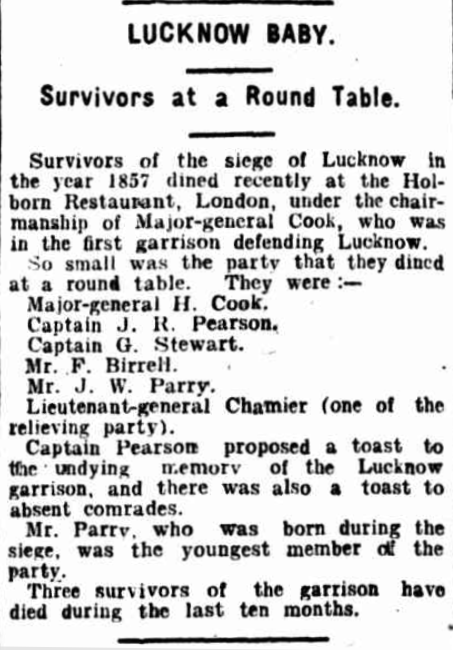
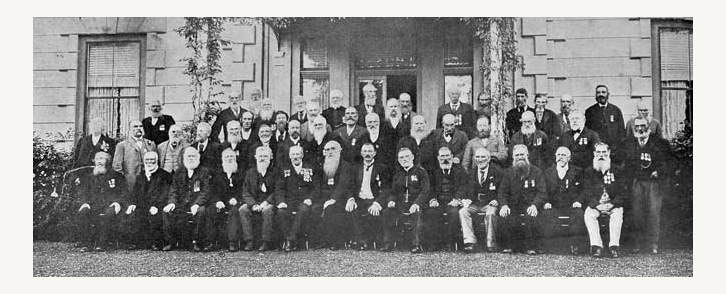
One year later, Mr Parry, who was only a baby during the siege, made his appearance:
In Australia, the veterans had been holding their own dinners, but by 1917, there was only one man left standing.
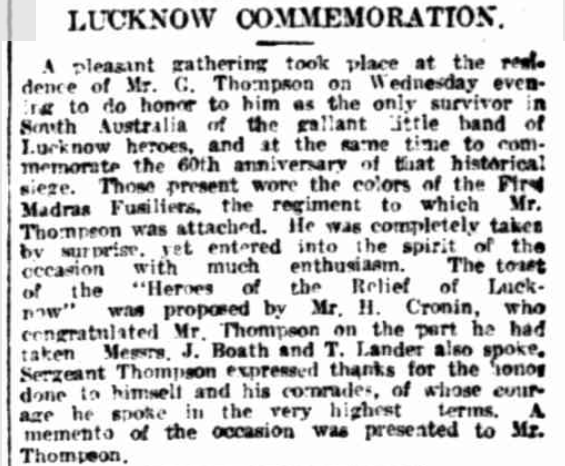
Fri 28 Sept 1917
The final Lucknow veterans dinner in London was held at the Holborn Restaurant in September 1915. Fifty-eight years had passed since the events in India; just about everyone had passed on, and most of the attendees were no longer the fighting men but their children, who had been babies and youngsters during the siege. It was a small, sombre gathering, a final homage to the Lucknow Garrison and the men of the relief force. When it ended, so did the dinners. The balance of the proceeds collected at the dinners was subsequently donated to the “Indian Soldiers’ Fund.”
However, not all the survivors were dead. Mrs Shaw was still alive in 1931; during the siege, she had been the wife of Lieutenant Soppit. The lieutenant and their two-year-old son had died during the siege; however, her baby, who was born during the evacuation of the Residency, survived. Sadly, she died aged just 16. Mrs Shaw, aged 94, was considered by now to be the oldest living adult survivor of the siege. By now, some of the children of the siege were dying. Charles Ernest Bruere died aged 76 in 1930; Mrs Mary Ann Scott, the daughter of Dr Brydon, died aged 78 in 1932, and then there was Mrs Margaret Quaid.
Margaret had been born in Chatham in 1836, the daughter of an artillery sergeant named McCarthy. The story is a little peculiar as the newspaper article states, “before she was five, she was on the way out to India” to join her father (usually children of that age were sent out of India, not to it, but it seems it was different in this case). The family, consisting of the sergeant, his wife and three children, including Margaret, were living at Dum Dum, close to Calcutta. Unfortunately, the sergeant died two years later, “At Dum Dum of cholera on Sunday morning, the 27th February, Gunner Dennis McCarthy of the 4th company, 1st battalion, artillery. He was much esteemed by all who enjoyed his friendship for his mild and amiable qualities.” (Bombay Times and Journal of Commerce, 1842). His widow died some years later, leaving behind three orphans, and Margaret was left to care for them. Luck appears to have been on her side; in 1856, she became a lady’s maid to Mrs Banks, wife of Major Banks, and she accompanied them to Lucknow. Provisions were made for her younger siblings, a sister and a brother. However, Margaret did not remain long with the Banks’, for she met and married Sergeant James Ryder of the Public Works Department. Unfortunately, her husband was shot dead during the siege. Following the siege, Margaret made her way from Allahabad to Calcutta, where she remarried Sergeant Quaid of the Ordnance Department in 1858; he died in 1872 at Peshawar, and Margaret received a small pension of £20. Mrs Quaid lived in India for a total of 52 years before she returned to England, having first seen her three daughters comfortably married off – two to soldiers and one to a railway employee. She died in 1933.
 Mutiny Reflections