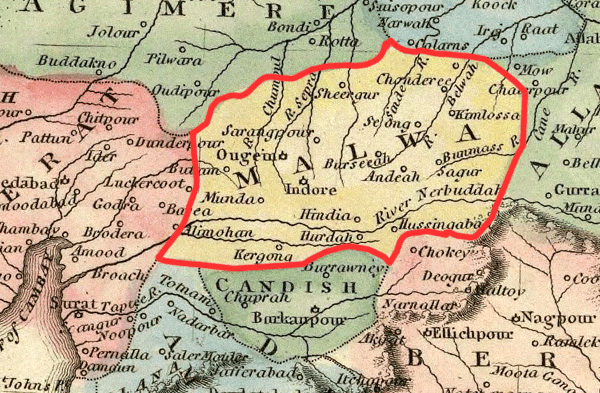
The Malwa Agency was a division of the Central India Agency and comprised an area of some 8’900 square miles (23’100 km2) and comprised the Dewas States, Jaora, Ratlam, Sitamau and Sailana with protions of Gwalior, sections of Indore and Tonk along with 35 various small holdings and estates. Malwa had never quite consolidated itself to British rule, unlike Rajputana and as the events of 1857 unfurled, this would become a serious problem for the EICo.
The British defeat of the Pindaris and the Marathas in 1818 brought Malwa under direct control of the East India Company. The wars were tiresome and expensive; the EICo now needed to make Malwa profitable for their interests and replenish depleted coffers. It was not an easy process. Firstly, there was a problem with the borders – Malwa had no fixed boundaries between the states; solving this would allow the British then to regulate trade to suit their interests. They had other plans too – they needed to control arms manufacture and permanently shut down the various local mints to make way for EICo coinage.
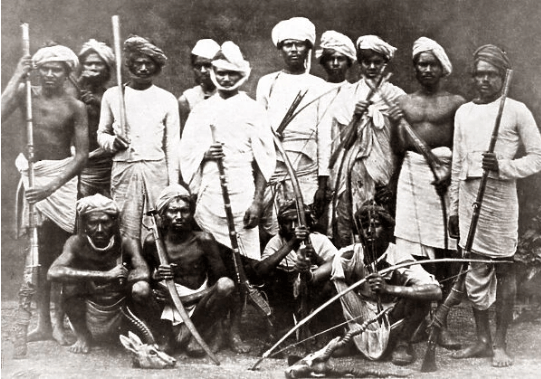
However, the more pressing concern for the EICo in Malwa was, above all, the people. Unlike other states, Malwa was populated by tribes, the largest of which was the Bhils. Others, like the Meos, Bhilalas, Barelas, Meenas and Kanjars were, like the Bhils, a law unto themselves. Besides them, freebooters, mercenaries, and military adventurers had long dominated Malwa.
The EICo did not have the resources to wage yet another all-out war, coupled with the fact that the territories of the most important ruling houses of Central India were intermixed with freebooters who could plunder one village and then make their escape to another where they would find shelter. The freebooters were allowed, within the boundaries of tradition, to exist and in some cases, were even actively encouraged by the rulers to serve at their behest. A natural understanding had been in place for many a hundred years between the various clans, tribes and rulers, something which the EICo was slow to comprehend. The EICo faced resistance from the rulers, many of whom were unwilling to wholeheartedly throw their support behind this new and strange government and were lax in maintaining law and order. As for the tribes, successive rulers of Mughals and Marathas had been unable to tame their spirit and the EICo, in their first dealings, especially with the Bhils, were hardly any kinder than the previous 300 years had been.
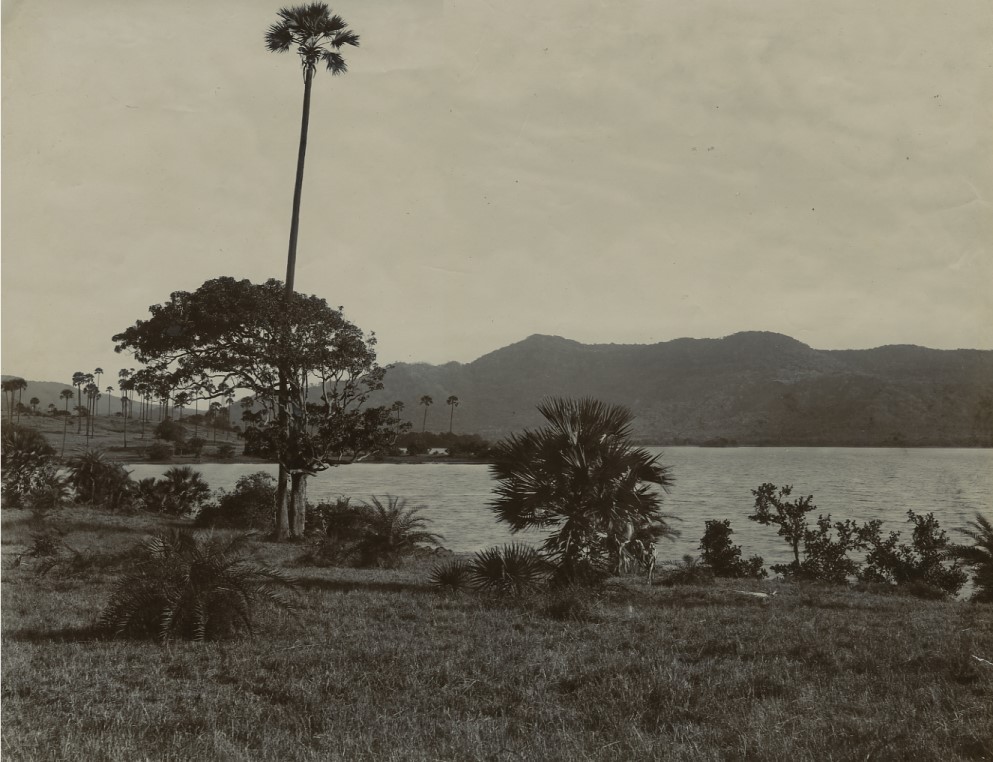
The British and, in particular, the EICo government had committed grave mistakes in Malwa. Ever since the end of the Third Maratha War, they had ignored its people, had ineffectually dealt with the mercenaries and the unemployed soldiers, sent disinterested Residents to swagger around Malwa courts, had been wholly blind to the suffering of the agricultural class who was forced to plant that useless crop – opium – that only led them further into hunger and poverty. Christian missionaries were allowed to set up shop, but nothing was done to promote education at the local level. Very little was done to control the predatory tribes, who, with no other source of income and gradually forced out of their lands, were left to plunder to ensure a livelihood. Setting up a Bhil Corps to manage other Bhils was hardly enough to provide security for a much-harassed population. In typical EICo fashion, they had contributed very little to the prosperity of Malwa but were determined to reap every one of its benefits. Compared to Rajputana, where the EICo had taken great care and faced little opposition in 1857, the uprising in Malwa was the result of decades of neglect and can be placed squarely on their shoulders. They could only count themselves lucky that not everyone in Malwa and its vicinity – namely, Scindia, Holkar and Sikandar Begum – were loyal enough not to cut their throats. The rise of Firoz Shah Shahzada, under these circumstances, should not have come as such a surprise. But ultimately, it would be the regular people of Malwa who would suffer in this very bitter war.
The Malwa Field Force
With Northern India in turmoil, the two remaining presidencies of Madras and Bombay were swift to act. From Madras, Colonel Neill had set sail with the Madras Europeans in May, and further troops would be mobilised as the year continued. In Bombay, Lord Elphinstone authorised the formation of a field force whose objectives were to protect the frontier of the Bombay Presidency and prevent further insurrections in Malwa.
Commanded by General Woodburn, the force, which assembled in Poona in June, consisted of:
5 Troops, 14th Light Dragoons, freshly returned from the Persia Campaign
Woolcombe’s Horse Battery
4/2 Bombay Artillery
25th Bombay Native Infantry
and a pontoon train.
Woodburn’s orders were to march to Mhow – had he followed directions, he might have arrived in time to prevent the uprising there or waylay the uprising in Indore, as Holkar’s men might have been less enthusiastic to have a mutiny had they known that Mhow had been reinforced not only by European troops but by the men from Bombay. Indore may not have been lost, and Holkar’s reputation may never have been tarnished.
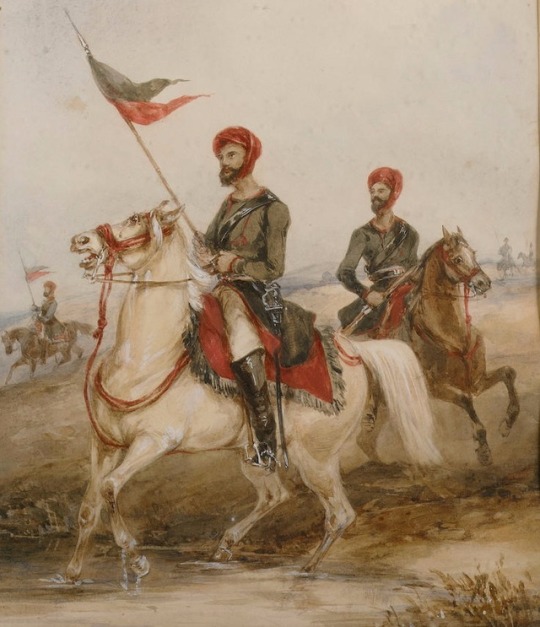
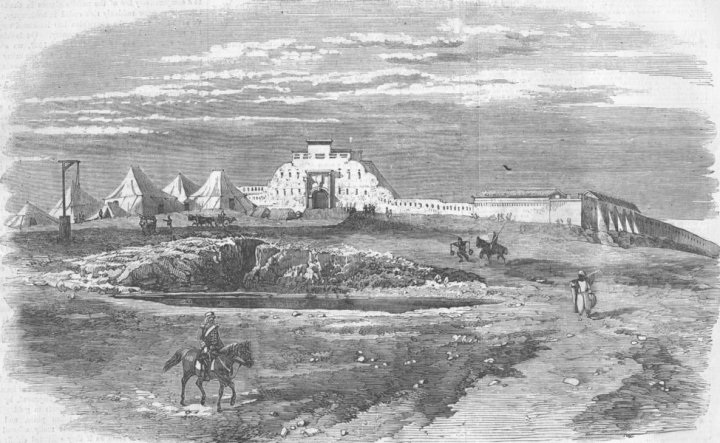
Instead, Woodburn marched first to Ahmednagar and then allowed himself to be diverted to Aurangabad, where the 1st Cavalry, Hyderabad Contingent had been manifesting themselves as mutinous. Instead of showing his presence and then allowing the local authorities to take care of the problem, Woodburn remained stationary in Aurangabad until 12 July. By then, Indore and Mhow were lost. His over-zealousness and ill-health cost him his command. The force was first ceded to Major Follett of the 25th Bombay Native Infantry, but Follett died of cholera on the march, and it was left to Brigadier C.S. Stuart to assume command. Stuart was not a man for delays, and he pushed his force onwards with some haste towards Central India. On 22 July, he reached Asirgarh. Here, he added to his force Colonel Henry Marion Durand, who would assist him as political agent. The role was purely an advisory one, and Durand was permitted to make whatever political decisions were deemed necessary. However, unlike Colonel G.B. Malleson, who would have us believe it was Durand who commanded the force in the upcoming Malwa Campaign, that privilege belonged to Brigadier Stuart. On 27 July, the force crossed the Narbada River and ascended the Vindhya Mountains, where, on 28 July, they were joined by the 3rd Cavalry, Hyderabad Contingent under the command of Captain S.G.G. Orr. On 2 August, the force arrived in Mhow; HM’s 86th Regiment of Foot marched in four days later. The force was now assembled, but suddenly, everything ground to a halt. The monsoon had broken out in earnest, and the rebels themselves were found to be scattered, making a decisive blow by the British an impossibility. The only thing to do was to wait for the end of the rains.

In “The Mutiny Begins” we can see how closely tied the events in Malwa and Rajputana were linked.
Sources:
A Memoir of Central India, Including Malwa, and Adjoining Provinces. With the History and Copious Illustrations, of the Past and Present Condition of That Country Vol I & II – Sir John Malcolm (1823)
The Life of Major General Sir Henry Marion Durand, Vol I – H.M. Durand (1883)
The Revolt in Central India 1857-59, Compiled in the Intelligence Branch (1908)
The Bayard of India – A Life of General Sir James Outram – Capt. L.J. Trotter (1909)
A Short History of the Malwa Bhil Corps (1890)
A Memoir of the Khandesh Bhil Corps – A.H.A. Simcox
The Revolt of 1857 in Central India -Malwa – K. L. Srivastava (1966)
Shahzada Firoz Shah – A Forgotten Hero of 1857 – Dr. Suresh Mishra (2018)
 Mutiny Reflections