17th. “We entered Cawnpore without any resistance, as the brutes have all bolted. The frightful massacre that was reported to have taken place, I am grieved to say, is too true. Sir H. Wheeler, was the Brigadier here, on the first alarm shut himself up in a barrack with 100 Europeans and 60 ladies and children, poor fellows they defended the place to the last, but, overcome by hunger, and they were in such a state that they could not get their wounds dressed, they told the Nana that they were willing to give up the place if he would allow them to go down the river in boats, he agreed to it, and, even had the wounded carried down in carts – the deceitful villain – they had no sooner, poor fellows, entered the boats, then, these cowardly brutes opened fire upon them, and all those that were not shot, were cut to pieces in a most brutal manner, the poor ladies were brought back to Cawnpore, but, after their defeat on the 14th by us, the poor ladies were killed, and their bodies thrown into wells, but the day of retribution for these inhuman savages, is at hand. Whatever you read in the papers about General Havelock’s Column, you may be sure I was present. I am in excellent health, notwithstanding, marching all night and fighting all day in the sun takes it rather out of one. God bless you all…” (Letter 6. Lieutenant William Hargood)
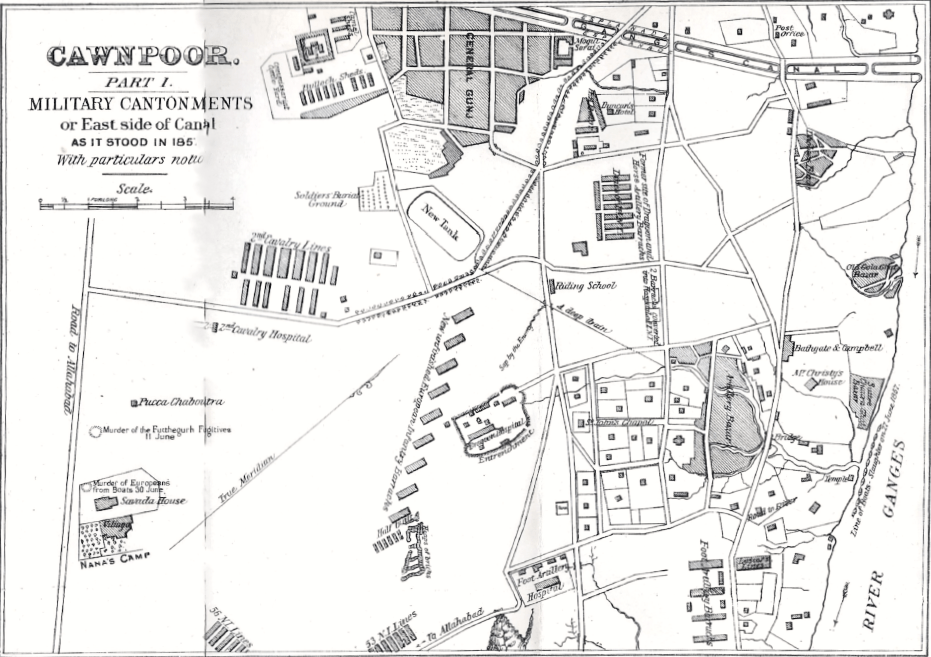
During the night of the 16th of July, the insurgents had been busy. Throughout the night, the British had heard the rumbling sound of carts and gun wheels trundling past; once a soldier cried out “The Cavalry is on us!” but there were none to be seen. Havelock had beaten the Nana Sahib and his force better than he himself believed. The “baffled Mahratta” after the battle, had taken flight and ensconced himself in Bithur, leaving Cawnpore to its own devices. He had hoped to ride victorious through the city, proclaiming the defeat of the Europeans, but now he was forced to flee in their wake.
Although Bithur offered the defeated ruler a refuge, it was hardly a respite. Helplessly he watched as his men deserted him, many approaching him harshly for his failure and to make matters worse, they now all expected to be paid. While imagining a “vast avenging army on his track” he toyed for a moment with the idea of suicide, certainly more honourable than being hung like a cur by the British, but he wasn’t ready to meet his maker quite yet. Under the cover of darkness, the Nana Sahib and what was left of his army fled across the Ganges into Awadh proper. His last act before leaving Bithur was to murder a woman of a man long dead at the Nana’s hands. Mrs. Carter had been consigned by her husband to the Nana for her protection when no one believed he would turn on them – she was swiftly bundled off into the zenana where the ageing widows of his adoptive father fought long and hard for her life; she was pregnant, they argued and no threat to the Nana; killing her served no purpose but to sully his name with the blood of innocents. Shortly after, her baby was born in captivity. While the women stood fast and opposed him, the Nana shirked from their wrath. However, now came the time for flight and like at Cawnpore, there would be no witnesses. With the widows safely packed off, there was no one left to protect Mrs. Carter or her infant. They were both murdered by his guard, the final victims of the treacherous Peshwa.
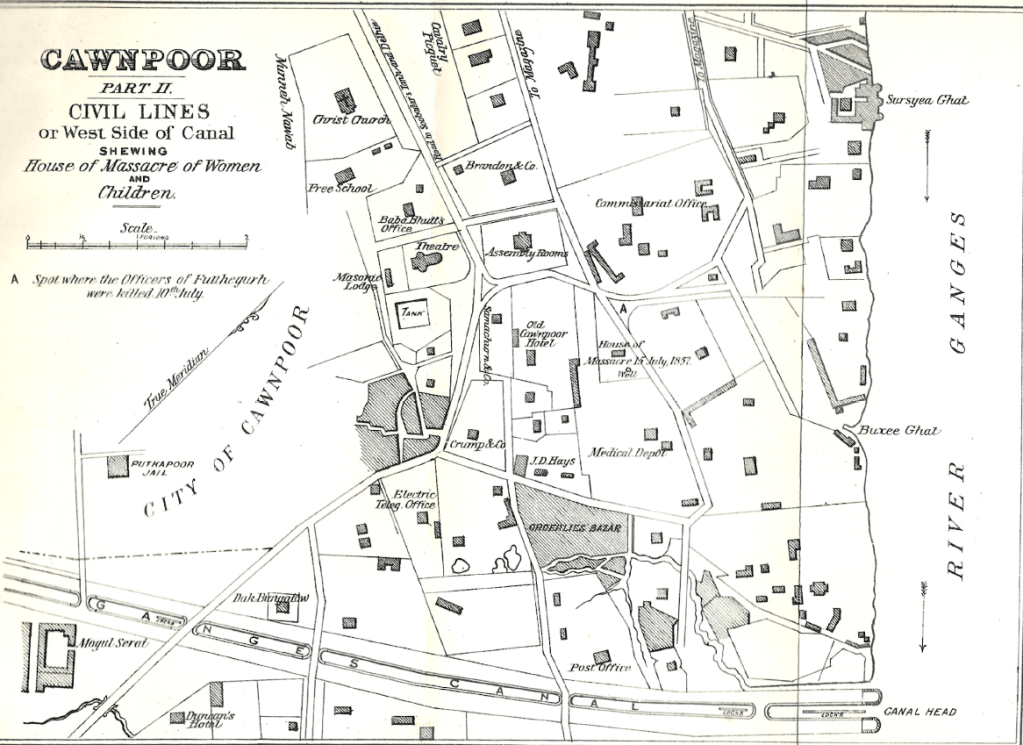
The bugle note sounded over Havelock’s camp, and the weary soldiers marched forward towards the city. Unlike their general, who had been forewarned by his spies that the Bibighar was the scene of a most dreadful massacre, the men were still in the dark. They moved on, in full hope they would, on this fateful day, be the saviours of the poor ladies and children they had so desperately fought for. However, as they would soon find out, the movable column had arrived 2 days too late.
 Mutiny Reflections