“Save me, my hope, by thy powerful intercession; save me from hell; and first save me from sin, which alone can condemn me to hell.”
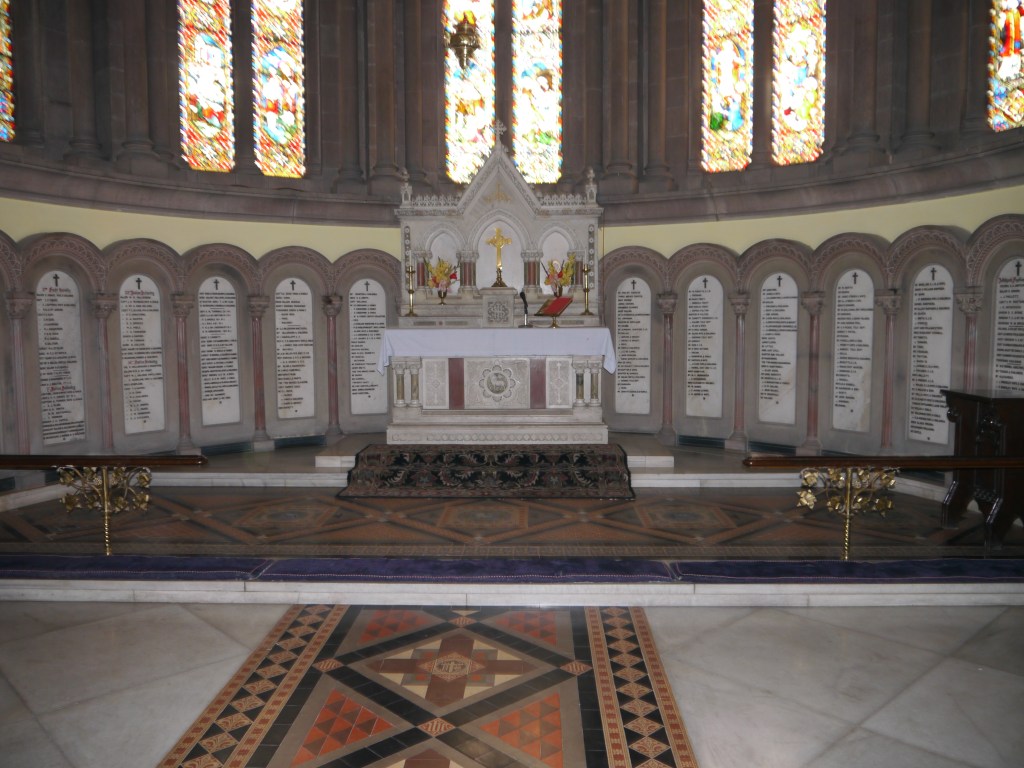
Staff Officers
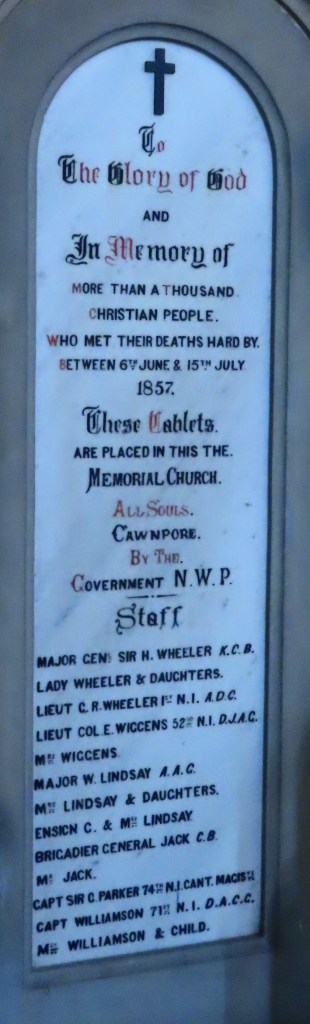
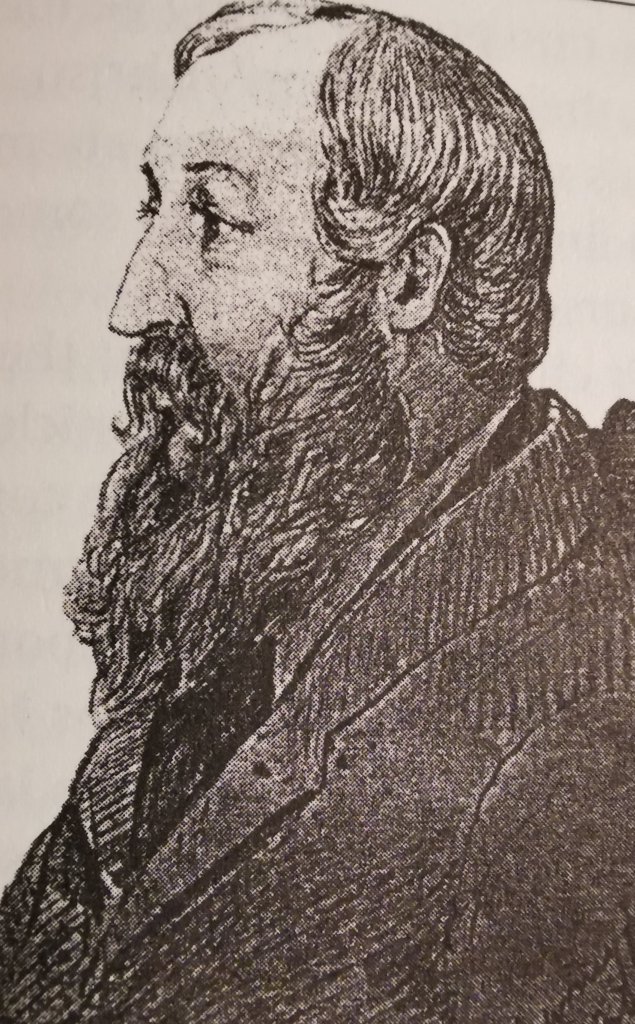
Major-General Sir Hugh Wheeler, K.C.B. – 48th Bengal Native Infantry
Sir Hugh Massey Wheeler was the son of Hugh Wheeler, an officer in the service of the EICo. He was born in Ireland in 1789 and received his commission into the Bengal Army in 1803. At the age of 15, he was posted as a lieutenant in the 24th BNI; he transferred to the 48th BNI in 1819, when he was promoted to captain. He led the 48th during the 1st Afghan War. He would fight in both the 1st and 2nd Anglo-Sikh Wars. He returned briefly to Ireland in 1853-1855 and returned to India in 1856 to take up command of the Cawnpore division. He was 67 years old and had spent 50 years of his life in India.
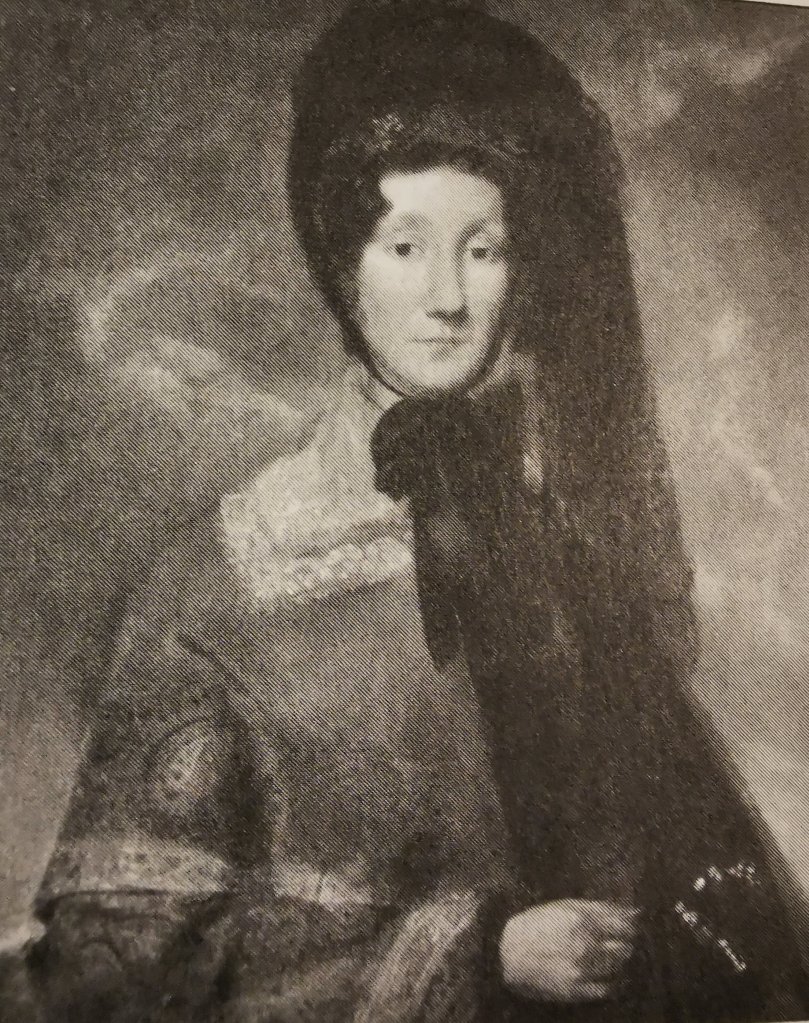
Lady Frances Matilda Wheeler and daughters, Eliza and Margaret.
Lady Frances Wheeler was the daughter of Frederick Marsden, an officer of the EICo. Her mother was Indian. Lady Wheeler would have nine children, seven of whom were born before she married Hugh Wheeler. Except for Margaret, who was carried off by a sowar from Satichaura Ghat, Lady Francis and her other daughter were killed on the 27th of June.
Lieutenant Godfrey Richard Wheeler, 1st Bengal Native Infantry, A.D.C., son of Major-General and Lady Frances Wheeler. Lieutenant Wheeler was wounded during the siege. While being tended to by his sisters and mother, a cannon shot tore through the wall and carried away his head.
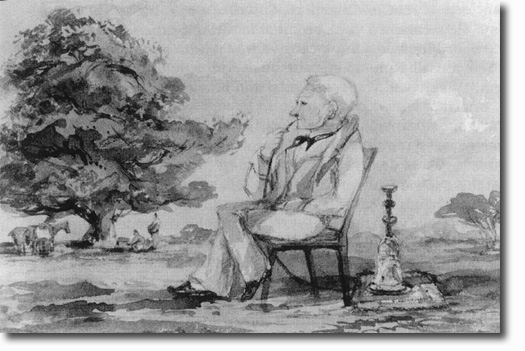
Lieutenant-Colonel Edwin Rees Montague Wiggins – 52nd Bengal Native Infantry – Serving as Deputy-Judge Advocate General in Cawnpore. Edwin Wiggins was born in India in 1819, the son of Lieut. Col. Wiggins of the Bengal Army. He joined the service in 1835 and served as an officer of the 52nd Bengal Native Infantry. He had served bravely through the Siege of Mooltan and Gujarat in 1848-49.
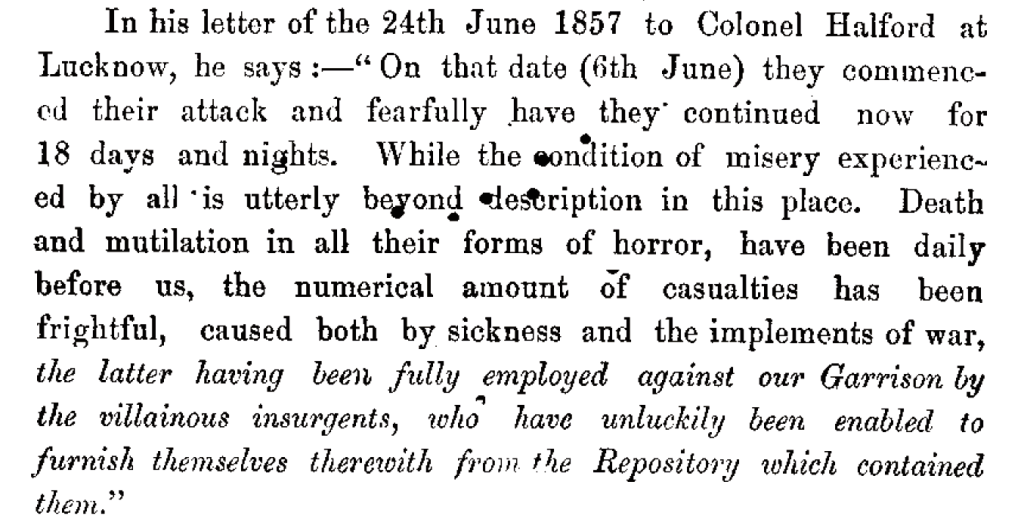
Wiggins is noted in Ward’s book, “Our Bones are Scattered”, as not having taken an active part in the siege. He spent the early part of it tending to his wife, who “had lost her reason before the siege began” and to his two youngest children. Mowbray Thomson regarded him as a “craven-hearted officer” who “….seemed not to possess a thought beyond that of preserving his own worthless life.” When his wife died, Wiggins continued to stay indoors, well away from the horrors of the entrenchment, until the end, as “nothing could rouse him to exertion.” Wiggins was killed in the boats; it is presumed his children were killed with him.
Mrs Christian Mackenzie (née Paton) Wiggins – born in Calcutta in 1823, the daughter of Lieut. Charles Paton (1791-1830) and his wife (and first cousin) Christian Henderson (1802-1827). She was the second of their four daughters. She married Edwin Wiggins in Cawnpore in 1841. They would have several children, but only two were with their parents at the time. Mrs Wiggins died of exhaustion and heat stroke on 12 June.
Captain (Bt. Major) William Lindsay – 10th Bengal Native Infantry– A.A.C. Born in 1810, the son of William M. Lindsay, grain merchant in Dundee. He joined the army in 1826 and was promoted to major in 1854. Lindsay was considered too old to take an active part in the defences – he had been in India for 31 years -but he took care of the paperwork instead, sitting in the Main Guard writing “station and divisional orders” on scraps of paper. He was also the man everyone complained to, and Lindsay tried to stem the tide of disaffection building up in the entrenchment. He died on the 18th of June, following an injury sustained the day before when a round shot burst in his room as he lay on his bed – the splinters from the shards of brick and wood lodged in his eyes.
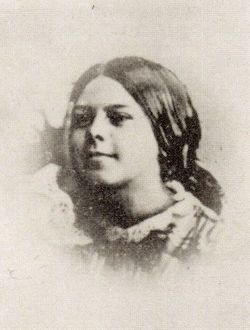
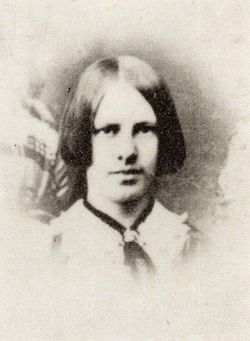
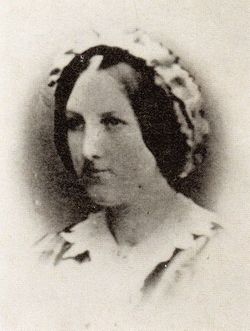
Lindsay, Lilly, Mrs., died of shock in the entrenchment on 17th June. Their three youngest children, William, Charles and Mary, were in England being looked after by relatives.
Lindsay, Catherine Jemima “Kate” – widow of George Lindsay, ICS. She was visiting her brother, William, in Cawnpore at the time of the mutiny.
Lindsay, Caroline, Miss – killed in the Bibighar
Lindsay, Frances, ” Fanny”, Miss – killed in the Bibighar
Lindsay, Alice, Miss, died in captivity, 9th July
Lindsay, Lieutenant Charles and wife – killed at Satichaura Ghat
Lindsay, George (1st BNI) – aged 18. Nephew of Major Lindsay. Killed at Satichaura Ghat.
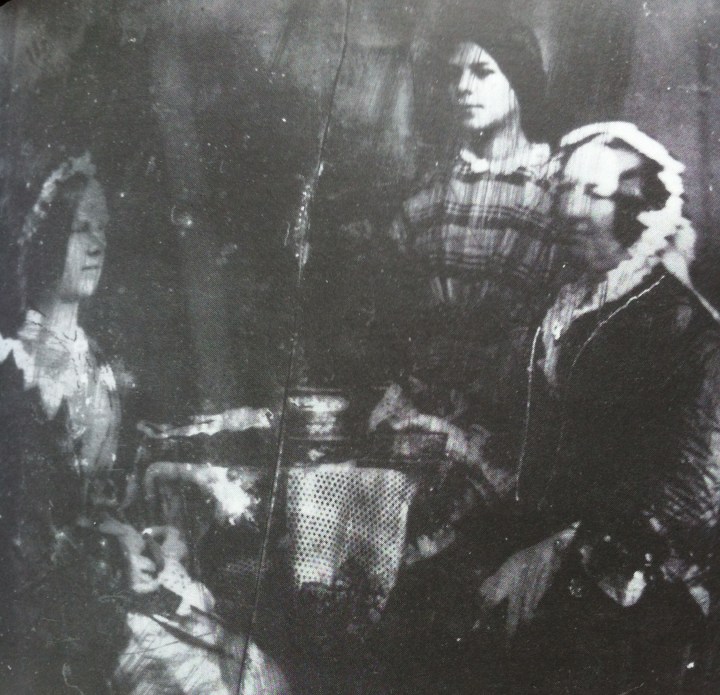
A note written by Caroline was found in the Bibighar, and it read:
“Mama died, 12th July
Alice died, 9th July
George died, 27th June
Entered the barracks, 21st May
Cavalry left, 5th June
First shot fired, 6th June
Uncle Willy died, 18th June
Aunt Lilly, 17th June
Left barracks, 27th June
Made prisoners as soon as were at the river.”
The widowed Kate Lindsay had sailed to India in 1856 with her daughters and son George — George was to take up a military career while, hopefully, his sisters would find suitable husbands. After a whirlwind of a time in Calcutta, they set off for Cawnpore, where the widow’s brother, Major William Lindsay, was stationed. The major was a staff officer in the 10th BNI – he had spent 30 years behind a desk, quietly working his way up the ladder, and his only ambition was to retire a colonel. His wife, Lilly, was pining for her three children whom she had taken back to England in 1854. In Cawnpore, she devoted herself tirelessly to the church. They were to have left India for good in 1858, with enough time still to see their children grow up.
Caroline Lindsay was not smitten with Cawnpore. The dusty town and its drab river did nothing to dispel the sense of horror she had felt before leaving Calcutta. Although she had begged her mother to be left behind in Calcutta — so strong had been her fear of travelling to Cawnpore — Kate Lindsay ignored her daughter’s ardent misgivings, gathered her brood and made her way upcountry.
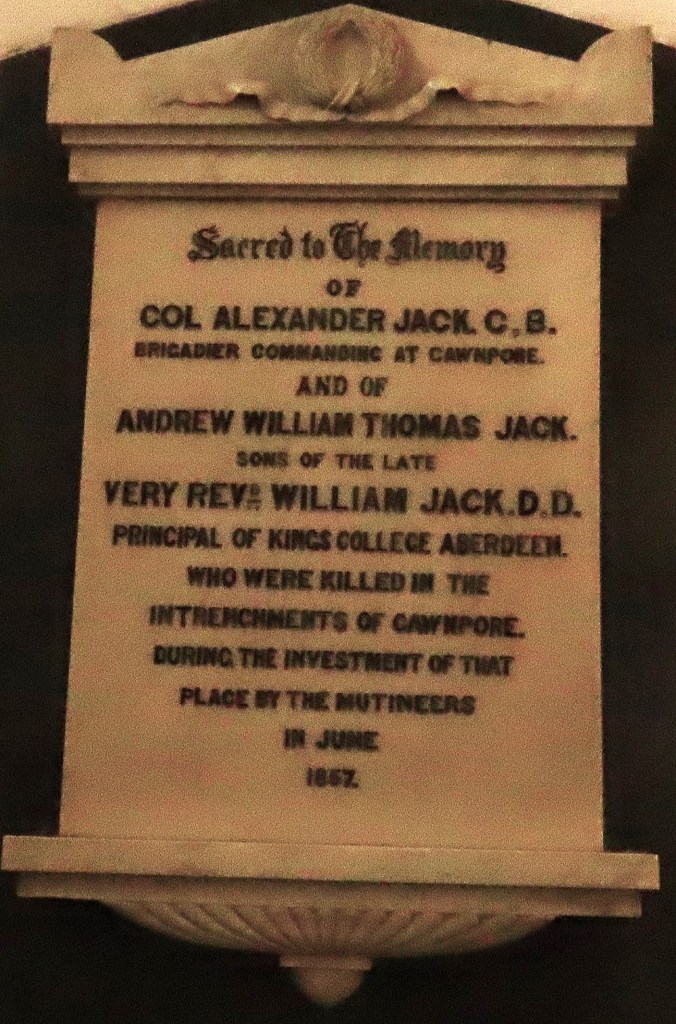
Colonel Alexander Jack, C.B. –30th Bengal Native Infantry, Brigadier Commander of Cawnpore, aged 51. Son of Rev. William and Grace Jack, of Aberdeen.
Mr. Andrew William Thomas Jack, brother of Colonel Jack.
Alexander Jack joined the Bengal Army in 123, appointed ensign to the 30th BNI. He served with this regiment at Aliwal and acted as brigadier of the force sent to Kangra during the 1st Anglo-Sikh War. He then commanded his battalion through the 2nd Anglo-Sikh War and was promoted to Colonel in 1854 and brigadier in 1857.
Following his time at Kangra, he published his sketches in a book entitled, “Six Sketches of Kot-Kangra drawn on the spot” (London, 1847).
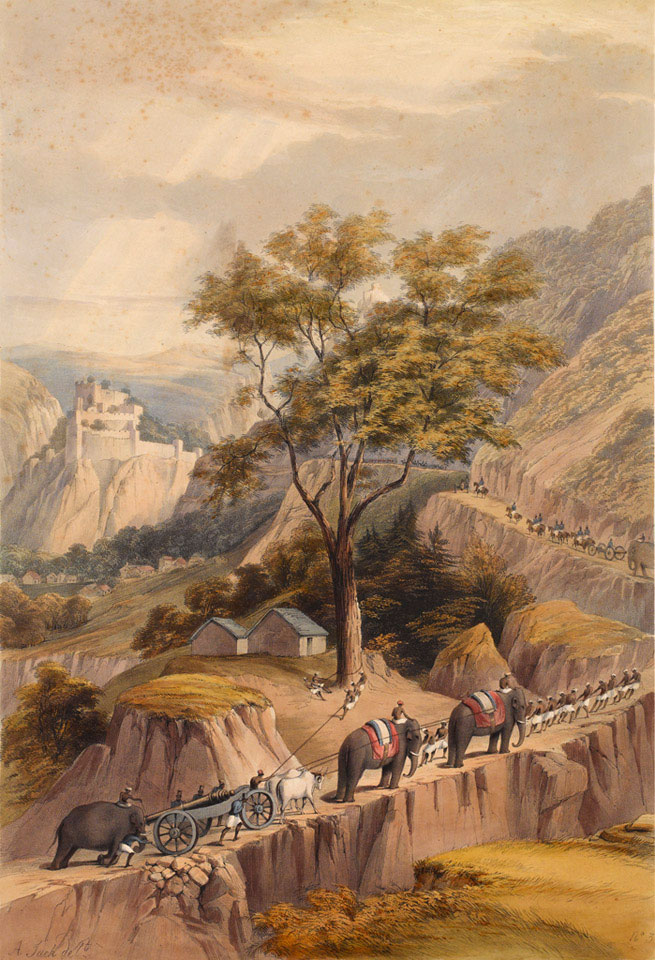
Alexander Jack died of heatstroke; his brother Andrew, who was on a visit from Australia, was injured during the siege by round shot and died following the amputation of his leg.
Captain William Williamson – 41st Bengal Native Infantry. Aged 33. Deputy-Asst-Commissary-General. Son of the late Major-General David Williamson, Bengal Army. Served in the Sutlej and Punjab Campaigns (medals & clasps). It was due to his “indefatigable exertions” that the entrenchment had any stores of food at all. His wife, Jesse, was the daughter of Dr Chapman of Hawkfield House, Leith, Edinburgh. Together with their infant daughter, Eleanor, the Willamsons were killed at Satichaura Ghat.
Major Sir George Parker – 74th Bengal Native Infantry – Cantonment Magistrate, aged 44. Second son of Vice-admiral Sir William George Parker, second baronet of Harburn, Warwickshire. Educated at Addiscombe, he proceeded to India as an infantry cadet in 1833 but was not posted until 1837. He was then appointed lieutenant in the late 74th Bengal Native Infantry and promoted to captain in 1845. In June 1852, he went home on sick leave and succeeded to the baronetcy on the death of his elder brother, Sir William James Parker, in the same year. He returned to India in December 1854, and on the 5th May 1856, was reappointed superintendent of Akbara and made magistrate at Cawnpore. During the siege, Parker, Wiggins, the judge advocate-general, and Brigadier Alexander Jack were the only residents who remained in their houses (Malleson). Parker died of sunstroke during a sortie of 6 July 1857. He had obtained a majority a few days earlier. His son George Law Marshall, by his first wife, succeeded to the baronetcy.
Cavalry
2nd Bengal Light Cavalry
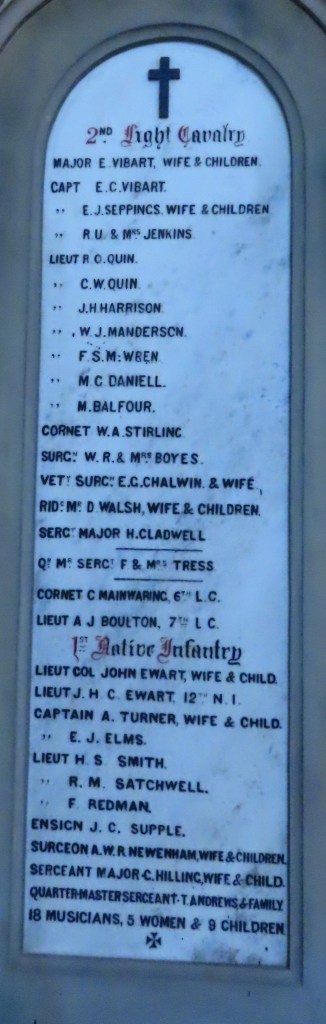
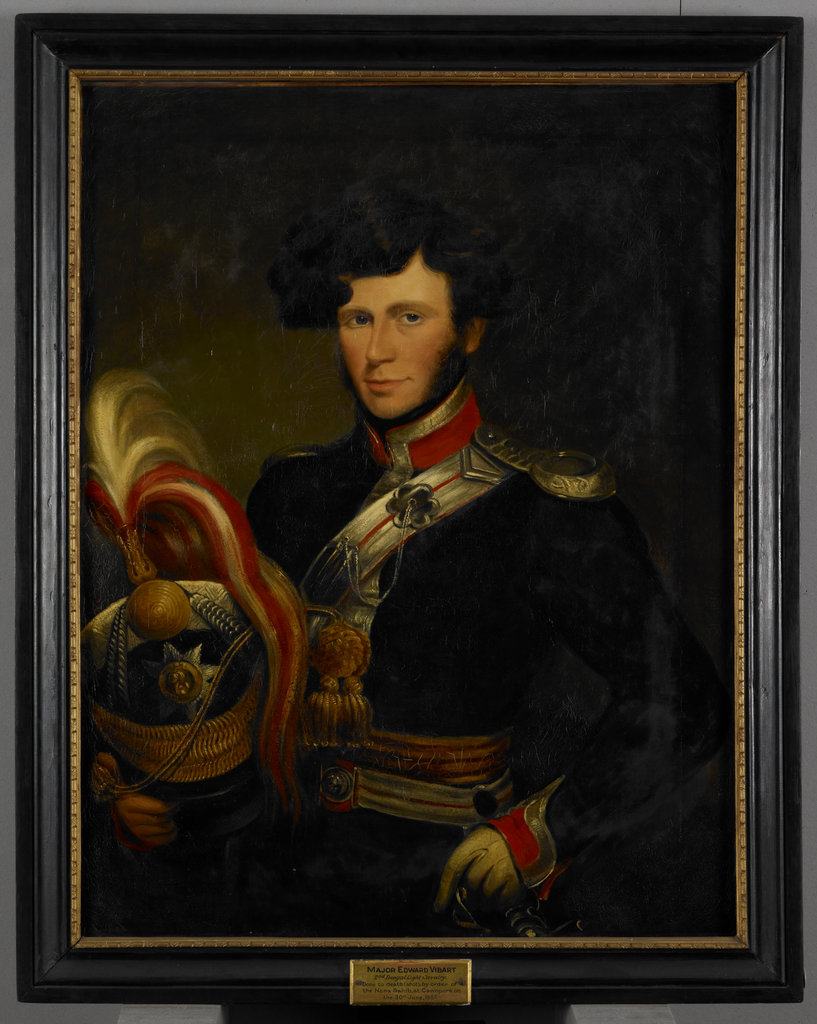
Major Edward Vibart – aged 49. Husband of Emily Coles.
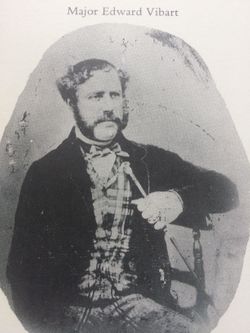
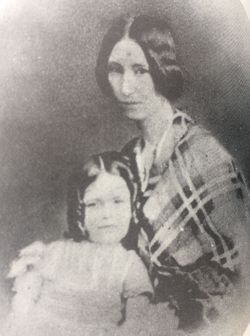
Born in 1807 at Amberd House, Pitminster, Somerset, the son of James Vibart, of Taunton, Edward was the major of the 2nd Bengal Light Cavalry, in command of the regiment at Cawnpore. He had had a long career in the military, having served with the Army of the Indus; he was present at the Capture of Ghazni and at Punniar (Bronze Star). With his family, consisting of his wife, Emily (née Coles) and their four children, John (aged 8), Louisa, William (aged 4) and baby Emily, he went into Wheeler’s Entrenchment. Vibart was very active in assisting Jack in preparing the garrison’s defences, and during the siege, he vigorously defended the redan with three young officers of the 1st NI – Supple, Smith and Rederick Redman. Before the siege was over, all three of them would be beheaded by round shot.
During the siege, his son John, aged 8, was killed by a sniper when he was running out to greet his father; his young daughter Louisa died of heatstroke. His wife, though high-strung and unwell, managed to survive the siege with their two remaining children.
On the 27th of June, Vibart was one of the last men to leave the entrenchment, but he managed to join his family in the boats. It was one of the few that managed to float away from the ghat – Vibart organised the defence on board, but for the next two days, they had made but little progress. They were finally forced to surrender. Unfortunately, Vibart had been shot – once in the arm at Satichaura Ghat and in the other arm on the 27th of June. He bled to death on the way back to Cawnpore, and his body, along with that of young Lieutenant Master, was dumped in a ditch.
Their eldest son, 19-year-old Edward Daniel Hamilton, saw out the Siege of Delhi, and he would eventually make his way to Cawnpore, where he would stand in the ruins of his family home, desperate for revenge. His book “The Sepoy Mutiny as Seen by a Subaltern: from Delhi to Lucknow” (Smith, Elder & Co., 1898) follows his story. His two sisters were spared the mutiny altogether as they were in England.
Captains
Jenkins, Robert Urqhart and wife. Son of R.C. Jenkins, of Beachley, Gloucestershire.
“We had sent on our men before us to resume their posts, and while we were leisurely walking and chatting together between the barracks numbered 4 and 5, a wounded sepoy, who had feigned death while our men passed him, suddenly raised his musket and shot Captain Jenkins through the jaw. I had the miserable satisfaction of first dismissing the assailant and then conducting my suffering companion to his barrack. He lived two or three days in excruciating agony, and then died from exhaustion, as it was quite impossible, without the aid of instruments, to get even the wretched nutriment we possessed into his throat.” (Thomson)
Jenkins had served under General Whish at the siege and surrender of Multan and at Surajkand in 1848. He was described as being one of the “bravest and best” in the entrenchment. His wife was killed at Satichaura Ghat.
Their Ghosts
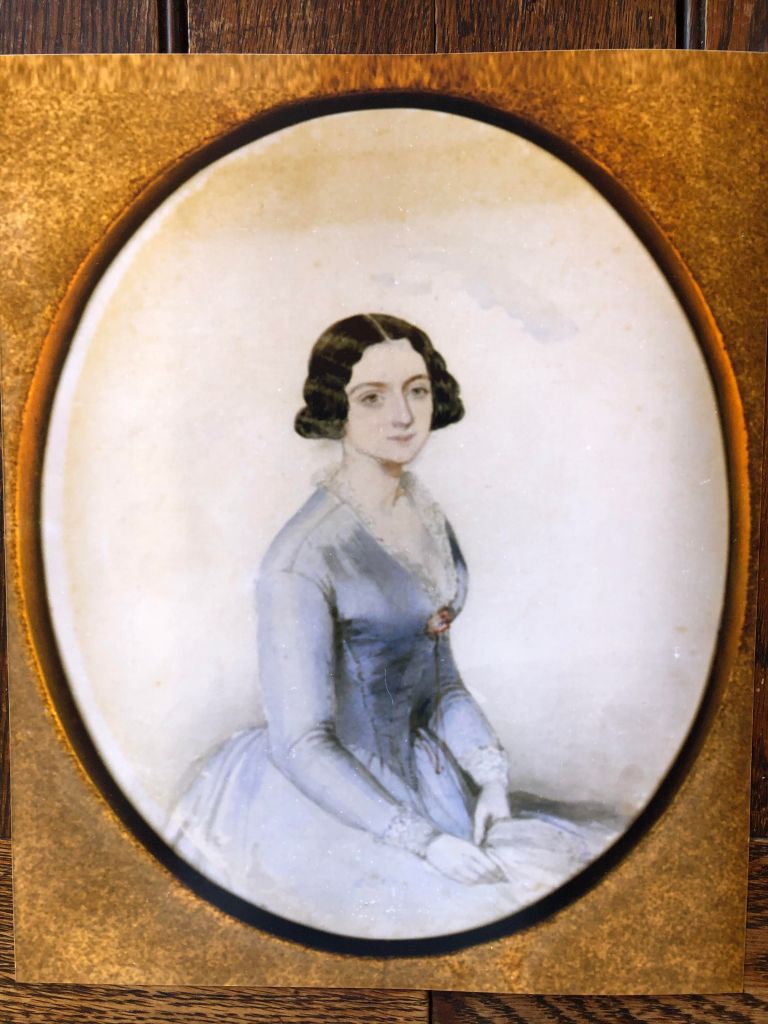
Seppings, Edward James, born 20th February, 1826. Like Jenkins, he served General Whish’s force at the siege and surrender of Multan, and was also present at the Battle of Surajkand on 7 November 1848. He was wounded during the escape from Satichaura Ghat and was brought back to Cawnpore with his wife and children. His wife, Jessie, was likewise wounded. While a few sepoys tried to plead for the lives of Seppings’, they were hastily overruled, and Seppings was shot on the grounds of the Savada Koti along with the other men in Vibart’s boat. His wife Jessie and sons, Edward, aged 3 and John James, aged 5, were killed in the Bibighar.
An inscription was found on a wall in the Entrenchment that ran thus,
“The following were in this barrack on the 11th of June, 1857. Captain Seppings, Mrs. Ditto, 3 children, Mrs. Wainwright, Ditto infant, Mrs Cripps, Mrs Halliday.” A grim memorial for a family who, in less than a month, would cease to exist. Jonah Shepherd recalls seeing Captain Seppings kneeling in a doorway with his wife and children, and “quite resigned” leading them in prayer. Some of it, at any rate, was answered. They would survive, but their journey ended in the same boat as the Vibarts. Unable to defend themselves any longer, injured, starving and exhausted, the boat surrendered to the rebels.
After an eighteen-mile trek from Sheorajpur back to Cawnpore, the remainder of the party was assembled at Savada House. Here, the men, including Captain Seppings, were shot — those who did not die in the volley were hacked to death with tulwars, and the women were taken to the Bibighar.
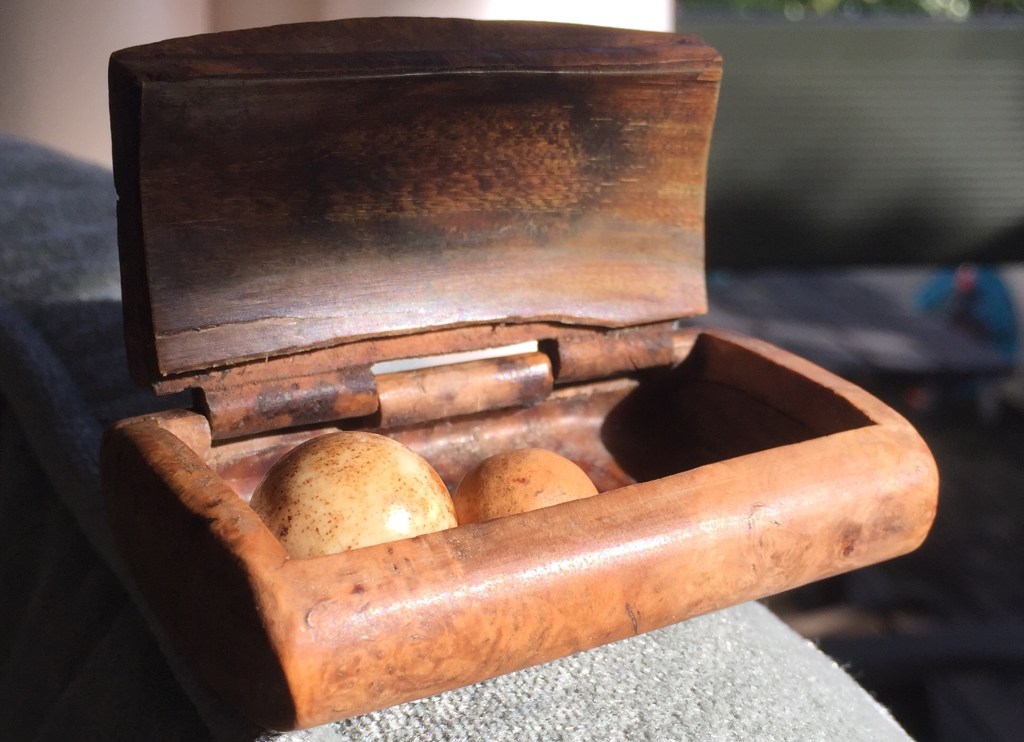
Witnesses say that on the 16th of July when the Bibighar was opened, some women and children were found to still be alive and with them, two small fair-haired boys who were recognised as Captain Seppings’ sons. One of them was clutching the box pictured above, his last possession. They are said to have been the last victims of the massacre, running in terror around the well with nowhere to go. The boy dropped the box, and “Two Hindu men who knew the Seppings boys, but could do nothing to save them, scooped the toy up and next day, probably to save their own skins, presented the toy to General Havelock’s men, who in turn handed this on to the General. He arranged for it to be returned to the Turnbull family, who were Jessie’s people.” Their last moments remain imprinted upon this earth. In the form of spectral figures, they have been seen over the past 160 years at the site of the infamous Bibghar Well in Cawnpore, two fair-haired boys forever running.
Lieutenants
Balfour Melville – killed 30 June
Daniell, Murray George – aged 39. Third son of Capt. E.M. Daniell, HEICS, of Gloucester Square, Hyde Park, London. Daniell escaped in Vibart’s boat and was killed on the 30th of June.
Harrison John Hammond – “Harrison had left one of the boats in company with a number of passengers, and by wading, they reached a small island, about two hundred yards from the shore. While I was swimming past this islet, I saw three sowars of cavalry who had also waded from the Cawnpore bank: one of them cut down one of our women with his tulwar, and then made off for Harrison, who received him with a charge from his revolver, and waited for the second man, whom he despatched in like manner, whereupon the third took to the water on the shore-side of the ait, and Harrison, plunging in on the river-side, swam to Vibart’s boat.” (Thomson) He would later be shot dead.
Manderson, William J. – died in the entrenchment
Quinn, R.O., was wounded in the entrenchment. Died of fever. Served under General Whish (Multan), served at the battle of Surajkand, 1848.
Quinn, Charles William – shot in the arm in Vibart’s boat and killed on the 30th of June.
Wren, Francis Stoneham Montagu – Memorial at Northam church, Devon – “To the memory of Delitia Montagu, wife of Major Wren of Lenwood, youngest daughter of Admiral Barton of Burrough, Died 17th June 1836 Aged 42. Also of Henry Conway, son of the above Died 12th Aug 1838 Aged 15. Also of Francis Stoneham Montagu, their youngest son, Lieut. in the 2nd Regt Bengal Cavalry who fell at Cawnpore during the Indian Mutiny in June 1857 Aged 21.”
Riding Master David Walsh, wife and children – killed during the siege
Sergeant Major H. Cladwell – killed during the siege
Quarter-Master Sergeant Tress and wife – killed during the siege
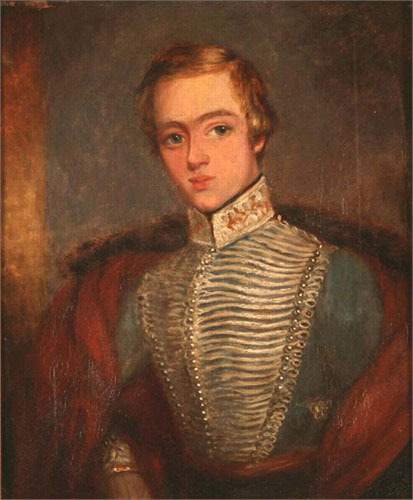
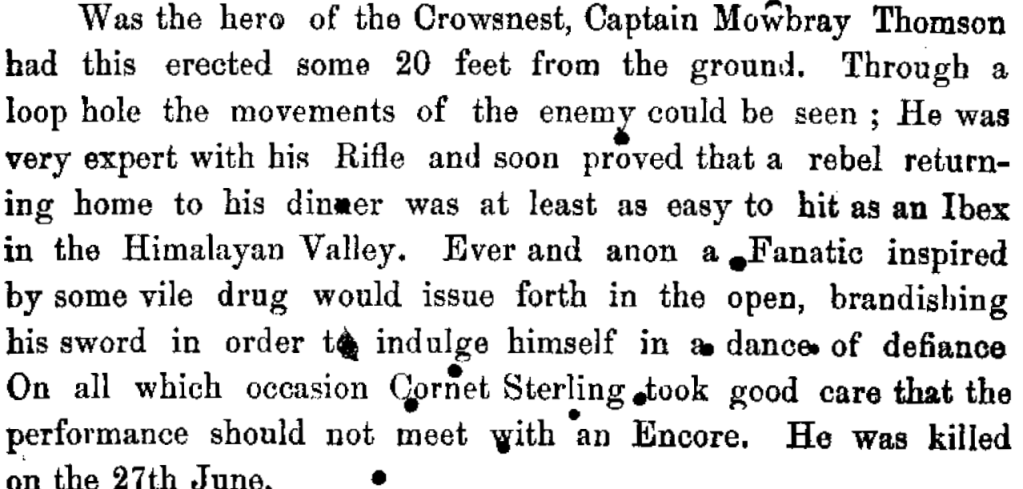
Cornet W.A. Sterling
Surgeon William Robert Boyes – Born October 1816. Serving with the 1st Bengal Native Cavalry. Son of William Boyes, of Brixton Hill, Surrey. He and his wife Kate would be killed on the 30th of June.
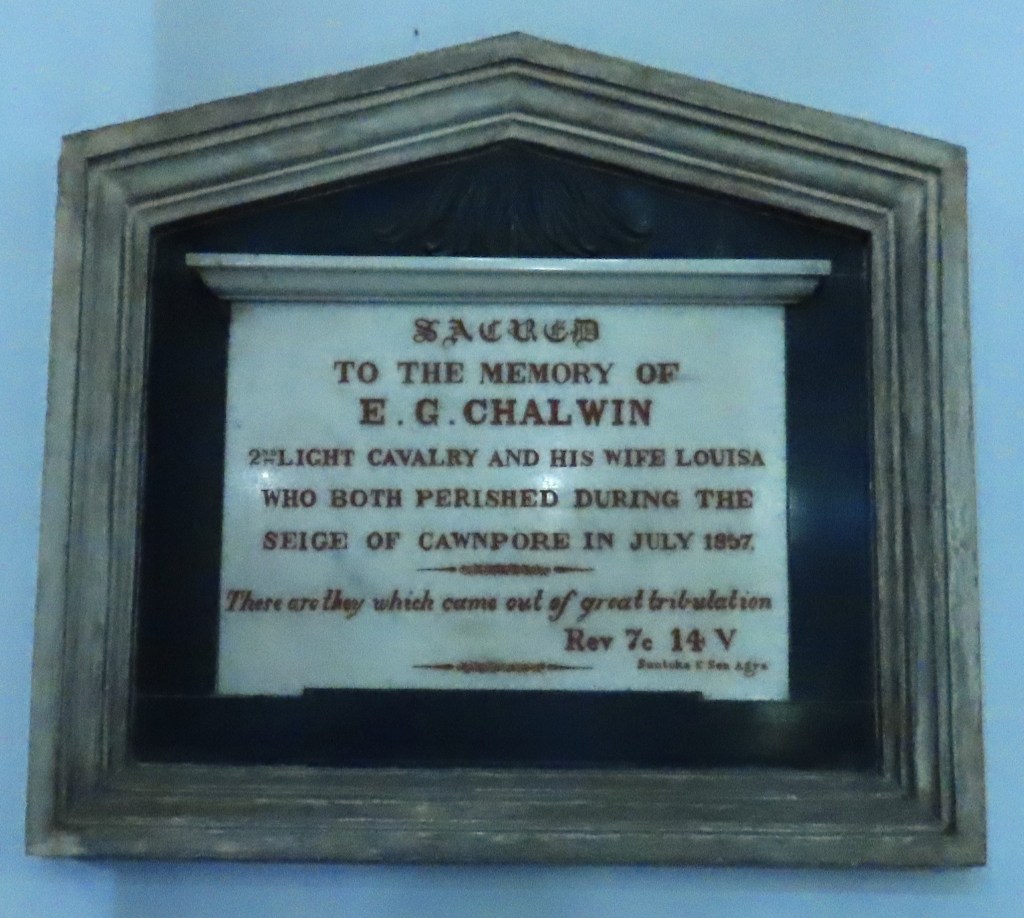
Veterinary Surgeon Edmund George Chalwin – killed in the entrenchment. Mrs. Chalwin was killed at the Bibighar.
6th Bengal Light Cavalry
Cornet Charles Mainwaring, aged 18 – one of three brothers caught in the events of 1857. Captain R.R. Mainwaring was second-in-command of the 7th BNI at Dinapore; George Bryers Mainwaring, the talented linguist and interpreter who would serve with the 42nd and 49th BNI, both in Cawnpore and in the Punjab while Norman William Mainwaring who would arrive in India in 1858 for the latter part of the mutiny, having been stationed in South Africa. Their first cousin, Captain Rowland Mainwaring Smith of the 54th BNI, was killed at the Kashmiri Gate in Delhi in May 1857. Cornet Mainwaring was one of the men in Vibart’s boat. He was wounded and then killed on the 30th of June.
7th Bengal Light Cavalry
Lieutenant Augustus J. Boulton – he had been on detached duty from Lucknow when the party of sowars he was with mutinied. Boulton managed to flee to Cawnpore on his horse. A bullet had torn through his face, but he still continued to fight in the entrenchment. Boulton was killed at Sati Chaura Ghat when trying to free one of the boats, together with Lieutenant Ashe. Boulton was born in 1834, the son of Charles Boulton and his wife Caroline (née Thellusson).
Bengal Artillery
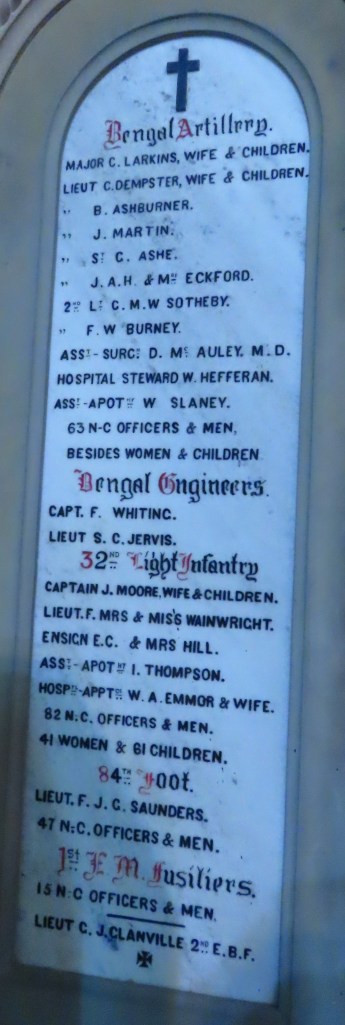
“Our Hour of Departure Has Come…”
So wrote Emma Ewart Larkins (née Carnochan/Carnaghan) on the 9th of June 1857 from Cawnpore to her sister-in-law Henrietta in England. Four of her children were safe with their aunt, but three others were with their parents in India. As Emma wrote her final letter, it was raining shot and shell on the barrack where she was sheltering with her three children. Her husband had worn himself out in the past weeks, preparing the munitions for the entrenchment, and since the commencement of hostilities had never given himself any rest. With collected calmness, he led his men and exposed himself mercilessly to the sun. On the 9th of June, he collapsed of heat apoplexy. On the same day, Emma wrote her final, sad letter and entrusted it to her ayah, Munna. The next day, Major Larkins died.
Munna escaped from the entrenchment and travelled to Calcutta. She tried to give the packet to the gentleman it was addressed to, but he refused to see her and, giving no credence to her tale, flatly refused to believe her. The poor woman burst into tears and handed the packet to a servant. Weeping bitterly, she turned away and vanished into history, never to be found again. The letter arrived in England over a year later. Emma and her children, Jessie (aged 8), Emily (aged 7)and Georgie (aged 4) perished — Lieutenant Delafosse recalled seeing Emma Larkins and her children at Satichaura Ghat. As their names do not appear on the lists for the Bibighar, it is presumed they were killed in the boats.
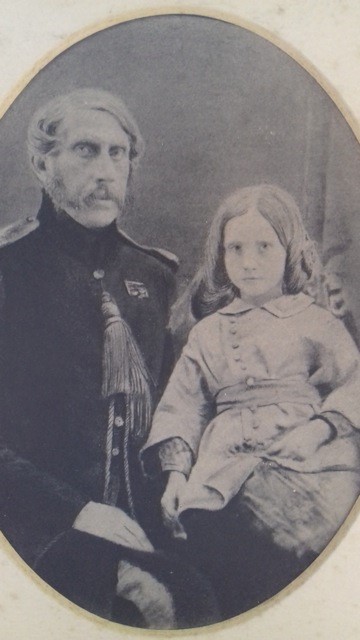
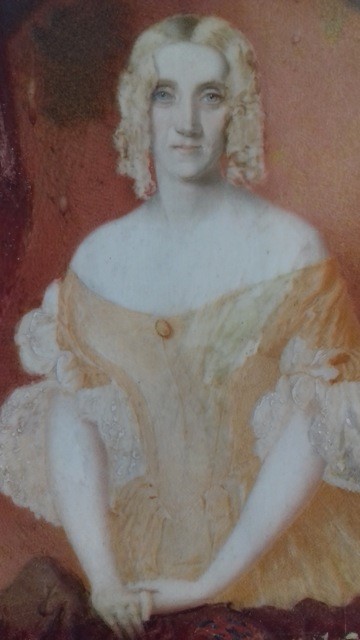
Major George Larkins – aged 49. Son of John and Mary. Husband of Emma Carnaghan. He had served in Afghanistan in 1842 and was present at the forcing of the Khyber Pass and the reoccupation of Kabul
Lieutenants
Ashburner, Burnett – Sixth son of William Page Ashburner, formerly of Bombay. Born in Longford in 1848, he had withdrawn from Addiscombe in 1848 due to ill-health. One of his classmates was St. George Ashe.
Ashburner was one of the party sent out by Wheeler in an attempt to blow up the Magazine on the 5th of June. Among those chosen for this duty was Ashe, along with 2 dozen volunteers. The men managed to ride a quarter-mile from the Entrenchment when they were beset upon by “a swarm of rebels crossing the canal.” When the mutineers opened fire with their muskets, Ashburner either deliberately charged into them or lost control of his horse – either way, he was never seen again.
Ashe, St. George – aged 26. Ashe would be killed at Satichaura Ghat when he took the place of Captain Moore, who had been shot while pushing the boat into deeper water. He was the son of Major Benjamin Ashe of the Bengal Army and his wife, Harriet. He was born in Sitapur on July 8, 1830. Ashe had served in the Burma Expedition and was present at the capture of Rangoon (1852) and at the attack on the stockades in 1853. During the siege, he was in charge of the N.E. Battery consisting of one 24-pounder howitzer and two 9-pounders.
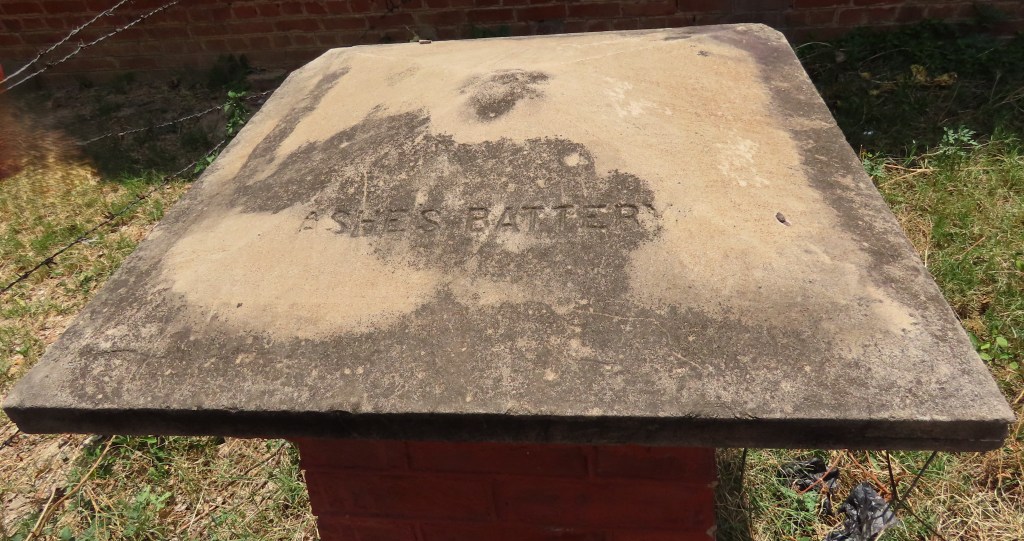
Dempster, Charles – shot in the entrenchment. Served with the army of the Punjab (148-49), present at Chillianwala, and Gujarat (Medal, two clasps). Dempster commanded the west battery in the entrenchment of three 9-pounders. He was mortally wounded near Captain Whiting’s battery and died in the entrenchment.
Mrs Jean Dempster – born 19th January, 1832, and four sons (-extra information from “Fasti ecclesiae scoticanae” by Hew Scott, p.147). They were killed, according to Delafosse, in the entrenchment.
2nd Lieutenants
Burney, F.W. – killed in Vibart’s boat by the same round shot that killed Lieutenant Glanville. It also tore off Lieutenant Fagan’s leg.
Eckford, J.A.H. – killed by round shot in the entrenchment.
Mrs Eckford – wife of J.A.H. Eckford – died in the entrenchment.
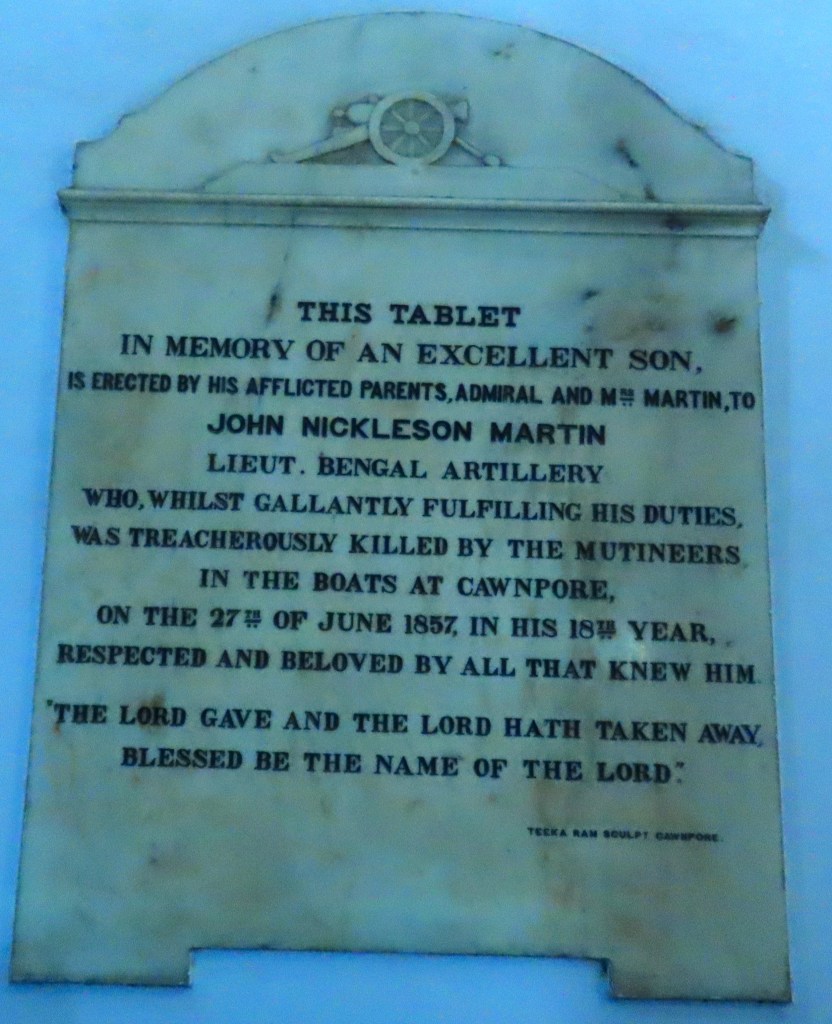
Martin, John Nickelson – he had only just arrived in Cawnpore, three days before the siege. He was 18 years old. In an off remark, Martin said to Mowbray Thomson, while looking at a heap of shells, “I should like to see some practice with these things…” As Thomson pointed out, the young man soon saw far more practice than most soldiers “three times his age.” Martin was shot in the lung but survived to be carried to Satichaura Ghat, where he died on board one of the boats that had been set on fire. Son of Admiral Martin.
Sotheby, George M.W. – aged 17. Only son of Capt. George H. Sotheby, 34th Madras L.I. Memorial at St. Johns Church, Clifton, Lancashire – “Also to Lieutenant George M.W. Sotherby, Bengal Artillery, son of the above, who was killed in the massacre at Cawnpore June 1857 aged 17 years.”
Sergeant Major John Bastell (Staff/7)
Quartermaster Sergeant Benjamin Cawcutt
Drill Sergeant Murlow
Unless otherwise mentioned all the following belonged to the 1st Company, 6th Battalion (1/6)
Sergeants
Beattie, Thomas
Darwin, Edwin
Donaghue, Thomas
Dogherty, James
Dunseeth, Robert
Edmundson, John
Farrell, Charles
Tallon, Patrick
Owen, John
Corporals
Glenny, John
Glenny, Joseph
Lynch, Charles
Ryan, Anthony
Ryan, Patrick
Scott, James N.
Service, William
Smith, John
Bombardiers
Burke, Michael
Connolly, Francis
Kenny, Thomas
Norris, Patrick
Buglers
North, Charles
Worrell, George
Gunners
Beezley, William
Black, Alexander
Blenman, Francis
Brazington, William
Burke, Patrick
Carruthers, William
Clegg, John
Connolly, Francis
Corkill, William
Cullen, Nicholas
Edmundson, John
Farrell, Charles
Gough, John
Hutchinson, George E.
Jackson, Thomas
Keane, James
Kelly, John
Kennedy, David
Kenny, Thomas
Laverty, Denis
Leine, Daniel
McConnell, Thomas
McGill, Thomas
Mackinlay, William
Maguire, Patrick – the first casualty of the siege. He was killed by round shot at the west battery – “Several of us saw the ball bounding toward us, and he also evidently saw it, but, like many others whom I saw fall at different times, he seemed fascinated to the spot.“
Maloney, Daniel
Mangan, Richard
Mitchell, William
Morrissey, Thomas
Norton, James
O’Dwyer, Charles
Pearce, John
Porter, John
Reilley, Patrick
Rogers, Thomas
Scott, James
Service, William
Sullivan, James – escaped with Delafosse, Thomson and Murphy but died of cholera at Cawnpore in August.
Sullivan, Timothy
Thompson, William
Ward, Patrick
Webster, Rawson
Whelan, John
Assistant Surgeon D. McAauley – escaped in Vibart’s boat and was killed on the 30th of June.
Hospital Steward W. Hefferan. Killed during the siege.
Assistant Apothecary W. Slane (also spelt Slaney) – died in the entrenchment.
A total of 63 NCOs and men of the artillery perished. The women and children are not mentioned by name on the tablet.
Infantry
2nd Bengal European Fusiliers
Lieutenant George Julius Glanville – Aged 25. Son of Francis and Amabel, of Cornwall. Killed in Vibart’s boat by the same round shot that killed Lieutenant Burney and injured Lieuteant Fagan.
1st Bengal Native Infantry
Colonel John Ewart – aged 53. Son of Peter Ewart, chief engineer at H.M. Dockyards and formerly a cotton spinner, and Marianne, née Kerr, daughter of William Kerr of Kelso of Manchester. She was also the aunt of Henry Thomas Coggan Kerr (Lt. 39th NI, died 1845). Ewart was born on 24 July 1803.
Husband of Emma Fooks (daughter of T.B. Fooks of Deptford, Kent; married in Nasirabad, 1841). He was wounded during the siege, and his infant daughter died in the entrenchment of heat and shock.
Colonel John Ewart had served at the siege and capture of Bhurpore (1825-26), having just arrived in India on 5 April 1825. At the time of his marriage in 1841, Ewart was serving with the 55th BNI as Interpreter and Quarter-Master.
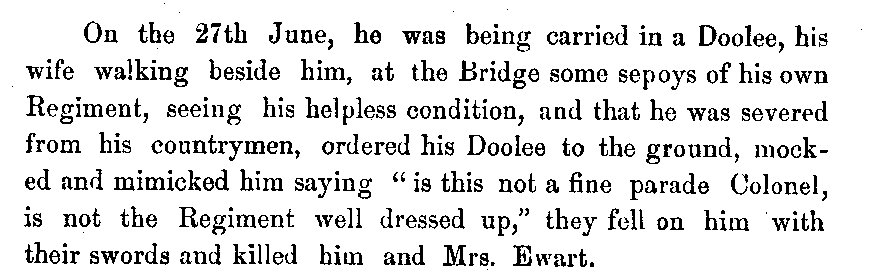
In her last letter home, Emma Ewart had written – “It is not hard to die oneself, but to see a dear child suffer and perish – that is the hard, the bitter trial, and the cup which I must drink should God not deem it fit that it should be passed from me.” Their son, Harry, had been sent to England just before the siege to the care of an aunt.
Captains
Elms, Edward John – aged 33. Son of the late Revd. Edward Elms, of Itchingfield, Sussex.
Turner, Athill – died of wounds in the boats when both his legs were smashed by round shot. His wife and daughter died of fever at Cawnpore.
Lieutenants
Hanville – killed at Satichaura Ghat
Redman, Frederick – aged 26. Son of George C. Redman, Isle ot Thanet, Kent. Killed in the entrenchment.
Satchwell, Richard Murcott – aged 28. Adjutant and Quartermaster. Son of the late Major Satchwell, Asst-Comm-General, Bengal. He was wounded on the 28th of June and died on the boat.
Smith, Henry Sidney – Killed by round shot in the entrenchment.
Ensigns
Lindsay, George – aged 18. Nephew of Major Lindsay. Killed at Satichaura Ghat.
Supple, J.C. – killed by round shot in the entrenchment.
According to Thomson, Redman, Smith and Supple were decapitated by round shot at the Redan battery.
Sergeant Major C. Hillings, Mrs. Lydia Hillings and her son
Sergeant Major Heron, wife and two children
Quartermaster Sergeant T. Andrews
Mrs. Elizabeth Andrews
Miss E.A. Andrews
Miss Amelia Andrews
Surgeon Arthur Wellesley Robert Newenham – Born 21 August 1812. Served in the Sutlej campaign. Wife Charlotte and children. His wife died of fever in the entrenchment. Their three children, Arthur, Charlotte, and a child only referred to as W., survived Satichaura Ghat but died at the Bibighar. It is presumed Dr Newenham died of fever in the entrenchment. Mrs Newenham was the sister of Mrs Blair.
Bugler J.C. Warcoat
Musicians
John Bullard, Drum Major
Benjamin Hatch, Fife- Major
Drummers
G. Allen
W. Allen
G. Baptist
T. Bullard
B. Hook
Henry Mendes – escaped
R.D. Money
J. Moore
J. Pereira
John Philip
F.E. Ollenback
John Ollenback, wife Eliza Ollenback and four children
W.A. Todrick and wife Jane
A. William
12th Bengal Native Infantry
Lieutenant James H. C. Ewart – aged 31. Eldest son of James S. Ewart, of Fortis Green, Finchley. Served throughout the Sutlej Campaign, present at Ferozeshah (1845). He had been on leave in Cawnpore.
13th Bengal Native Infantry
Captain A.M. Turnbull
Lieutenant Charles Battine – aged 24. Son of Major-General Battine, CB, Bengal Artillery – he escaped in the boats but was killed when the boat was forced to surrender.
Mrs. Battine
16th Bengal Native Infantry
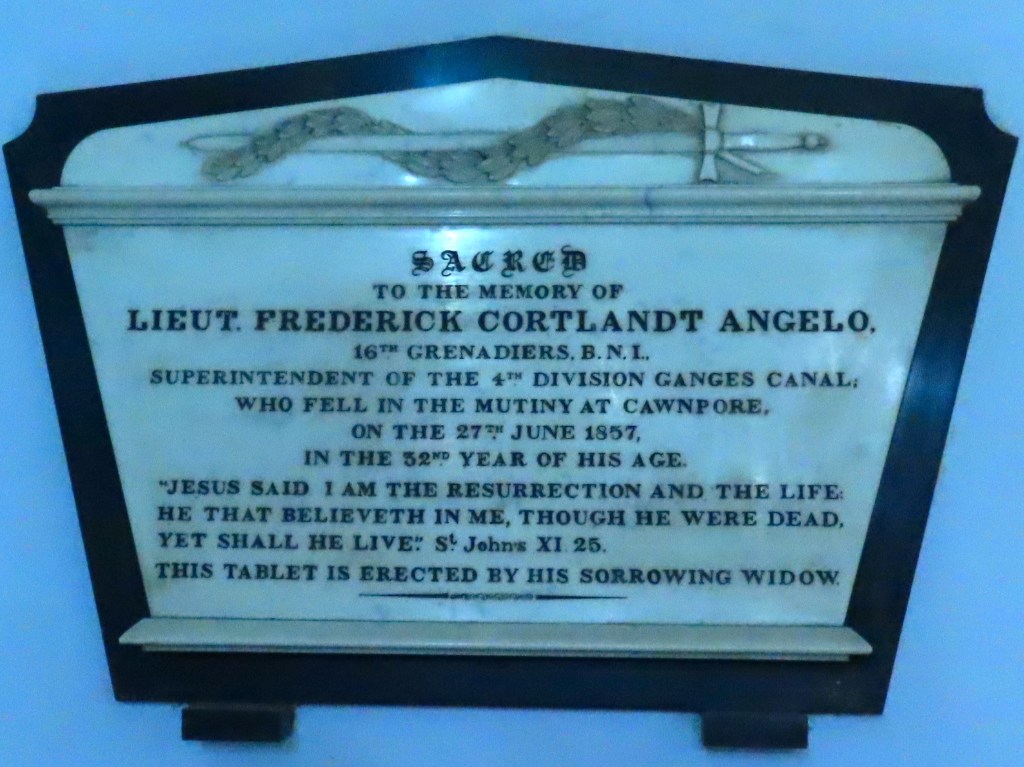
Lieutenant Frederick Cortland Angelo – murdered by mutineers at Cawnpore – 27th June 1857
Born in 1826 in Karnaul, India, Frederick was the son of Frederick Joseph John (Tremamonodo) Angelo and Catherine Ogden Van Courtland (Anderson). He married Helen Cumming in 1850 in Benares. In 1857, Angelo was Superintendent of the 4th division of the Ganges Canal.
Due to his foresight and blatant mistrust of Wheeler and his entrenchment, Frederick sent his pregnant wife and their two daughters away. They would be among the last people to leave Cawnpore before the siege. She reached Calcutta safely on the 1st of July.
As for the lieutenant, he managed to escape the massacre at Satichaura Ghat by swimming across the river and hiding in the reeds until dark. He then tried to make his way towards Lucknow but was caught by a group of villagers. While they seemed inclined to protect him, the word of his capture quickly spread, and a party of sepoys arrived the next day to take Angelo. While the landlord still refused to break his promise, more rebels arrived on the scene and eventually overpowered the landlord, who was forced to surrender Angelo to them. Shortly after, Angelo was killed, hacked to death by swords.
48th Bengal Native Infantry
Lieutenant G. Bax – died of wounds in the entrenchment, his shoulder blade was pierced by a bullet.
53rd Bengal Native Infantry
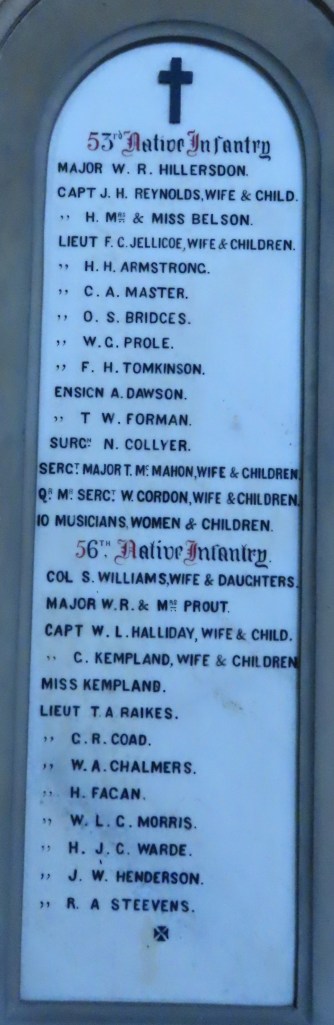
Major William Reade Hillersdon – aged 39. Son of John Grove Hillersdon, of Barnes, Surrey. Elder brother of Charles George Hillersdon, magistrate and collector of the Cawnpore district. Both brothers would die during the siege.
Major Hillersdon had served in the Afghanistan Campaign of 1840, and 1841-1842, including the forcing of the Khyber Pass by Sir Charles Wade in 1839. He served at the Defence of Jallalabad and the defeat of Akbar Khan in 1842, and the operations in the Mazeenah Valley.
Captains
Belson, Henry, wife and sister.
It would appear his sister was carried away by a trooper at Satichaura Ghat. Mrs Belson died of fever, and Captain Belson died at Satichaura Ghat. The Belsons had been caring for the infant child of Lieutenant J. Harris of the Engineers when the mutiny broke out, the mother having died in Cuttack. During the siege, the ayah, “while nursing the infant lost both her legs by a round-shot, and the little innocent was picked off the ground suffused in its nurse’s blood, but completely free from injury… in what manner the poor little nursling’s short but troubled life was terminated, I know not.”
Thomson, Mowbray – escaped with Delafosse, Murphy and Sullivan.
Reynolds, John H., wife and child. Captain Reynolds lost his arm to roundshot and subsequently died. His wife was wounded in the wrist by a musketball and died of fever, most likely due to infection. Their child died of fever.
Captain Reynolds served under General Pollock’s Force in Afghanistan, in the Mazeenah Valley and the previous operations under Brigadier Wild. He also served in the Punjab.
Lieutenant (Adjutant) Herbert H. Armstrong – aged 27. Son of Archibald Armstrong, of Guernsey.
Lieutenants
Bridges, Oliver Simpson – aged 22. Son of John William Bridges, of 30 Tavistock Square, London
Jellicoe, Frederick Gilbert, wife and children.
Jellicoe was a relative of Edwin Wiggins. He was born in 1828 in Millbrook, Hampshire, the son of Samuel, Esq. & Elizabeth Jane Jellicoe. Frederick joined the army in 1844 and was promoted to lieutenant in the 53rd in 1845. He was married to Sarah Emily Marter (born 1826) in Benares in 1851, and they had three children – Frederick Charles Herbert, born 1853, William Henry, born 1854 and Alice Emily, born 1856. They all died in the entrenchment of fever with their mother. Lieutenant Jellicoe died at Satichaura Ghat.
Master, Gilbert Augustus – aged 25. Son of Lt. Col. R.A. Master, 7th Light Cavalry. His father served with the garrison at Lucknow. Lieutenant Master would be taken captive from one of the escaped boats, but he died of his injuries before the final massacre on the 30th of June. He was the nephew of Mrs. Blair.
Prole, William George – born in Calcutta in 1835, the son of William Sandys Prole. Prole was hit by a musket ball in the thigh and died of his wound. He was the cousin of Lydia (née Prole) Hillersdon, wife of Charles.
Tomkinson, Frederick H. – He would be killed by the Gwalior Contingent in November when he was discovered in hiding near Jalou, having been protected by a friendly thakoor. Tomkinson had been on escort duty when the mutiny broke out; once their duty was done, viz, escorting treasure from Oorai to Gwalior, his men summarily dismissed Tomkinson but did not attempt to harm him.
Ensigns
Dowson, Alexander – suffered from sunstroke during the siege, but recovered.
Forman, Thomas W. – shot in the leg
They both died at Satichaura Ghat.
Surgeon Nathaniel Collyer – born 6 August 1806, serving 53rd Bengal Native Infantry – died of wounds in the entrenchment.
Sergeant-Major T. McMahon, wife Ann and 4 children
Quartermaster-Sergeant W. Gordon, wife and 2 sons, C.A. and S.W.
Musicians
Sam Peters, Drum Major and family
Joseph Toone – Fife-Major
Band Sergeant David Spiers
His family escaped: Mrs H. Spiers, Miss Eliza, Amelia, Isabella, Matilda, and Master Frederick
Alburke, J
Drummers
P. Arthelene
H. Elliott
C. Elliott
W. Elliott
L. Elliott
C. Sarges
56th Bengal Native Infantry
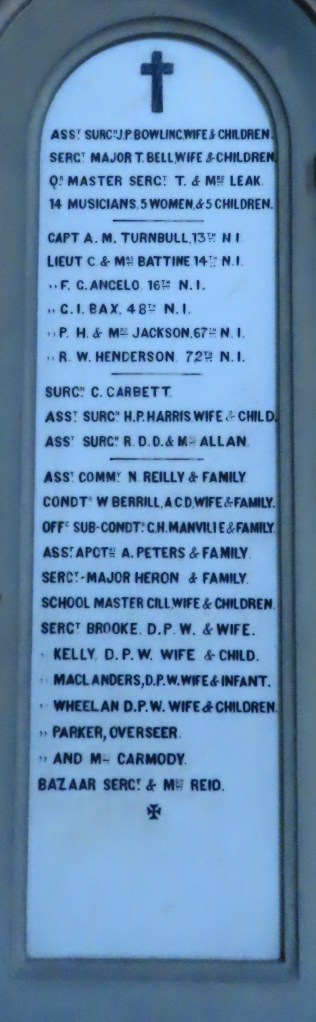
Lieutenant-Colonel Stephen Williams – aged 52. Son of Henry Williams (Bengal Civil Service). Husband of Mary Blanchard, who also died during the siege. Williams died of apoplexy on the 8th of June. “At dusk, the body was dragged out by a party of four soldiers, the head bumping down the steps, it was then cast into the well, the widow and daughters did not accompany…”
His youngest daughter, Fanny, was taken by a sowar at Satichaura Ghat; her sister, Georgiana was last seen by the river, where she was heard to say to sepoy that had entered the shallows with his bayonet fixed on the girl, “My father was always kind to sepoys…” the man turned away but a villager came up behind her and “dashed out her brains” with a club. Their other sister, Mary, died in the entrenchment on the 15th of June. According to Shepherd, Georgiana was killed in the boats and Fanny at the Bibighar with her brother William.
Mrs Mary Williams (nèe Blanchard) – wounded during the siege by a shot in the face, she would be nursed by her daughter Georgiana, but she died two days later, shortly after her husband.
Major Walter Roger Prout – aged 36. He died of sunstroke. His wife, Lucy (née Tubbs of Twickenham)was killed at the Bibighar.
Son of William Prout, M.D., F.R.S. He was educated at Westminster and at the University and Military Academy, Edinburgh. Obtained a cadetship to the 56th BNI and would later serve as an interpreter and adjutant. He distinguished himself at the Battle of Maharajpur in 1843 and served with the Punjab Irregular Force in the Derajat; he was selected to be their first Brigade Major. Obtained his majority in 1856; in1857 he was on detached duty wit the 56th BNI in Cawnpore when the mutiny broke out. (Buckland, Dictionary of Indian Biography)
Captains
Halliday, William L. , wife and child. Captain Halliday was shot in the entrenchment. His wife Emma Laetitia (née Wyndham), died of smallpox. Captain Halliday was killed by round shot when he was carrying soup across the yard to bring to his wife. Their 2-year-old daughter Mabel died of fright in the first days of the siege.
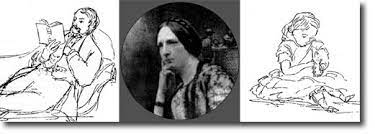
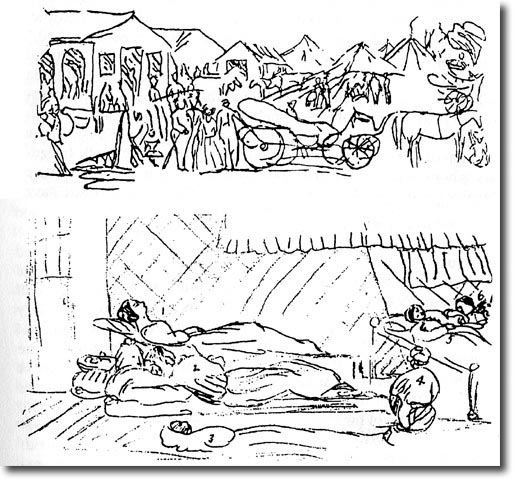
Emma Wyndham, born in 1833, married Captain William Halliday of the 56th BNI in 1852 during his home leave. They married at her parents’ house in Dorset. Shortly before returning to India, their only child, Edith Mabel, was born in Chapel Cleeve in 1853.
While out walking in the Dorset countryside at Cranborne Chase, Emma met a gypsy woman who omiously foretold that Emma would taken to ” a far off country across the seas” where she meet a terrible death. Emma, however, a rather zealous Christian, would appear to bury this rather dreadful future and spend her short life in India, at Neemuch and Cawnpore, in short wherever the 56th went. Her life would not have differed much to the other women of the station; she was friends with the Seppings and with the Vibarts, who were related to the Halliday family. In May, while there was still time to escape, Emma and her daughter entered the entrenchment. She was an accomplished artist and left behind some sketches of life in the entrenchment before the siege began.
Two-year-old Mabel, a sensitive, delicate child, died of shock and terror in the first days of the siege. A few days later, William was shot in the head while carrying a bowl of soup to his smallpox-stricken wife. Emma lived on, even surviving the burning of the hospital — which Mowbray Thomson recalls seeing her dragged out of, but he could not say for sure how long she lived afterwards. Emma was buried in the Sepulchral Well in the Entrenchment with her husband and daughter. Her ayah, Mary Ann, fled the entrenchment and remained hidden in Cawnpore.
Kempland, George, wife and children
As the garrison prepared to leave the entrenchment for the last time, Kempland was set upon by a group of sepoys who beat him most severely, first having yanked away his musket. Amy Horne would later recall that Kempland was not the only officer to be treated this way. During the siege, Kempland suffered terribly from the heat and, though never wounded, “was utterly prostrate and non-combatant.”
According to Amelia Horne, Kempland was “jostled about and beaten” when he was leaving the entrenchment.
Miss Kempland
The Kemplands died at Satichaura Ghat.
Lieutenants
Chalmers, William A. – killed in the entrenchment
Delafosse, Henry George – escaped with Thomson, Murphy and Sullivan
Fagan, Henry – His leg was torn off by round shot while onboard Vibart’s boat. He survived long enough to be killed on the 30th of June.
Goad, R.
Gregory, W.H.J.
Morris, William Gordon – aged 23. Son of Lt. Commander George Morris, R.N. Killed on the 30th of June.
Raikes, T.A. – died on detached duty. See below, “Note on Brown and Raikes”
Steevens, R.A.
Warde, Henry John Gregory – aged 19. Son of Rear-Admiral Warde, KH, of Neath, Glamorganshire. Killed on the 30th of June.
Ensigns
Brown, Robert – (Ref. The Times: died of cholera at Cawnpore, 22nd August.) Aged 26. Son of Robert Brown, of Portland Square, formerly of Calcutta. – See Note on Brown and Raikes.
Henderson, John Wright – son of Revd. Robert Henderson, of Stirling. A younger brother, E. Henderson, drowned in the river when escaping from Satichaura Ghat. John was struck in the hand by grapeshot but, with Thomson’s help, managed to swim to Captain Whiting’s boat. A third brother, Robert, was killed by the 72nd BNI. John Henderson was killed on the 30th of June.
Stevens, Robert Allen – second son of Revd. Henry Stevens, of Wateringbury, Kent.
Sergeant-Major Thomas Bell – died of sunstroke, 21st June.
Mrs Margaret Bell – Two sons and Miss Bell, aged 6. Mrs Bell and her daughter would be killed at the Bibighar. The boys died in the entrenchment. She was the aunt of George Kelly, who would be killed at Lucknow.
Quartermaster-Sergeant Lake – died in entrenchments together with his wife.
Surgeon Christopher Garbett – born 20 June 1806. Served in the Punjab Campaign. Died of fever in the entrenchment.
Assistant-Surgeon Robert Dallas Dove Allan – Born April 1819. Served at Mudki, Ferozeshah and Aliwal (medal 2 clasps), also in the Punjab Campaign (medal, 2 clasps). Both he and his wife were killed during the siege.
Assistant Surgeon John Pierce Bowling -youngest son of John Bowling, of Pingsworth House, Hammersmith. It is said that Surgeon Bowling was killed on the 30th of June – his wife, refusing to be parted from her husband, was killed with him.
Musicians
J. Alburke – Drum Major
A..G. Mearse – Fife Major
Drummers
J. Alburke
H. Alburke
Robert Bradshaw – his mother, Eliza, escaped as did his wife and child
John Bradshaw – his wife and child escaped
John Peters
J. De Cruz
John B.
John Letts
Eliza Letts – severely injured at Satichaura Ghat. She died three days later
Caroline and Rachel Letts, daughters of the above – the girls survived and escaped from Satichaura Ghat.
F. Massey
John Murray – Pensioned Drummer – his wife escaped
Benjamin Murray – son of the above – escaped to Allahabad with his mother.
John Pekhoo
J. Philip
R. Pybah
Note on Brown and Raikes
On the 2nd of June, Lieutenant Raikes and Ensign Brown were sent by Wheeler on detached command duty to Oorai, with 2 companies of the 56th BNI to replace the 2 companies of the 53rd that had been sent out in May. The purpose was to replace two companies of the disaffected 56th with the staunch 53rd: at the start of the siege, both Brown and Raikes were still away from Cawnpore. As it was, the 200 men of the 56th soon learned their regiment had mutinied, and the two officers were forced to flee. While Brown succeeded in saving himself, the excitement and exertion proved too much for Raikes, who, in Brown’s estimation, “went mad.” Mowbray Thomson heard the story from Brown,
“His companion, Lieut. Raikes was very delicate in health and totally unfit for the exposure to the heat and the starvation they had to endure; at length, he sank under exhaustion, and Brown ran in every direction to find water for him. The search was protracted, though at last successful; that is to say, he managed to get his handkerchief thoroughly wet and carried it back to the spot in which he imagined he had left his fainting companion. But all his efforts to discover Lieut. Raikes were in vain. He wandered about and shouted but could find no trace of him, and, famished and weary, he was obliged to give up the search in despair.”
Brown would spend the next 6 weeks “swimming along the Ganges, tortured by the flaming sunshine, gnawed by hunger, bereft almost of hope,” but with the help of friendly villagers, Brown would meet up with Havelock’s force near Fathepur. Though “half-mad from exposure”, the young man asked Havelock permission to join the volunteers and return to Cawnpore. He died there of cholera in August.
67th Bengal Native Infantry
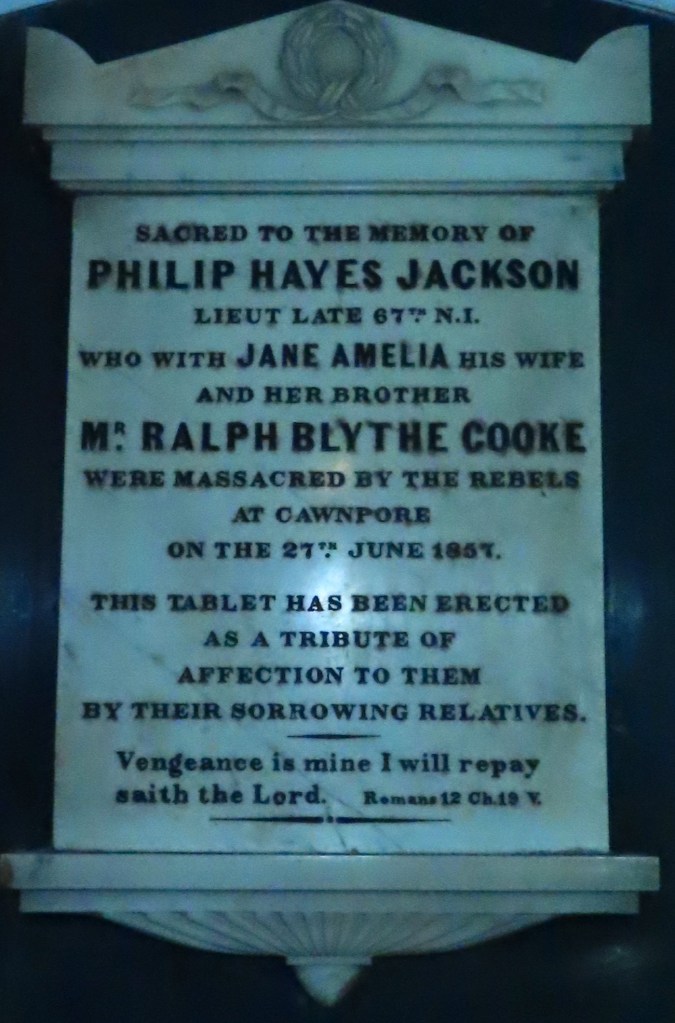
Lieutenant Philip H. Jackson and wife, Jane Amelia, brother-in-law Mr. Ralph Blythe Cooke.
Jane-Amelia Jackson was “carried off struggling in her green silk gown” by a sowar at the Satichaura Ghat.
71st Bengal Native Infantry
Lieutenant Frederick C. Anderson
1st European Madras Fusilers
Sergeant James McGrath
Corporal James Bussey
Privates
Nolloth, William
O’Brien, Dennis
O’Neill, John
Over, Alexander
Phillips, Joseph
Pike, Joseph
Pike, Thomas
Prescott, Edward
Price, John
Ready, Patrick
Stewart, Alexander
Sullivan, John
Walker, Samuel
In all, 15 NCOs and men were killed
Bengal Engineers, Commissariat & Ordnance
Captain Francis Whiting – age 35. He escaped in one of the three boats that managed to leave Satichaura Ghat. He was shot dead on the 28th of June while attempting to push the boat off a sandbank on which she had grounded.
Lieutenant S. C. Jervis – According to Thomson, Jervis “scorned to run” and “while calmly walking across the open, in the midst of a shower of bullets, some of us cried out to him, ‘Run, Jervis! run !’ but he refused and was killed by a bullet through his heart.“
Bengal Commissariat & Ordnance Department
Assistant Commissary Nicholas Reilly – and family. Warrant Officer of the Ordnance Department, in charge of the Magazine. He had served at the siege and capture of Bhurpore (1825-26, India Medal). Present at the assault and capture of Ghazni and served through the Afghanistan campaign, was also present during the Sutlej Campaign.
Reilly had been ordered to blow up the Cawnpore Magazine before the siege began but had been unable to do so, for he reported to Sir Hugh Wheeler that the “sepoy guard in the magazine watched him, two of whom inevitably followed him about where he went while in the magazine so that he had no opportunity of taking the least step towards the blowing up of the powder.” Two days before the siege began, Reilly was threatened by the guard and refused entrance to the magazine. (Shepherd)
Conductor William Berrill – A.C.D. – his brother, Bob, kept a popular hotel in Allahabad. His son and nephew, who were not in Cawnpore at the time, would distinguish themselves in the Central India and Oudh Police.
Mrs Berrill died at the Bibighar
Miss Isabella Berrill, aged 14. Died in the entrenchment.
Off. Sub-conductor C.H. Manville and family – killed during the siege.
Cattle Sergeant John Ryan and family. They left the entrenchment on the 10th of June and were killed in the city.
Sources:
The Story of Cawnpore – Capt. Mowbray Thomson (1859)
A Personal Narrative of the Oubreak and Massacre at Cawnpore – Jonah Shepherd (1894)
Cawnpore – Sir George Trevellyan (1899)
Casualty Roll for the Indian Mutiny – compiled by L.T. Tavender (1983)
Our Bones are Scattered – Andrew Ward (1996)
The Devil’s Trap: The Victims of the Cawnpore Massacre During the Indian Mutiny – James W. Bancroft (2020)
Quotation: Preparation for Death or Considerations on the Eternal Truths, p. 431 – a copy of this book was found at the Bibighar.
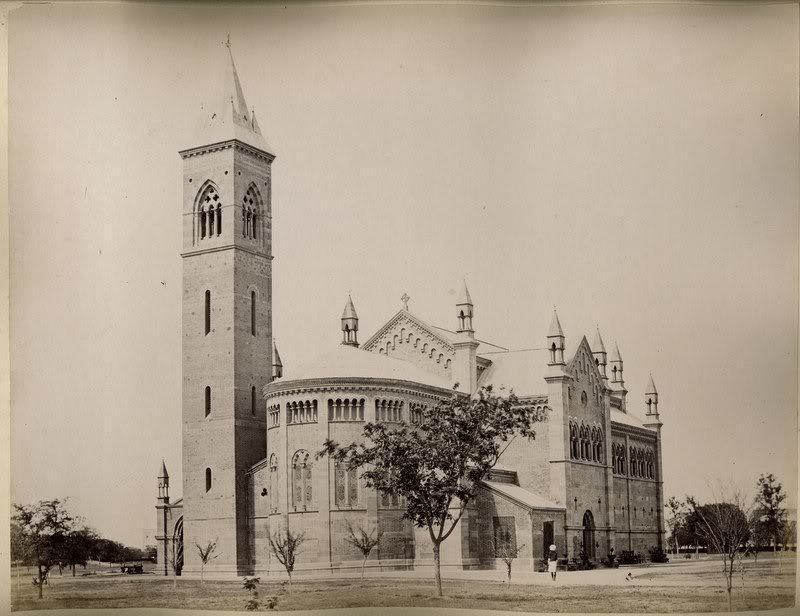
The Tablets in the Memorial Church, Cawnpore, 1857 – a Key Describing all that is known concerning names recorded on the Tablets (Calcutta, Thacker, Spink & Co., 1894)
Links:
https://www.findagrave.com/memorial/94352762/christian_mackenzie_wiggens
https://marter.one-name.net/getperson.php?personID=I1130&tree=MarterChertsey
https://www.noonans.co.uk/auctions/archive/lot-archive/results/270722/
https://www.noonans.co.uk/auctions/archive/special-collections/118/108916/?offset=160
https://glosters.tripod.com/IM3.htm
https://anneyoungau.wordpress.com/2023/04/11/i-is-for-indian-mutiny/
 Mutiny Reflections