Enter Henry Daly
With Lumsden in Kandhar and Hodson since dismissed from the Guides, command fell to Henry Daly.
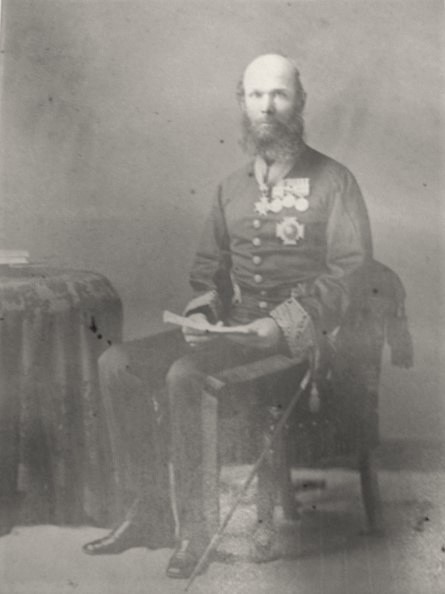
Born in Kirkee near Poona in 1823, the son of Lieutenant-Colonel Francis Dermot Daily of the 4th Light Dragoon. Henry was sent home to be cared for and educated by his grandmother on the Isle of Wight – in 1840, he received a commission to the service of the EICo and was posted to the 1st Bombay Fusiliers. Although his regiment was in Aden at the time, his father secured him a posting in Poona so he could learn Hindustani. He passed the Presidential Examination in 1841 and came out first as a Qualified Interpreter. He then went on to study Mahratti and by 1842, had gained his certificate in that language as well. It would not be until 1846 that he would join his regiment in earnest, for the Sutlej Campaign. He would serve in the Second Anglo-Sikh War and was present through the Siege of Multan.
At the end of the war, he received a letter from Henry Lawrence, who had been keeping an eye on this young officer, which briefly informed him he was nominated to command the 1st Cavalry Regiment, yet to be raised, in Peshawar.
Daly was something of an oddity. He was one of the last young men to be recruited by Henry Lawrence – he was neither glamourous nor enterprising, but he was quick and he was clever. Daly took opportunities as they came to him – given the choice between a lucrative position as Adjutant General to the Bombay Army or the chance to raise his corps in the Punjab, Daly decided Lawrence’s proposition was far more exciting. He had by far not been the first choice- Lawrence had offered it to Neville Chamberlain who refused it; Daly recruited, raised and equipped his cavalry corp along some unique lines.
“Here a native of good birth and character was (sic) to command his troop, in which, of course, a number of his own dependents and followers would be. His pay is nearly £300. He is allowed to mount a certain number of friends and followers on his own horses, otherwise, the horse must be the property of the rider, who draws pay from the Government for the service and support of himself and his horse. The men arm, dress and mount themselves under the orders and responsibility of their commandants. Government provides nothing but pay and ammunition. The drill and discipline are the same as in the line. In almost every one of these corps are men of noble birth, whose fathers in former times were chiefs and rulers. I have several and more gallant soldiers no army contains.”
Not that he stayed very long. In 1852, Daly left on furlough a year earlier than usually permitted and forfeited his regiment – it was something of a blow when he returned in 1854 to find himself back in Bombay with the Fusiliers. However, it was not the end of Henry Daly. His success in the Punjab opened another door for him, and he was recommended by Sir James Outram to raise the Oudh Irregular Force in 1856. It was in every way to be a short-lived force, but Daly was proud of them, saying they were better than the corps he had raised in the Punjab – it would be a great disappointment to him when they disappeared from the lists in 1857. For more on this, readers may proceed to The Oudh Irregulars.
However, Daly was not there when they vanished.
The position of commanding the Corps of Guides during Lumsden’s absence had been offered to him by John Lawrence and at sunset on the 28th of April he arrived in Mardan. He found his second-in-command Quentin Battye, Kennedy- Commandant of Cavalry, Adjutant Hawes and Assistant Stewart all present and waiting.
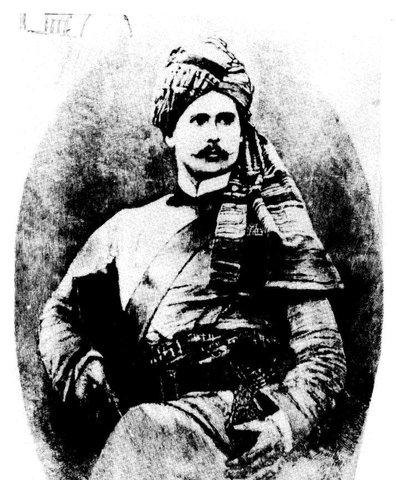
The news of the Meerut outbreak reached Herbert Edwardes at Peshawar on the night of the 11th of May. Unlike the Bengal Presidency where paralysis was the order of the day, this was the Punjab, and all the right men were in the right place – at the right time. On the 12th of May, shortly after hearing of the outbreak in Delhi, Edwardes telegraphed John Lawrence, proposing the formation of a moveable column of HM’s 24th and 27th, the Guides and some irregulars. On the morning of the 13th, barely 2 weeks after joining the Guides, Daly received news of the mutiny through a private letter from Edwardes:
“That you may better know how to act on the enclosed instructions to move to Nowshera, I write privately to tell you that telegraphic news of open mutiny among the native troops at Meerut having reached us here today, we think a movable column should be assembled in the Punjab to get between the stations that have gone wrong and those that have not and put down further disaffection by force. It is obviously necessary to constitute such a column of reliable troops, and therefore it has been proposed to get the Guides and Her Majesty’s 27th together without delay as a part of the scheme, and, if these plans be matured, you will probably have to close upon Her Majesty’s 24th and the Kumaon Battalion at Pindi, and there be joined by an irregular regiment from Kohat or Bannu, and perhaps more of that good quality. The 55th Native Infantry have, therefore, orders to receive charge of Mardan from you. ” If these arrangements take effect, you will have the most important service before you, and though painful, one that you will, I feel sure, find usefulness and honour in. The disaffection seems to have gone too far to be talked down, and Government must look now to men who can and will put it down.”
Daly handed over the fort the same day at 6 pm and marched with 150 cavalry and 350 infantry, fully equipped, reaching Nowshera at midnight. Two hours later, they were on the road again when an express order received from Brigadier Cotton urgently requested the Guides to proceed to Attock to relieve three line companies in charge of the fort and hold it until a detachment could be sent from Kohat.
Over the next 26 days, they would cover a distance of 580 miles, during which they would be detained for a total of five days – the ride itself, when one excludes the longer halts, took them 21 days and nine hours, riding an average of just over 27 miles a day.
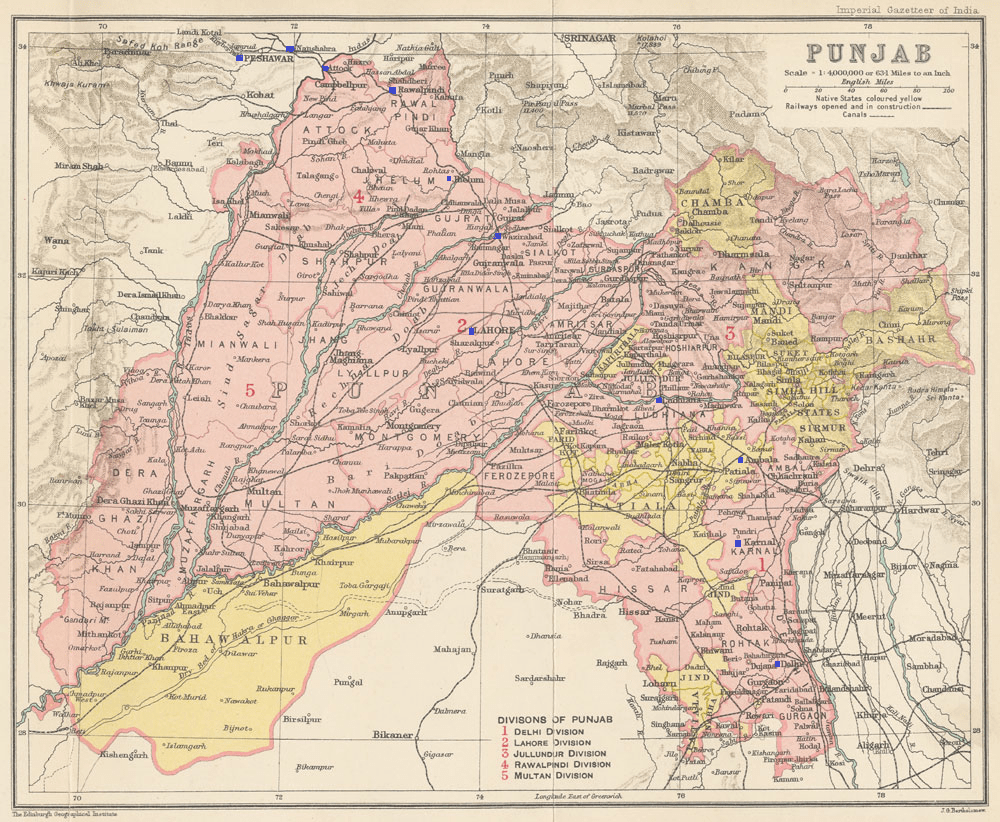
The Ride of the Guides

At Attock, they would be detained for forty-two hours as they waited for the relief garrison. On the 15th of May, Neville Chamberlain rode in at the head of the Moveable Column with the rather bewildered General Sir Thomas Reed in tow.
“The General of the division was passing through, and it was settled that we should move on without assuming charge of the fort at all. I was pleasantly disappointed in Chamberlain; found him neither punctilious nor pedantic; a resolute, thoughtful soldier; neither brilliant nor cultivated, but sensible, grave, and solid, much impressed with the state of affairs, but looking at them manfully. The General, whom we went to see, a poor, weak, old gentleman in H.M.S., of a very different temper and style; frivolous in all points, petty, with no grasp, no knowledge; writing little notes to subordinates with much care and little grammar…”
This might seem a little unfair towards Reed, a soldier of many years standing. In contrast to the men around him, however, Reed was well past his time. Born in 1796, he entered the army as a cornet in the 12th Light Dragoons in 1813 and served as lieutenant with that regiment at the Battle of Waterloo. In the intervening years that intervened, the now Brevet-Colonel Reed would not see active service again until the First Sikh War, and that none too successfully. In 1852, he went on half-pay but reappeared in Ceylon in 1855 as command of the troops from when he transferred to Madras only to be shunted over to command the troops in the Punjab in 1856. During his brief sojourn in the Punjab, Reed was something of a non-entity; the entire running of operations was sliced up between John Lawrence, Robert Montogomery and the young men so ably recruited by Henry Lawrence.
A surprise, however, was waiting for Henry Daly. Instead of remaining at Attock, he was to take the Guides on to Lahore at all haste, ahead of the Moveable Column. The order received from Brigadier Cotton was to march at night and find shelter from the heat during the day. It was the worst month possible for the commencement of operations, before the rains when temperatures during the day could rise well over 110°F in the shade, and worse still for the Guides. Many of them were Muhamedans, and they were in the midst of Ramadan, which forbade them from eating and drinking in the hours between sunrise and sunset.
On the 15th of May, the men slept in the cool recesses of the old fort, and Daly took a last swim in the Indus River. At sunset, as the men broke their fast, Daly joined them for iftar. At one in the morning, they breakfasted and prepared to depart. An hour later, three troops of horse and eight companies of infantry (after Nowshera, a camel was provided for every two men of the infantry, saving them much exhaustion) assembled in the fort’s courtyard and there, in the darkness of a violent dust storm, began the ride of the Guides.
The first night, they marched 32 miles to Boran, taking the rather violent duststorm in their stride -Daly reported in his diary that many of the men were “very sore-footed from that hot, long- march from Mardan to Attock, but all cheerful and making light of their work.”
This was followed by another 32 miles, with the bugle sounding off again at midnight, for the night march to Jani-ki-Sang. They reached their camping grounds at 8 in the morning. On the 18th, the march commenced again at 1 a.m. – they were overtaken by Edwardes in a buggy some five miles outside Rawalpindi where they would remain for the next 41 hours. Edwardes was in a hurry to meet John Lawrence, and he took Daly along with him for what was the second council of war.
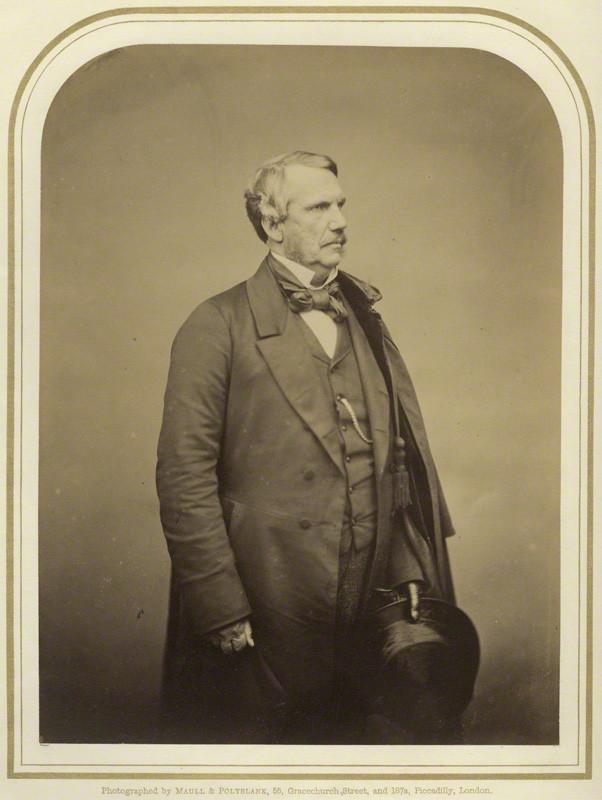
Wrote Daly:
“Sir John Lawrence made me stay with them — the two rooms in common—Sir John, Edwardes, Chamberlain, James, and myself. Heard the arrangement at Peshawar by which General Reed was impounded to the chief command in the Punjab. Edwardes and Nicholson, feeling they could best guide in the storm and that the military disposition could not be theirs without a plan, resolved on calling a council- the General, Brigadier Cotton, and Chamberlain (in the secret). When they assembled at the old General’s table, Edwardes stated the case: the broad mutiny, the necessity for immediate action, and the cordial cooperation of all in authority: that to give this authority a point — proposed that the General should assume the chief command in the Punjab. The old General, in his sleeping drawers and slippers, looked puzzled, and, almost before he knew what had taken place, the proceedings were on paper; orders out for the movement and collection of troops at various positions. Native troops suspected of disaffection at Peshawar were then and there directed to proceed to hold forts underneath the hills; the Guides to start forthwith, the European corps to be in hand. Even at the last, the old General looked bewildered and puzzled, with a doubting pride, which, however, found no vent in language. The Chief sat presiding in silence while these efforts to save India were manfully and nobly made. Sir John Lawrence’s messages to the Commander-in-Chief pass beyond frank advice or even entreaty—’ Act at once, march with any body of European troops to the spot, and the danger will disappear. Give it time, and it will flame through the land.’ The Chief is in a strange land—ignorant of the troops, unaccustomed to military action in times of emergency, and consequently, he hangs fire. Hence troops not disloyal become sulky and ready to burst forth and join their for the nonce companions triumphing in mutiny.”
Further matters were discussed, the line of operations was agreed upon and papers written up to that effect by Edwardes and then it was all put affirmatively in front of Reed for his final nod, if nothing else to lend the proceedings the official seal they needed for John Lawrence to empty the Punjab of nearly all the reliable troops he had at his disposal. It was also discussed whether the Guides should be retained in the Punjab to disarm any querulous native regiments in garrisons. The next day, John Nicholson arrived with two squadrons and with Edwardes in his ear, Reed approved Neville Chamberlain to command the Moveable Column over the heads of several senior officers. It was decided Daly would retain command of the Guides, and they would move on as planned. Daly, for his part, was thrilled.
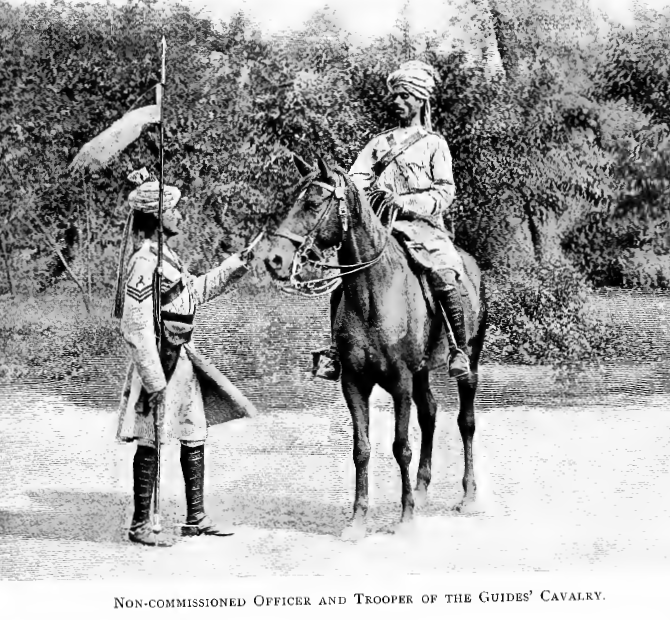
“The Guides, I believe,are to march down and show to the people Native troops willing and loyal. I shall rejoice at this, and march down with all my heart.” They had been chosen as the first regiment to proceed to the relief of Delhi. The honour was not lost on Daly or on his men.
The Guides left Rawalpindi on the dark windy night of the 20th of May. The next days are recorded in Daly’s diary:
20th.—Reached Mandra, 20 miles, at 5 a.m., having marched at 10 p.m. last night. Great difficulty
in keeping awake; obliged to get off and walk, which succeeded in making me hot; mounted again,
nearly off, eyes closed of themselves. Halt for ten minutes, Battye and Hawes on the ground (rocks)
asleep before stretched out. We shall get over this in a day or two. Night marching is less trying to
the cattle. Men very cheerful and ready to go anywhere; none admitted themselves too knocked up or too
stiff to proceed.
21st.—Sohawah, 24 miles, crossing the Bakrialla; ravines and roads brokenand intricate; spent a burning day: marched at 8 p.m., wind scalding.
22nd.—Jhelum at 5 a.m.; encamping ground by the river, delightfully fresh after 28 miles. First trumpet at dark; crossed the river at 9. Great storm of dust and rain made the road difficult to follow.
23rd.—Koria, 15 miles from the Chenab and 10 from Gujerat; 21 miles from Jhelum. Roads heavy
from the storm, air delicious and fresh; so tired all night that I was compelled to walk to keep myself awake; even that remedy failed, constantly found myself abreast of a sowar’s horse. Some of the sowars in the rear troop, asleep, kept passing right up through the column: found excellent quarters. Resolved to take advantage of the cool day and push off to the Chenab. Cavalry first, infantry in the evening. Marched cavalry at 3 p.m., reached the Chenab at 8 and commenced the crossing. All safe at Wazirabad at 7 a.m., 24th.
25th.—Marched to Kamokee this morning by 7 a.m., 32 miles. Started for Lahore at 5 p.m.,
distance 30 miles.
26th.—Reached Lahore at 6 a.m. Was met by the Commissioner and military secretary—difficulty
about selecting recruits.
The recruits were needed to replace the casualties the Guides had suffered along the way and to have at had a few men who would fill in the inevitable vacancies this campaign would bring. During the night of the 27th, the march commenced again, now along the banks of the Sutlej, close to the Sobraon battlefield – Daly wisely decided to bypass Jalandhar and crossed the Sutlej, 43 miles from Lahore. He then struck out for the Ambala Road. On the 30th he reached Mihna after a march of 32 miles. The next march, to Ingraon would be short.
“The cross-country road sent many straggling; some did not reach till dark; there was baggage still missing and 3 men when four o’clock struck. Resolved on a short march and to leave at the usual time, to enable them to make a night’s rest. Marched at 6 p.m. to Ingraon, 14 miles; reached before midnight.
31st—Had a delightful sleep. Men much refreshed. Letter from Commissioner at Ludhiana,
inviting us all to him. Marched at 7 p.m.”
The 1st of June saw Daly and his men arrive at Ludhiana after a night march of 24 miles at 3 am. The commander’s enthusiasm for the enterprise had hardly diminished. In his diary, he wrote, “I am making, and mean to make this the best march that has been heard of in the land!” Then, he settled himself down to sleep on the kutcherry steps until daybreak, “the lowest step serving as a pillow.” In the morning Daly and the officers were invited to join Mr. Ricketts.
Charles Ricketts was cut of the same mold as many of the men in the Punjab who would face this crisis head on. His troubles, on this day, however did not prevent him from being an admirable host.
“Greatly comforted, we went to Ricketts; a thoroughly warm and hearty welcome; splendid quarters, large grand house, books, reviews, rods, guns, all strewed about; the temperature enjoyable, tatties, cold water, iced ginger-beer, cold sheets to lie on; it was like the first day on the hills to a man who has galloped through the sun from the plains. Ricketts, a pleasant, bold fellow, looking the difficulties of the times in the face like a man. Ludhiana would explode if a spark were to go up elsewhere; small chance for Ricketts and his few friends, with their jagirdar horse, should this be the case.
Marched on Alawi-ke-Serai at 7.30 p.m., distance 28 miles.”
“2nd.—Got a sight of the Serai soon after daybreak. Had two hours’ sleep off the reel and was much refreshed. The men very cheery. The plan of getting a cup of tea at our halt at midnight is a great break. Officers and men fall to sleep on the ground for an hour, and the difficulty is, who shall remain awake to sound the trumpet. Off to Rajpoora, distance 28 miles, at 7 this evening.”
The next day, they reached the old serai and made the most of the cool walls that blocked out the relentless sun. By 6pm, they started for Ambala and marched through the cantoment a mere seven hours later, finding it empty and every house empty but watchmen on the alert. Patrols of the Patiala Raja’s sowars were making their rounds and, with their lighted matches, presented an eerie sight. The sowars greeted them very amicably and guided Daly and his men to a grove of enormous banyan trees under which “a score of horses can stand free from the sun,” next to a large tank. The men laid down by the trunk of an ancient banyan tree and slept. That night, the march continued for 26 miles to Pipli. A disheartening letter from Mr Barnes at Meerut gave Daly news from that station and implied they were barely holding their own.
At Pipli they were joined by Kahan Singh Rosa who had but lately fought against the British in command of a cavalry regiment at Chillianwallah. The subsequent annexation cost Singh his jagirs but he received a pension of Rs 600 – it would hardly seem he would be inclined to join the British in their fight, yet here he was, one of the first chiefs selected by John Lawrence for service before Delhi. His eldest son had entered the Corps of Guides as a jemadar but died of fever in Peshawar in 1856 – Kahan himself was not in the best of health, with a stubborn old wound that refused to heal. However, this would not stop a man as determined as Kahan Singh Rosa. When the order came, he immediately started for Delhi with 15 horse and 18 foot and would fight with the Guides until the fall of the city in September. Wounded during the siege he would put his considerable talents to use by procuring information for the British; he also convinced a number of men fighting on the side of the mutineers to switch sides – more than forty of them deserted. In 1858, Kahan Singh Rosa received in addition to his pension, three valuable estates, granted for life. He died in 1864, mourned by seven sons, one of whom would serve out his life in the 11th Bengal Lancers.
On the 6th of June, the Guides arrived in Karnal at 3 in the morning. To add to Daly’s worries, cholera reared its ugly head and in short order, three Gurkhas were taken ill, the regimental cook died, a further 8 were “under its pressure by sunset” and he was obliged to leave another 5 men behind. His other bother was one Mr. La Bas and his rather irritating supporter, Theophilus Metcalfe, one-time magistrate of Delhi, both whom had fled the city on the 11th of May by the skin of their teeth. Together they insisted Daly lead the Guides on a punitive expedition to take to task three villages. They argued the villages were harbouring insurgents and full of people determined to plunder anyone in their path.
Daly had resisted the proposition as vehemently as he could – his Guides were warriors, not butchers; while they had committed similar raids in the Punjab, they had never set out on wholesale destruction. For the offences of a few, Daly argued, retaliation on the many was cruel. Le Bas and Metcalfe were relentless foes. When all else failed it appeared the two men brought out their final card – the plight of their fellow Europeans during the escape from Delhi. Daly finally he agreed but it was not without hesitation.
“A requisition from the magistrate to burn and destroy three villages by way of keeping the road open; told him I would engage but that doing so would close it tomorrow unless troops should remain; they would be irritated and desperate. The magistrate, however, pressing, and, as I learnt that open outrages had been committed by one village, I moved off with less compunction.”
Daly sent the Guides forward to the attack. As expected, the villagers fled in horror and dismay, some were taken prisoner and the flames of their burning homes could be seen for miles over the open plain. Daly refused to punish wholesale. He saved the women and the children and even assisted in removing what little was left of their belongings. This kind of unequal warfare was distinctly not what Daly wanted for the Guides.
The delay cost Daly 1 man killed and three wounded and they missed the battle of Badli-ki-Serai, where the addition of the Guides would have been very welcomed. After 46 hours in Karnal, Daly moved on towards Larsauli, a march of 32 miles. To his relief, the scourge of cholera was letting up and he received a typically jovial message from Edwardes.
“”We are all delighted at the march the Guides have been making. It is the talk of the border. I hope the men will fill their pockets in the sack of Delhi. Herewith some more chits from Kandahar. We are reorganising the native army! The Supreme Government seems to have disappeared. Bring back
some standards from the palace—especially Bahadur Shah’s trousers.”
On the 9th of June the Guides joined the Delhi Field Force. An eyewitness recorded their approach.
” Their stately height and martial bearing made all who saw them proud to have such aid. They came in as firm and light as if they, had marched but a single mile.”
They were met by a staff officer, sent out to meet them and after conveying the General’s compliments, he asked, “How soon will you be ready to go into action?”
Without any hesitation, Daly replied,
“In half an hour.”
The march was over. Yet even before their tents were pitched, the fight they had so long ridden towards, would now begin in earnest.
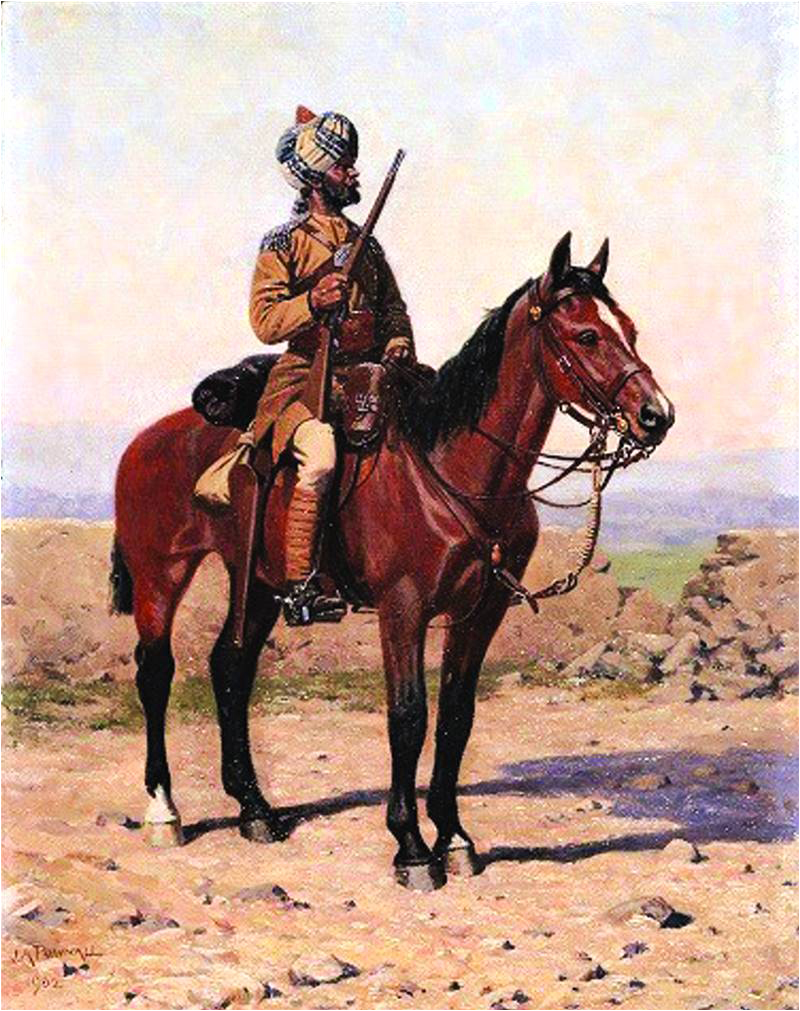
“The Story of the Guides before Delhi is the story of all that gallant band who through the blazing heat,
‘midst sickness and disease fought the good fight right through the summer of 1857, and with them
shared in the crowning glory of the final assault and capture of the capital of the Great Mogul. Hence
after a few months’ harrying and chasing of rebel bands, with sadly diminished numbers, but still stout
of heart, the order came for the Guides to return to their home on the distant frontier.
In the midst of so much treachery, such dastardly deeds of murder and rapine, the bright light of
unwavering fidelity, sealed and confirmed by surpassing gallantry in the field, so appealed to the hearts
of the storm-pressed Englishmen, that the Guides received little short of an ovation when they returned
to Peshawur. By order of Major-General Sir Sidney Cotton the whole of the garrison was paraded to receive the shattered remnants of that war-worn corps. On their approach, a royal salute was fired by the artillery, and cavalry and infantry came to the salute while the massed bands played.
The General then made a most eloquent and affecting address, welcoming the corps back to the frontier, and expressing the pride and honour felt by all in being associated with men whose deeds of daring had earned for themselves and their noble profession undying fame. They had taken six hundred men to Delhi and their casualties had reached three hundred and fifty. During the siege, the whole strength in British officers had been renewed four times, and all these had been killed or wounded. One officer indeed had been wounded six times and yet survived, another four times, and others at least twice.
After his stirring speech, the General called for three cheers for the little band of ragged and warworn
heroes, who stood before them. A feu de joie accompanied by a salute of twenty-one guns was then fired, and after this the Guides, taking the place of honour at the head of the line, marched past the flag.”
The story of the Guides before Delhi continues.
Sources:
A History of the Sepoy War in India 1857-1858 – John William Kaye (1870)
Memoirs of General Sir Henry Dermot Daly – Major H. Daly (1905)
The Story of the Guides – Col. G.J. Younghusband (1908)
The Punjab chiefs historical and biographical notices of the principal families in the territories under the Punjab government. – Lepel H. Griffith (1865)
History of the Guides 1846-1922, Vol 1 – 1938 (HathiTrust Digital Library)
The Fighting Ten – Evelyn Désirée Battye (1984)
Soldier Sahibs – Charles Allen (2000)
 Mutiny Reflections