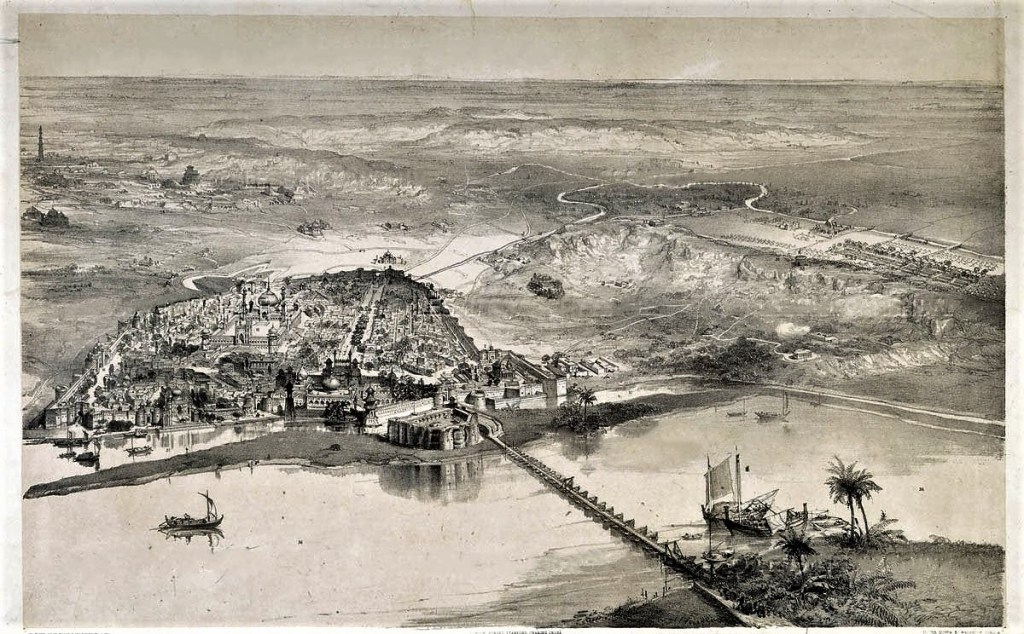
In the afternoon of the 12th of September, a Council of War convened on the Ridge in a tent specially set up for the purpose. Sentries posted some 100 yards distant to guard against spies paced backwards and forwards, meeting each other, turning around and marching back. The tent had short sides, and the curious onlookers, kept well back by the sentries, could only see the legs of those seated at the council table. The plans for the assault and subsequent occupation of Delhi were gone over, argued and finally agreed upon. It was, the ten men decided, a satisfactory plan and, in the estimation of one officer, had every reasonable prospect of success. All they needed now was the report from the Engineers.
On the 13th, late in the evening, the Engineers pronounced the breaches in the walls were practicable, and the order for the assault was given. It would commence at 3 o’clock in the morning on the 14th of September. Every man was to carry two hundred rounds of ammunition in his pouch and haversack. Three of the principal officers of each regiment were to be present – in case one or two were killed or wounded, there would at least be one to see the duty of the day through.
The Ridge Prepares
In the mess of the 75th, Richard Barter, who in a few scarce hours would find himself with Number 1 Column, was looking for a way to protect his head. He wound two turbans around his forage cap with the last letter from his wife at the top and gave himself over “to Providence.” All around him, the other officers loaded and rechecked their pistols, filled their flasks and then tried to find a little sleep with their turbans securely tied like Barters’. Elsewhere, Reginald Wilberforce, tired and feeling ill, had gone to bed. At midnight, he was woken up by the adjutant shaking him, saying, “We parade at 2.30, for the assault at 3.”
Bleary-eyed, Wilberforce rolled out of bed. Almost as an afterthought, he took the medicine the doctor had prescribed him the day before – castor oil with drops of opium. Drinking it down, he set about figuring out what to wear. His tent companion proposed they should wear their best uniforms, what was left of them, and promptly annexed one of Wilberforce’s flannel shirts. He promised to return it, but when a bullet tore through him the next day, the shirt would become a prized memento. Dressed and ready, the two men went to the mess tent.
As they walked through the camp, they could see lights on in the other tents. All around them, hushed conversations carried on amid the sounds of snapping of locks or springing of ramrods. No one, it seemed, was going to sleep tonight.
At the mess tent of the 52nd, Wilberforce and his companion found the rest of the officers assembled. Colonel Campbell had thoughtfully provided all his men and the officers with soda water bottles covered in leather. They were to be slung around the neck with a strap that passed under the sword belt. When the grog was served out before the assault – a double ration – the men could put the rum in their bottles instead of drinking it off at once – a little extra courage, should they need it.
At 2 o’clock in the morning, in the Engineer’s Mess, Arthur Moffatt Lang found everyone preparing themselves, reading the instructions, studying a map of Delhi with all the routes marked, buckling on their revolvers, snatching up bits of left over supper and filling their haversacks with bread and water flasks. Taylor was bustling around with last-minute arrangements, and Medley reported to Baird Smith that everything was ready. Lang noted that some of the younger Engineers appeared to be seized with fits of the giggles probably caused by nerves, while others quietly wrote their last letters home. Shortly after, with handshakes all around, Lang left. His directions were to lead a party of sappers with 18 ladders and join Nicholson’s column. With him went Lieutenant Medley.
The columns were as follows:
No. 1 Column, commanded by General Nicholson, to storm the Kashmir Bastion
– 1st Bengal Fusiliers – 250 men under Major Jacob
-H.M. 75th Regiment – 300 men under Lieutenant Colonel Herbert
2nd Punjab Infantry – 450 men under Captain Green
Engineer officers attached – Captain Taylor, Lieutenants Medley, Lang and Bingham
No.2 Column, commanded by Brigadier-General Jones (61st Regiment), to storm the breach in the Water Gate Bastion
– 2nd Bengal Fusiliers – 250 men under Captain Boyd
-H.M. 8th Regiment – 250 men under Lieutenant Colonel Edward Greathed
– 4th Sikh Infantry – 350 men under Captain Rothney
Engineer officers attached – Lieutenants Greathed, Hovenden and Pemberton
No. 3 Column, commanded by Colonel Campbell (52nd Light Infantry), to assault the Kashmir Gate after the explosion by the Engineers
– H.M. 52nd Regiment – 200 men under Major Vigors
– Kumaon Battalion of Gurkhas – 250 men under Captain Ramsay
– 1st Punjab Infantry – 500 men under Lieutenant Charles Nicholson
Engineer officers attached – Lieutenants Home, Salkeld and Tandy, Ensign Nuthall. This party was assigned to blowing up the Kashmir Gate, and also consisted of Sappers and Miners – Sergeants John Smith and Andrew Blair Carmicheal, Corporal F. Burgess (alias Joshua Burgess Grierson) and 14 native Sappers and Miners – and ten Punjabi Sappers and Miners – of these Havildar Madhoo, Subadar Toola, Jemadar Bisram, Havildars Tiluk Singh and Ramtaroy and Sepoy Sahib Singh would be mentioned in despatches. Bugler Robert Hawthorne of the 52nd Regiment was further detailed to the party.
No. 4 Column, commanded by Major Reid (Sirmoor Battalion), which included the Sirmoor Battalion, a detachment of the 1st Bengal Fusiliers – 150 men – detachments of HM 60th and 61st, together with the Guides Infantry, and 800 men of the Kashmir Brigade. Their orders were to clear the gardens and buildings at Paharaunpore and Kishengunge before entering the city via the Lahore Gate.
Engineer officers attached – Lieutenants Maunsell and Tennant
No. 5 Column, Reserve -commanded by Brigadier-General Longfield, to follow column No. 3 and cover Nicholson’s advance, while forming the reserve.
– H.M. 60th Rifles – 200 men under Colonel Jones
– H.M. 61st Rifles – 250 men under Lieutenant-Colonel Deacon
– 4th Punjab Infantry – 450 men under Captain Wilde
– Beluchi Battalion – 300 men – under command of Lieutenant-Colonel Farquhar
– auxiliaries of the Jhind Raja – 300 men under Lieutenant-Colonel Dunsford
Engineer officers attached – Lieutenants Ward and Thackeray
The 60th Rifles were to cover the front of the three storming columns.
The Artillery Brigade
Arrangements were made on the 13th of September to relieve the officers and men of the horse artillery, with detachments of foot artillery, told off for duty, consisting of “sixty, twenty and twenty men, each under a subaltern to accompany the 1st, 2nd and 3rd Columns of Assault respectively, to take possession of the guns on the ramparts and turn them on the city.”
No. 14 Light Battery and Major Scott was attached on the 14th to the Reserve Column
No. 17 Light Field Battery with two guns were attached to the 1st Column
The Cavalry
9th Lancers
The Guides Cavalry commanded by Captain Sanford
William Hodson commanding Hodson’s Horse
1st Punjab Cavalry commanded by Lieutenant Probyn and second-in-command, Lieutenant Younghusband
5th Punjab Cavalry
To organise over 9000 men in the dark, in absolute silence, was not a feat achieved without problems. The 52nd parade before the assault was muddled by the “curiously worded and scrupulously obeyed” orders given by Major Vigors, who though beloved by his men, a good rider, and excellent judge of horse and wine was less adept at commanding a regiment. Turning to one of the captains, Vigors asked him “…like a good fellow, get them right..” By now hopelessly disorganised, Vigors called a halt and then said, “Fifty-second, get yourselves as straight as ye can!” Laughing, the men fell in.
At three in the morning, they started but halted after a mile and a half. Many men had started falling out – they were the ill from the hospital, who, not wanting to be left out, had quitted their beds to join their regiment. After a delay of an hour, with daylight slowly lightening the night sky, the regiment moved towards Ludlow Castle. As they stood on the road, a shrapnel shell whizzed over their heads, killing two men and wounding another seven. As the 52nd waited, the 60th Rifles passed by in skirmishing order.
The 75th fell in quietly at midnight, and by the light of lanterns, the orders for assault were read to the men.
“Any officer or man who might be wounded “was to be left where he fell; no one was to stop from the ranks to help him as we have no men to spare; if the assault were successful, he’d be taken up by the doolies and carried to the rear or to where ever he could best receive medical assistance; if we failed, wounded and sound should be prepared to bear the worst. There was to be no plundering, but all prizes were to be put in a common stock for fair division after all was over. No prisoners were to be made, as we had no one to guard them, and care was to be taken that no women or children were harmed.”
To this, the men answered, “No fear, sir!” and the officers pledged their honours on their swords to follow the orders, with the men promising to follow their example. Just as the regiment was to march off, up came Father Bertrand dressed in his vestments. Addressing the Colonel of the 75th, he asked for permission to bless the 75th, solemnly declaring, “We may differ some of us on matter of religion, but the blessings of an old man and a clergyman can do nothing but good.” With the Colonel’s approval, Father Bertrand raised his hands to heaven and offered up a prayer not just for their success but for God to have mercy on the souls of those soon to die. When he had finished, the 75th marched off into the darkness. Only one sergeant, five drummers and thirty seven rank and file had been marked fit of the 75th for the final assault but on parade but that morning 361 men, 29 sergeants and 6 drummers turned out – like the men of the 52nd, the sick and wounded of the 75th had crept from their beds – anyone who could stand was determined to join in the storming of Delhi. They had commenced the campaign with 928 privates and still felt they had a point to prove.
A portion of the Cavalry Brigade under the leadership of Brigadier Hope Grant and consisting of the 9th Lancers, 1st, 2nd and 5th Punjab Cavalry – one squadron each – and Hodson’s Horse, in all 600 men was ordered to take up their position on the slope of the Ridge and wait for further orders. From here, they could see and hear everything that would shortly be happening in Delhi – their turn to fight would come. The rest of the cavalry was left on the Ridge to act as guards. While Hugh Gough was on the slope, Octavius Anson remained in the camp.
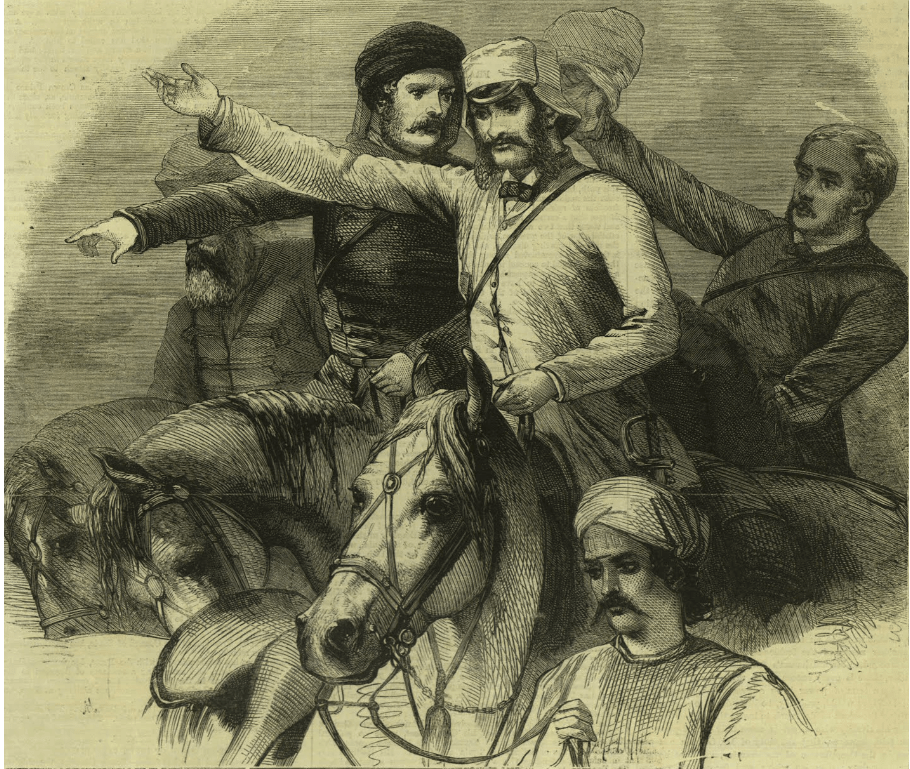
Major Reid, leading the 4th Column, took up his position with his men, a mix of HM’s 60th, 61st and 75th, 1st Bengal European Fusiliers, the 200 remaining men of the Sirmoor Battalion, 200 of the Guides, some men of the 1st Punjabis – Coke’s Rifles and less that 70 men of the Gurkha Kumaon Battalion, while on the fringes stood the Kashmiri infantry and cavalry. They were only waiting for the three Horse Artillery guns to make their appearance, and all would be ready.
The Assault
The Engineers had planned the assault, but the man who had command on the day was John Nicholson. From the moment he arrived on the Ridge to the 14th of September, Nicholson had prepared the camp for the attack. He had familiarised himself with every post and commander; he visited the batteries daily and spent every waking moment planning. When the day finally came, Nicholson rode past every column to see that they were in position and to speak a few words of encouragement to the men. He then took his position at the head of Column Number 1. As if his life had been a long preparation for this one day, he was a leader of men finally coming into his own.
The attack, although simple on paper, was rather more complicated. It consisted of four attacking columns and one held in reserve.
No. 1 under Brigadier Nicholson was to storm the breach in the Kashmir Bastion.
No.2. under Brigadier Jones to storm the Water Bastion breach
No. 3 under Colonel Campbell to assault the Kashmir Gate after it had been blown in by the Engineers
No. 4 under Major Reid, to attack the Kisenganj suburb and enter the city by the Lahore Gate and join Columns 1 and 2.
No. 5 under Brigadier Longfied was to follow No. 3 through the Kashmir Gate and to cover the advance of Column 1 while forming the reserve.
The Cavalry Brigade, in the meantime, was to face the Mori Gate within range of Kisenganj to oppose the enemy should they attempt to take storming columns in the flank. Above all, they were to watch the rebels’ movements and guard the camp from any surprise attacks.
The four columns each had a complement of three Engineers to lead them as they crossed the ditch at different points and, using scaling ladders, to clear away the outer defences of the city and take all the bastions, posts, guns and gateways into their possession. When the positions were secure, it would then be left to the discretion of the commanding officers, acting on the directions of Brigadier Nicholson, whether they would clear the streets or wait for assistance from the artillery. No one could say for sure how much resistance the force would meet with or how much time would be needed to clear the inner defences of the city. It was generally felt the rebels would retreat in confusion after the assault on the breaches was made and clear the way for the advancing army. Optimistically, it was felt Delhi would be carried in three, at the most, four days. Baird Smith had even included the points in the city where the columns, after clearing the outer walls, were to take their posts.
The assault itself should have started under cover of darkness to afford the men as much protection as possible from the rebels while taking them by surprise. However, even the best-laid plans are not without their faults. What they did not know is the rebels, for their part, had not been sleeping. During the night, they had made arrangements of their own and filled the breaches with sandbags and constructed barriers of spikes in the openings -their version of chevaux-de-frise – a most unpleasant obstacle.
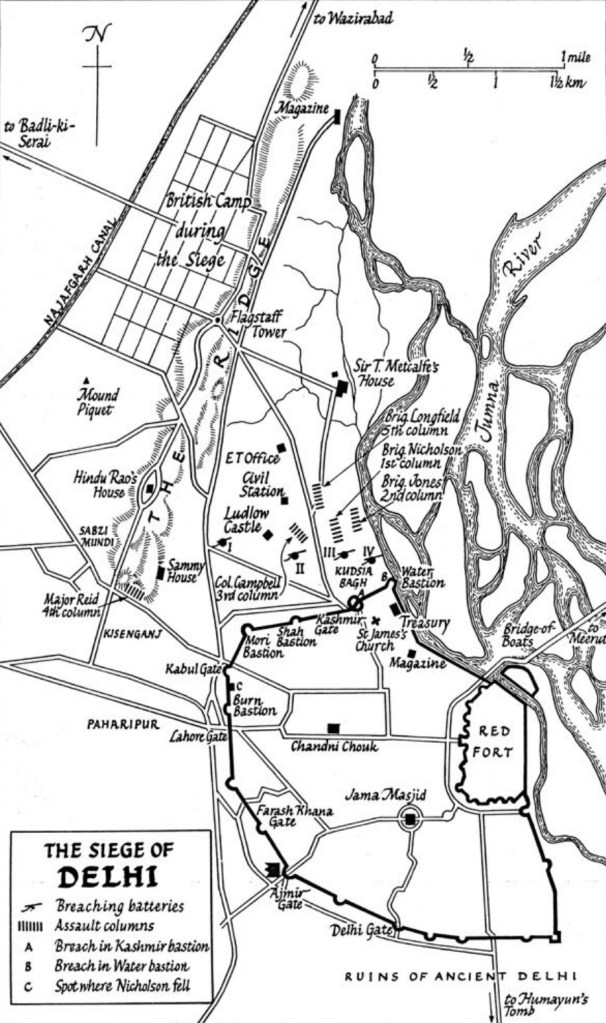
The assaulting columns were ordered to lie down under shelter as the batteries opened fire to clear the breaches of these new obstacles. By the time their work was done, it was daylight. The element of surprise had been all but lost. While the other columns converged on Ludlow Castle, the 4th Column was drawn up at 4.30 in the morning on the Grand Trunk Road opposite the Sabzi Mandi Picquet. Their signal to advance was to be the blowing up of the Kashmir Gate.
Major Reid had his misgivings. He did not trust the Jammu Contingent of Kashmir, who he did not believe would follow orders, and he did not like Wilson’s idea of his column entering Delhi by the Lahore Gate, which he thought was suicidal. Another problem arose for which he had no solution – the Horse Artillery guns. The officer in charge reported they only had enough gunners for one gun and not three as agreed. Reid had no intention of taking only one gun into action and was sent off to the Ridge for more men. While Reid waited for an answer, he heard musketry fire to his right. The Jammu troops, when coming down from the Ridge, engaged the rebels without waiting. Reid would have no choice but to order the advance without the artillery guns.
Opposite Ludlow Castle, the columns were brought to a halt. All officers on horseback now dismounted. While Column No. 1 with HM’s 75th turned off to the right towards Kudsia Bagh, the 52nd continued down the road towards the Kashmir Gate. Lieutenants Medley and Lang with Column No. 1 arranged their ladder men in front, the engineers taking their place at their head, and the 1st Column, receiving the order “Quick march” wheeled off to the left and marched into the Kudsia Bagh to await the signal. Column No. 2 went on further to the left and formed up behind breaching battery 3, ready to take the left breach. Column No. 3 stood on the road, waiting to advance on the Kashmir Gate. The signal for assault was to be the sudden rush of the 60th Rifles. At a signal from Brigadier Nicholson, the batteries suddenly fell silent. At the same time, the 60th Rifles, with a loud cheer, suddenly burst forward at a run and, throwing themselves into the cover of the jungle, opened fire on the enemy. Medley waved his sword for the ladder men to advance.
“A furious rattle of musketry was already pouring from the walls, and through a storm of bullets we steadily advanced at a quick walk, until we got to the edge of the cover. Then, forming the ladders in a sort of a line, we rushed towards the breach, closely followed by the storming party, and in a minute found ourselves on the edge of the ditch. But so terrific was the fire from the breach and the broken parapet walls that it was at first impossible to get the ladders down into the ditch, which was necessary to enable us to ascend the masonry escarp below the breach. Man after man was struck down, and the enemy, with yells and curses, kept up a terrific fire, even catching up stones from the breach in their fury, and dashing them down dared us to come on…” Medley barely realised he had been shot in the arm.
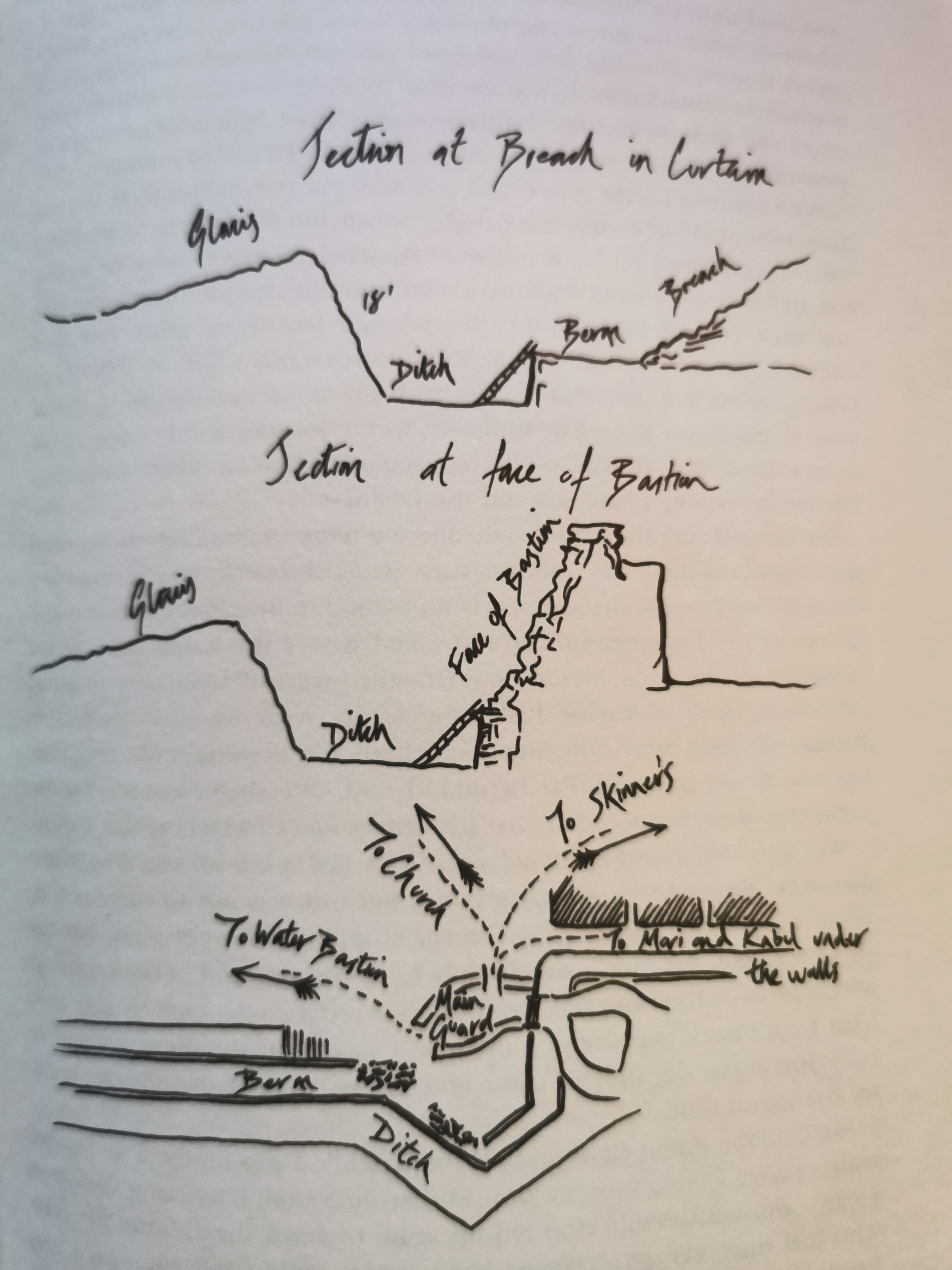
As Medley slid down into the ditch, Lieutenant Lang to his right, a loud explosion tore through the air followed by a column of smoke – the Kashmir Gate had been blown open.
With Brigadier Nicholson, Lang ran forward with the ladder parties. “Up went our little ladder,” wrote Lieutenant Lang, ” but once on the berm, we instantly saw there was no place for placing our long ladders, so we up we scrambled just a steep crumbling wall of masonry…I was just falling backwards on our own bayonets when a Gurkha pushed me up luckily, and presently over we were and, with the 75th and the men from Water Bastion breach, were tearing down the ramp into the main guard behind the Kashmere Gate.”
Adjutant Richard Barter of the 75th, along with the other officers of the regiment, slid down into the ditch. Calling for ladders, two were thrown down, and they quickly placed them against the wall. In a strange fit of protocol, Barter claimed his right to ascend first as senior officer and scrambled up the ladder. Standing under the face of the bastion, he and Lieutenant Fitzgerald now rushed up the breach “…which was like a sloping bank of sea sand…and behind it were some gabions between which the enemy kept up a smart fire, so close to us that I could feel the flash of each discharge hot on my cheek. To spoil their aim, I kept firing my revolver with my right hand while I scrambled up with the left, holding my sword under my arm as best I could, for we carried no scabbards. They were heaving huge blocks of masonry at us and tried to roll some down, but they stuck in the bed of the breach and hurt no one. Meanwhile, Briscoe and the men mounted fast behind us emulated by the 2nd Punjabis, who…unable to get a footing on the ladders, scrambled up over one another’s shoulders.”
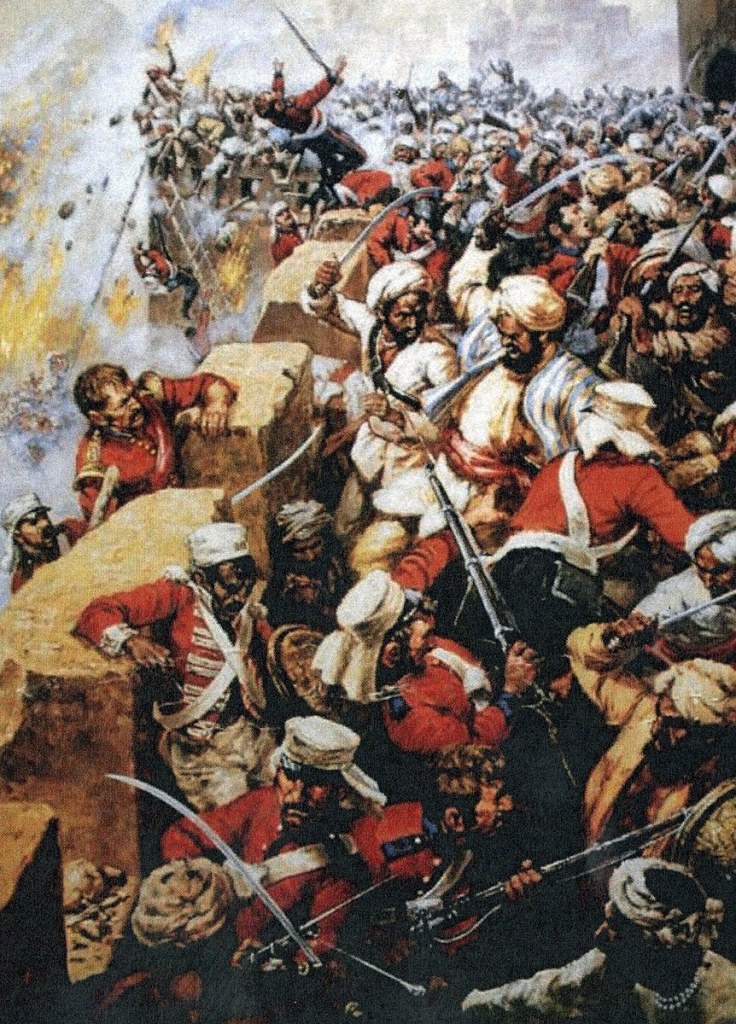
Overwhelmed by the storming party, the rebels hastily retreated into the city, leaving Barter and Fitzgerald to shake hands in the position they had just vacated. The two men then parted, Barter heading along the parapet to the left towards the Kashmir Gate and Fitzgerald off to the right. As Barter disappeared, a discharge of grape from inside the walls killed Fitzgerald.
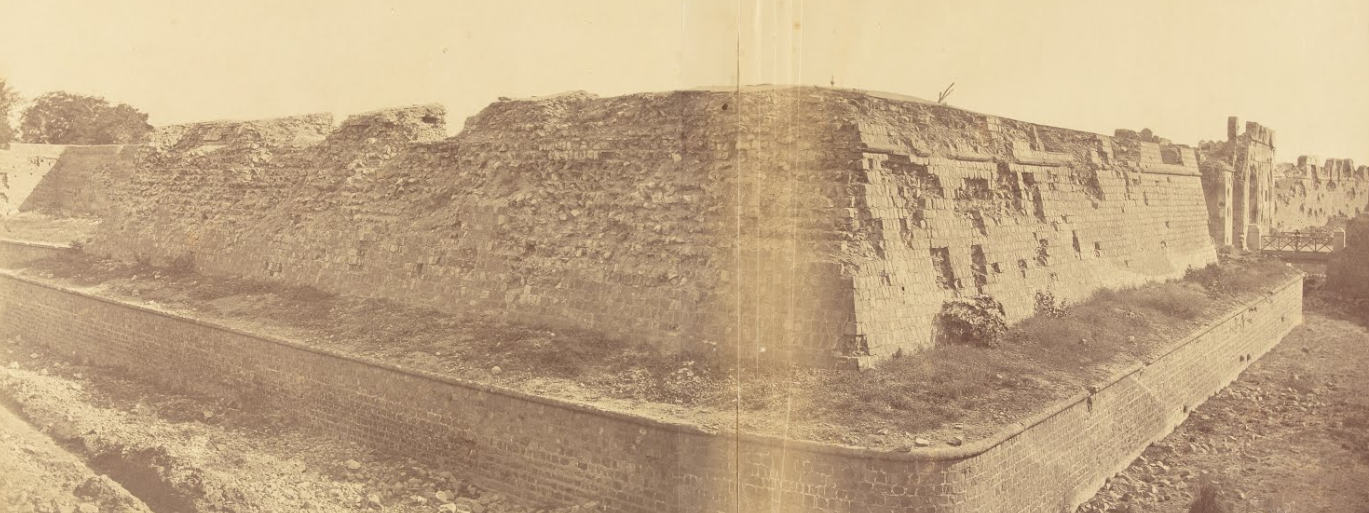
At No. 2 Column, Wilberforce Greathed and Hovenden of the Engineers, like Medley and Lang, marched ahead of the ladder party. Making a slight detour to avoid some water in the ditch, they found themselves under a hail of bullets – within minutes Greathed and two infantry officers were wounded, and of the 39 men in the ladder party, 29 were shot. Their places were taken up by their comrades who, after two unsuccessful attempts, managed to place the ladders against the escarp. Through a storm of rocks and bullets, the soldiers ascended, rushed the breach and drove the rebels from the walls. At the top of the wall, Colonel Edward Greathed, who had climbed up ahead of his men, saw the two columns.
“…climbing up the breach like a swarm of bees, or rather like the horses of sun all abreast, then like hounds topping the fence into a gorse cover they disappeared into the town; it was really a glorious thing to see…”
Duncan Home, Phillip salkeld and the kashmir gate
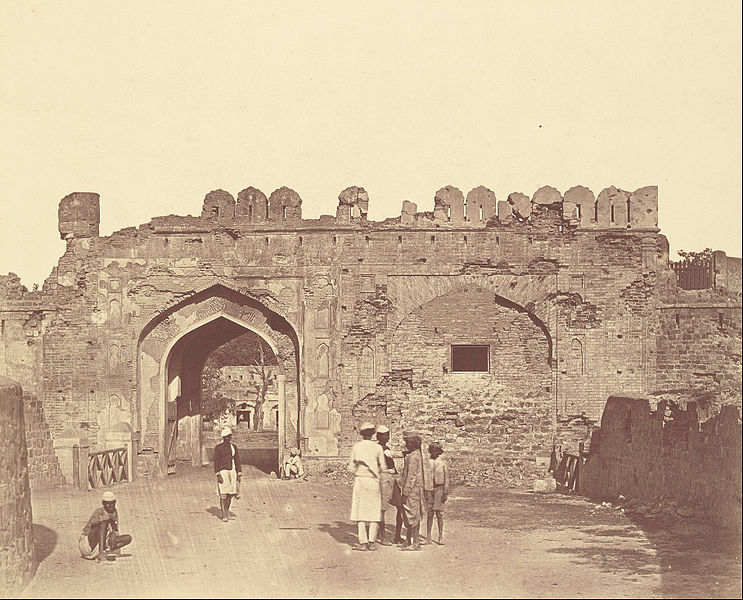
As the main gate on the western side of the walls, the Kashmir Gate in its heavy wooden frame was flanked on three sides by masonry. It was further loopholed and had an outer wicket. The drawbridge had been destroyed – all that remained were a few beams over the ditch below. The mission of the two engineers and their party of three sergeants (Carmichael, Burgess and Smith) and four men of the Bengal Sappers, a havildar and a bugler named Hawthorne was to blow up the gate – none of them expected to survive. Each man carried 25 pounds of powder, and with this weight on their shoulders and the firing party of the 52nd covering them, they began to run towards the gate.
To their surprise, the outer wicket was open, which left them vulnerable to being shot at point blank, but equally surprised were the rebels. Startled by the approach of the explosion party, the rebels momentarily forgot their duties and only fired a few shots, all of which went wide. Home led the men of the Bengal Sappers over the remains of the bridge first. They quickly laid their powder bags against the wooden gate and ran for cover.
As they turned away from the gate, the sepoys on the wall suddenly realised what Home and the men had been doing – they opened fire from the open wicket, from the top of the gate and the loopholes. The havildar was wounded, but Home and Hawthorne managed to jump into the ditch in front of the wall. The rest now was up to Salkeld and the sergeants. The rebels had lost their surprise, and Salkeld was running straight into their fire.
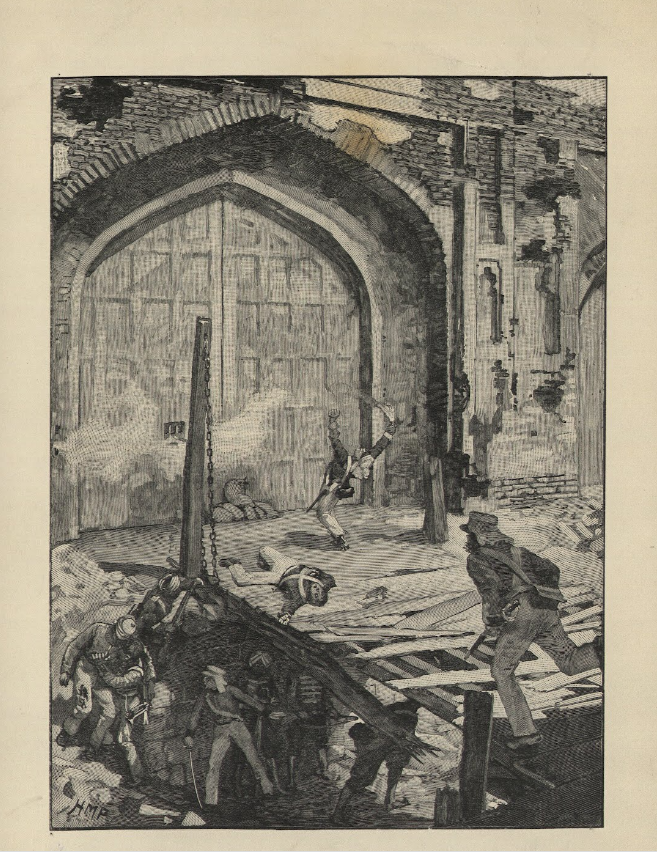
Drawing his sword with one hand and then, with the lighted port fire in the other, Salkeld led the men over the broken bridge with their loads of powder. Carmichael and one of the sappers were shot dead, and another was wounded – Sergeant Smith, who was bringing up the rear, grabbed Carmichael’s bag and put it down next to his own. By keeping close to the walls, the men managed to evade the firing from the sepoys who now found it impossible to train their muskets with any accuracy on the party.
Salkeld crouched low over the bags to put his slow match to the fuse, stretched one leg back to keep his balance when a shot found its mark, a bullet lodging in his thigh. Burgess grabbed the match as Salkeld rolled into the ditch.
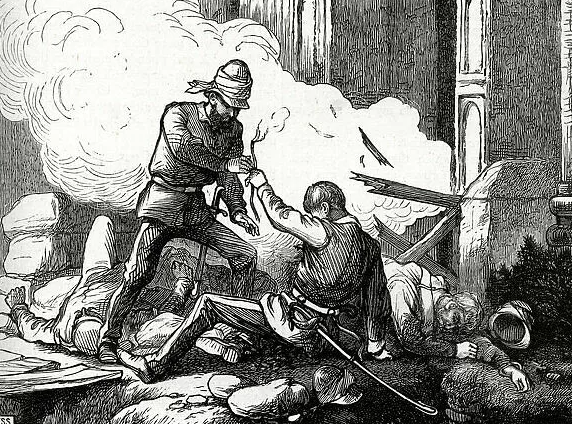
To his horror, Burgess found the flame had gone out. Sergeant Smith, standing behind him, thrust a box of lucifers at him, but as Burgess reached out his hand to take them, he was shot through the body and fell into the ditch. Smith found himself alone, the last man to finish the job. He crouched over the bags and struck a match – but to his surprise, Salkeld had lit the fuse after all, and it went off in his face. Smith barely managed to grab his gun and jump into the ditch before the gate blew up.
The remaining Sappers had managed to throw themselves into the ditch before the explosion, and now, all the men were stumbling around in the blinding smoke amidst the falling stones, calling to each other in the gloom. Smith found he was unhurt except for a small bruise on his leg – he groped his way along the wall until he found Lieutenant Home. Home, too, was unhurt, but the same could not be said for Burgess and Salkeld. Bugler Hawthorne and Smith dragged Salkeld under the bridge – as the smoke cleared, the sepoys could now see them again, and they wasted no time in resuming their firing. Home told Hawthorne to sound the advance with his bugle – the sign the gate was blown and the advance of the 3rd Column could commence. Hawthorne stood up and blew as hard as he could, once, twice, three times. Above the din of the battle, no one heard him, but the smoke rising over the Kashmir Gate was enough for Colonel Campbell to order the advance. The only man who claims to have heard the bugle was Reginald Wilberforce of the 52nd. According to Alfred Wilde, who was waiting with the reserves, “You never heard such a row, the fire of guns, mortars, rockets and muskets was positively deafening.” That Wilberforce could have heard Hawthorne’s bugle is nigh unbelievable.
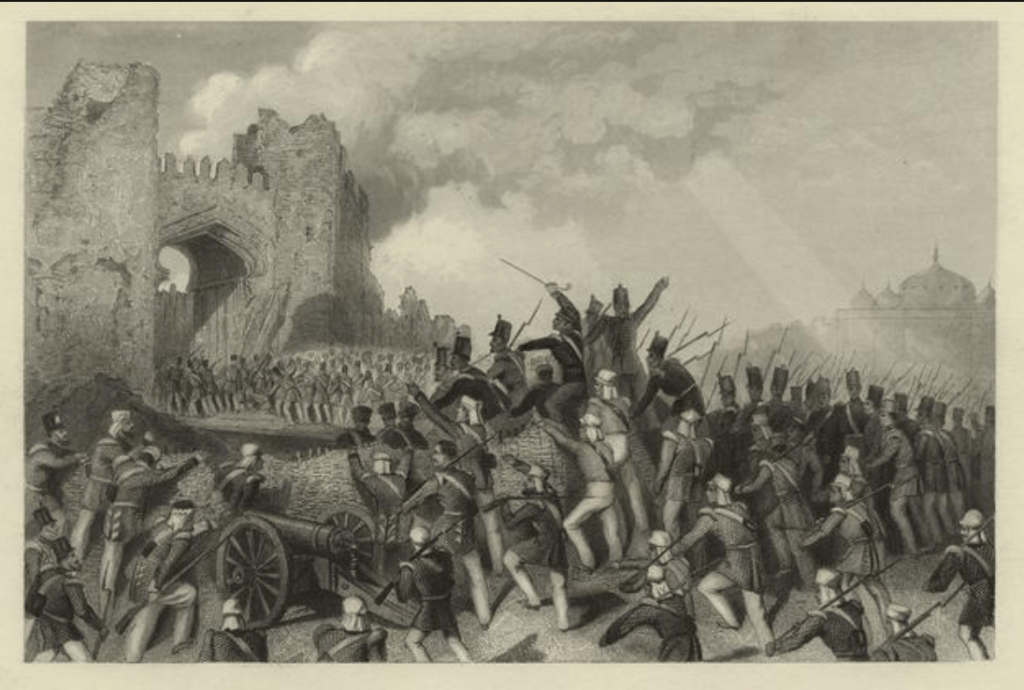
The column advanced on the gate – the explosion had achieved but little yet it was enough. Only one side had been blown open, and the hole was just wide enough for one man at a time to go through it. The assault party, to their surprise, found the main guard empty beyond the gate. The rebels who had so harassed the explosion party were all dead. Though blocked with debris, it was still possible to half open the gate – with this done, Column No. 3 streamed into Delhi – they had achieved their objective.
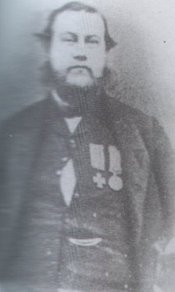
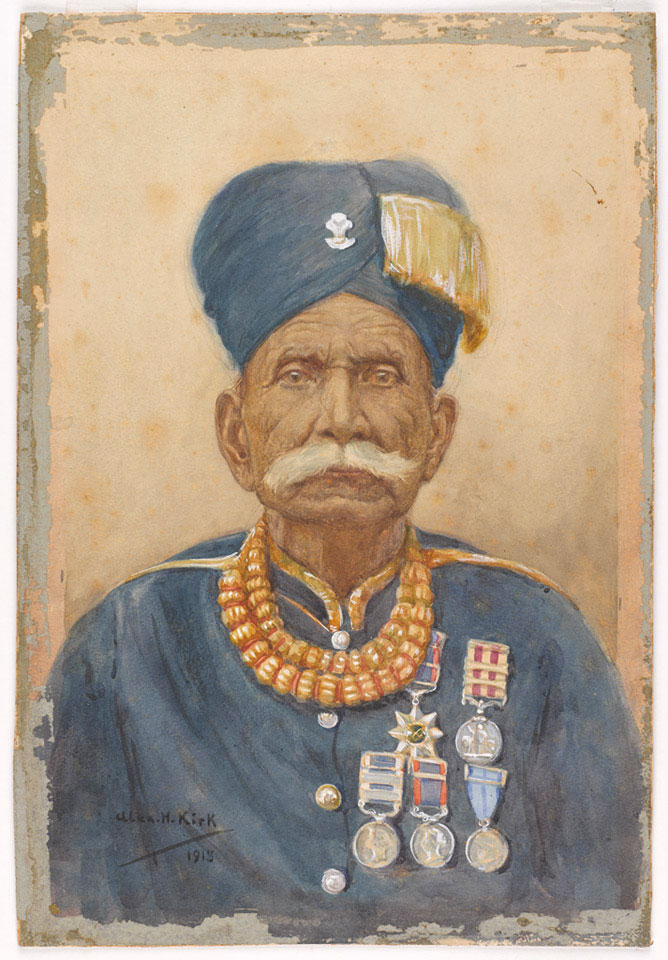
Meanwhile, as the column passed overhead, Home joined them while Smith and Hawthorne had offered to remain behind to look after the wounded men. They bound up Salkeld’s wounds with cloth torn from a turban; besides the shot in the leg, he had broken his arm in the fall into the ditch. There was little they could do for Burgess. Leaving Hawthorne and the others, Smith ran to the rear to find a doolie to carry the wounded back to the Ridge. Smith returned with two doolies and left the Hawthorne to escort the men to the hospital, entreating the bugler to not leave them until they were safely in the hands of a surgeon. Burgess never made it back to the Ridge – he died on the way while Salkeld succumbed to his wounds a few days later. General Wilson promptly rewarded Home, Salkeld, Smith and Bugler Hawthorne with the Victoria Cross, even sending a bit of red ribbon to Salkeld to rally his spirits – but Salkeld died before he could receive the medal.
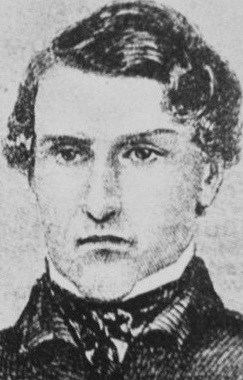
With the three columns now within the city there now remains to be seen what happened to Major Reid.
The Defeat of the 4th Column
The rebels had occupied the Kishanganj suburb in force, planting two strong batteries in front while breastworks, well armed with light field pieces, were placed across the road leading to the suburb, one close to the wall of the city and the other further away towards a bridge over the canal. Reid had planned to first carry one of the breastworks and then by dividing his column in two he could then push on parallel to the batteries and garden to carry the guns, clear the buildings in the enclosure and then make for the city. The Jammu Contingent had been intended to act as a diversion while Reid continued with the advance. Unfortunately, the guns he had been promised had been sent without gunners, and while he was waiting for a reply from the Ridge and, hopefully, someone to man the pieces, the Jammu Contingent flew off on their own and attacked the rebels. Reid quickly sounded the advance – a few of the Rifles and the Sirmoor Battalion rushed forward and carried the first breastwork. The mutineers, unsure what to do, whether attack Reid, retire to the second breastwork or attack the wild Jammu troops, stood on the road for a time while Reid, without guns and not enough men, could not afford to counter them. If it was not bad enough to have guns without gunners, Reid now could only watch as reinforcements poured out of the city – at least 15,000 men were descending on the 4th Column.
Reid set about making arrangements for a feint attack on the Kishenganj batteries while forming a real one in the flank and rear. The 60th Rifles and the Gurkhas were sent on in front to clear the ground for the advance of the 1st Bengal European Fusiliers, but there was too little space to deploy, and the troops found themselves advancing along the road where they were confronted by a breastwork close to a narrow bridge. Those leading were soon “shot down in such numbers that the road became cumbered by the heaps of our own dead and wounded. Reid now gave the order, “Fusiliers to the front and with a wild rush they charged them across the bridge, treading underfoot the wounded men who lay on the road…” Reid led the charge, but he was cut short with a shot to the head. Severely wounded, Reid fell to the ground. He managed to send word to Captain Richard Lawrence, his second-in-command and then tried to direct him, as one of his Gurkhas carried him to the rear, what he wanted to be done. Although the troops were fighting splendidly, with “many of the officers in advance… engaged in single combat with the mutineers, who pelted our troops from behind their breastworks, with brickbats and other missiles; whilst our ranks were being rapidly thinned by the musketry fire poured upon us by the thousands of the enemy behind the barricades…” Reid’s fall had thrown the whole plan into disorder. The rebel batteries swept the road with grape, and the Jammu troops, finding themselves overwhelmed by the enemy, retreated in chaos, leaving their four guns behind, and all that was left was for Captain Muter to withdraw the troops back to Hindu Rao’s House. Captain Lawrence rallied the Jammu troops and joined Muter in the retreat. Lieutenant Evans of the Bengal Artillery brought his guns to bear on the enemy from his position at the Crow’s Nest picquet, covering the column as they made their way to Hindu Rao’s House.
Watching all of this from their position, the cavalry brigade moved down close under the Mori Bastion to support the 4th Column. The enemy, having secured their position in the Kishanganj, now turned their attention to Hope Grant and the cavalry, opening with a galling fire of musketry. Grant ordered Major Henry Tombs and the Horse Artillery forward to answer the rebels with their guns. Tombs opened fire on the houses at a distance of 200 yards, causing the rebels to fall back, who, unable to retrieve the 2 18-pounders they had had to leave behind, allowed Hope Grant to send a few of his gunners to spike the guns.
Although the other three columns had managed to gain the city, they had not as yet been able to carry the Lahore Bastion, and now the rebels turned the guns on Hope Grant and his men. For the next two hours, the cavalry remained seated under a steady fire of grapeshot. They could not retreat without losing their guns, and they could not move forward as the ground in the Kishenganj was unsuitable for a cavalry charge. All they could do was sit and wait as the enemy poured their deadly fire into the men and their horses. Tombs continued firing his guns, but he was rapidly running out of gunners. Some of the 9th Lancers, who had trained in the batteries, came forward to take the place of Tombs’ men. As for Hugh Gough, sitting on his horse as around him men and horses fell, he could not help telling himself it was not much worse than being out in the rain without an umbrella. To prove how nonchalant he was to it all, he took out his pipe and lit it. Hodson, in the meantime, sat straight and unmoving “like a man carved in stone.” The stand of the Cavalry Brigade, though prolonged and deadly, had prevented the enemy from advancing along the open ground between the Ridge and the city, thus allowing the attacking columns to proceed unhindered by a flanking attack. However, the cost the cavalry paid was severe.
Out of the fifty gunners in Tombs’ troop, 25 were hit. Hope Grant and four of his staff lost their horses, while he and Tombs were both hit by spent bullets. Forty-two Lancers were killed or wounded, and 61 horses. When a sowar suddenly appeared, galloping full speed at the Lancers, his sword slashing left and right through their ranks, killing four men before he finally brought them down, Hope Grant decided this had gone on long enough. He sent his nephew and A.D.C. Frank Grant to Hindu Rao’s House to request the help of the infantry. Frank borrowed a horse and rushed back to the Ridge.
From the top of Hindu Rao’s House, the wounded officers, Neville Chamberlain and Henry Daly, who had not been able to take part in the assault, had been watching the progress of the battle with increasing alarm. Receiving Grant’s request, Chamberlain quickly sent 280 Guides infantry and Gurkhas to assist. They rapidly dispersed the rebels from the gardens and, subsequently supported by the Belochi Battalion, were able to force the rebels to give up firing at Hope Grant, who could finally retreat to Ludlow Castle. The fire from the Lahore Bastion, too, had slackened as the attention of the gunners turned to events in the city.
In the City of Delhi
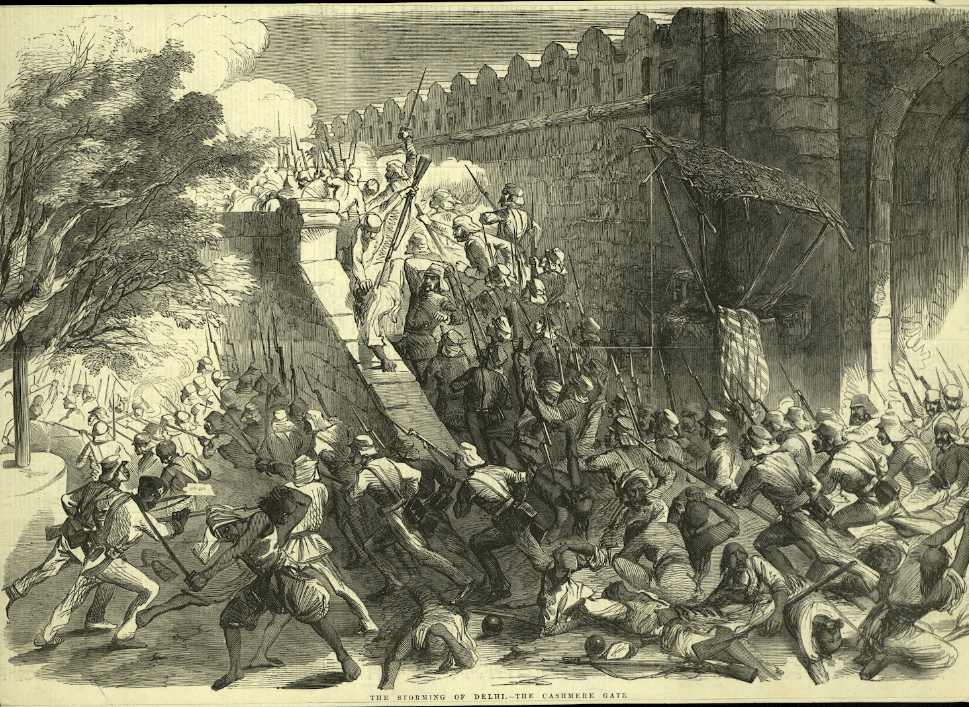
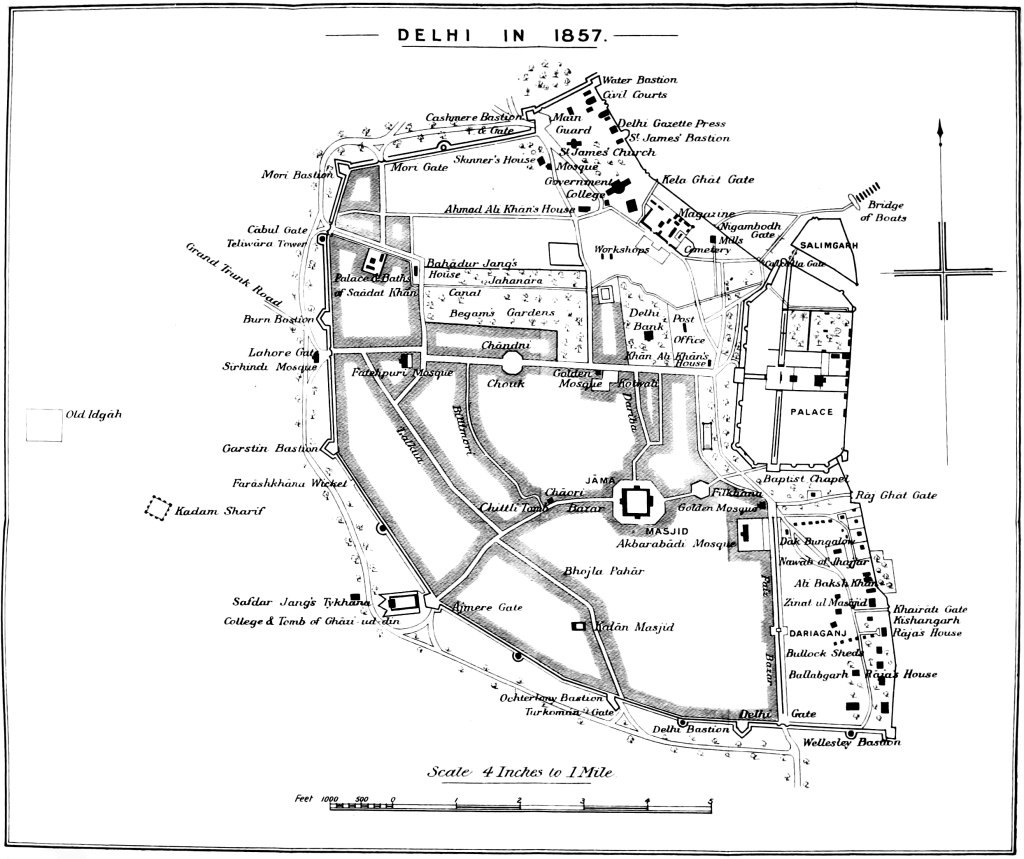
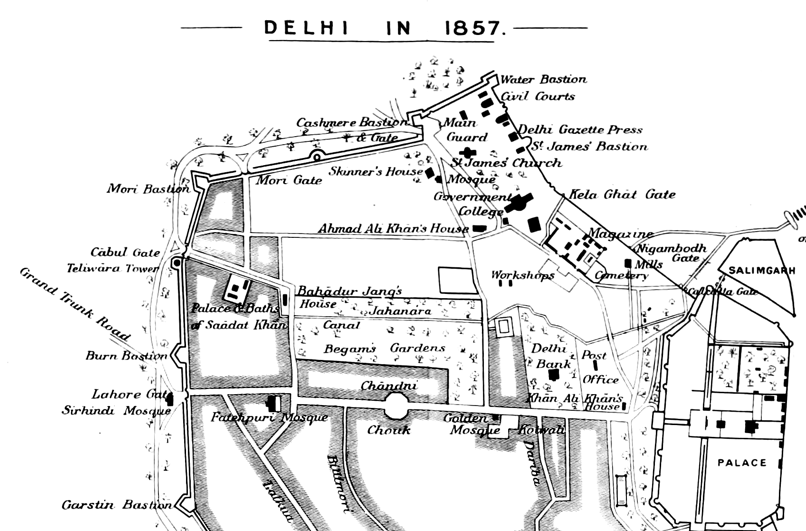
Finally in the city, Lieutenant Lang watched the 75th and Adjutant Richard Barter tearing down the ramp into the main guard behind the Kashmir Gate. Nicholson’s orders were to push his way towards the Ajmere Gate, following the road running along the inside of the walls and clearing all the ramparts and bastions on his way. Jones to go to the Kabul Gate, and Colonel Campbell, who had led the 3rd Column, would secure the Jama Masjid. Unfortunately, no one seemed to know the way. Nicholson and Captain Taylor ran up towards Skinner’s House – the wrong way, while Lang, Pemberton and Captain Hay “and a few more, took a proper turning, under the ramparts along narrow lanes, ramparts on our right and mud walls on our left, such a place, but on we rushed, shouting and cheering, while the grape and musketry from each bend, and from every street leading from our left, and from rampart and housetop, knocked down men and officers. It was exciting to madness and I felt no feeling except to rush on and hit…We took tower and tower and gun after gun, never stopping. On the Mori, I shouted out to line the parapet and give three cheers- bad advice! for we were fired on from our own batteries: we tore strips of white, red and blue from dead Pandies’ clothes and put an impromptu flag and then rushed along again. We seemed hardly to shoot any, but occasionally in some bend or in some tower caught fellows who were late in flying…”
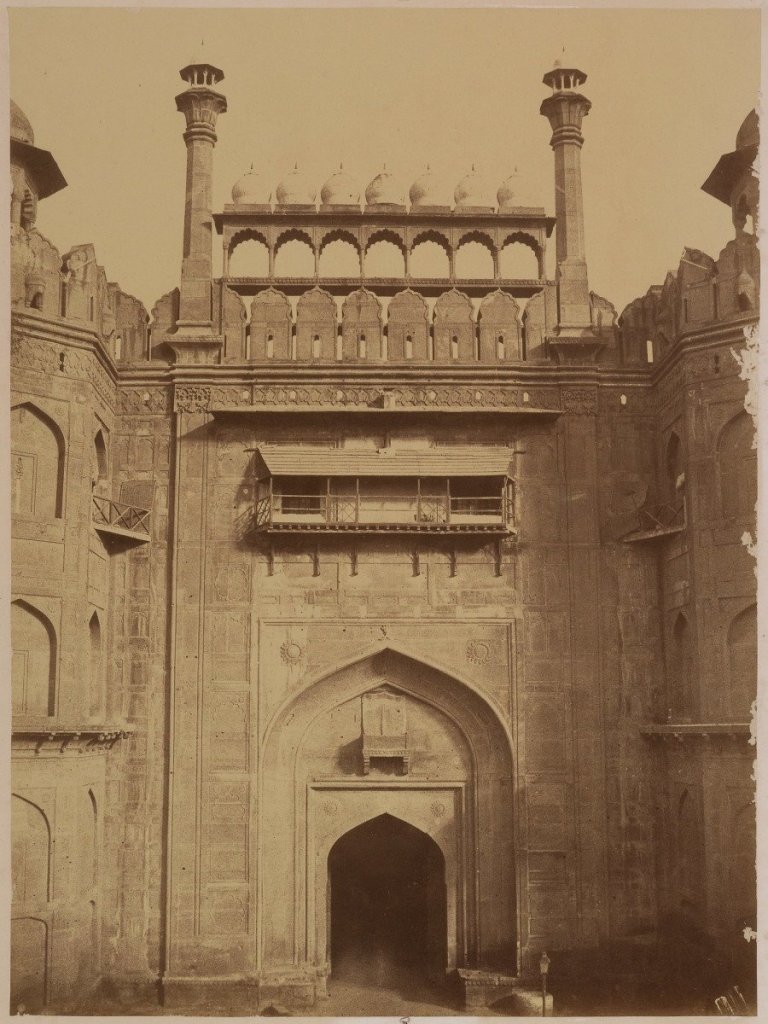
Lang and the men rushed past their objective – the Kabul Gate – and suddenly found themselves in front of the Lahore Gate where they stopped in their tracks by a barricade behind which a gun was firing grape. Brigadier Jones called the halt and asked Lang and Pemberton, the only engineers present, where the Kabul Gate was. “Far behind, ” explained Lang. “We shall have the Lahore presently.” Jones, however, declared his orders were to take Kabul Gate; Lahore was Nicholson’s business. Jones refused to advance, and the men were held in check, “crouching behind corners, and in the archways which support the ramparts, gradually nursed a panic. One by one, they tried to get back: we stopped them and staved off the flight for half an hour, but at last out they all came and, sweeping back the officers, made for the Kabul Gate.” While Jones held the Kabul Gate, Nicholson finally found them. He refused to give up capturing the Lahore Gate, but to do so, they would first have to capture the lane leading up to the gate.
The lane was narrow, barely ten feet wide, with an arcade of buttresses on one side and a blind wall on the other that would only allow two men at a time to proceed. Nicholson left some of the column with Jones in their position while he advanced with the 75th, the 1st Fusiliers and the Sikhs.
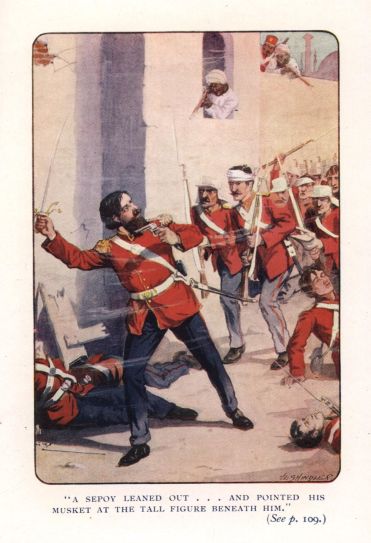
“The fire against them was intense… this terrible barrage from an unseen enemy behind wall turrets, window shutters and roof parapets checked them completely. “ The men refused to advance. Nicholson rushed to the front, his sword above his head, and turning round, he shouted, “I never thought that Europeans would quaver before heathens!” As he said the words, a bullet smashed into his ribs. A sergeant rushed forward to catch him as he fell and pulled him under the cover of a buttress. Nicholson refused to be moved until the lane had been carried. “Still the shot was pouring down on them like white-hot rain from the housetops; there was no longer the means of advancing.” Nicholson finally allowed himself to be carried back, and the command was left with Colonel Jones.
One of the first men at the scene following the explosion at the Kashmir Gate was Adjutant Richard Barter of the 75th. He saw “A number of the Enemy were lying about, eight or ten of them, hurt by the blowing in of the gate, and I polished off a gunner on the way with a back stroke of my sword as I passed him. He was making away towards the city and seemed quite bothered by what was passing around him…” Barter, who had been followed by bugler had him sound the Regimental call of the 75th – all those that could respond, assembled. As he was forming his men into companies, the 52nd burst through the Kashmir Gate.
“About half a minute after the explosion, we made a rush for the gate, the lower part of which was hidden from us by a rise in the ground…men rushed…furiously crushing through the narrow opening in the glacis. The supports, which had just come up while the powder was being laid, now joined the rear of the stormers, and closely followed by the column rushed headlong through the gate..” (Bayley)
In the ensuing chaos of men jostling and others coming in from behind, Barter found it hopeless to try to keep his regiment in order, so calling on his men to follow him and Ensign Wadeson, marched his men towards the church to find a lane that Nicholson had explained was a passage along the wall. No.3 Column that had come in through the gate was quickly reformed by Colonel Campbell, cleared the Kashmir and Water Bastions at the point of the bayonet and then set to work to fight their way through the narrow streets of Delhi to the Jamma Masjid. At their front was Theophilus Metcalfe, who was acting as their guide.
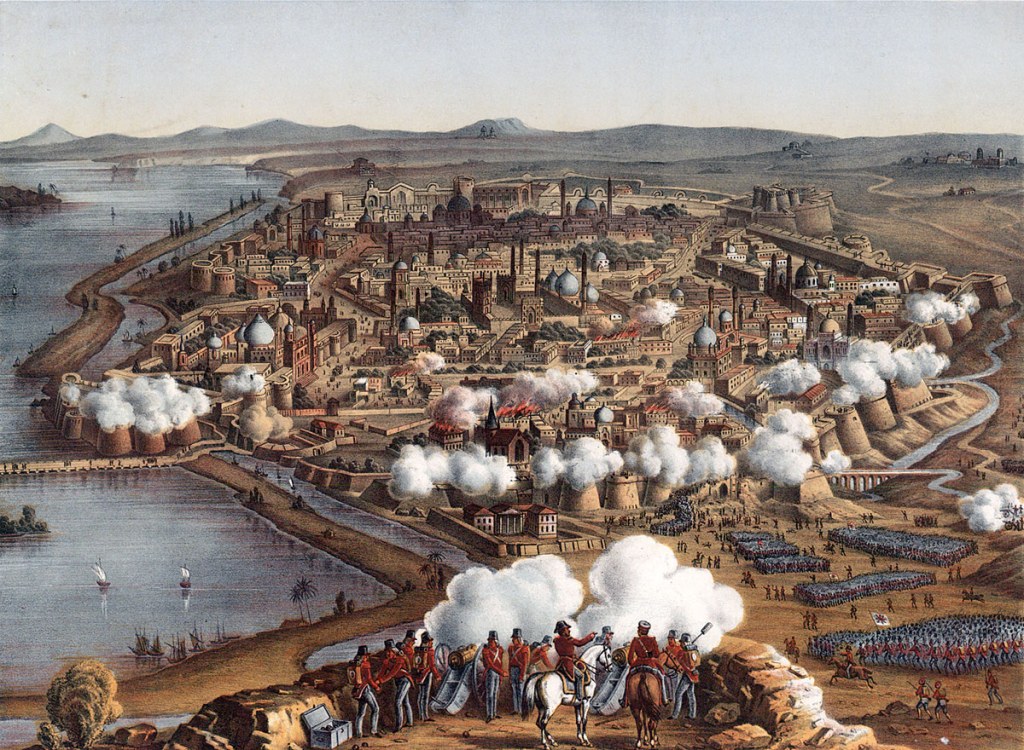
Barter and his men were not having an easy time of it. They found the walls leading to the churchyard lined with sepoys. As Barter ran round the corner towards the church, one of his men grabbed him by the collar and forced him back, “Don’t go there, Mr. Barter, ” he said, ” you will be killed.” Sure enough, the words were followed by the rattle of musketry, the bullets smashing into the wall behind him; one caught Wadeson between his shoulder blades, and he fell into Barter’s arms. Realising they had come too far, Barter pulled Wadeson to his feet, rallied his men, and they retreated back.
The passage Barter was looking for was a few yards to the rear, and on his shout, the men dashed down the dark lane. Within a few minutes, they had gained the walls where they met the remainder of the regiment and the 2nd Punjabis. Leaving Wadeson to the care of the doolie bearers, Barter took his men along the foot of the wall.“On we went, fighting every inch of the way but never coming in close quarters, the enemy firing at us from the windows of the high houses or from the walls of the gardens…The inside walls of Delhi have arched recesses about four or five feet deep into the walls, and into these, we used to rush when saw the port fires being put to the guns, which we came upon every now and again raking the road. When the storm of grape had flown past, and before they could reload, we used to take them in a rush and bayonet or shoot the gunners…”
Not far from the Mori Gate, they passed a large house seemingly empty as the blinds were closed. Suddenly, from behind the Venetians, a volley of musketry issued, and the men, on tearing aside the blinds, found it was occupied by two hundred men of an Irregular Cavalry Regiment. Barter ordered his men to take the house – they hunted the sowars from floor to floor until they met on the roof, where “sword met bayonet”, and the remaining sowars were put to death.
With the house secure, Barter and his men pushed onto the Mori Bastion. The back of the bastion had a large mound of dirt thrown over it to stop shots from the Ridge from entering the city, and the only entrance was up a flagged causeway, at the top of which was a 24-pounder gun. The sepoys notice Barter as they were facing in the other direction and busily engaging Lang and the others. By the time they realised what was happening, they only had time to greet Barter with a straggling fire before they were on them. After a short scrimmage, the Mori Bastion was won, and Barter remained behind with 30 or 40 men to secure the position. They threw the dead sepoys over the parapet into the ditch below and filled the 24-pounder with grape. They had stumbled upon a small magazine that they now intended to use for their purpose. Meanwhile, the reserve column consisting of the 2nd Bengal Fusiliers, a hundred Sikhs and Major Deacon of the 61st came up to reinforce Barter, who retired from the position at noon, leaving it under Deacon’s command. As Barter stepped out, he saw the Union Jack flying on the Kashmir Bastion – a signal to all announcing the assault had been a success.
This was not absolutely true.
Although the reserve column had succeeded in driving the rebels from the church and Skinner’s House, they were pulled up at the Magazine which was held by a strong force of insurgents who maintained a severe fire on them from the walls, turrets and the adjoining houses. Similarly, Campbell of No.3 managed to take the college grounds but was stopped at the Jama Masjid. As it was not a single column had achieved its goal. Instead of having possession of the mosque, the kotwali, the Fatehpur Mosque, the Chandni Chowk, the Lahore Gate and the Kishenganj they only had possession of the “bare city wall from the Kabul Gate to the college with a few houses in advance near the church.” There was still a long way to go.
For Lieutenant Medley, at least, the fighting was over.
“Captain T- seeing I was wounded, desired me not to go with the first column, but to stay and clear the Cashmere Gate, so as to admit the light guns which were to help with the advance. This I did after some trouble, the effects of the explosion having only brought down one-half of the gate and choked the passage with rubbish. Several dead bodies of the enemy who had perished in the explosion were lying there, scorched and smouldering, a horrible sight. The gateway quickly became thronged with artillery and ammunition passing in, and the Doolies bearing the wounded and dying streaming out – most of the sufferers quiet and insensible from loss of blood, others groaning with agony; and some came staggering up, supported by their comrades, the leaden hue of the countenance, and fixed, glazed expression of the eye, telling that they had been struck in a vital part, and had but a short time to live…”
A field hospital had been set up close to Metcalfe House, and to this, many of the wounded were first brought for a rudimentary triage before being sent off to the Ridge. Lieutenant Bayley, wounded in the arm at the taking of the Kashmir Gate, was brought there by the doolie bearers, despite his objections. He was summarily deposited just under the amputating table and watched with growing horror as the room filled up with more dhoolies, more than a hundred, each containing a wounded man. The surgeons were busily employed; above him lay a Sikh who was having his leg amputated at the thigh; next to Bayley lay a man missing the lower half of his face. The sawed-off limbs were simply thrown into a heap outside. When a surgeon finally had time to inspect Bayley’s wound, he found he could not stop the bleeding and sent him away to a hospital on the Ridge. Medley, on the other hand, managed to avoid the field hospital. He took his time leaving the city, first going to see what was going on in front, passing General Wilson who had just entered the city, map in hand trying to figure out what had not been taken. Medley then passed the church and went on towards the Magazine, where he found a heated exchange taking place between the assaulting forces and the rebels. Unable to advance past this point, Medley turned back. Finding his arm becoming increasingly sore, he walked towards the camp. As he left through the Kashmir Gate, two of his servants were pressing their way in, laden with everything for a cold breakfast and bottles of lemonade which his head servant “had dispatched after me as soon as he heard that the troops had got inside.” He quickly drank off one bottle, declaring it was the most refreshing drink he had ever had and passed the second bottle onto a wounded man whose thigh was shattered by a bullet. Medley found his horse and syce standing where he had left them four hours earlier, so he rode quietly back to camp to find a doctor. He would be the eighth engineer the surgeon had seen that day.
The first day ended in a stalemate. While the rebels continued to harass the attacking forces through what remained of daylight and through the night, they were unable to dislodge them from the city. The desultory attacks they launched on the Ridge came to nought, driven back by the artillery, cavalry and infantry, organised admirably by Daly and Chamberlain. The mutineers could not win any ground back in the city, and outside of it, the positions remained the same. Throughout the day, streams of people, mutineers and civilians alike, were seen deserting the city, fleeing out into the countryside. The British had not carried Delhi as they had intended, but the mutineers had not beat them out of it either.
Brigadier General Wilson, once again plagued with doubt and seeing only the defeats followed by the horrible death toll, had to be held in check by his staff. They argued that if Wilson left Delhi now, there would never be a chance to return. He would have to see through to the end what had been started, whether he liked it or not, for it was now too late to turn back.
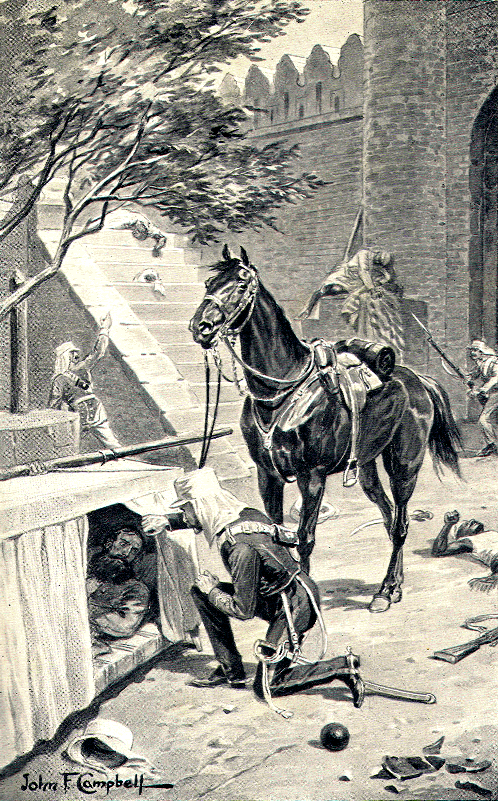
Meanwhile, a young Lieutenant Roberts found John Nicholson on the side of the road where the doolie bearers had abandoned him – one look at his pale face told Roberts the Brigadier was dying.
Sources:
A Year’s Campaigning in India – Julius George Medley (1858)
Extracts from Letters and Notes Written During the Siege of Delhi in 1857 – Sir Charles Reid (1858)
The Chaplain’s Narrative of the Siege of Delhi – John Edward Wharton Rotton, M.A. (1858)
Incidents in the Sepoy War 1857-58, Compiled from the Private Journals of General Sir Hope Grant (1873)
Reminiscences of School and Army Life, 1839-1859 – John Arthur Bayley (1875)
The History of the Bengal European Regiment – Lieut.-Colonel P.R. Innes (1885)
Kaye’s and Malleson’s History of the Indian Mutiny of 1857-58 Vol IV- edited by Colonel Malleson C.S.I. (1889)
Selections from the Despatches and other State Papers Vol I – edited by George W. Forrest, B.A. (1893)
Two Indian Campaigns – Colonel E.T. Thackeray (1896)
Old Memories – General Sir Hugh Gough (1897)
Forty-One Years in India Vol I – Field Marshal Lord Roberts (1897)
Richar Baird Smith – Colonel H.M. Vibart, R.E. (1897)
Through the Mutiny – Colonel Thomas Nicholls Walker (1907)
Memoirs of Field Marshal Sir Henry Wylie Norman – Sir William Lee-Warner K.C.S.I. (1908)
A Narrative of the Siege of Delhi – Charles John Griffiths (1910)
The Punjab and Delhi in 1857 Vol II- Rev. J. Cave-Browne M.A. (1911)
General Sir Alexander Taylor – His Times, His Friends, His Work – A. Cameron Taylor (1913)
The Red Fort – James Leasor (1956)
The Siege of Delhi -Mutiny Memories of an Old Officer – Richard Barter (London, the Folio Society, 1984)
Lahore to Lucknow – the Indian Mutiny Journal of Arthur Moffatt Lang – edited by David Blomfield (1992)
Links:
In Search of Where Nicholson was Shot: https://medium.com/@hemant-arya/in-search-where-was-brigadier-general-john-nicholson-shot-in-delhi-cc60dc9d40a6
 Mutiny Reflections