When the ladies were brought from the Satichaura Ghat, many of them were wounded, and at least 28 of them died in captivity. Cholera and dysentery raged on their numbers, which was not helped by the cramped living conditions and the poor food. A Bengali doctor was appointed to attend the ladies, and in doing so, he was able to compile a list of everyone who was at the Bibighar and ultimately perished there. The doctor was put to death on the same day as the remaining women and children. When the list was found by Havelock’s men, it was not altogether intelligible but was nevertheless published in Calcutta on the 20th of August 1857. Jonah Shepherd then added to it, according to the information he obtained through the investigations of Captain Williams.
B.
Mrs. Bell and daughter, Alpen, aged 6
Mrs. Baines and son Phillip Baines
Mrs. Battie
Mrs. Barbing
Eliza Bennett
Mrs. Berrill and daughter, Isabella (aged 14)
Mrs. Berthwick
Mrs. Brett
Miss Burn
Miss Burn
C.
Mrs. Carroll and daughter
George Caley, Master and brother, C. Caley
Mrs. Emma Elizabeth Cook(e)
Mrs. Cooper
Mrs. Copeman
Mrs. Colgan
Maria Conway
Miss Conway
James Cousins
Mrs. Crabb
D.
Mrs. D.
Mrs. Dallas
Mrs. Daly
Darling, Mrs., and infant
Dachey, Mrs., and infant
Mrs. Darby and infant — her husband, Dr. Darby was at Lucknow. He died of wounds in November and was buried at the Dilkusha Bagh.
Weston Durdan, Master
Henry, Master
Mrs. Dupton and sons Charles, William and Henry
F.
Mrs Fraser
Margaret Fitzgerald
Mary Fitzgerald
Tom Fitzgerald
Ellen Fitzgerald
John Fitzgerald
G.
J. Gill
Mrs. Gilpin, and children, Harriet, Sarah, Sam and S.
Mrs. Gillie
Mrs. Green and son Edward
Mrs. Greenway
Miss Greenway
Frederick Greenway
Martha Greenway
Jane Greenway
John Greenway
Mary Greenway
Guthrie, Master, and sister Catherine
H.
Mrs. Heathcote
Lizzie Homes
Mrs. Hill
J.
William James, Master
Mrs. Jacobi
Henry Jacobi
Lucy Jacobi
Hugh Jacobi
Mrs. Jenkins
Mrs. Jones
Mrs. Johnson
K.
Mrs. Kinlisdale and sons Henry and Willie
Grace Kirk
William Kirk
Charlotte Kirk
L.
Mrs. Leary and son James and infant, Charles
Miss Leath
James Lewis, Master
Mrs. Lindsay
Alice Lindsay
Frances Lindsay
Caroline Lindsay
Lucy Lyall
M.
Mrs. Mackenna
Mrs. MacCuller
Jervie Martindell
Mrs. Murray
Mrs. Jane Morfett
Mrs. Moore and children
N.
Arthur Newman
Charlotte Newman
Mrs. Norris
William North, Master
O.
Mrs. O’Brien
Miss O’Connor
P.
Mrs. Parrott
Mrs Peel and son George
Mrs. Peters, son James and daughter Mary
Miss Peters
Miss Peters
Harriet Pistol
Mrs. Pokeson or Pogson
Mrs. Probett
Stephen Probett
Miss Probett
Johnnie Probett
Nellie Probett
Emma Probett
Louisa Probett
R.
Mrs. Raselier
Mrs. Reid and children, James, Julia, Charles, C. and infant
Mrs. Russell and daughter Eliza
S.
Mrs. Saunders and son William
Eliza Sanporo
Mrs. Seppings and sons John and Edward
Henry Simpson
Mrs, Scott
Miss Sinclair
Mrs. Sheridan, son William and infant
Lucy Stoke
William Stoke
T.
Mrs. Tibbetts
Mrs. Twoomy
W.
Mrs. Walker and son Daniel
Miss Wallet
Emma Weston
George Weston
Elizabeth West and two children
Mrs. Wheelan and two children
Mrs. White
Miss Isabella White
Widlep, Catherine, Jane, and Thomas
Henry Williams
Miss Fanny Williams
Mrs. Willis and child
Mrs. Wooler and children Tommy and Susan
Mrs Wrixon and children, Clara Lucy and Edmond
Two ayahs
THE FATEHGARH FUGITIVES
These were the survivors of the last boat that managed to escape Fatehgarh in early July and then surrendered to the Nana’s troops at Bithur. Colonel Goldie, Colonel Smith and Mr. Thornhill were the only men who were kept prisoner by the Nana — the rest were killed. The last men from Fatehgarh were kept in a separate outbuilding at the Bibighar, along with Mr. Greenway and his son.
Mrs. Copeland
Mrs. Fatman
Mrs. Gibbons
Colonel Goldie
Mrs. Goldie and daughters and Eliza and Mary
Mrs. Guthrie
Mrs. Heathcote
Miss Lang
Mrs Lewis and daughters, Emma and Eliza
Godfrey Lloyd
Baby Lloyd
Mrs. Lupin
Mrs. Maltby
Mrs. Reen and daughters Mary, Catherine, Eliza, Lucy,Jane, Dina and Emilia
Mrs. Rees and daughter Jane
Mrs. Roche and children
Mrs. Seth
Colonel Smith
Mrs. Smith, and two children
Mr. Thornhill
Mrs. Thornhill and children Charles and Mary
Mrs. Thompson
Mrs. Tucker
Miss Tucker
Louisa Tucker
George Tucker
L. Tucker
Mrs. West
Mrs. Woolyar and sons Charles and Thomas
Mrs. Yatman
Three Ayahs
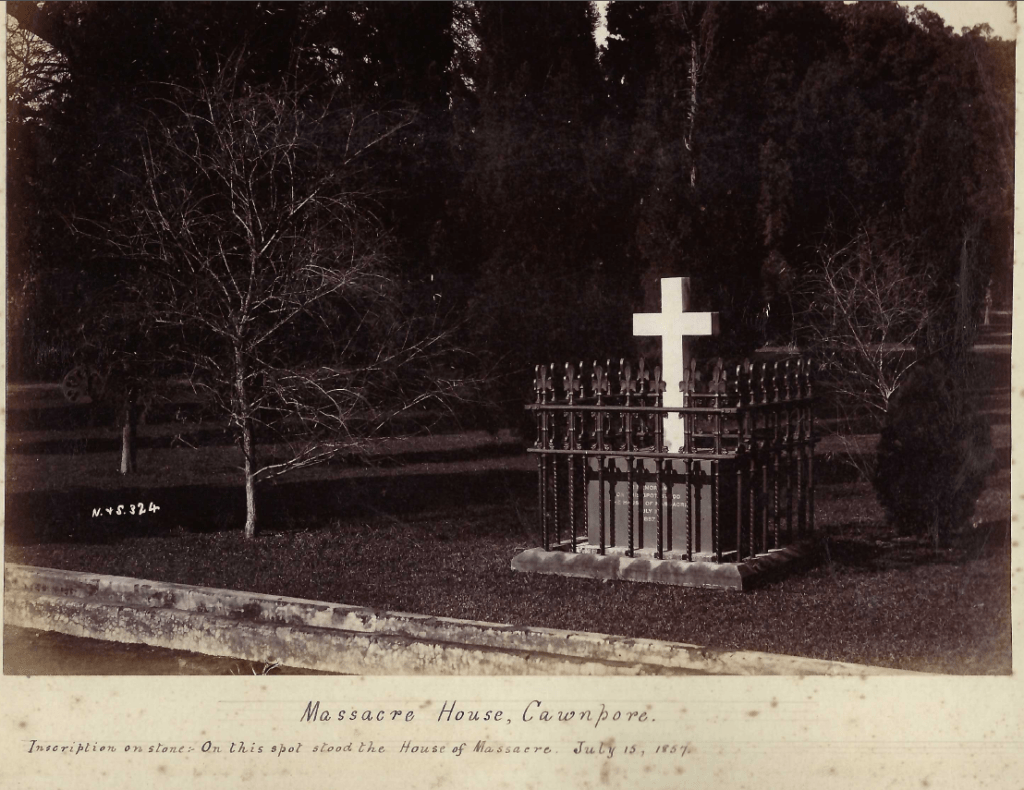
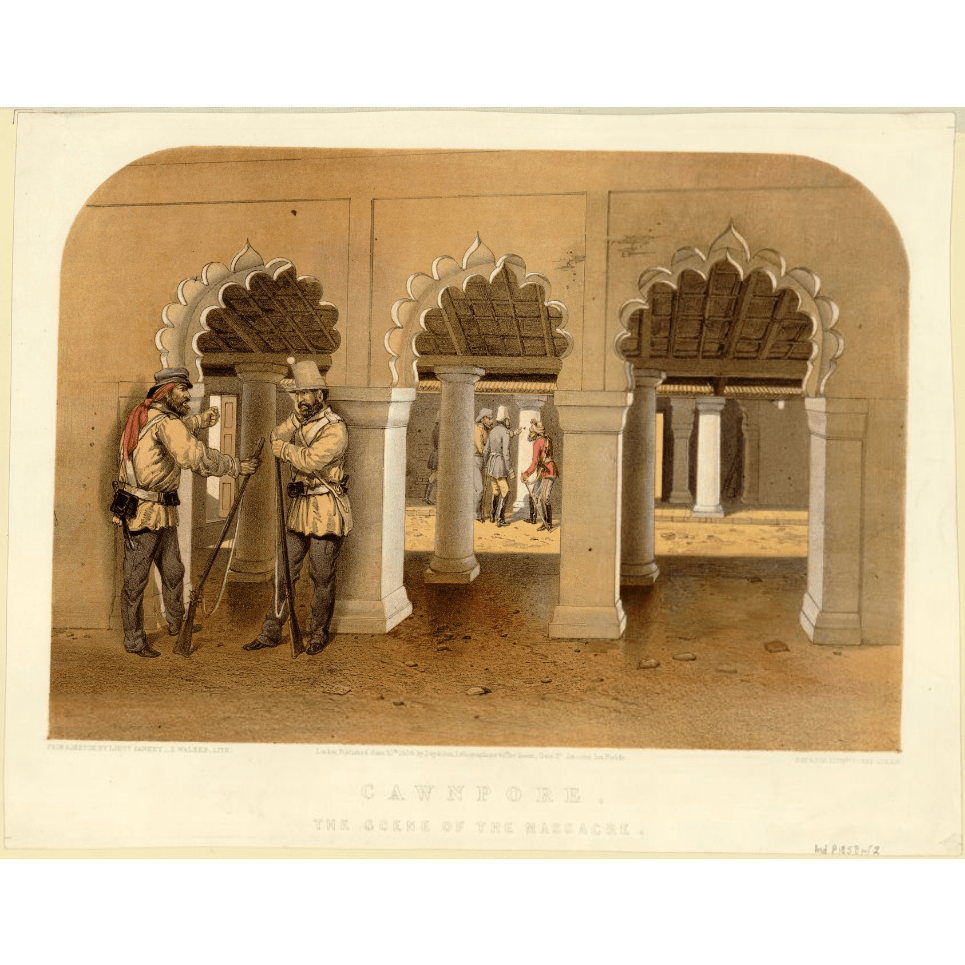
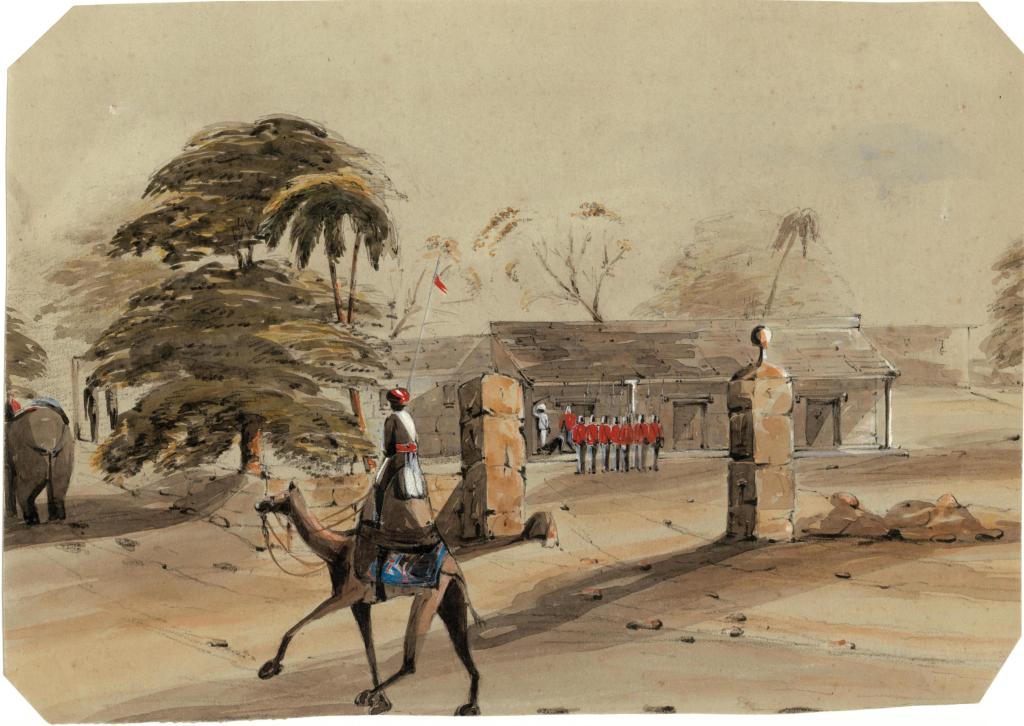
“ The three gentlemen from Futtehgurh, with Mr. Edward Greenway and his son Thomas, were told that the Nana required their attendance, and as they left the prison house to meet their fate elsewhere, appear to have been perfectly composed, even though they surmised that death awaited them (which alas ! to those thus situated must have ever been present), for their lips moved as if in prayer. There is clear evidence of their having been shot by the mutineers at about 5 p.m. near the wall of the Commissariat godown, Mr. Greenway being the last to fall.”
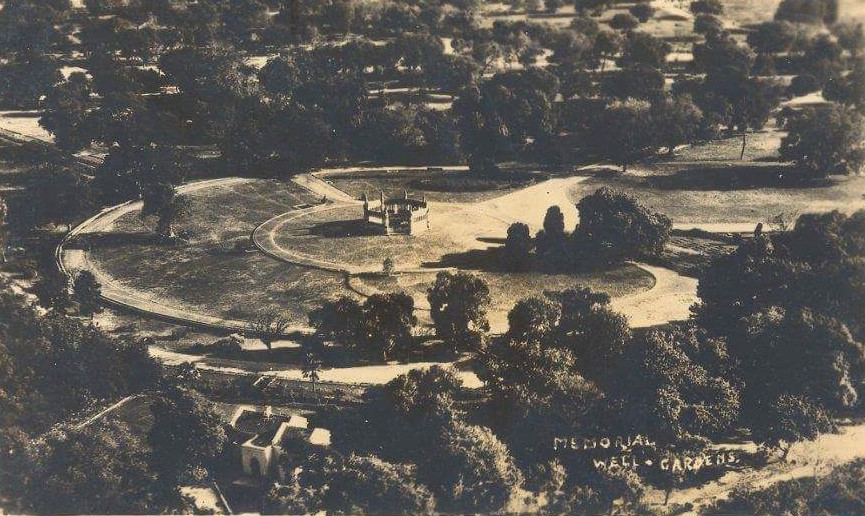
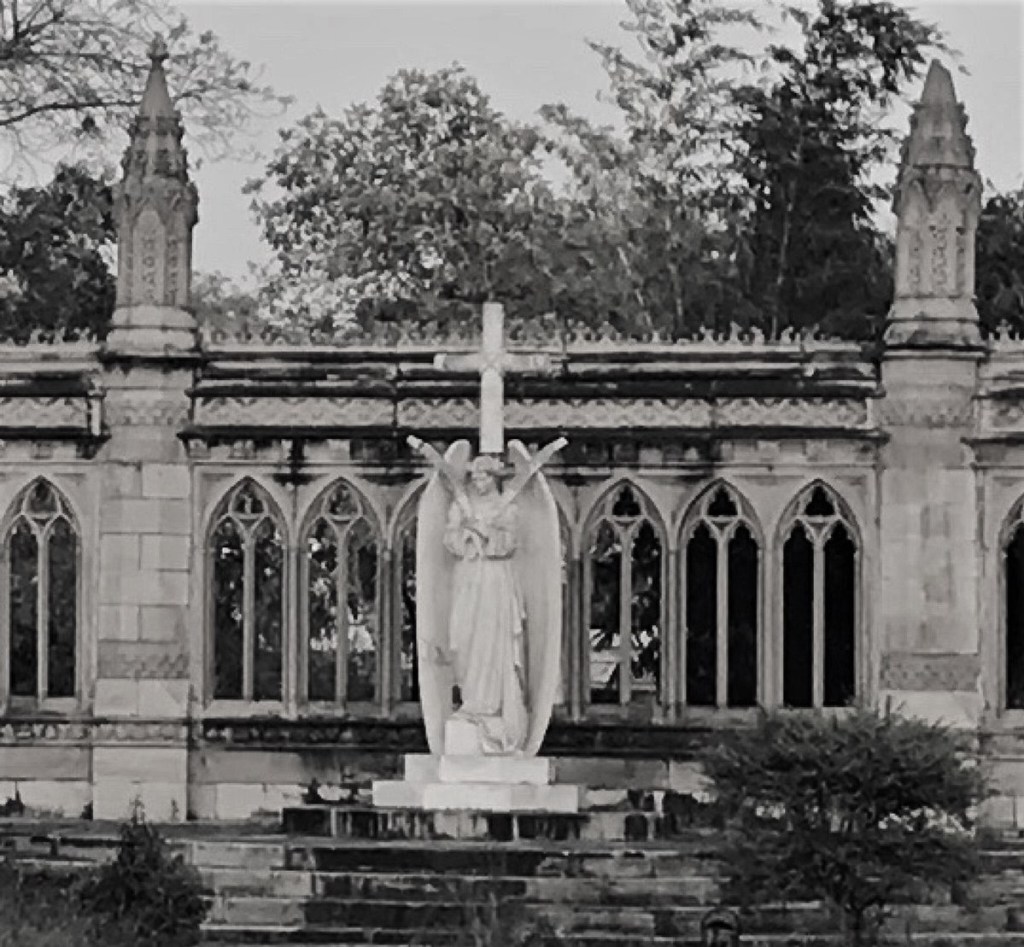
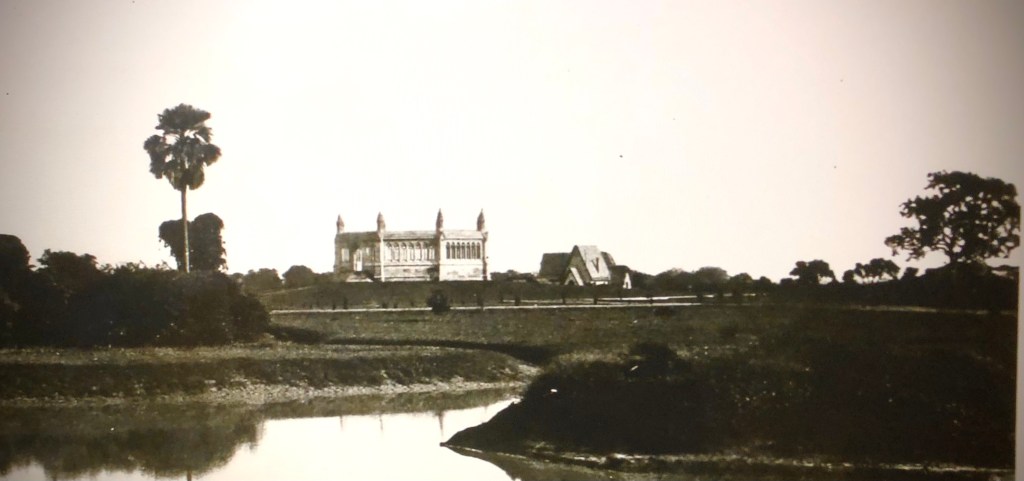
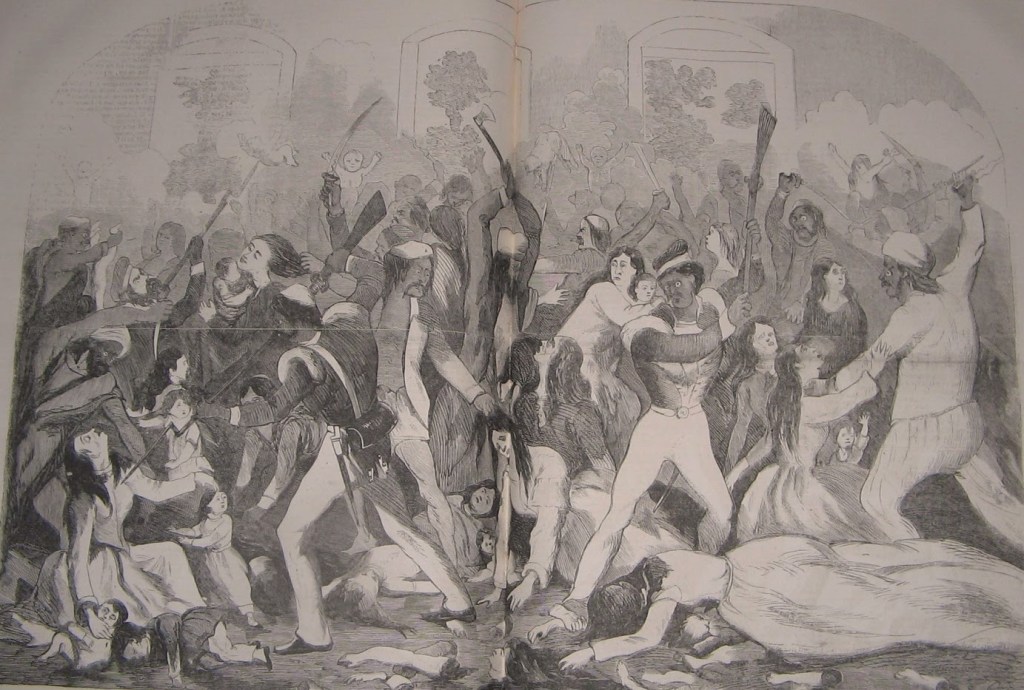
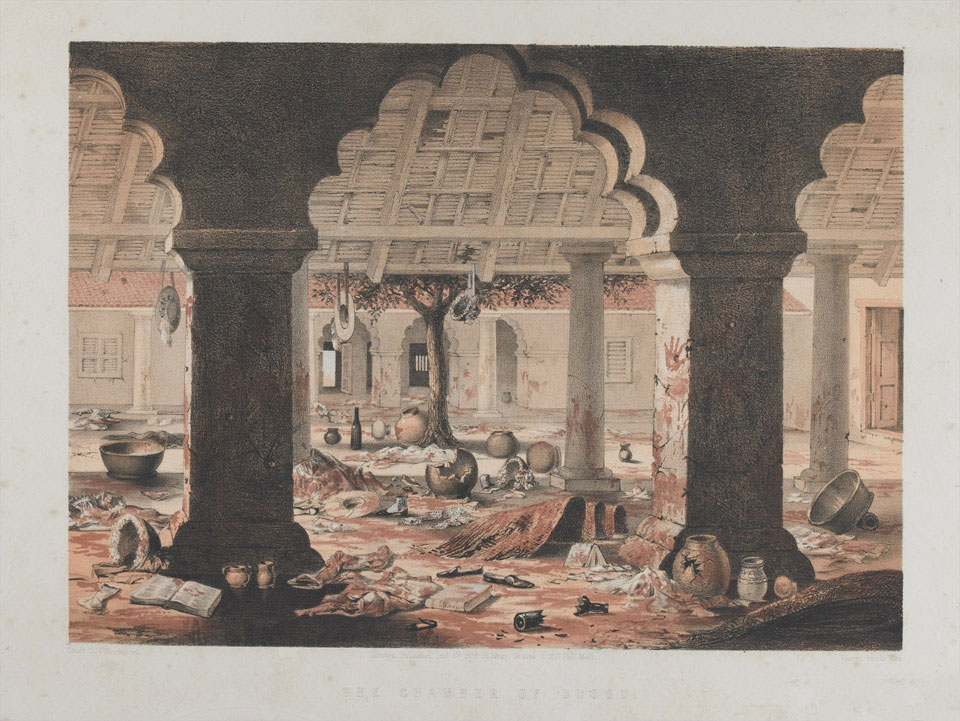
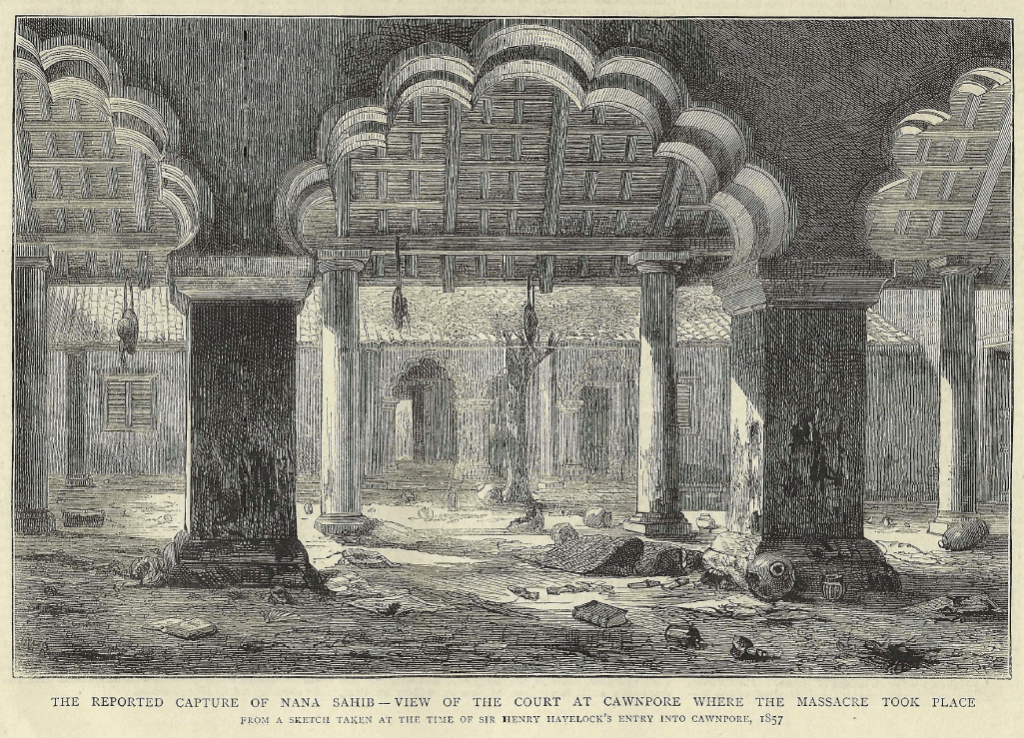
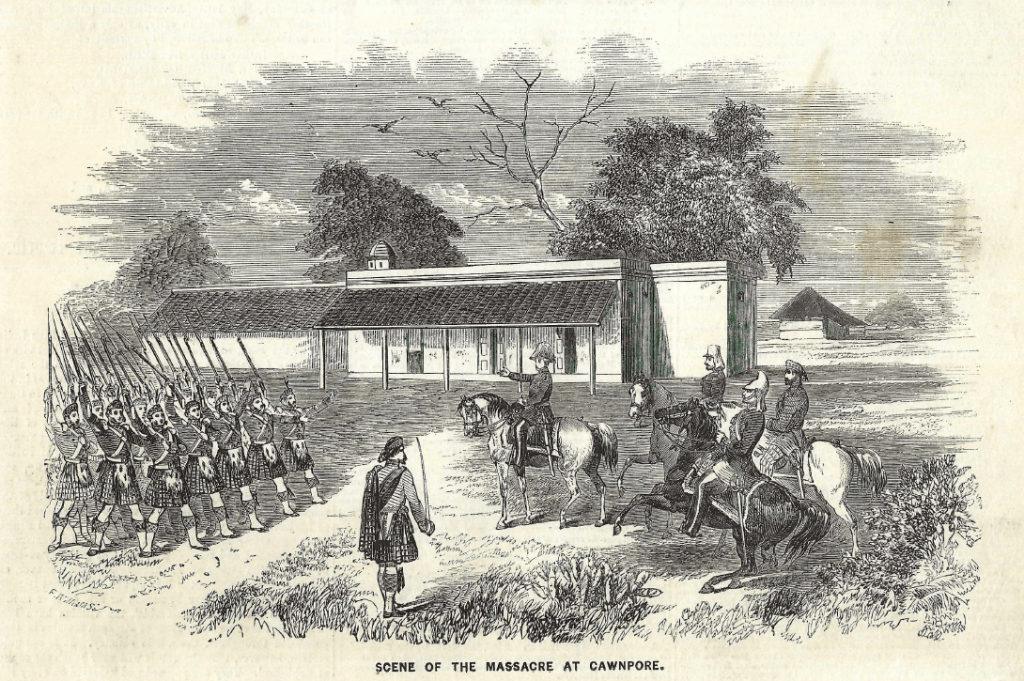
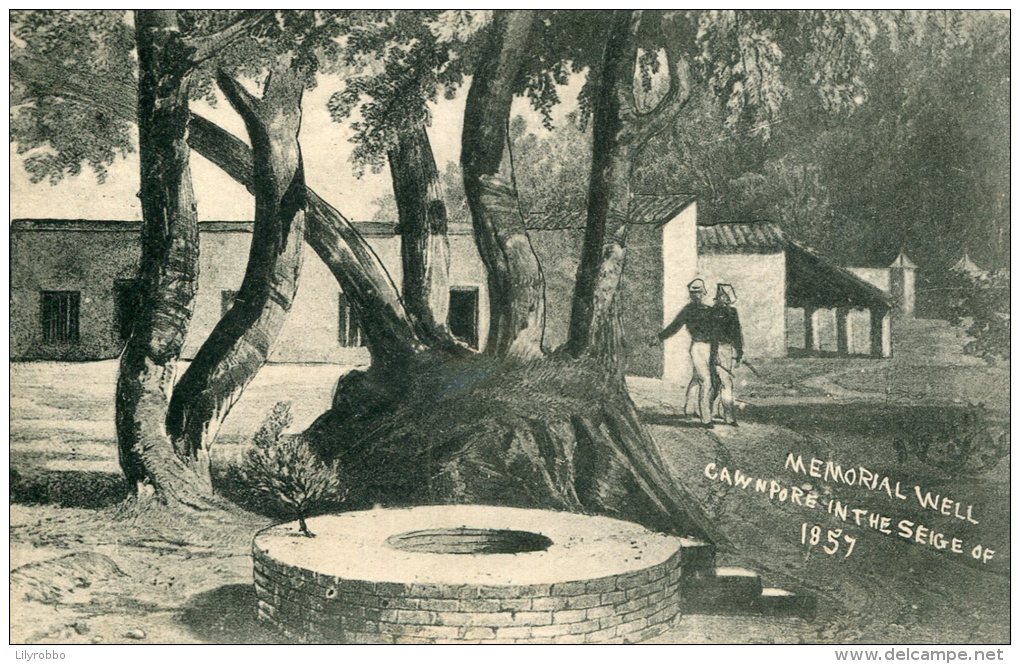
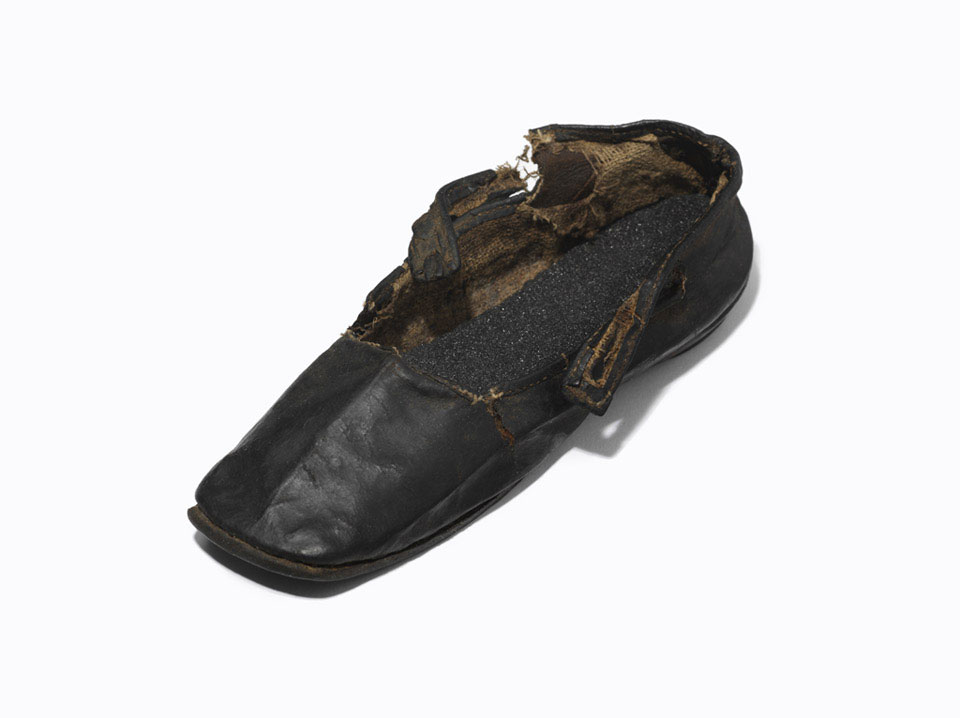
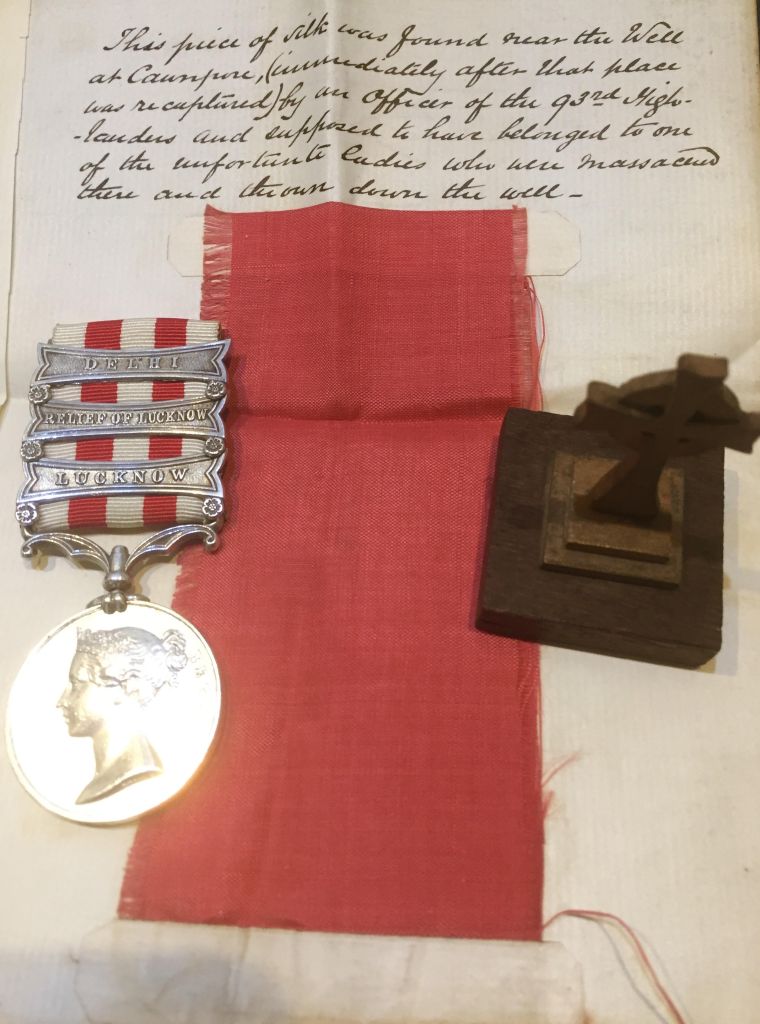
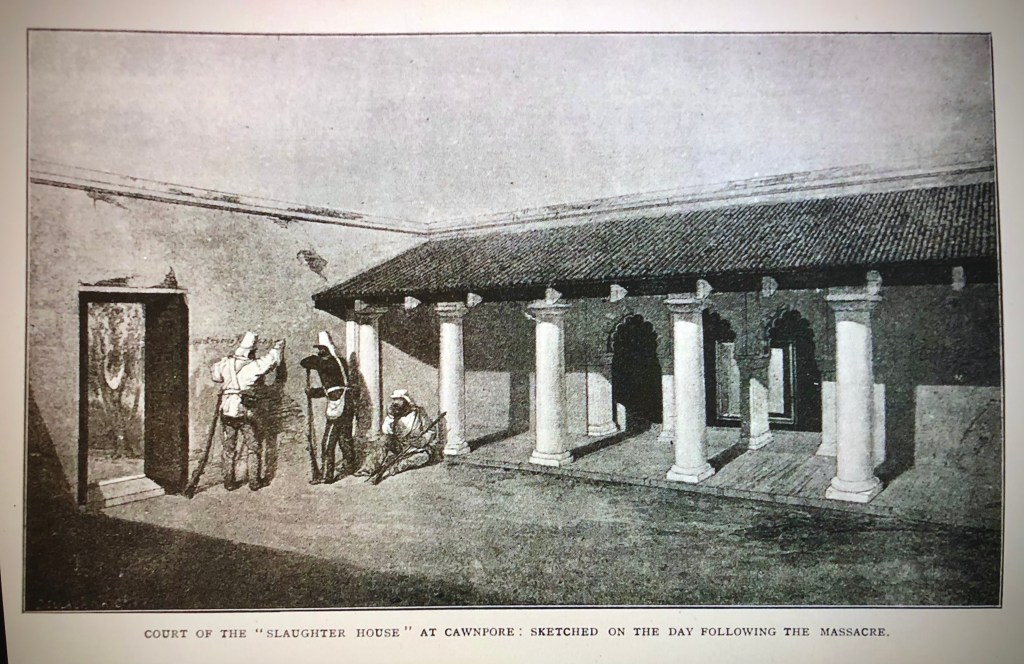
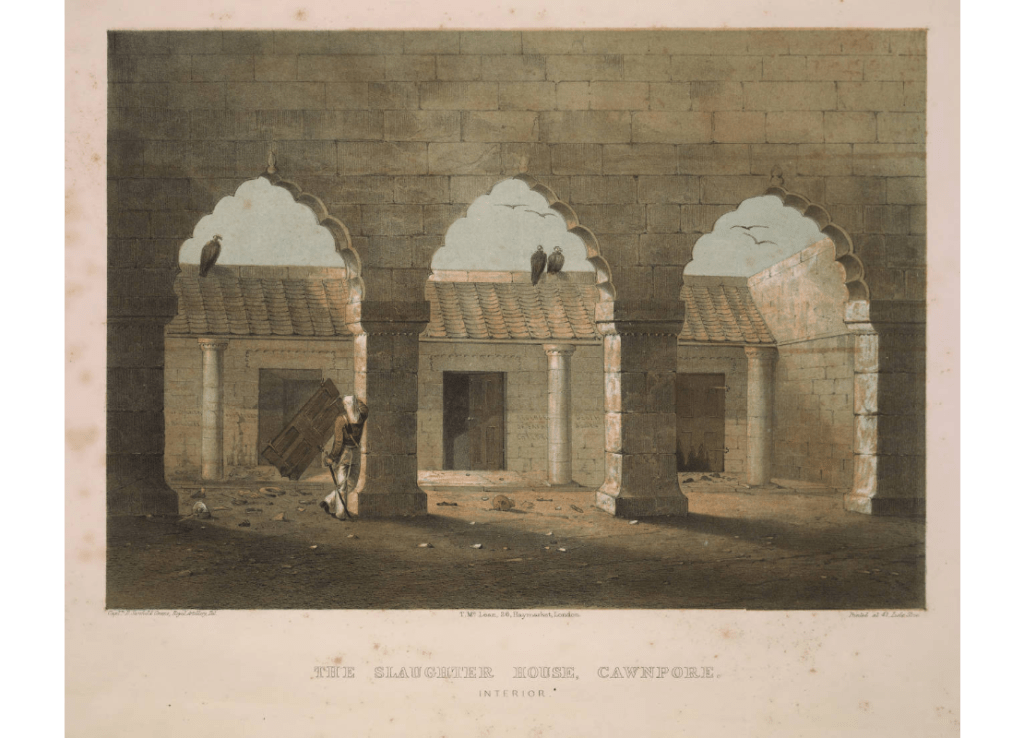
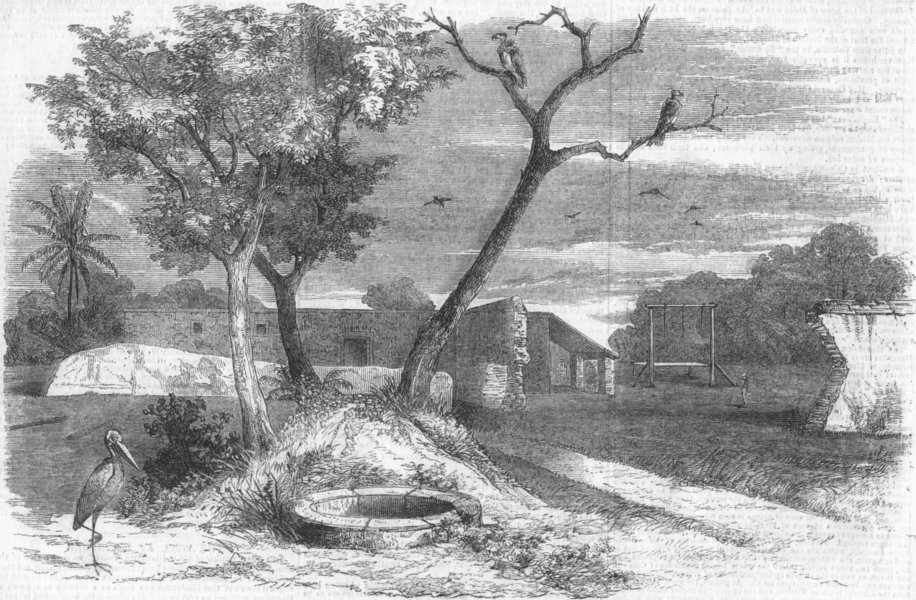
“The native spies were first put to the sword, and after that the gentlemen were brought out from the out-buildings in which they were confined, and were shot; then the cook and sweeper-women who attended upon the prisoners, after whom the poor females were ordered to come out, but neither threats nor persuasion could induce them to do so. They laid hold of each other by dozens, and clung so close that it was impossible to separate, or drag them out of the building. The sepoys therefore brought their muskets and fired a few shots upon them from the doors and windows, then the executioners rushed in with swords, and commenced hacking down the poor helpless and unoffending creatures. The fearful deed was done most deliberately and completely in the midst of the most dreadful shrieks and cries of the victims. There were about 200 souls, including children, and from a little before sunset till dark the fiends were occupied in completing the dreadful deed. The doors of the building were then locked for the night, and the murderers went to their homes; next morning it was found, on opening the doors, that some six or eight females with a few of the children had managed to escape death. A fresh order was sent to murder these also, but some of the survivors who had not been severely wounded, unable to bear the idea of being cut down, rushed out into the compound, and, seeing a well there, threw themselves into it without hesitation, thus putting a period to lives it was impossible for them to save. The bodies of those murdered on the preceding evening — some still breathing — were then ordered to be thrown into the same well, and jullads were employed to drag them away. The innocent children who survived the previous evening’s massacre, kept running here and there to save themselves, the ruffians allowing them to do so for some time, till five or six fellows posted themselves behind the building at one of the corners, and the unfortunate innocents were desired by the others to go and hide themselves there; the terror-stricken children did so, not suspecting any danger, and as they went one after another they were cut down. I am told that these blood-thirsty hounds gloried much on that occasion in their skill in taking the head clean off at one stroke.” (The story of the Bibighar Massacre, as related to Jonah Shepherd)
 Mutiny Reflections