Reading the article, as I did in 2022, my heart did beat a little for joy. The Residency cemetery had been in terrible shape on my last visit in 2016 and if nothing was done it would only get worse. Graves were crumbling, vandalism was rampant, the garbage was unsightly and the long grass was impossible to get through. Something had to be done.
Unfortunately, sometimes leaving well alone might have been better after all, as we shall see.
First for a little history.
Located in the grounds of the Residency grounds in Lucknow, St. Mary’s Church was constructed in 1810 and could seat as many as 130 worshippers. Built in Gothic style complete with twenty steeples and a cross above its north-facing entrance, St. Mary’s was the third Christian church built by the British in the country and the first in Northern India. The last service held in the church was in May 1857.
That fateful year put an end to its short history. Converted into a granary during the Siege, the church was in such an exposed location it was practically impossible to defend the position with any success and a lack of manpower made holding it for long impractical. The grain was eventually moved out of the church through a breach east wall of the chancel and the church was abandoned as a functioning military post. Like the other buildings in the Residency grounds, St. Mary’s was, over the next 6 months battered to dust by the constant shot and shell directed at its walls.
The last two men of the cloth to preach from St. Mary’s pulpit were the Reverend Henry Steadman Polehampton who had arrived in Lucknow with his wife in late March 1856 and the other was Reverend Harris who arrived in March 1857. Harris was not meant to be in Lucknow – he had been assigned to minister to a church in the hills, but since his posting was delayed until the winter he was sent to Lucknow to help out Polehampton with his ever-increasing duties.
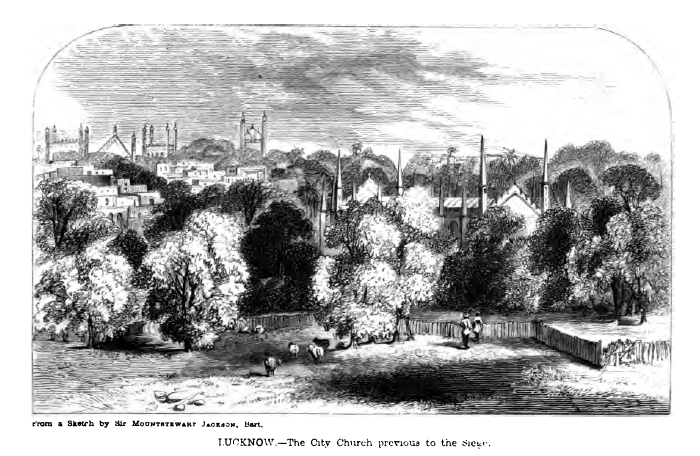
Although pleased with the congregation, some 2000 strong, Polehampton was, from the start, a little disappointed with St. Mary’s.“…it is by no means ugly, though not a correct church. I regret to say that the east window is a sham; perhaps I shall have it opened someday, and what look like aisles on each side are used as verandahs…”
Reverend Harris held the last service at St. Mary’s on the 24th of May 1857. During the service, gunshots could be heard in the distance prompting several officers to leave but Reverend Harris continued his sermon undaunted believing the whole time that the long-expected outbreak had finally broken over Lucknow and this was their last hour on earth. It turned out to be a false alarm.
Whatever the improvements were that Polehampton planned, they would never come to fruition. On the 27th of May, the first provisions were stored in the church and in June 1857 the church was filled up with grain in preparation for a siege. Lieutenant Ruggles would describe the scene:
“It was not at all nice work, having to pull everything to pieces the pews, pulpit, everything had to come away but it had to be done, and when all was clear the whole space inside was filled with sacks of grain.” (Ruggles, p 49) The top of the church was subsequently barricaded and would be used to shoot from.
He would then superintend the granary during the Siege, given the task of giving out the grain as needed.
“Day by day the poor little church was getting smaller and smaller. Round shot had taken off all the ornamental finials on the roof, and there were great breaches in the walls, it only just lasted as long as the the grain…” (Ruggles 52)
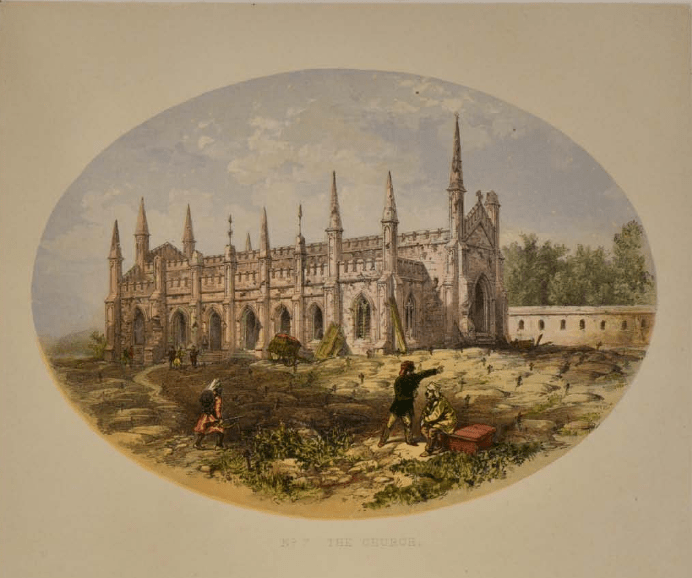
The first burials at St. Mary’s Churchyard were those of the men killed on the 30th of May in the uprising in the Marion Cantonment. Before the siege was over nearly 2000 people would find their grave here. Over one hundred of them alone were buried in a mass grave which today is enclosed by a very low wall on which is inscribed:
“Within This Enclosure are buried the Remains of over One Hundred of the Brave Defenders of the Residency who were killed during the early part of the Siege. Their names are not recorded.”
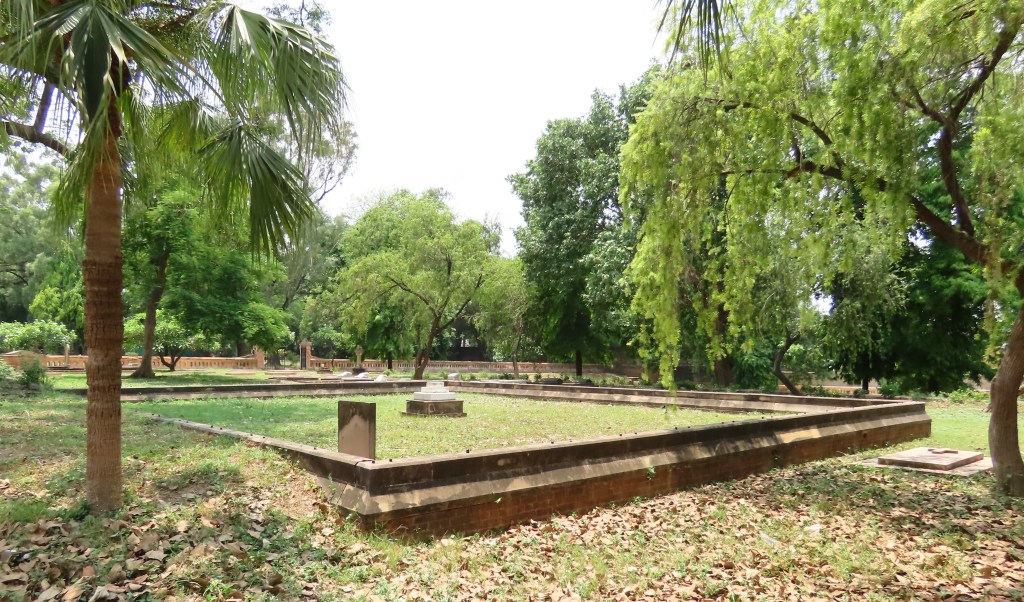
The grave within the enclosure is of Catherine Hill the wife of Sergeant E. Hill of the Royal Artillery. She died in 1873 at the Maachi Bawan. The grave further states she was one of the besieged with 5 of her children in the Bailey Guard during the mutiny of 1857. During the siege, she was Mrs. Barrett, married to a man of the uncovenanted services. Widowed during the siege, she married Edward Hill in 1859.
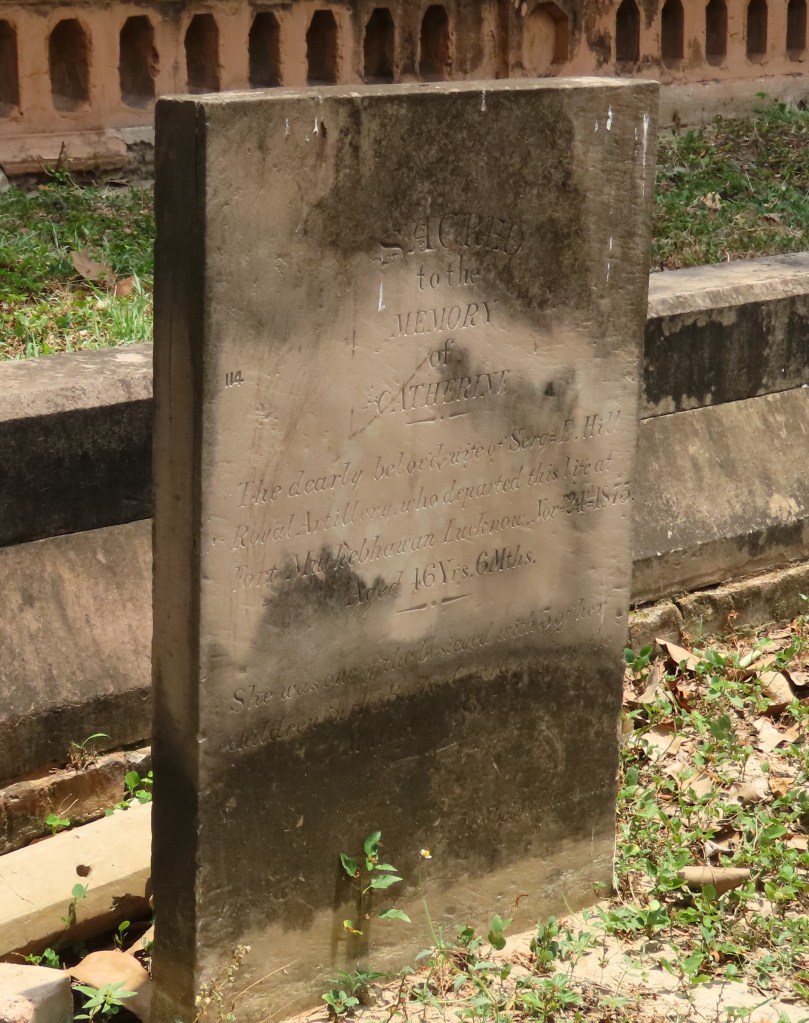
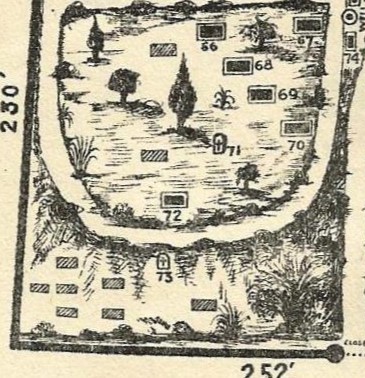
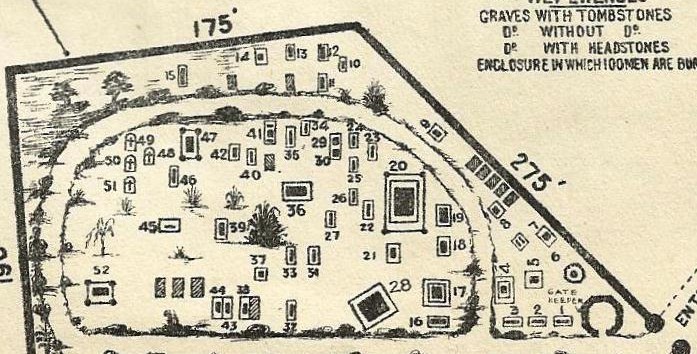
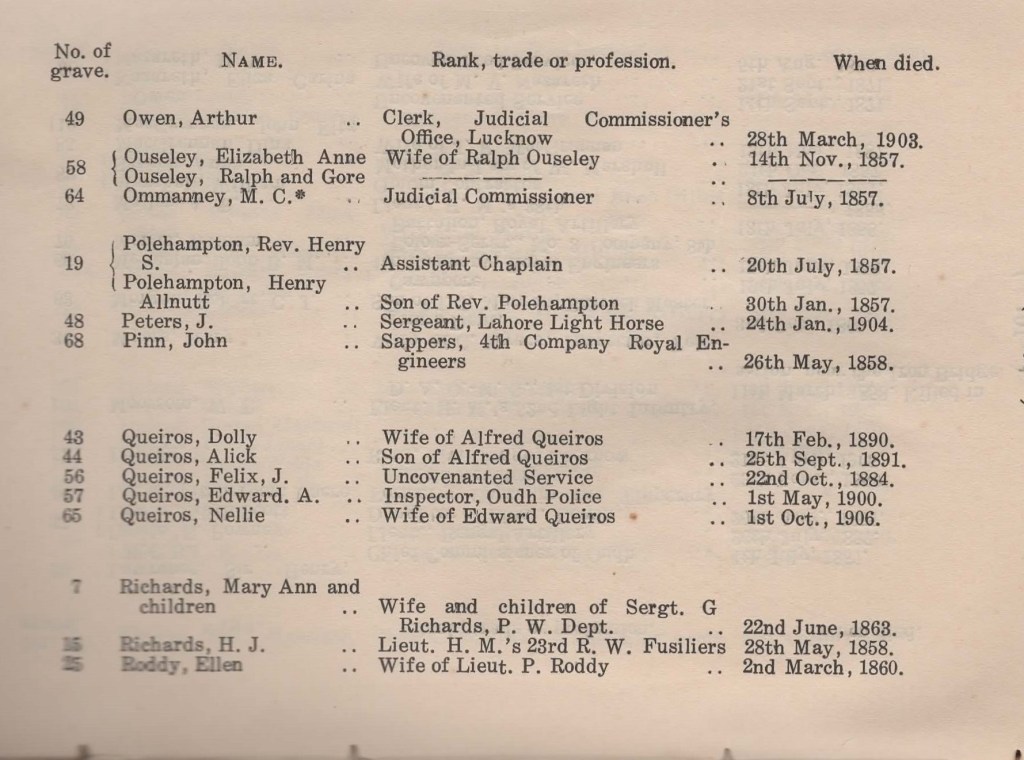
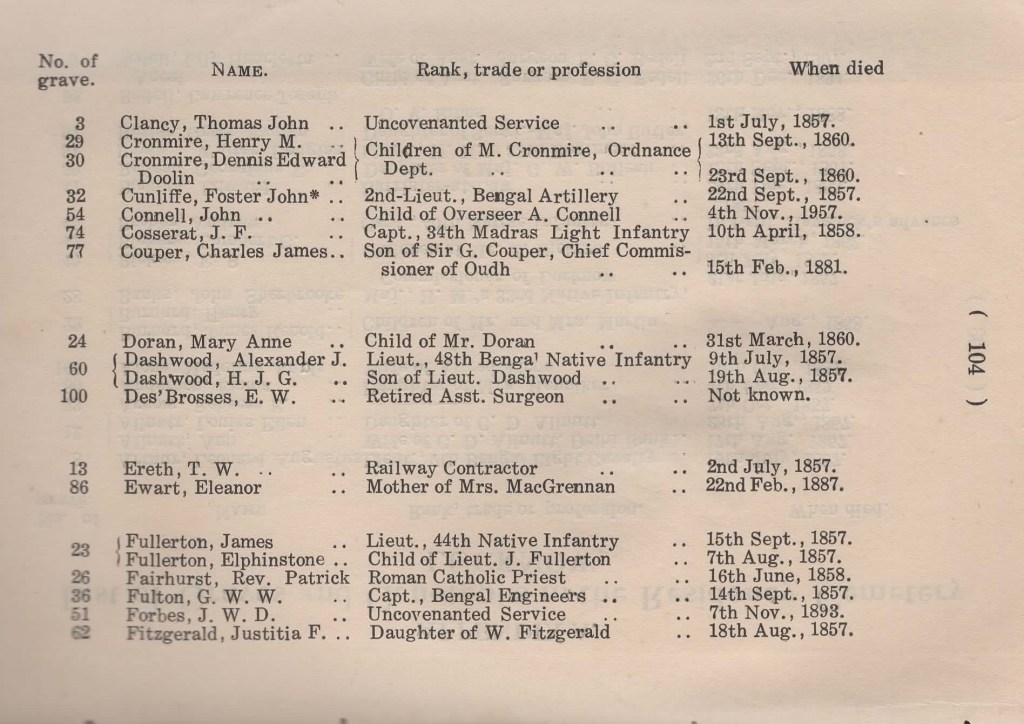
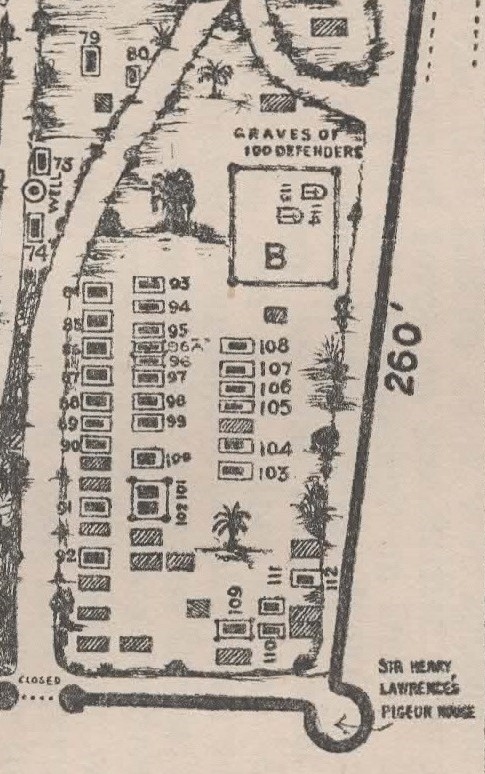
An astute observer will notice that on the gravestone is etched the number 114. This is by far not random and corresponds to the list given in that stalwart guidebook, “Hilton’s Guide to Lucknow and the Residency.”
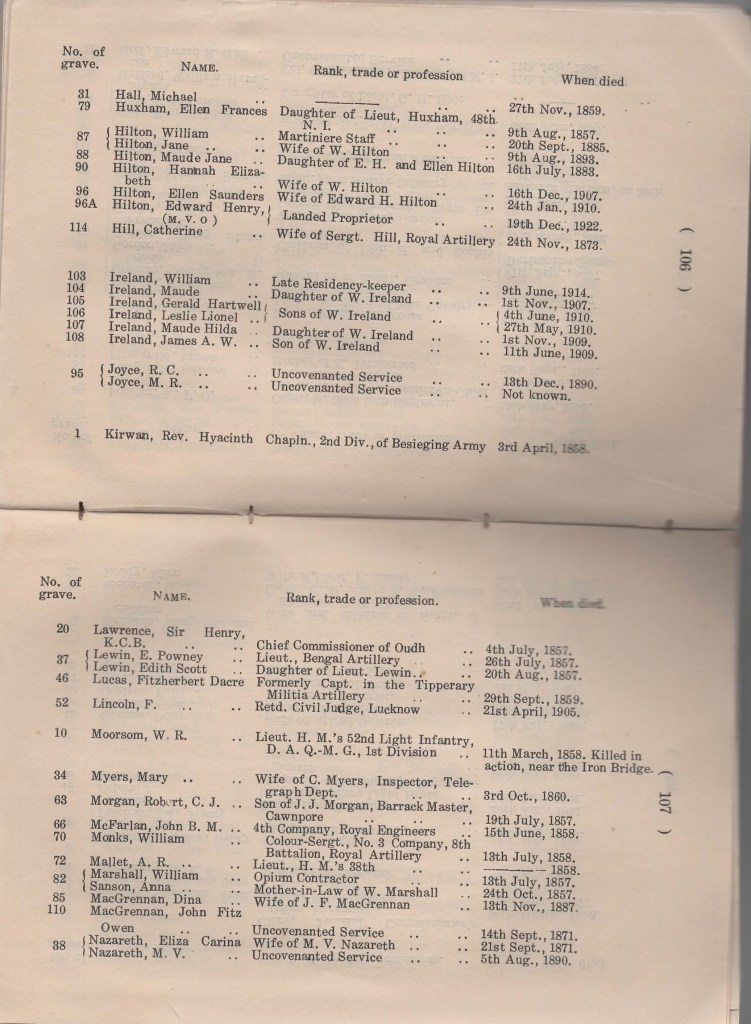
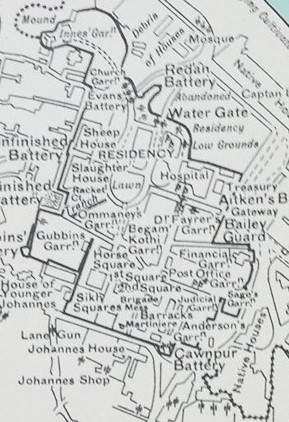
This edition, published in 1934 by the Lucknow Publishing House, it was written by none other than Edward Hilton, who as a pupil of Martiniere College, took an active part in the defence of the Residency in 1857, seeing service at Martiniere Post. Hilton died in 1922 so this edition of the book was published a full 12 years after his death and includes not only a map of the Lucknow Residency Cemetery but a list of the names of those buried there and their corresponding number.
The original book was called
“A Tourist’s Guide to Lucknow in Five Parts By One of the Beleaguered Garrison” and was first published in 1891. None of the online editions of the book have the map included, which is of course a shame and finding an original book is the proverbial needle in the haystack. Since 2021 The Naval and Military Press have started printing the book on demand but make no mention of the cemetery plan.
So why is this map important?
The fact that this map exists and the graves which are drawn on it are numbered in the same manner as that of Catherine Hill leaves little excuse for what has happened at the Residency Cemetery in our modern enlightened times. From here on, we will embark on an investigation that spans nearly a decade.
The Map
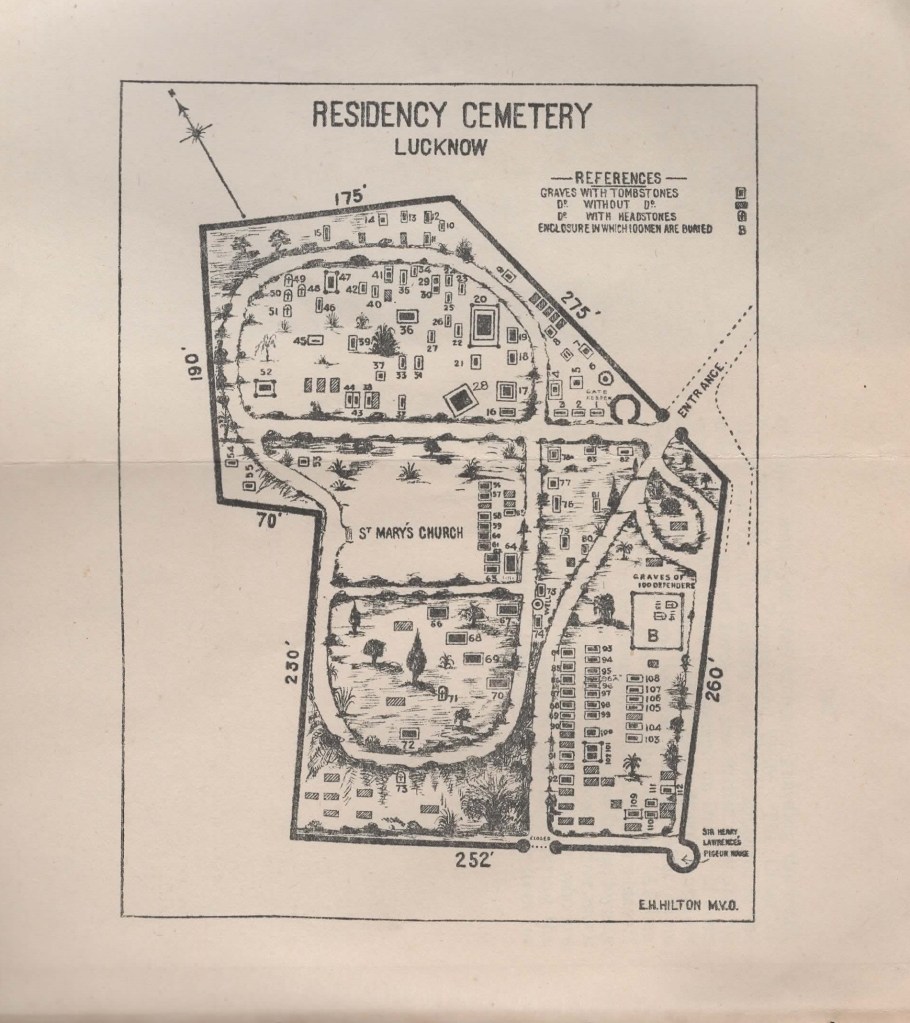
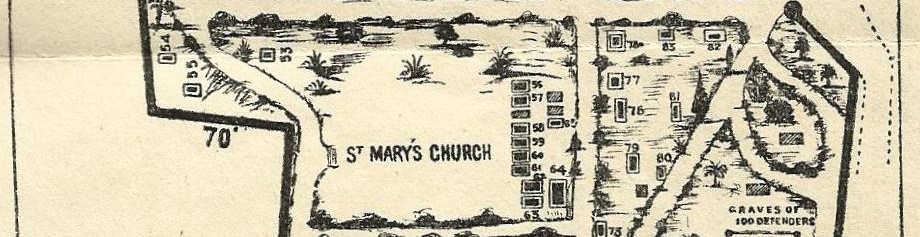
The map was drawn by Edward Hilton according to a list of graves. As his own grave is on the map with the corresponding number, it is difficult to say, without seeing the original 1891 map, if he already knew where he would be buried or for that matter where his wife and sister would be interred, or if these were added at a later date. Needless to say, the map ends with Hilton’s death and the grave of Mr. Lincoln’s son who died in 1934 is neither drawn on it nor mentioned in his list. As Hilton is buried with the rest of his family, it is likely the plot had been reserved by him well before he died.
Because this map exists, we can say with certainty which graves had tombstones or headstones, and which did not. It further gives us the precise location of each grave. However, it seems Hilton did not take into account that the occupants, with time might become restless and simply pick up their stones and move off to a more agreeable location or perhaps become so bored with Lucknow that they left altogether. I am being facetious at this point but with good reason.
Vandalism is one reason why many graves in the Lucknow Residency are in the shape they are in or are no longer visible. Some of this could also be put down to the harshness of the climate which led to gradual decay and of course, decades of neglect. Unfortunately, one so-called crime committed at the cemetery is of a different kind and that is wilful ignorance.
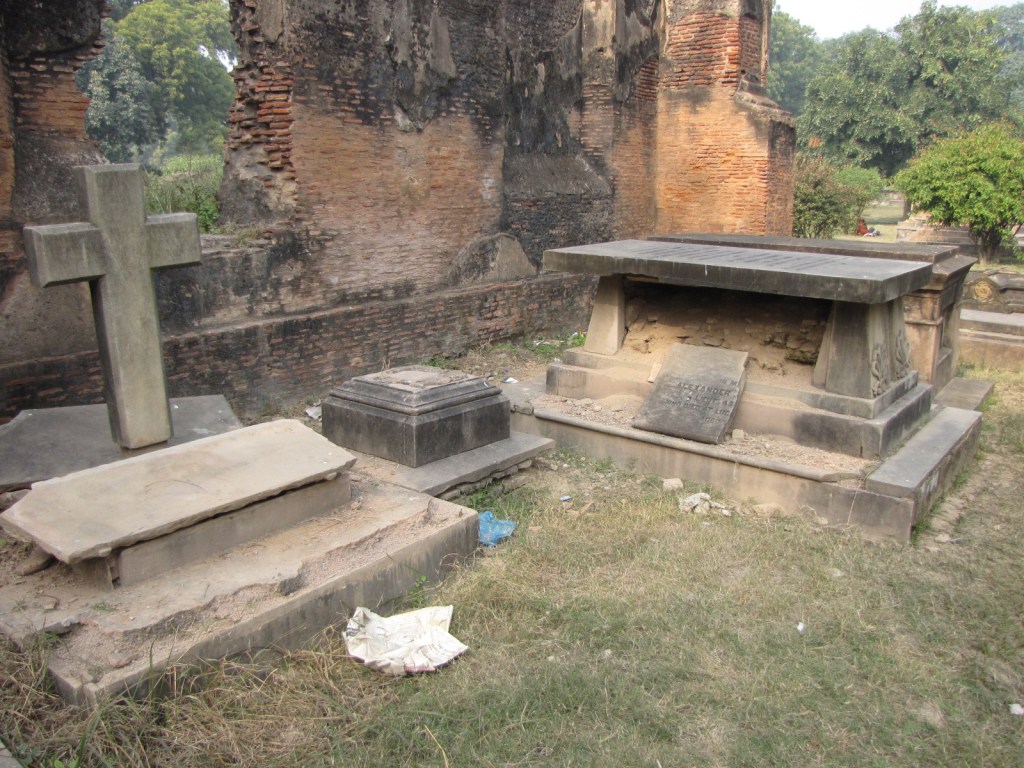
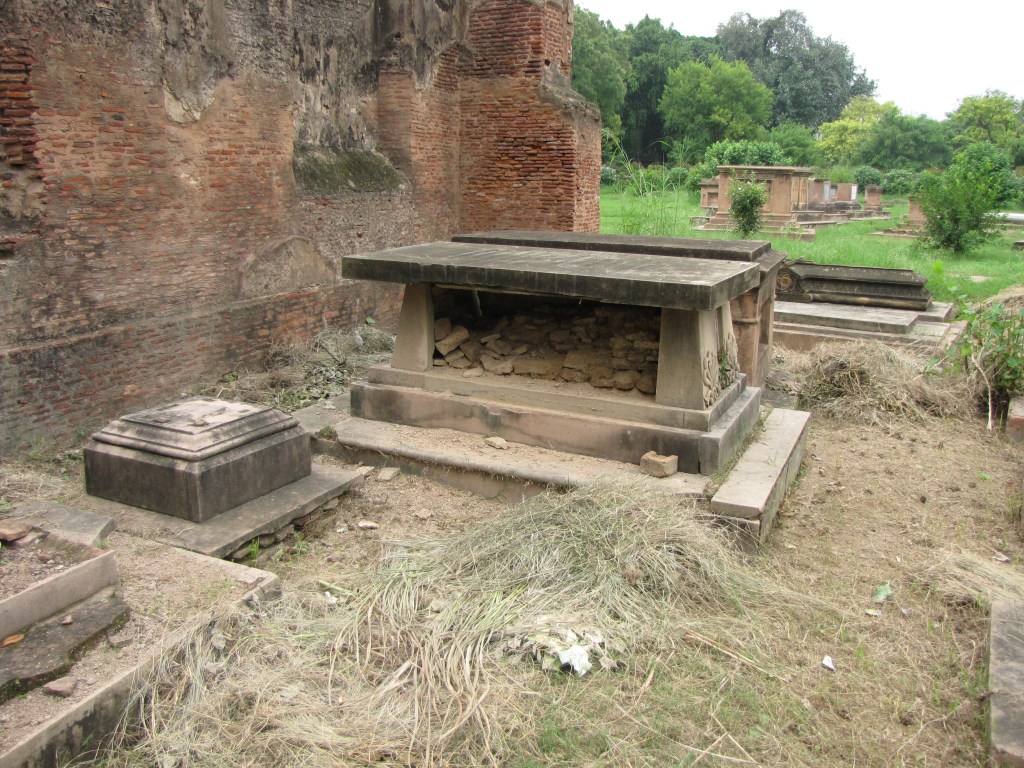
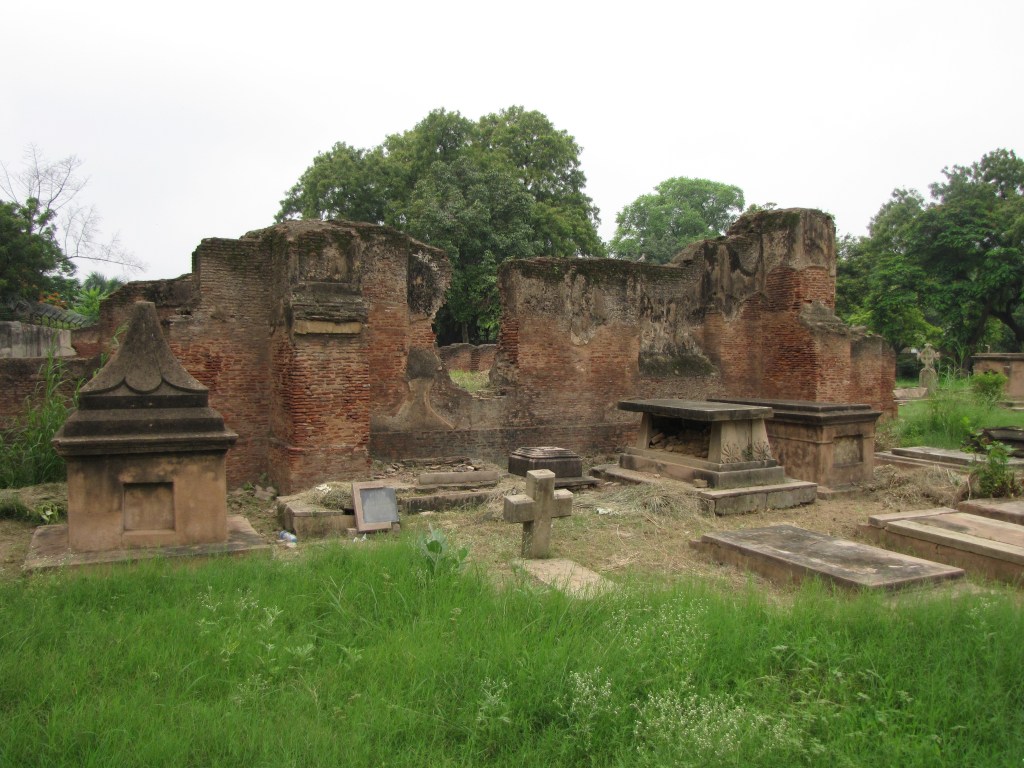
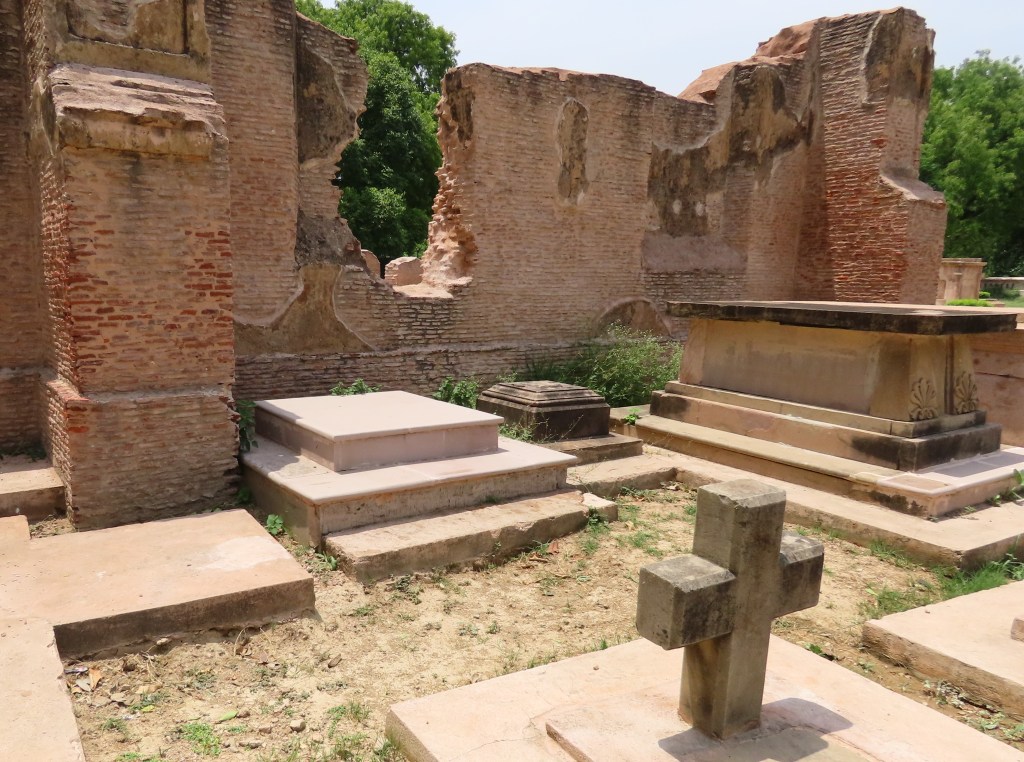
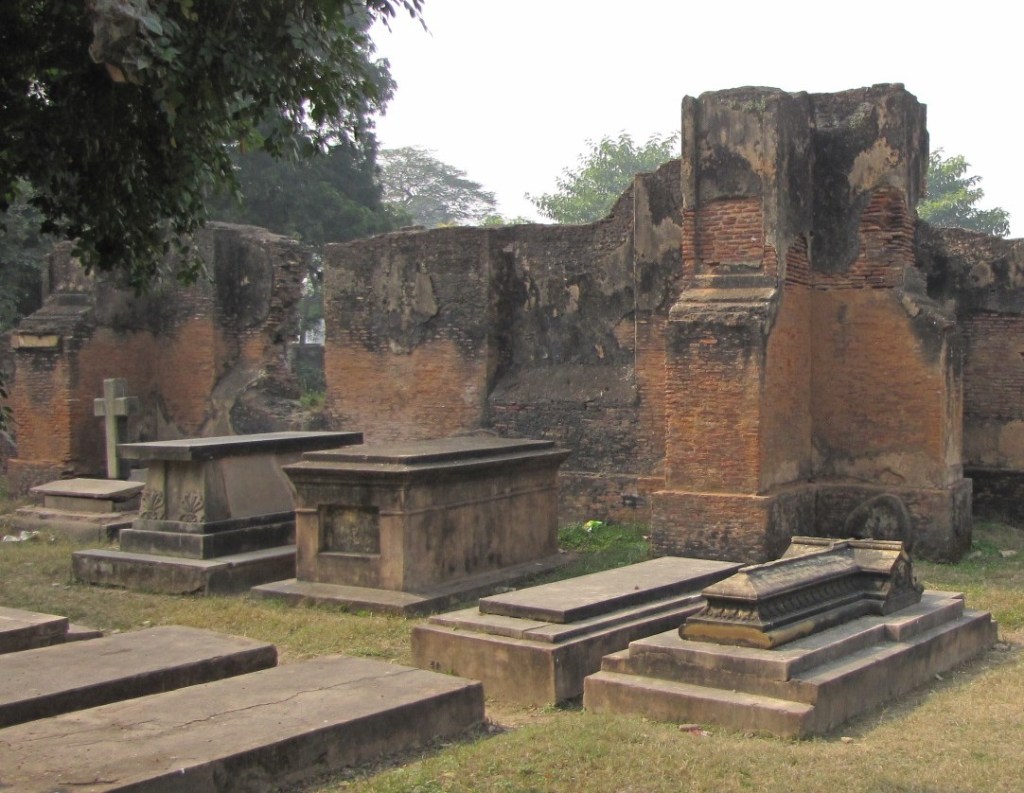
When I say the graves have developed legs and taken a stroll I am saying this with absolute seriousness. We will start with a picture I took in 2011 and then in 2016, of the same area.
And again in 2023.
And now we will move on to the picture I took in June, 2023
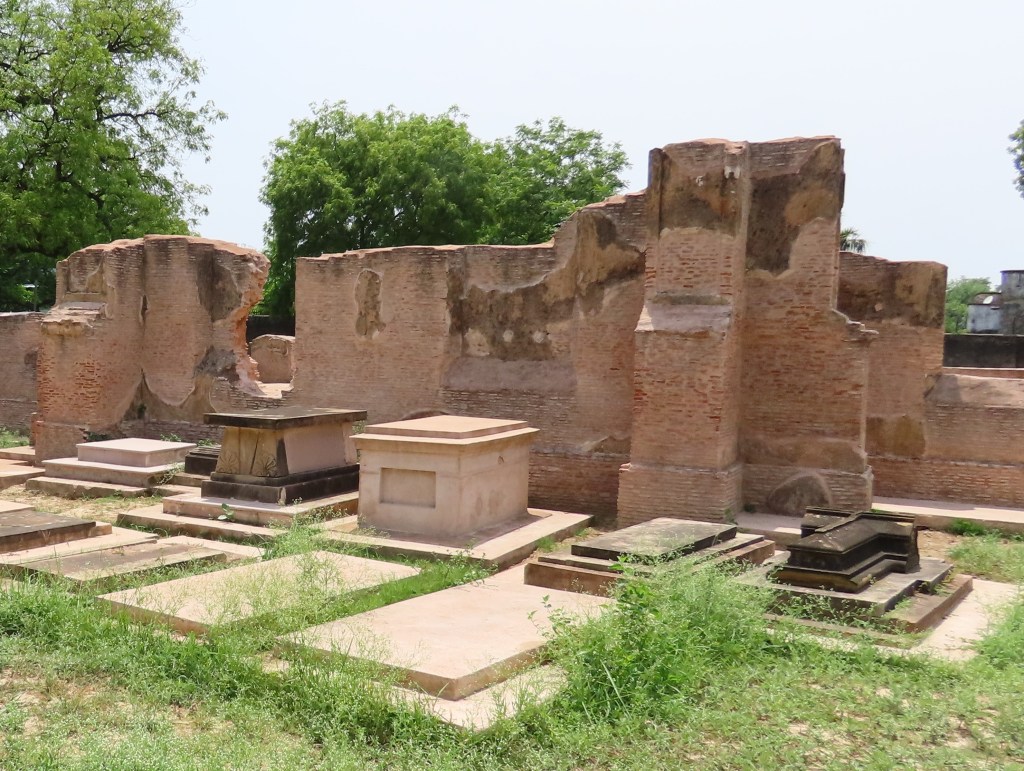
For a moment let us ignore the fact the graves have been renovated.
What we are interested in is why two have suddenly become one.
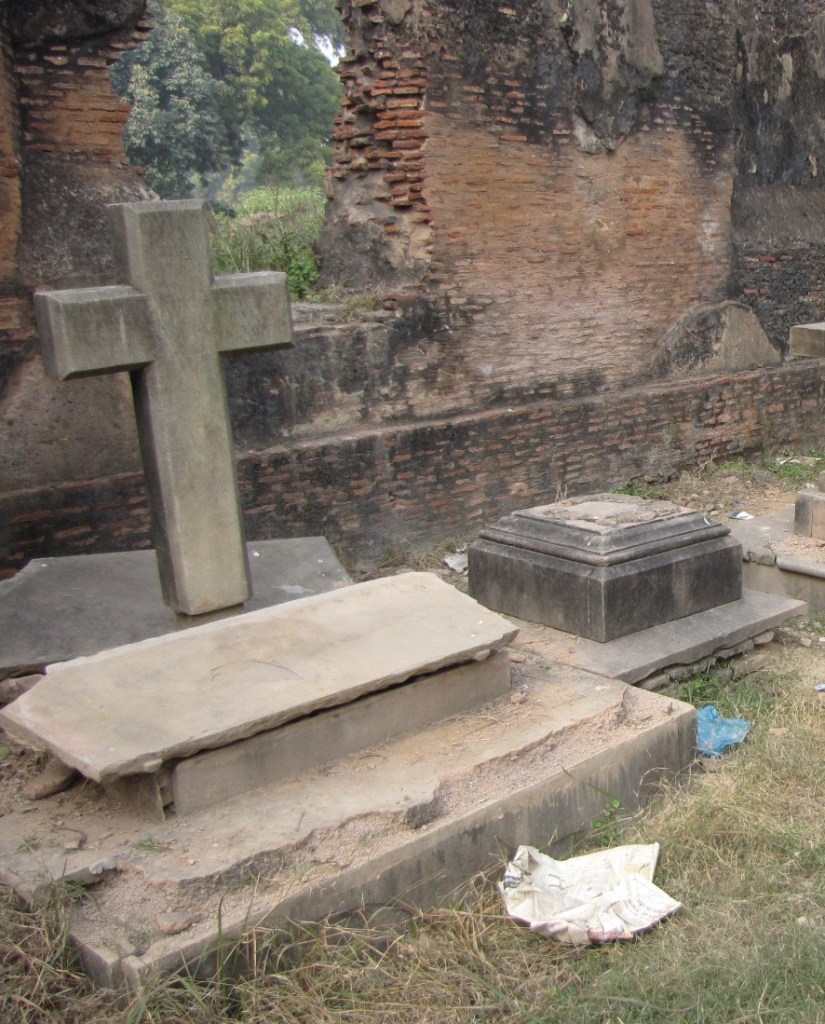
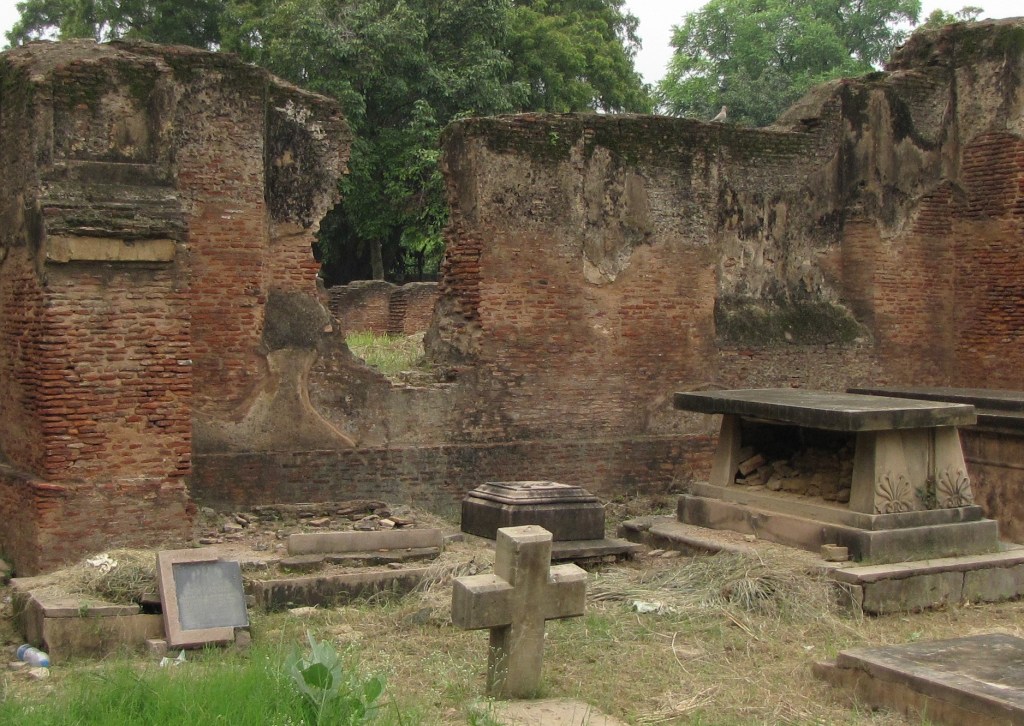
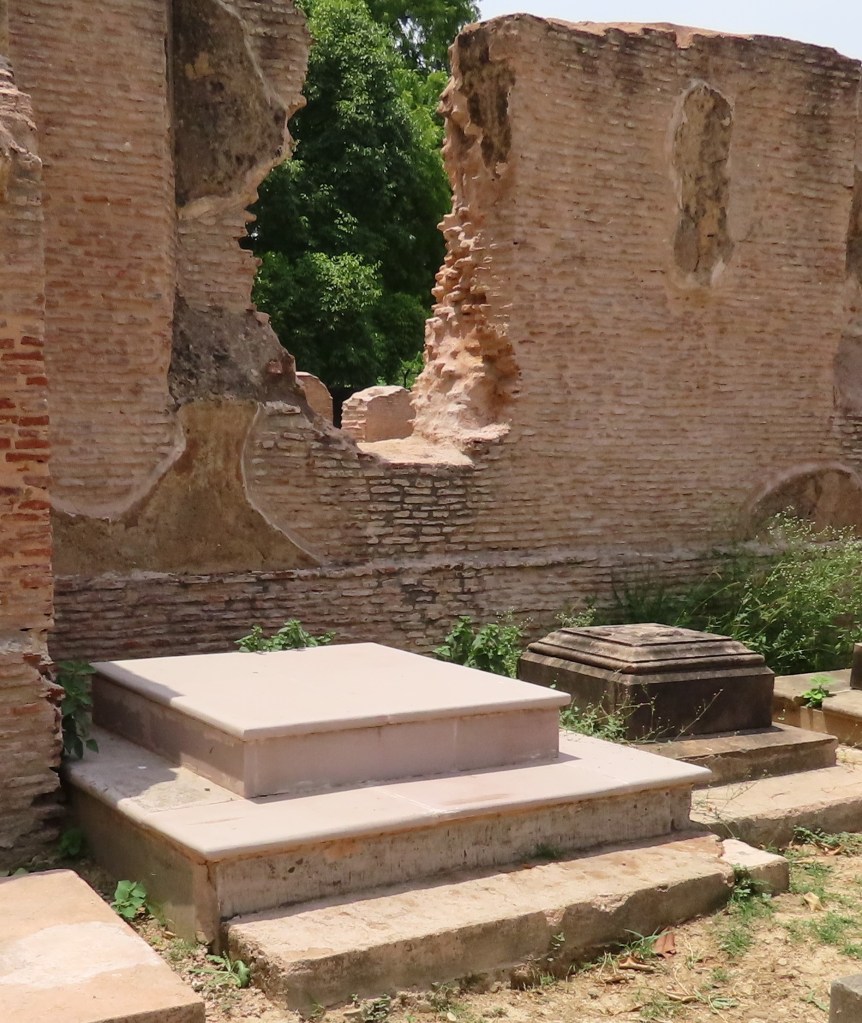
These graves are located behind the breaching wall (the hole in the church wall which is visible in all the pictures) and so are easy to identify on Hilton’s map.
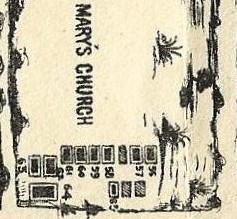
The grave in the foreground is No. 64, the last resting place of Manaton Ommanney. Behind him should have been No. 63 and 62, both graves of children, Charles Robert Morgan and Justitia Fitzgerald. Next to Justitia was Mary Strangeways with No. 61.
No. 60 should be Alexander Dashwood and his son, No. 59 is Georgiana Boileau, and No. 58, is Elizabeth Ousely and her sons.
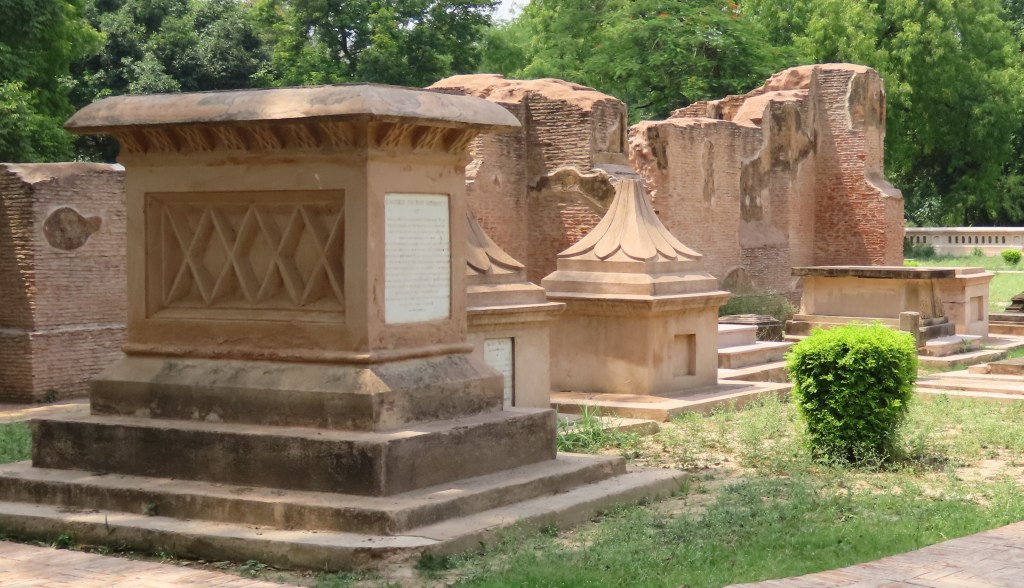
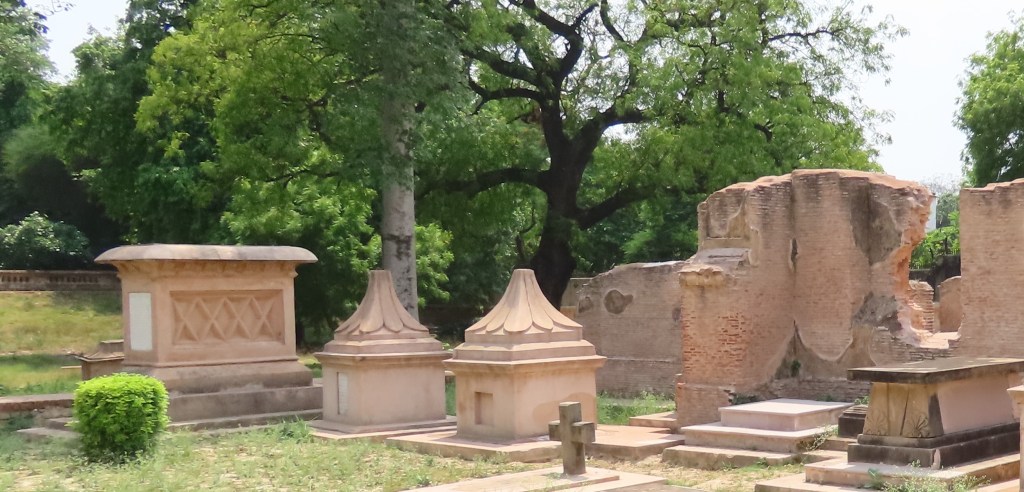
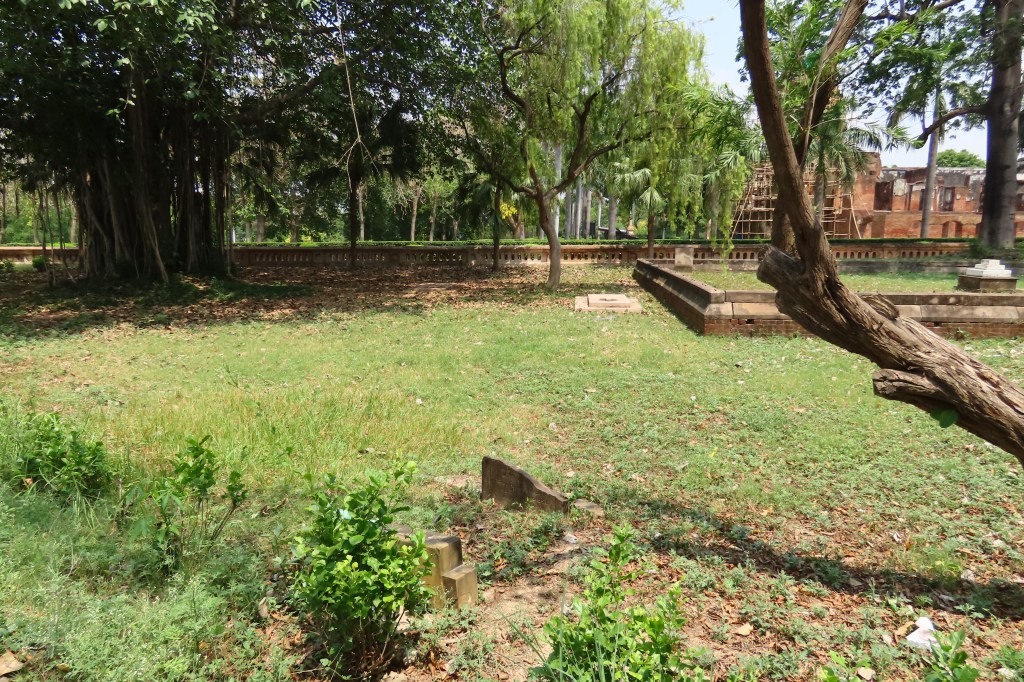
According to the new layout, Mr. Ommanney continues to rest in his accustomed spot, while little Charles Morgan is now next to him followed by Justitia Fitzgerald.
Elizabeth Ousely’s grave is easy to identify as some of the original floral work is still visible as is the plaque. Next to her, this stump is all that is left of Georgiana Boileau’s grave.
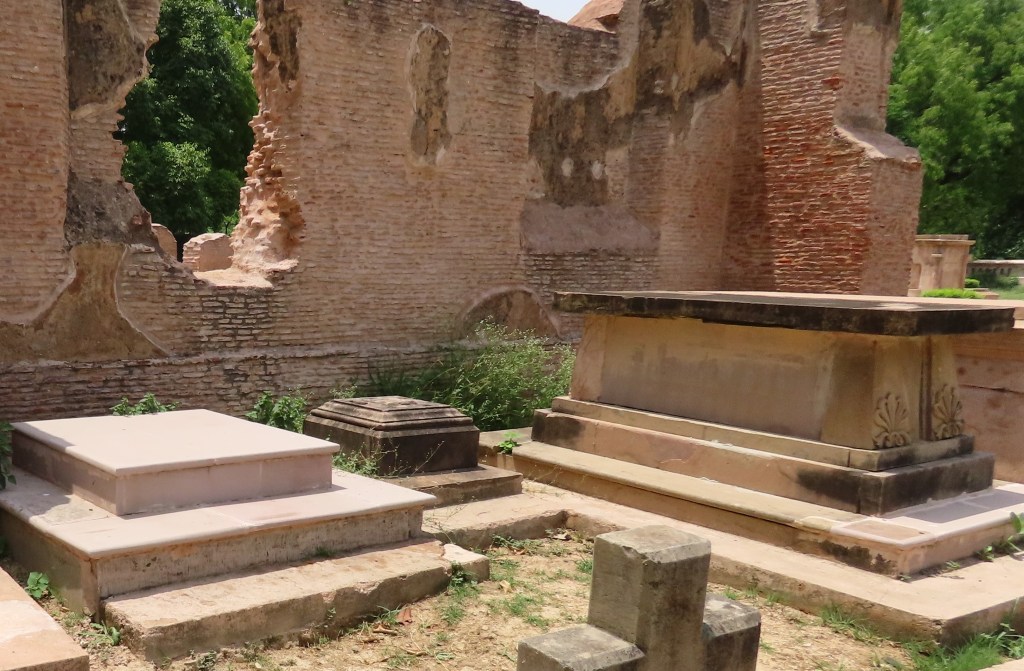
The problem is the odd platform structure appears to be all that is left of the Dashwood grave which has been incorporated with that of Mary Strangeways.
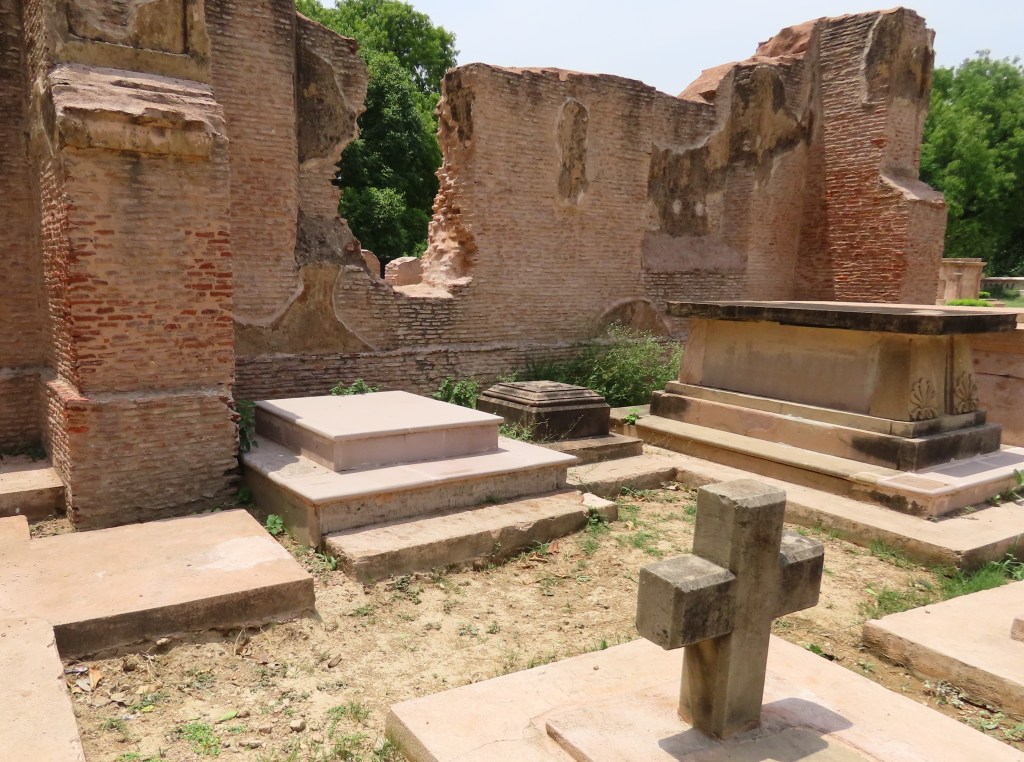
It can only be assumed that either the damage was so extensive it could no longer be identified as 2 separate graves or someone simply overlooked the fact. The cross too has vanished. Turning one grave into a walkway is not the answer nor is it good renovation practice.
We will then also ignore the fact that in the foreground should be three graves but now there are 5. No. 65 is Nelly Quieros and she was buried directly in front of Mrs. Ousley. This was followed by 2 unmarked graves. As none of them have any identifying markers, we cannot say who they belong to. A mystery indeed. It is possible that since there were 5 graves visible in 2011, these belong to people who died after Hilton did.
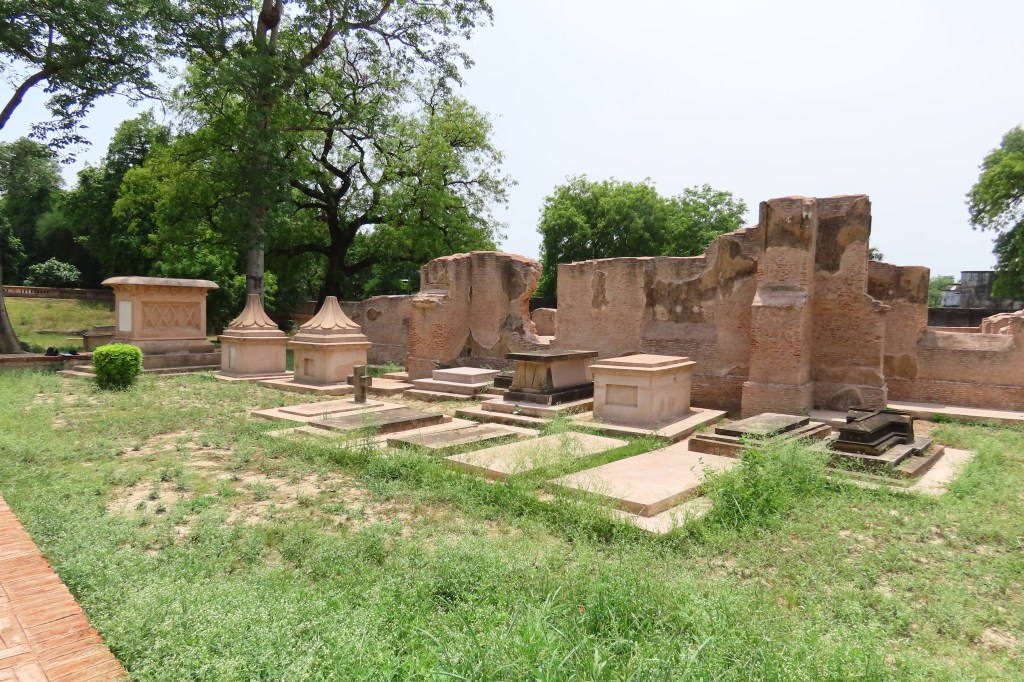
The next mystery we need to address is this.
This area on my visit in 2016 was wildly overgrown and it was difficult to access.
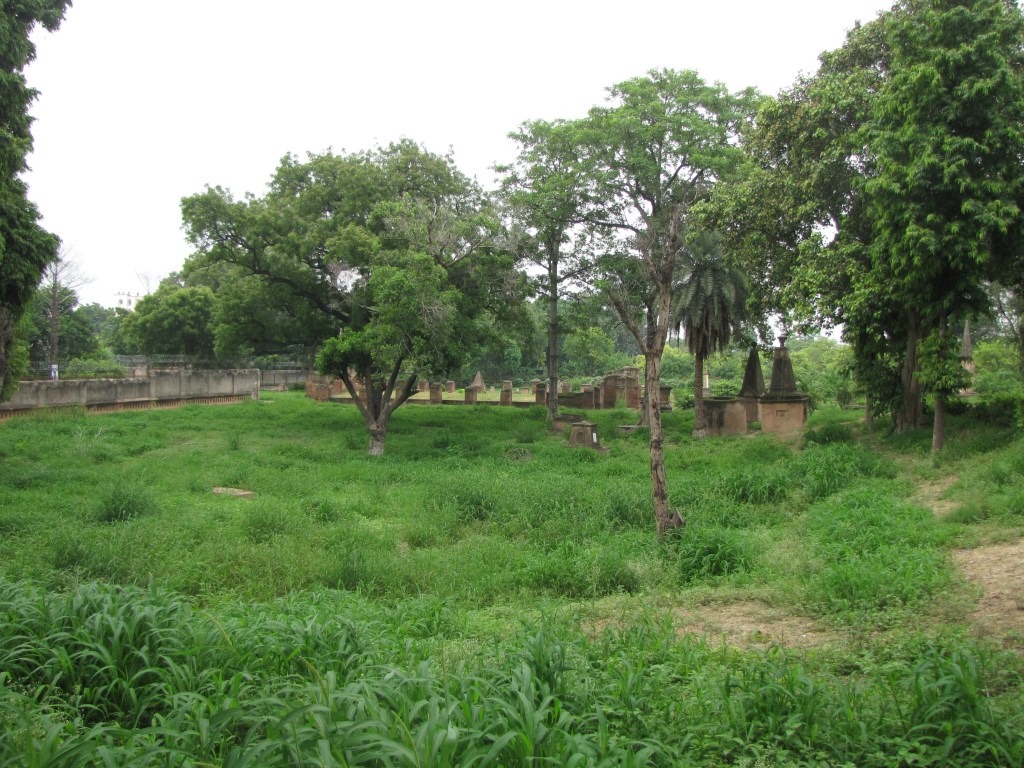
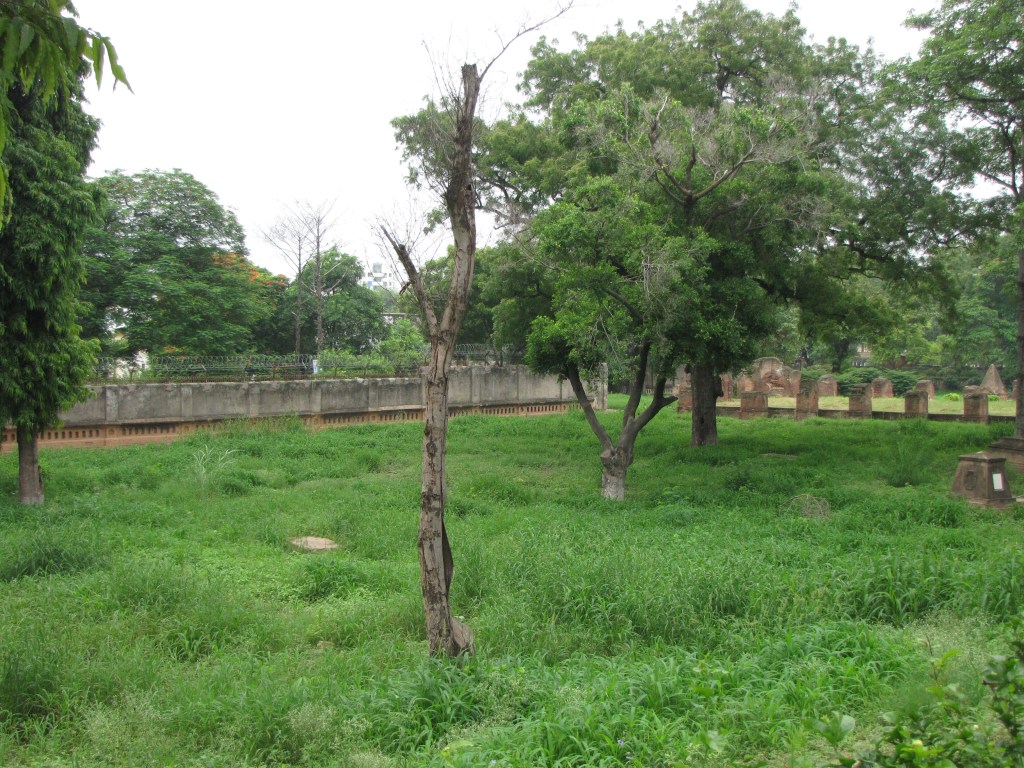
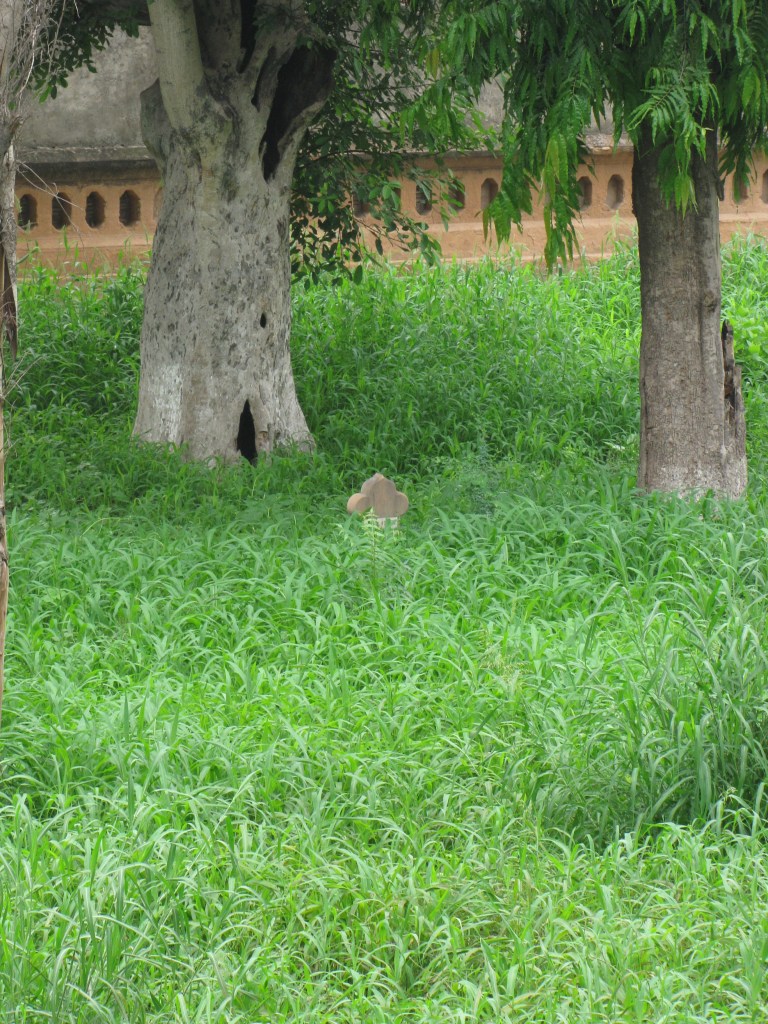
As compared to 2023 when it was finally accessible again.
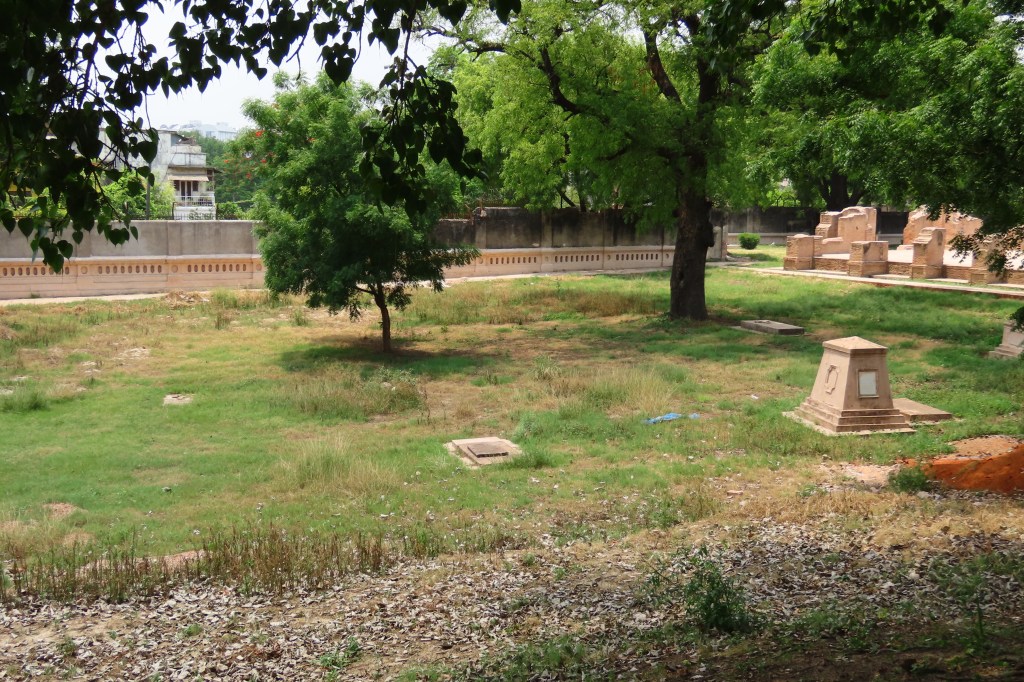
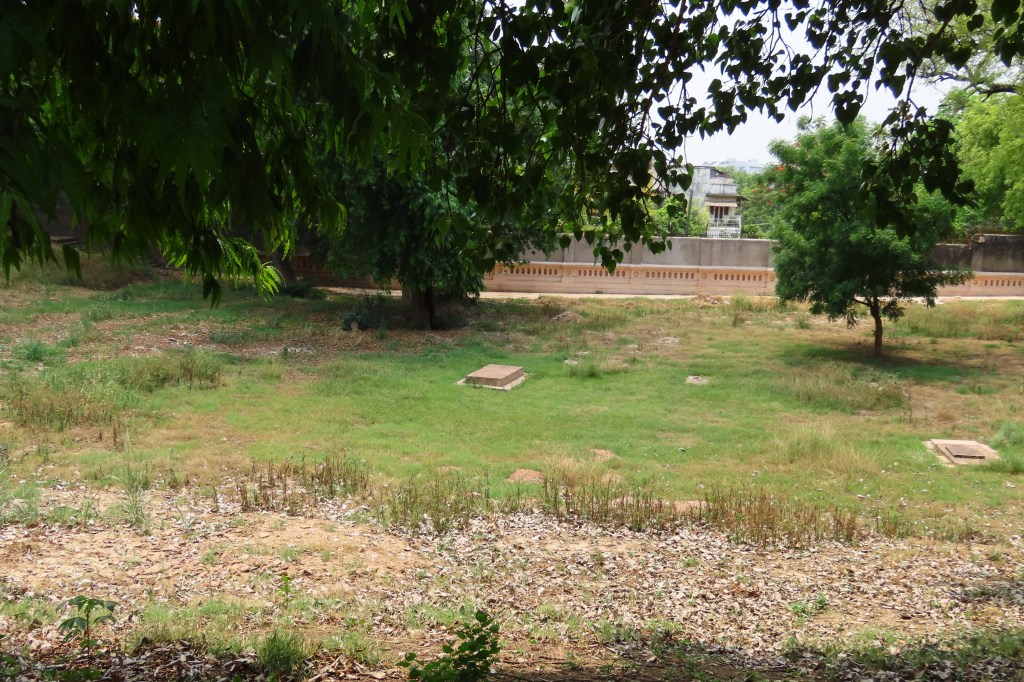
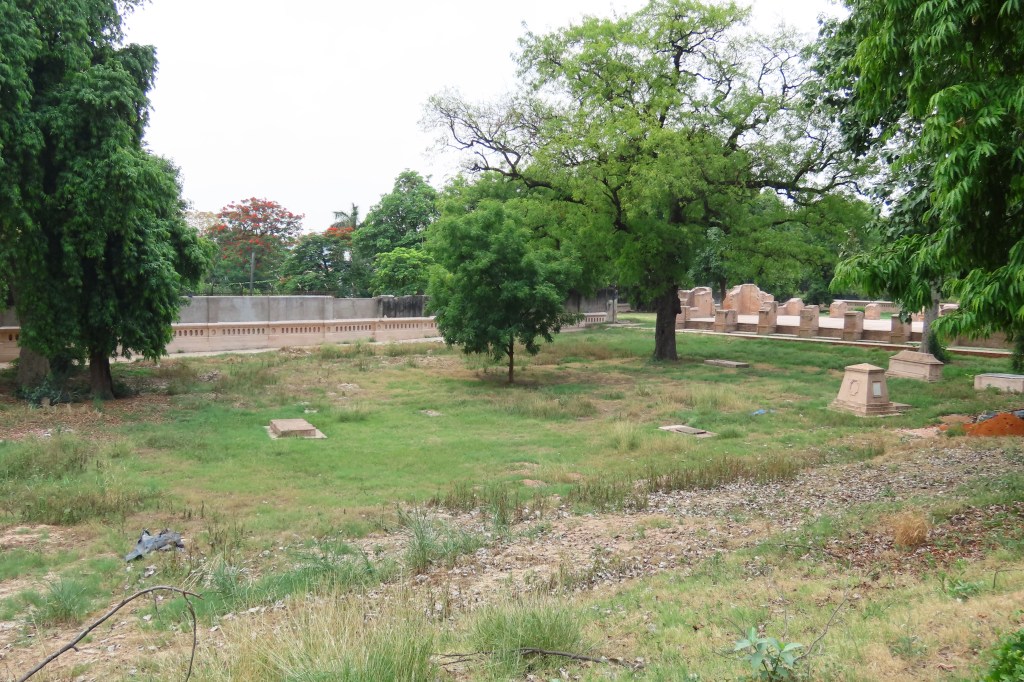
In 2011, the grave of Henry Grant was still visible in its original location and on Hilton’s map, it is No. 71.
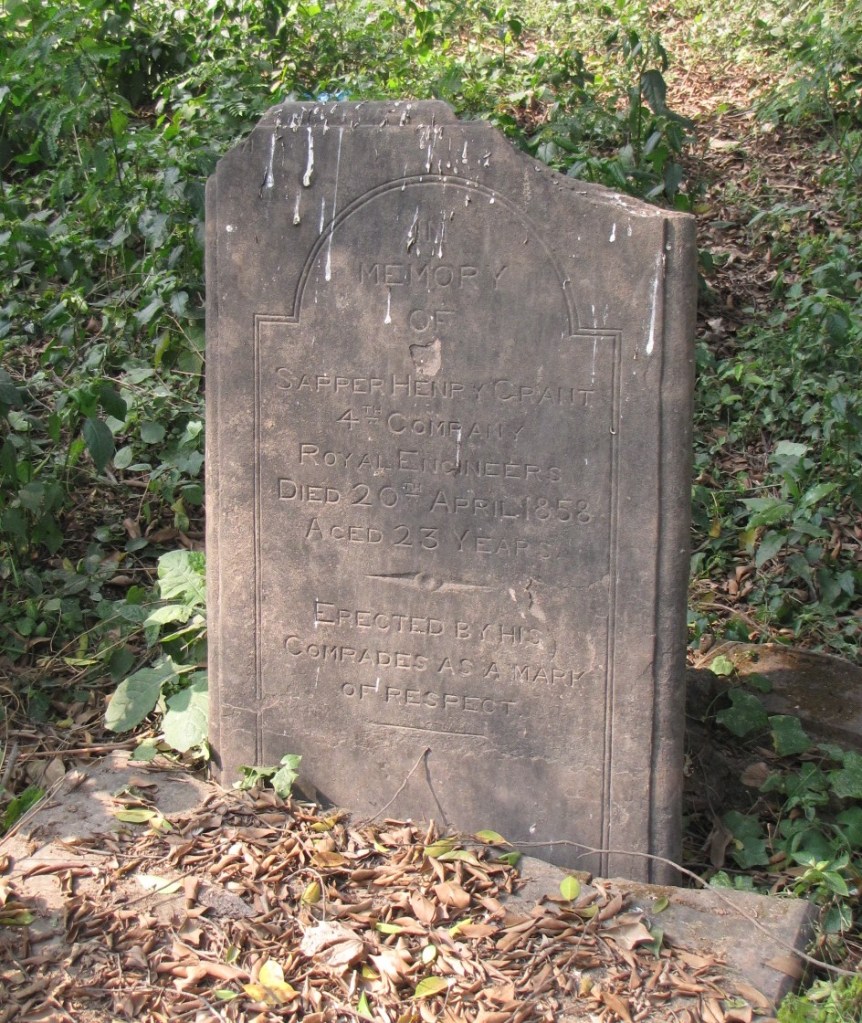
However, in the intervening years, something rather strange happened. The stone has been split up.
A part of it now lays on No 71 – Mr. William Monk.
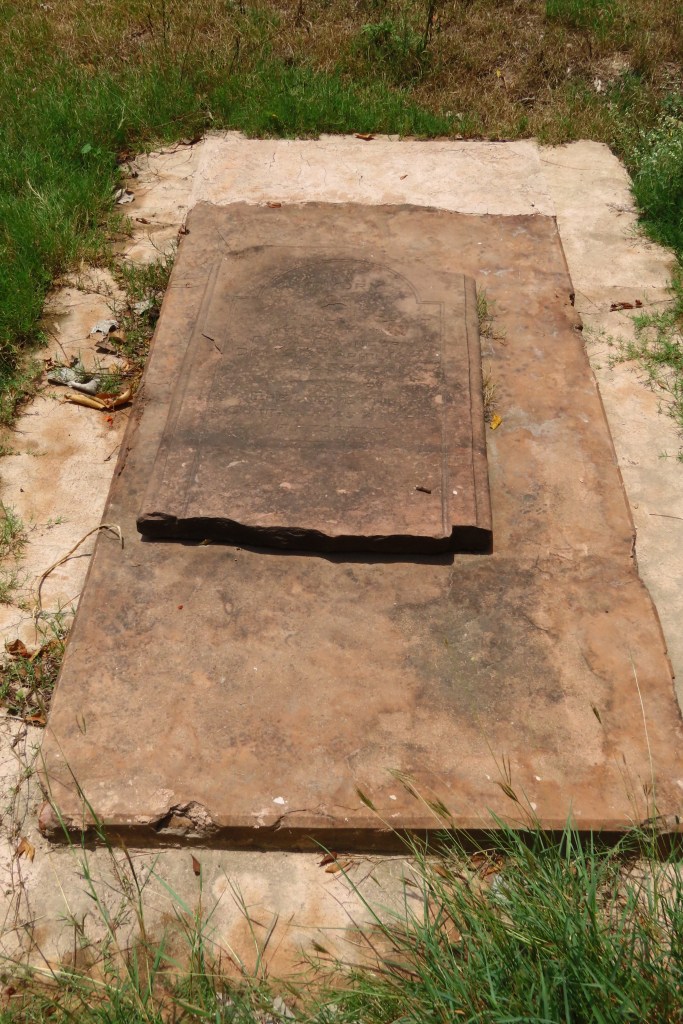
Just so no one can accuse me of being sunstruck, I have zoomed in on the stone above and made it a bit more legible.
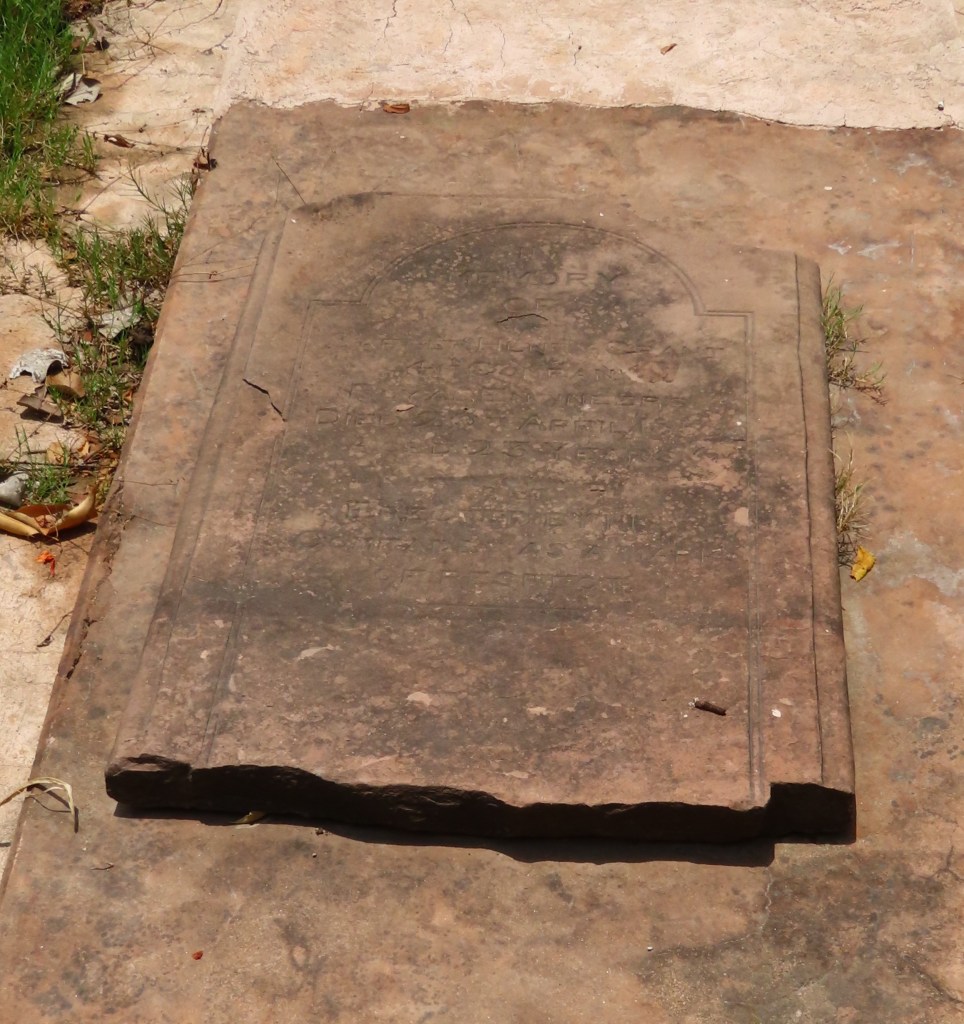
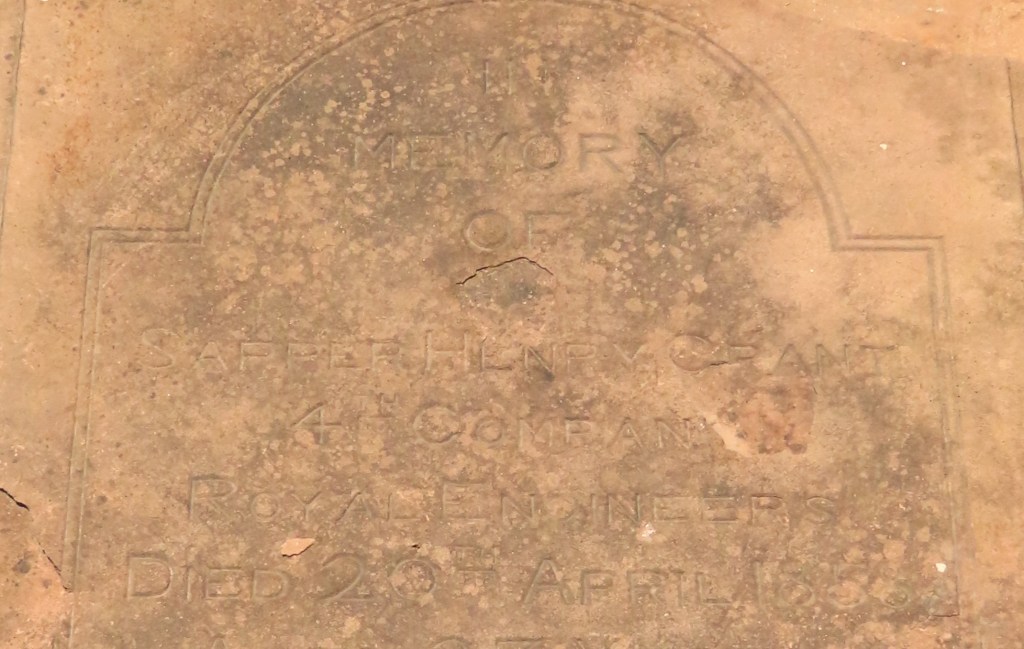
Below we can see the stone laying on the other grave. I will allow for the fact that stones can break and some kind-hearted soul simply picked it up and put it somewhere.
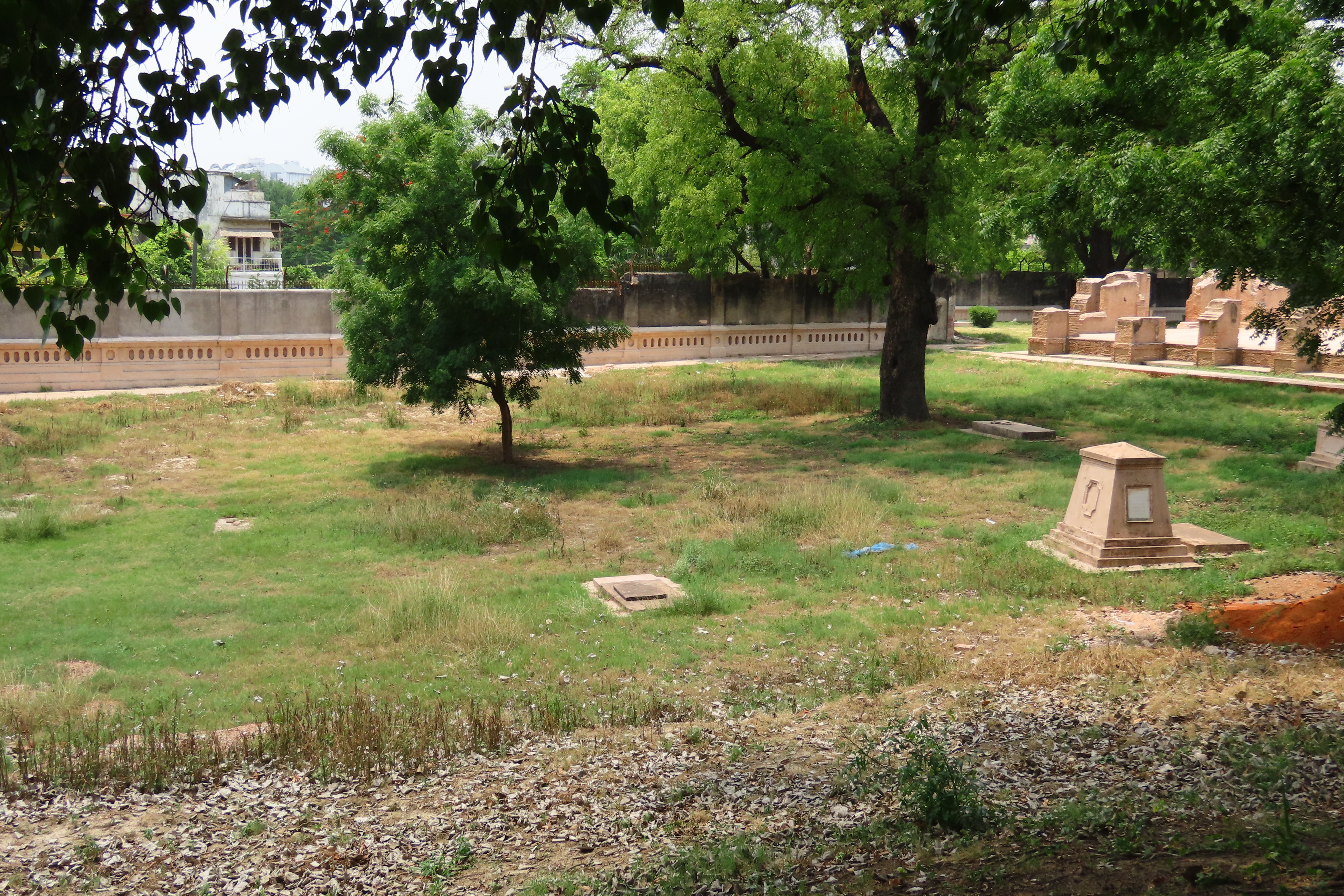
However, this theory does not weigh out when we find this interesting composition.
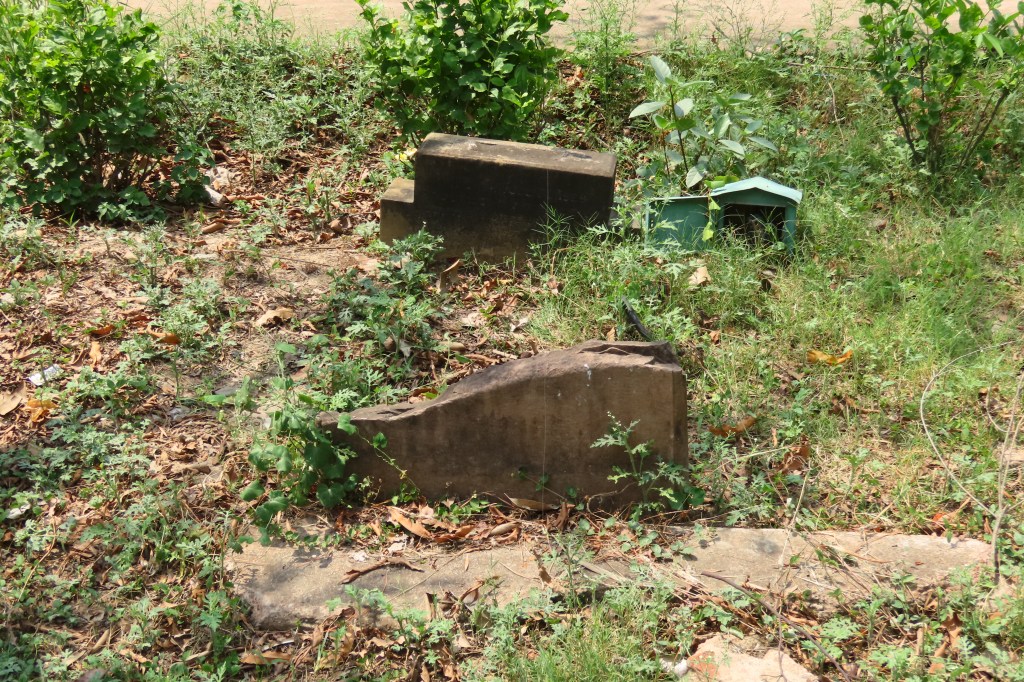
These are graves No. 51 and 68.
No. 68 is that of John Pinn who was buried not far from Mr. Grant originally. No. 51 is J.W.D. Forbes who was in another part of the cemetery altogether.
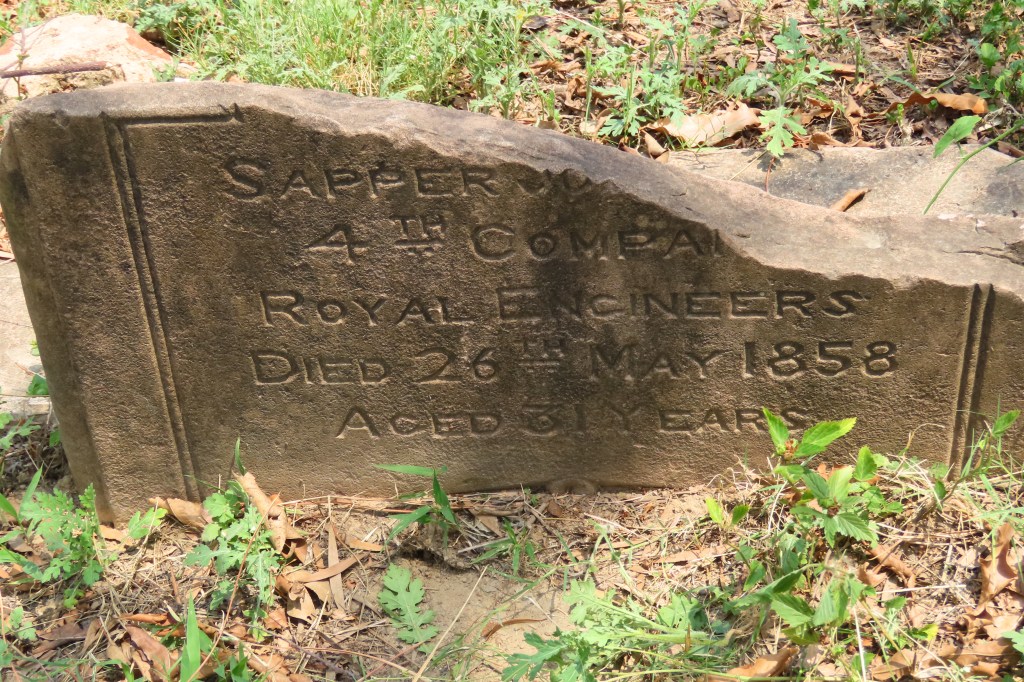
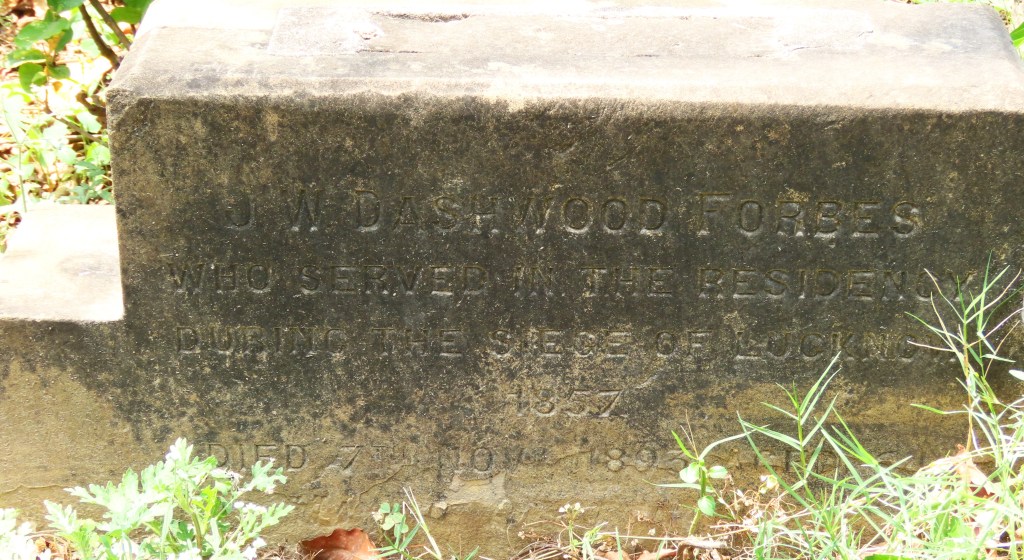
The gentlemen are now ensconced close to the enclosure in a location where there are no graves at all. In the background is 114, Catherine Hill.
It is difficult to explain this. I certainly don’t know how to and it gets worse.
A similar situation presents itself with No.72, Lieutenant Mallet. He currently resides on Mrs. Huxham, No. 79 and the grave looks worse for wear.
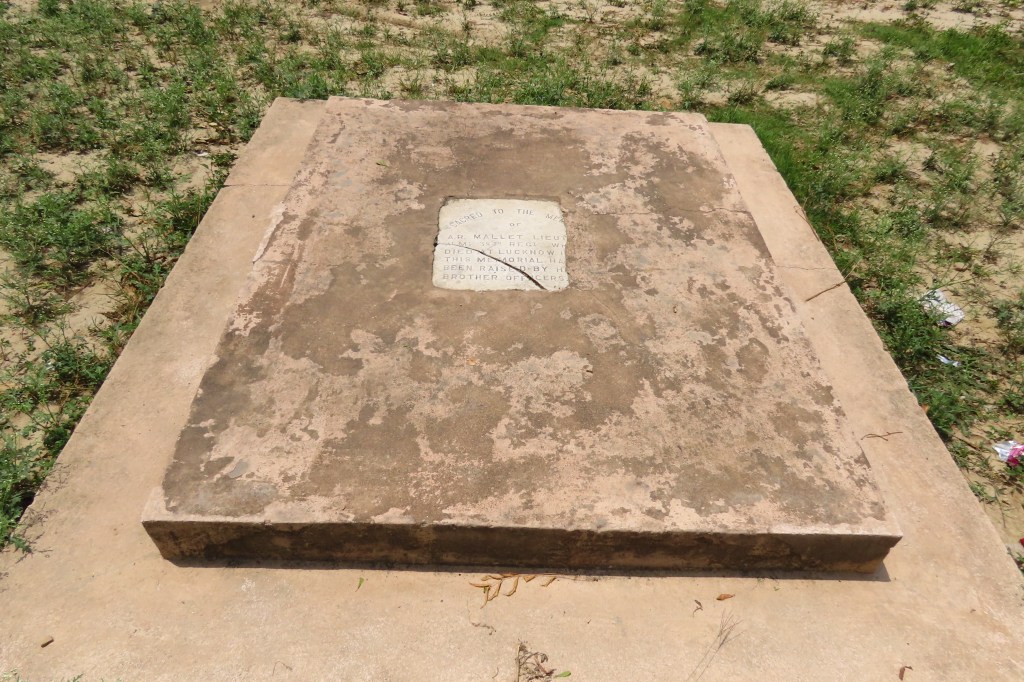
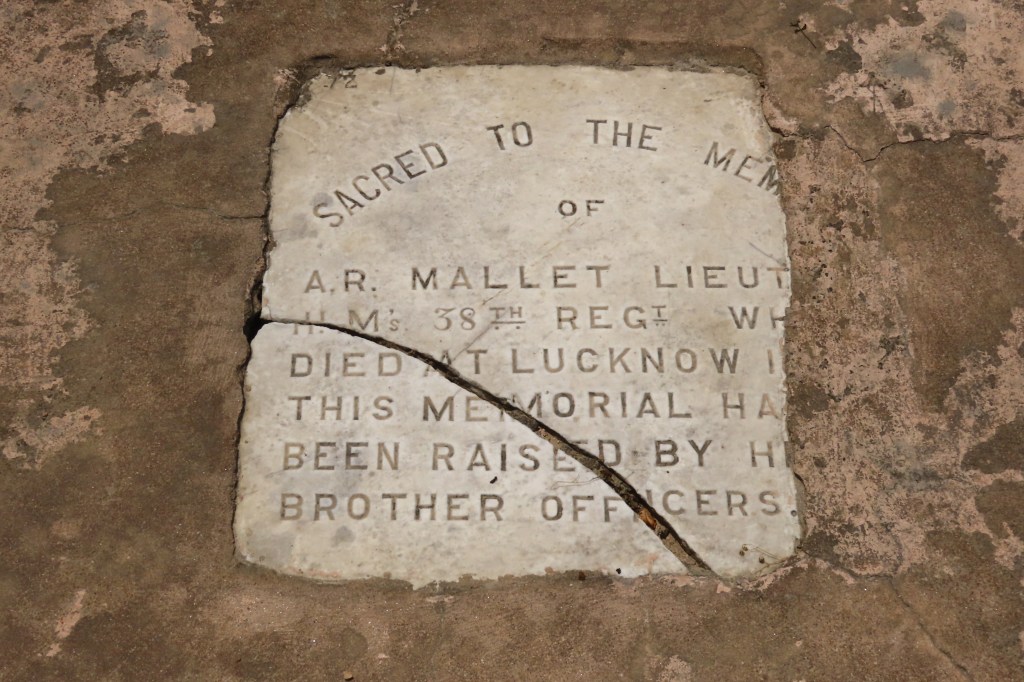
The Residency is a large place, some 23 acres give or take. However, during the siege, it was also a very organised place. Random burials outside the graveyard were unheard of. The dead were wrapped in a bedsheet and then carried at night to the church by their friends and buried either in communal graves or on their own depending very much on the circumstances. Even Sir Henry Lawrence is said to be buried with a man of the 32nd even though that is not mentioned on the stone. It is the same with Cunliffe and Deprat. Rees states implicitly the two men were buried together in the same grave which Rees and a few others dug in the pouring rain. The prayer which Harris said for Cunliffe, Rees took it as being for Deprat too. No matter how dire the situation, bodies were buried in the churchyard.
It was to my surprise, while exploring the Residency in May and June of 2023 I stumbled across this at the Horse Square, behind the Brigade Mess.
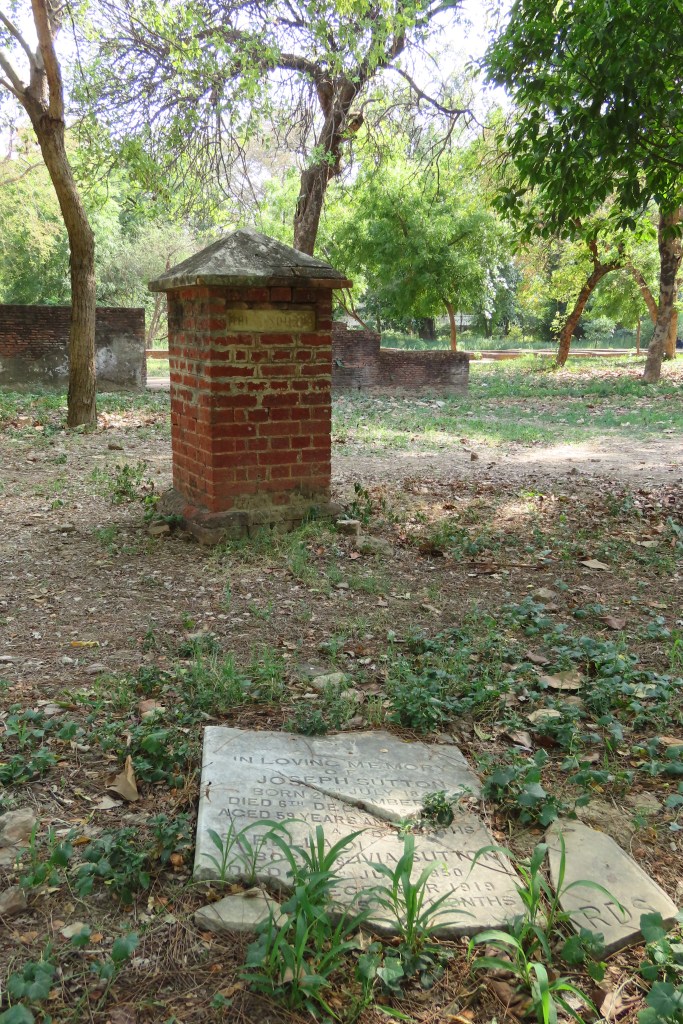
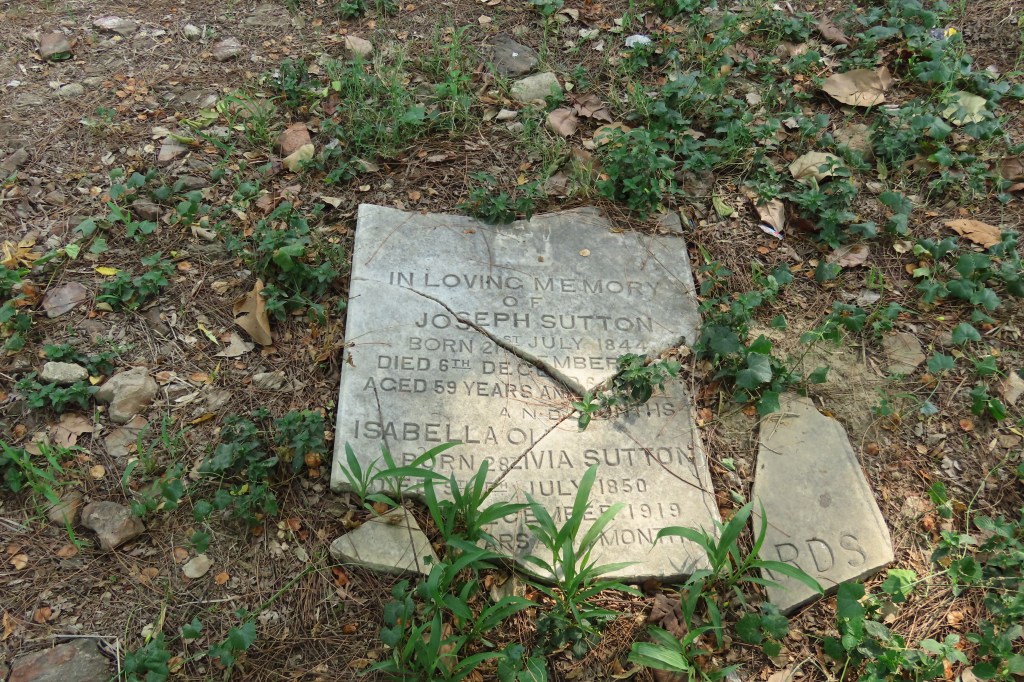
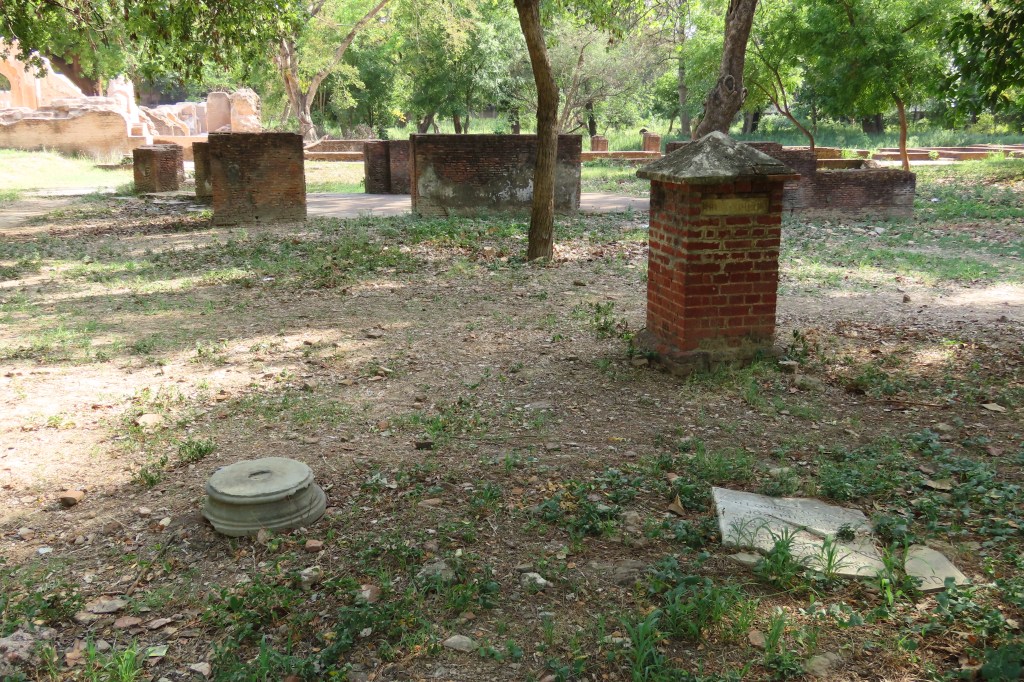
For those of you not familiar with the layout of the Residency, here is a map. Needless to say, the Horse Square is nowhere near the churchyard and how the Sutton’s ended up here is a mystery.
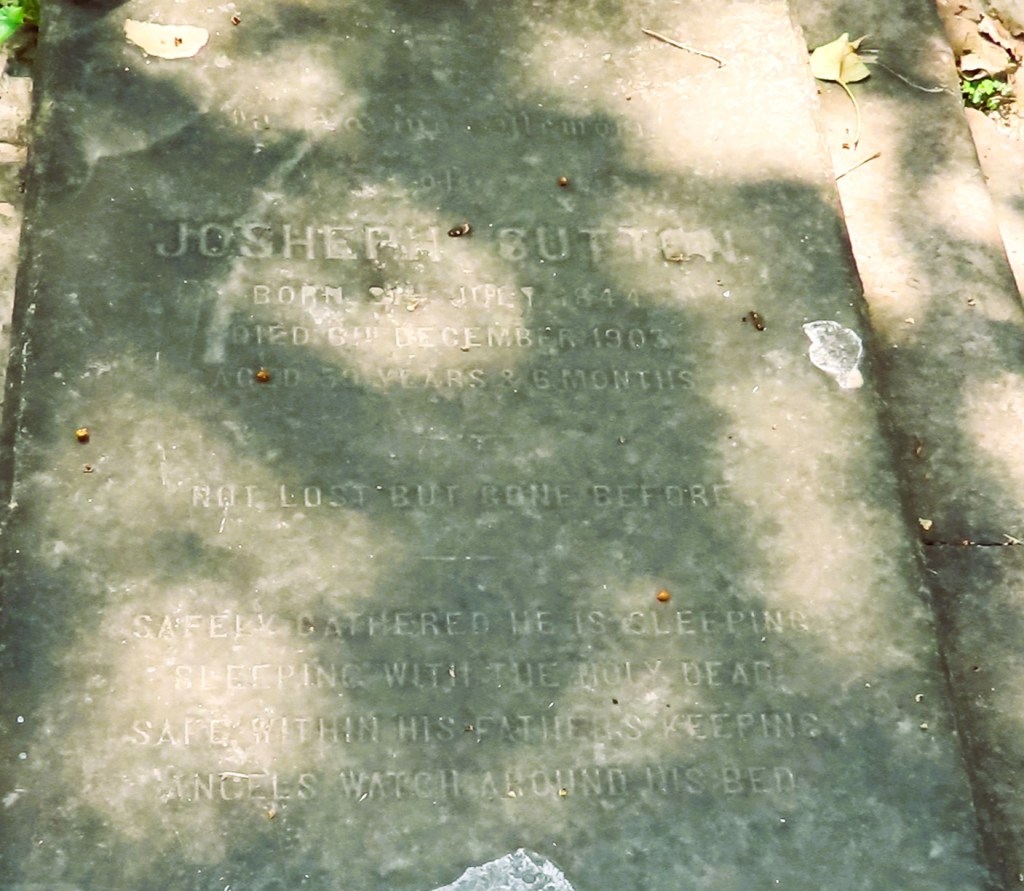
Now if we look at the birthdates, we can clearly see it is the same Joseph Sutton on both plaques. Born 21st July 1844, died 6th December 1903. Isabella Oliva Sutton was born on the 28th of July 1850 and died on the 9th of December 1919. We can safely surmise that Joseph Sutton was the Martiniere pupil mentioned on the Honour roll together with his brother Frederick.
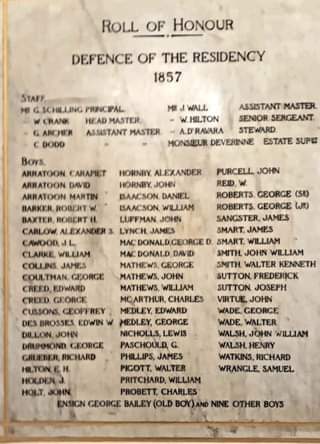
This does not explain the two plaques. I can only surmise that since the list was compiled before Hilton’s death in 1922 thus Joseph was added to the list but his sister was not. If she was buried in the same grave as Joseph, then it is possible a new plaque was made commemorating her as well. This is of course going on the assumption that Hilton knew beforehand where he himself would be buried and he did not make any changes to the map after a certain date. However, the plaque should not have been simply dumped by Horse Square. After the great effort that has been done to preserve the graves, this simply makes one wonder if this is vandalism after the fact or wilful stupidity. There was other debris nearby which looked suspiciously like the remains of gravestones but nature is quickly making sure no one will ever find out.
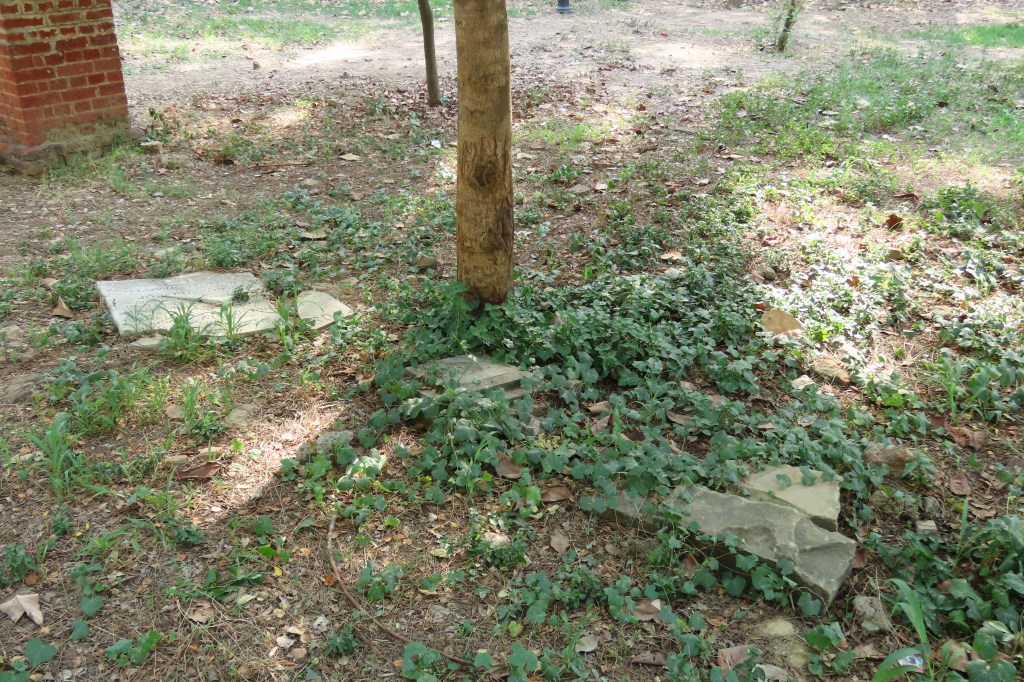
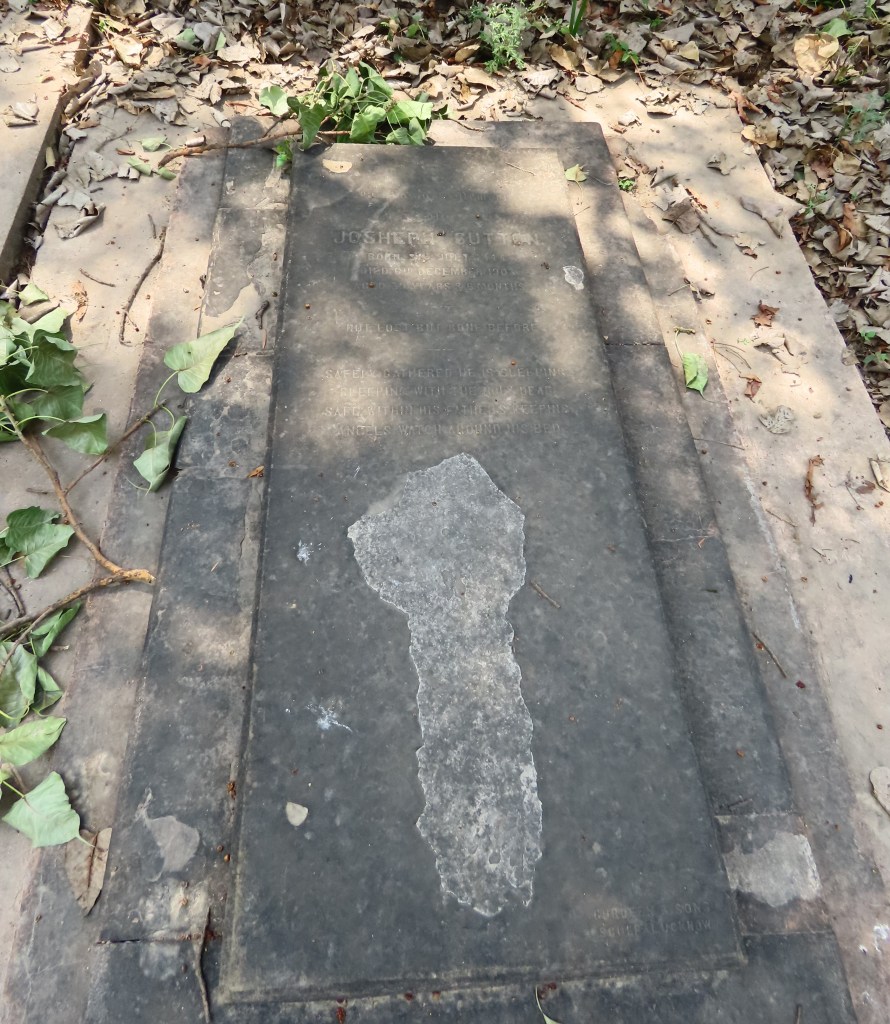
Matilda Sutton was buried in the Residency cemetery in 1869 but the plaque on her grave is missing.
Debris is not uncommon in the Residency cemetery as this photograph shows.
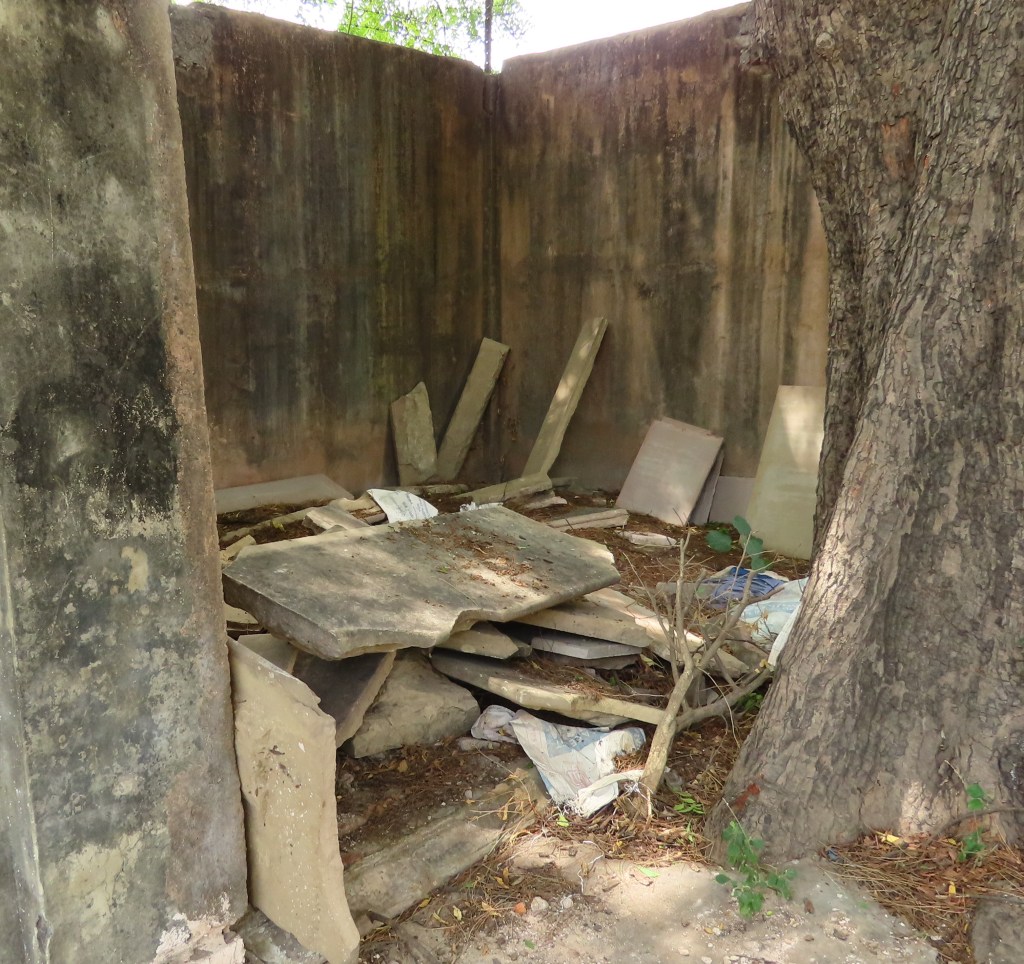
It would seem that renovation is still ongoing or perhaps this is the end result.
We can move on to another area of the cemetery now and back to a photograph from 2016.
The grave of Ellen Roddy (No. 25) has undergone some changes and things were rather grim for a while. We will also look at the fate of No.29 and No. 30 and of No. 23.
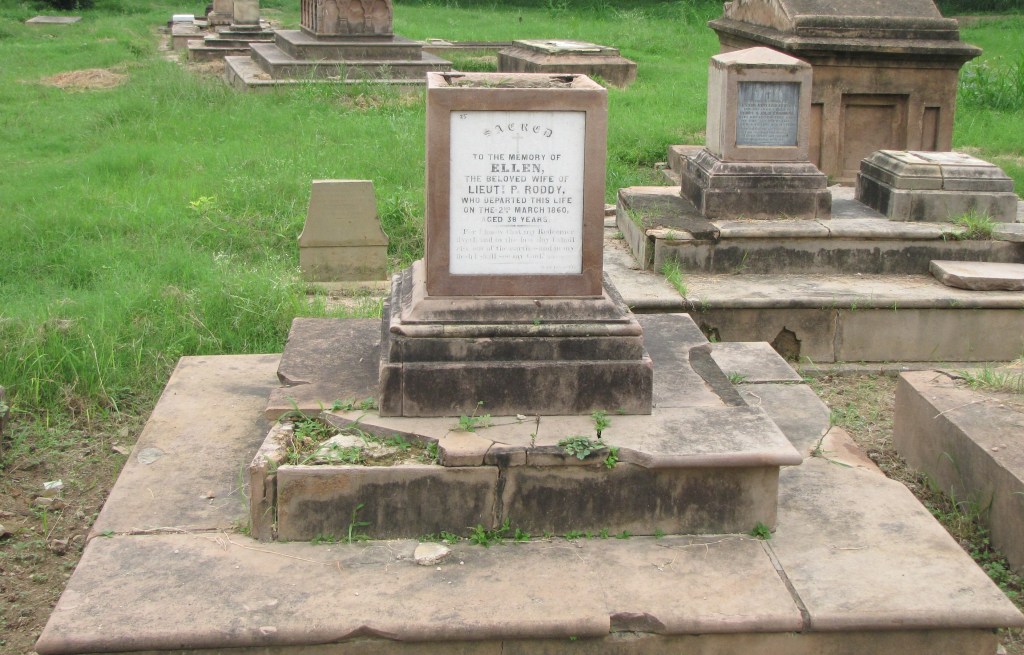
By 2023 there was a certain improvement though the lettering has faded considerably.
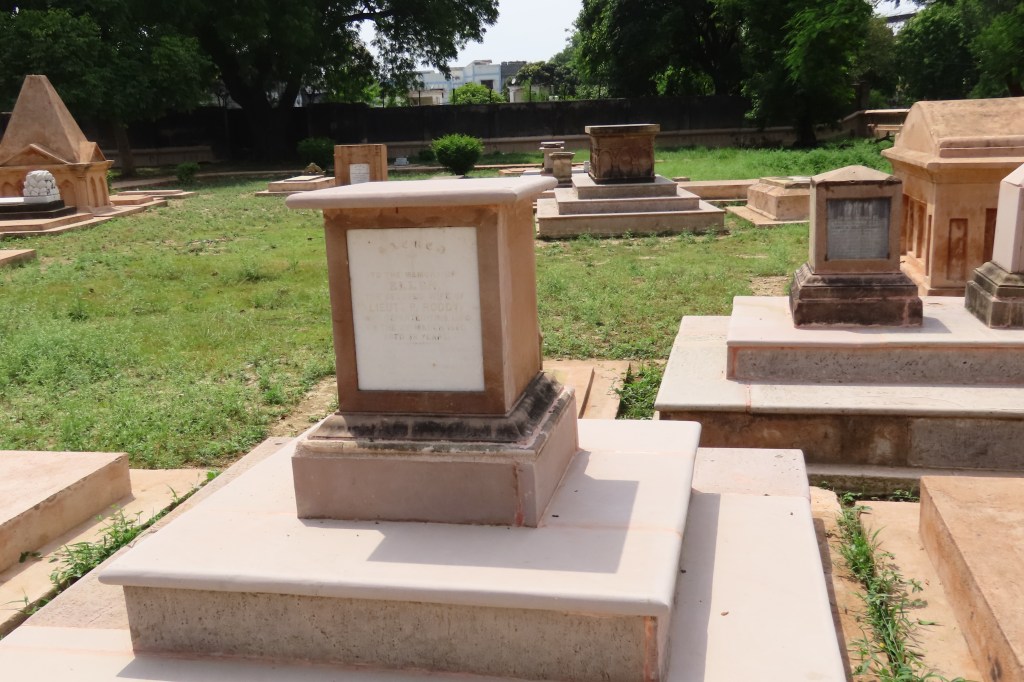
This is an example of renovation which is not too hard on the eye. Enough original detail remains if we look past the plinth. What was concerning however was not Mrs. Roddy, but the little Cronmire boys (No. 29-30) buried behind her.
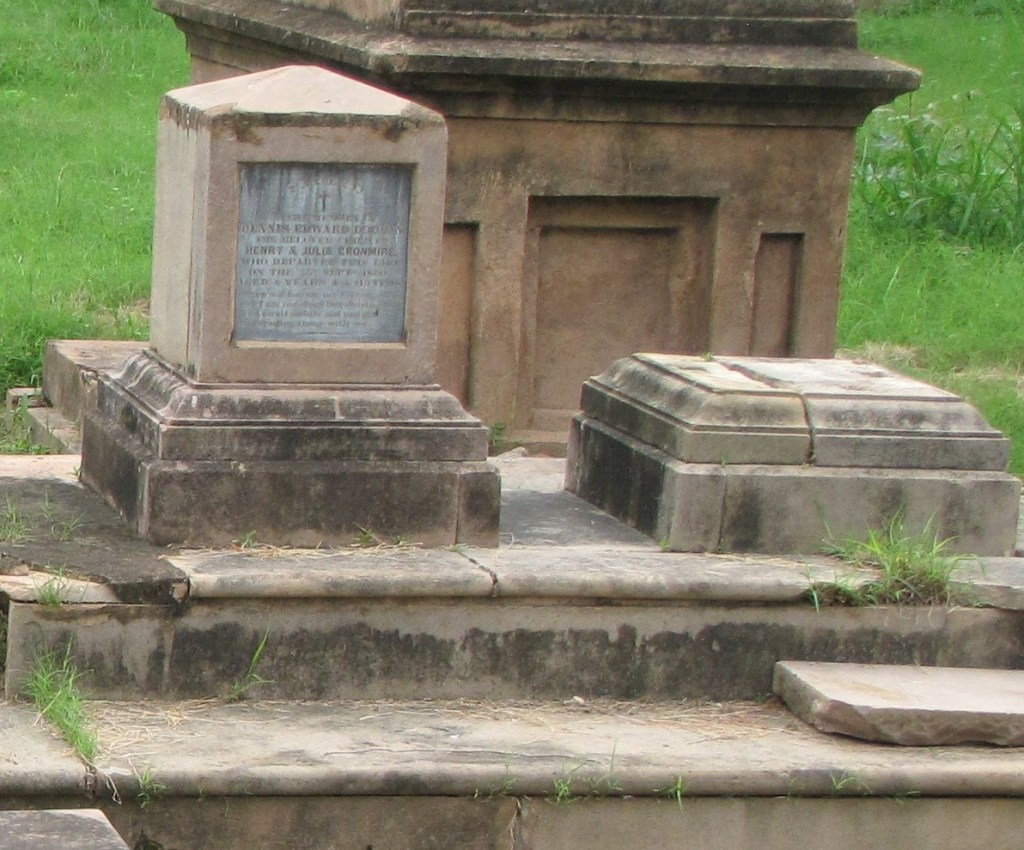
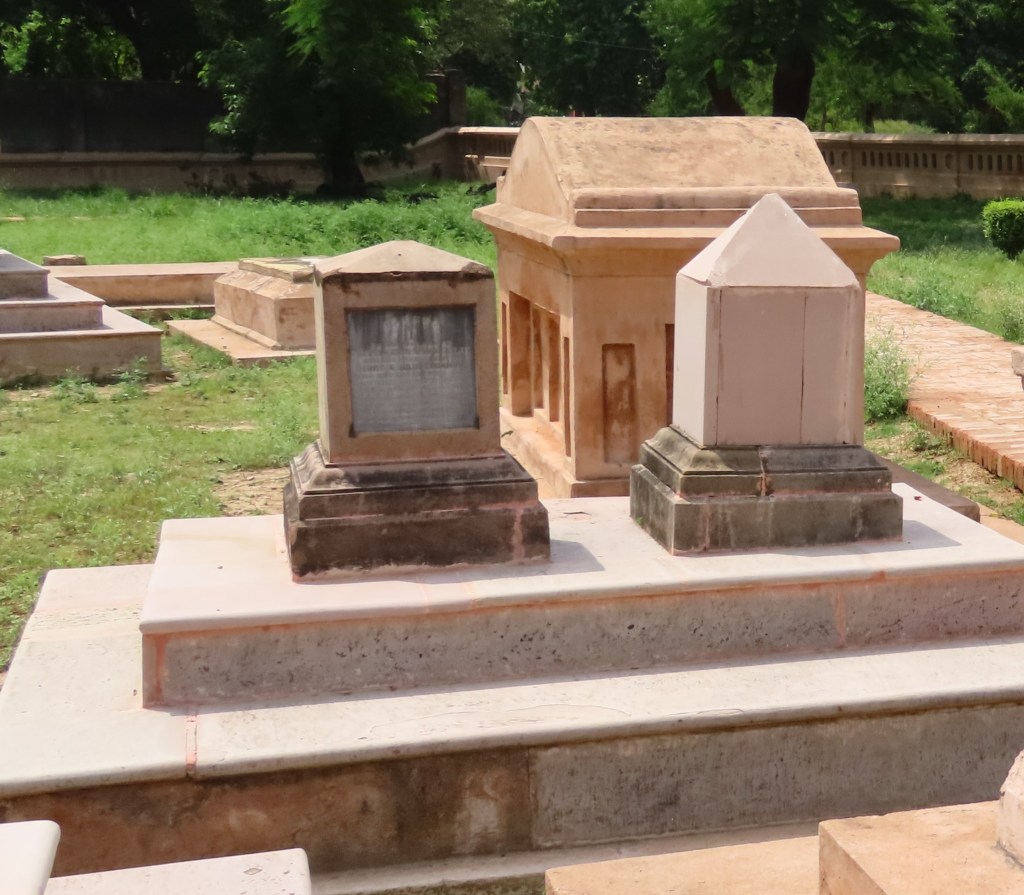
Here too graves have been moved, and bizarrely new ones fabricated in their original place without replacing the stone to its correct position. The move was done somewhere after 2011. The grave of Captain Fullerton (No.24) stood originally in front f the Cronmire boys but sometime after 2011 it was moved to behind Ellen Roddy. The grave is unmissable due to the way it is broken.
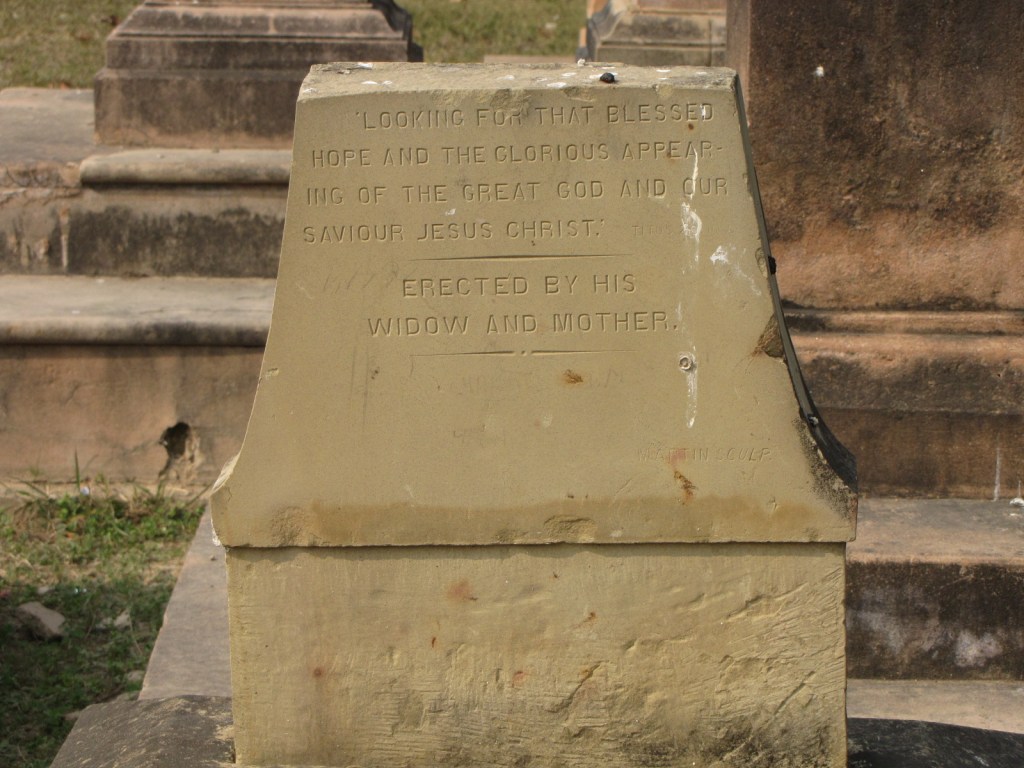
It is clearly visible in its original position in 2011.
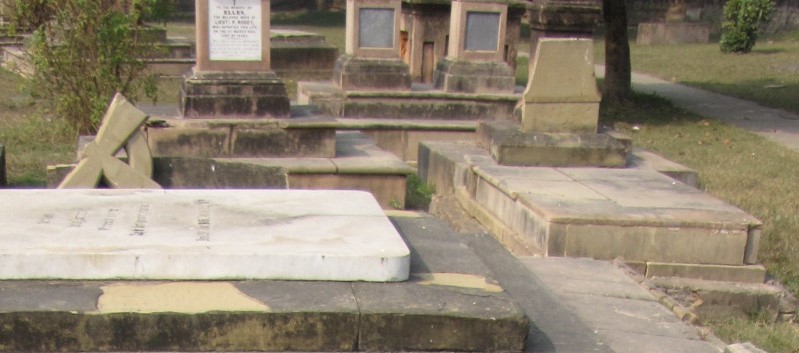
Then in 2016, something strange happened.
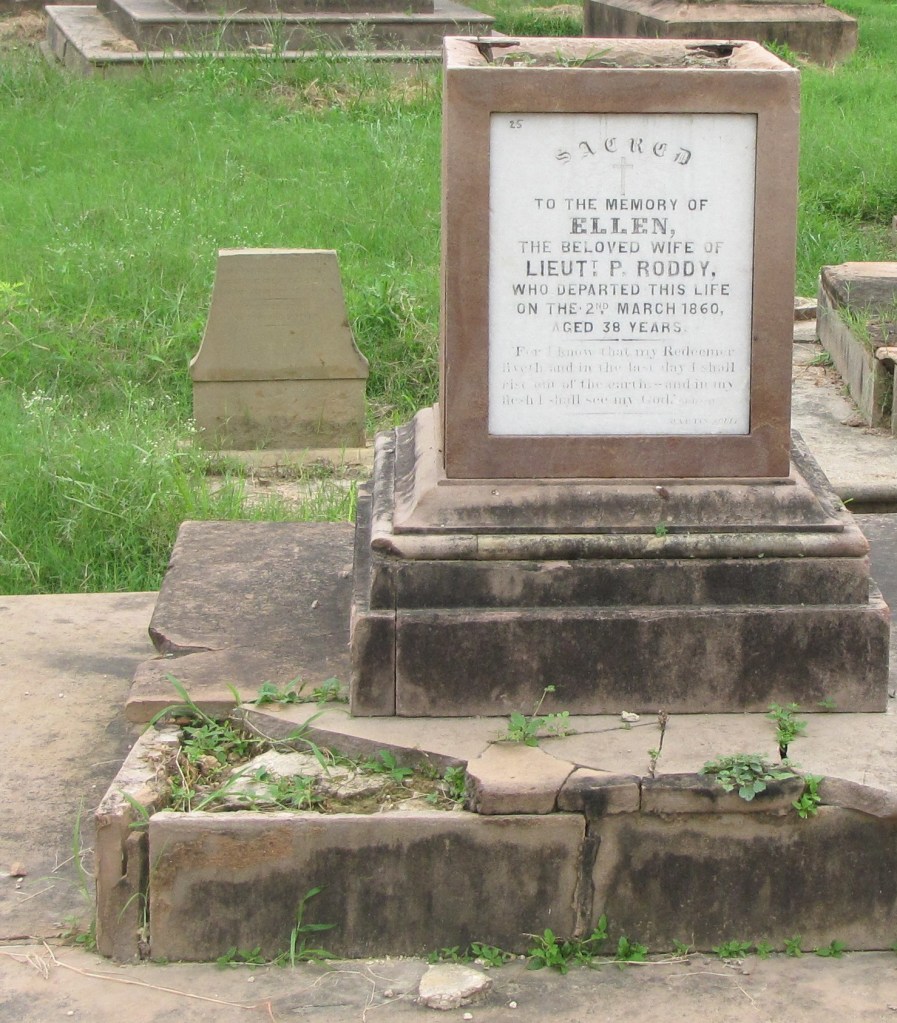
And by 2023 there is a grave again in the original position but the stone remains behind Mrs. Roddy.
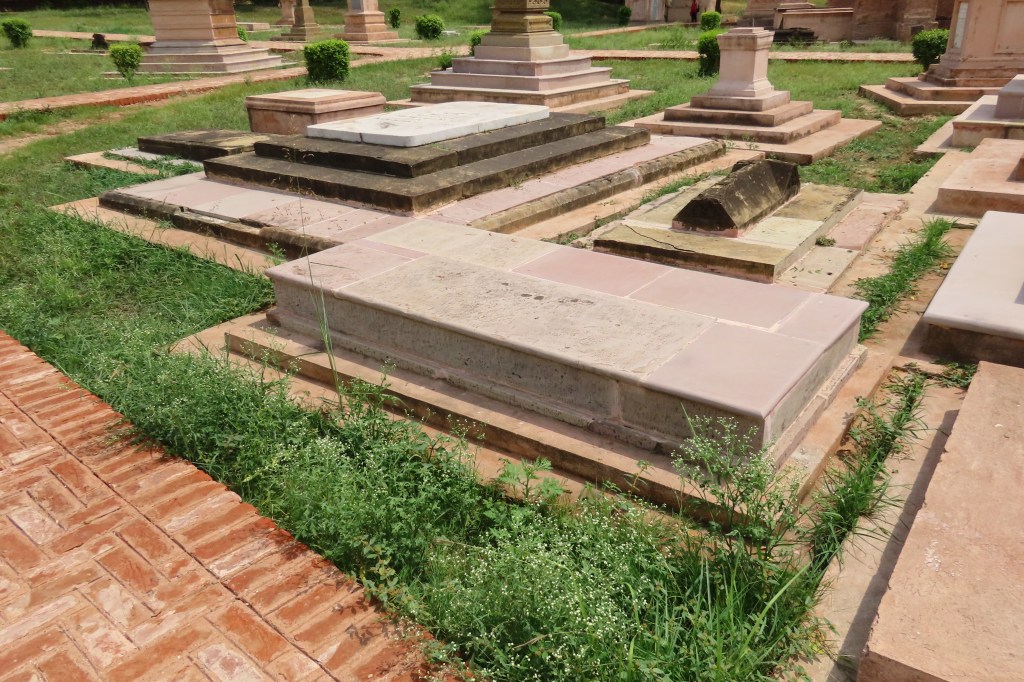
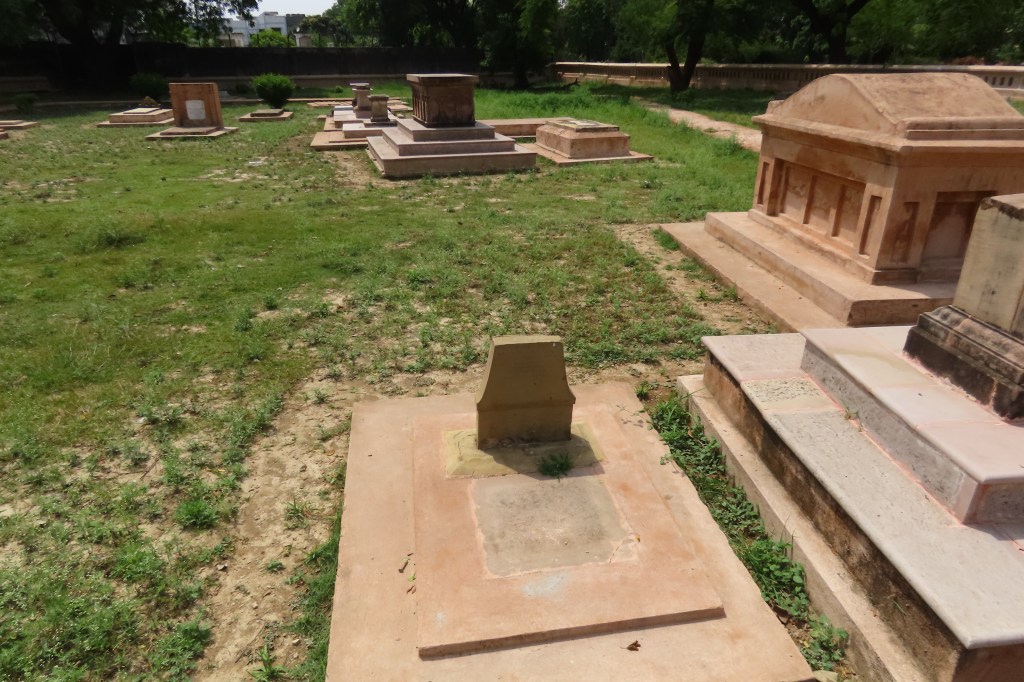
So now the cemetery has one extra grave.
Renovation for the sake of it seems pointless when the end result looks foolish and the graves are stripped of all dignity.
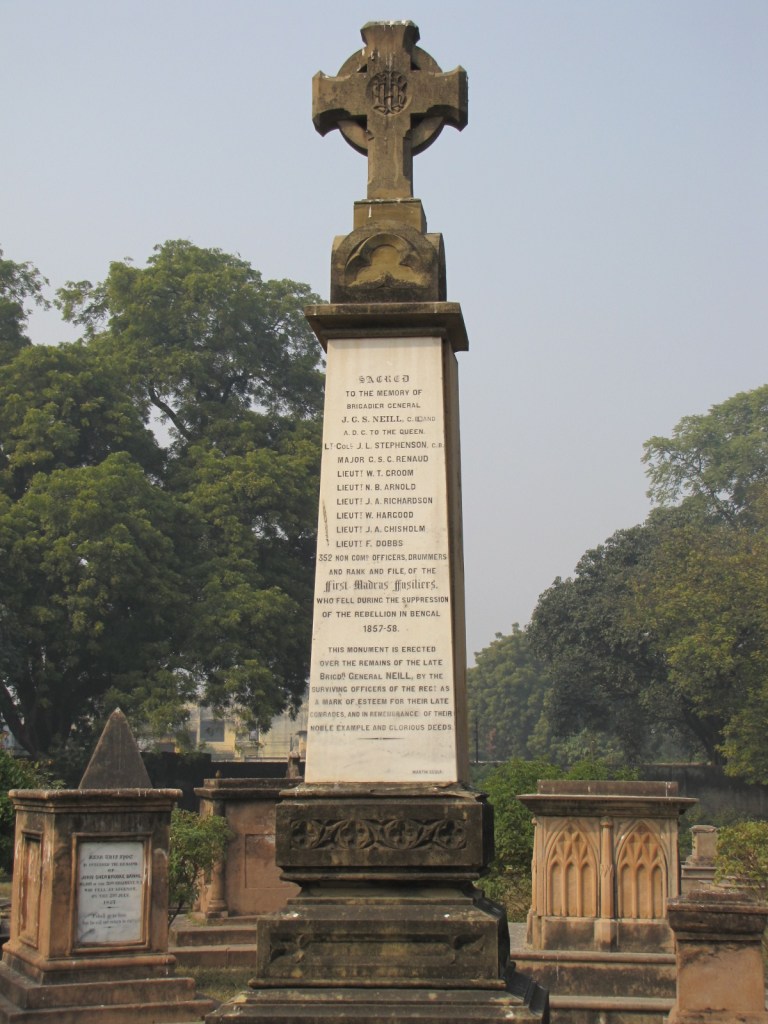
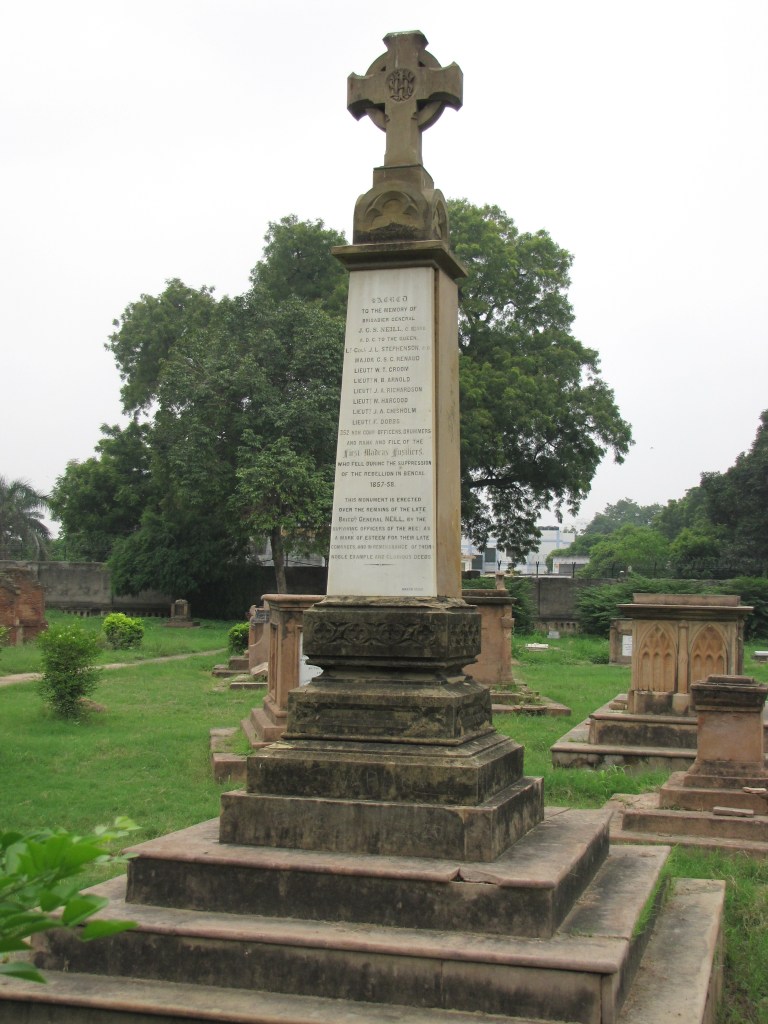
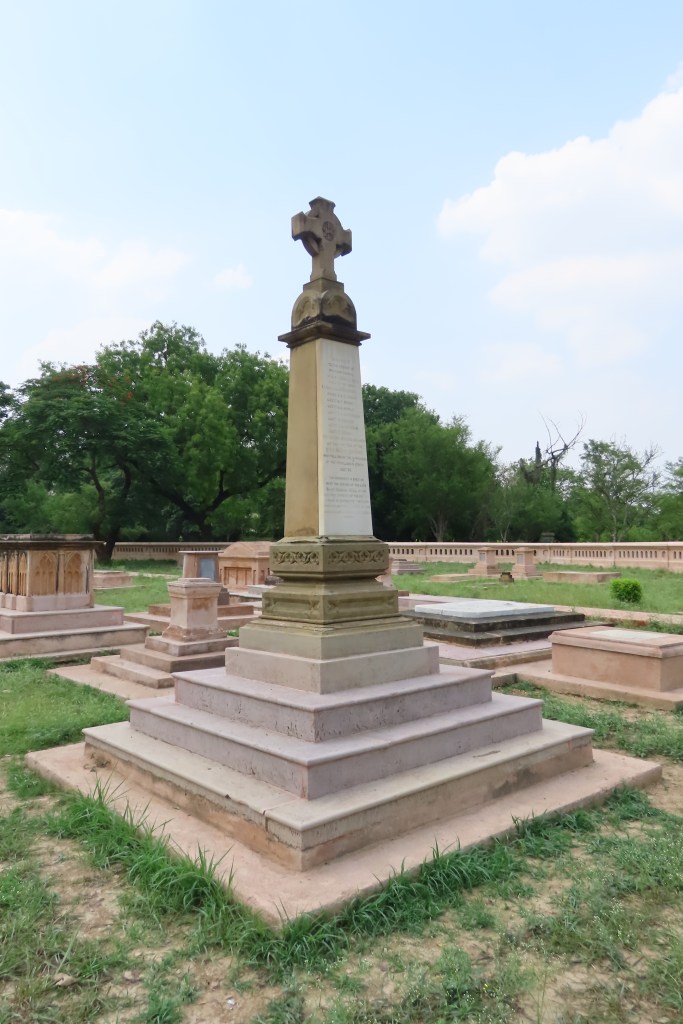
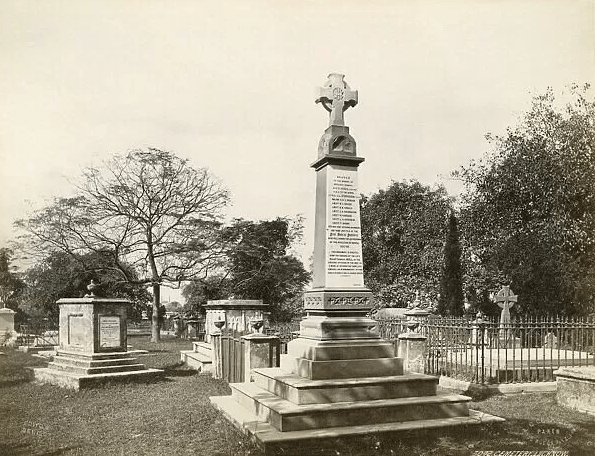
We can compare these two images as well.
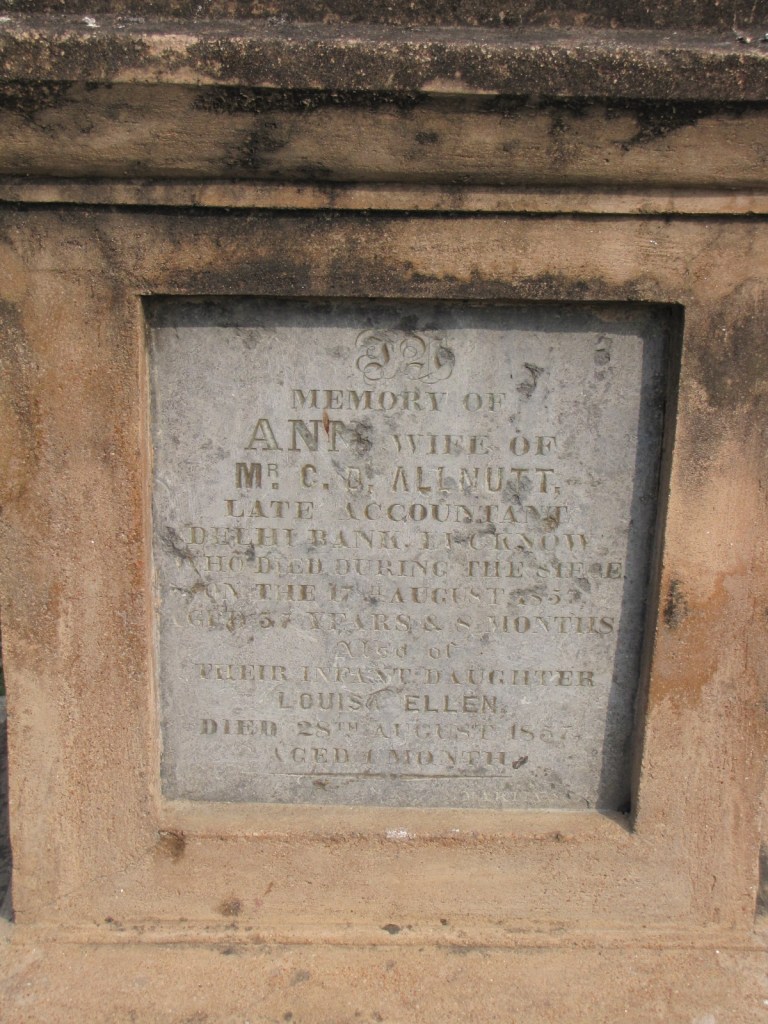
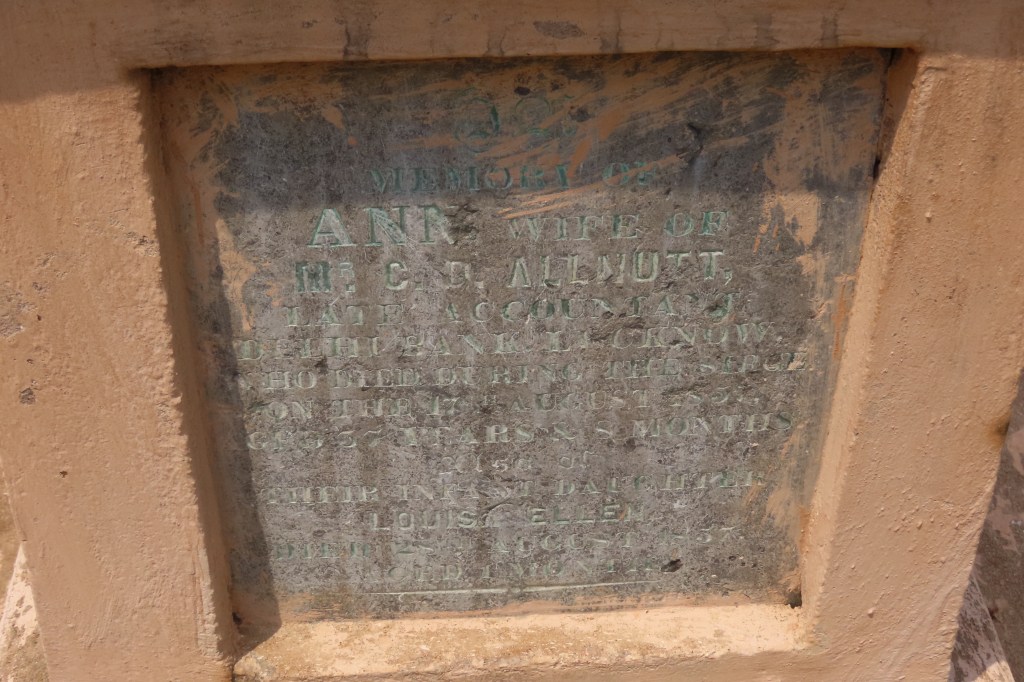
A little care would be nice to see but it seems the painter in 2023 was in an awful hurry. The plaque looks worse now than it did 12 years ago. Then there is the problem of the plinths. This is the memorial to Brigadier General Neill and the men of the 1st Madras Fusiliers. The new plinth is out of keeping with the rest of the monument and unless something dramatic happened between 2016 and 2023.
Unfortunately, the trend at the Residency cemetery is “new and shiny” making one wonder if peaceful decay would not have been the better option after all as the end result is somewhat ridiculous.
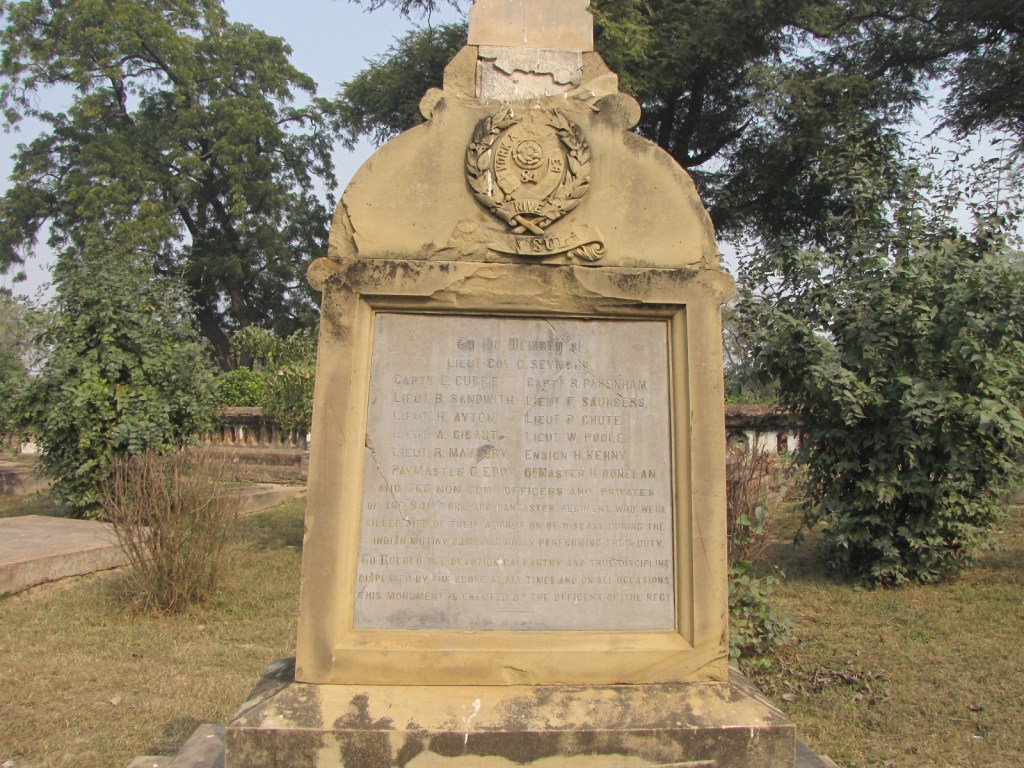
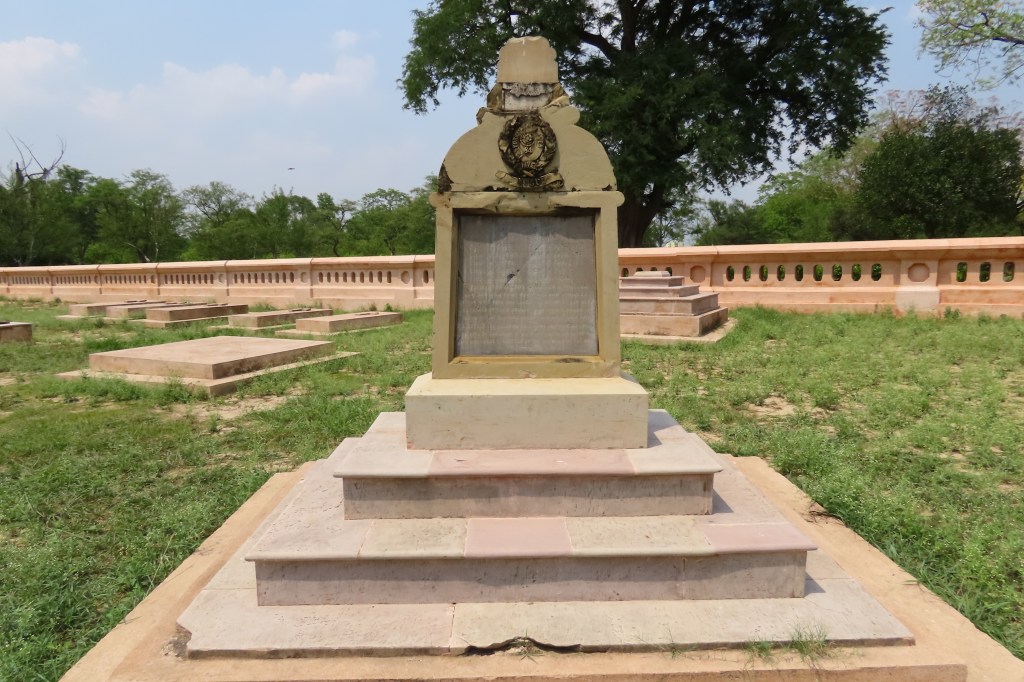
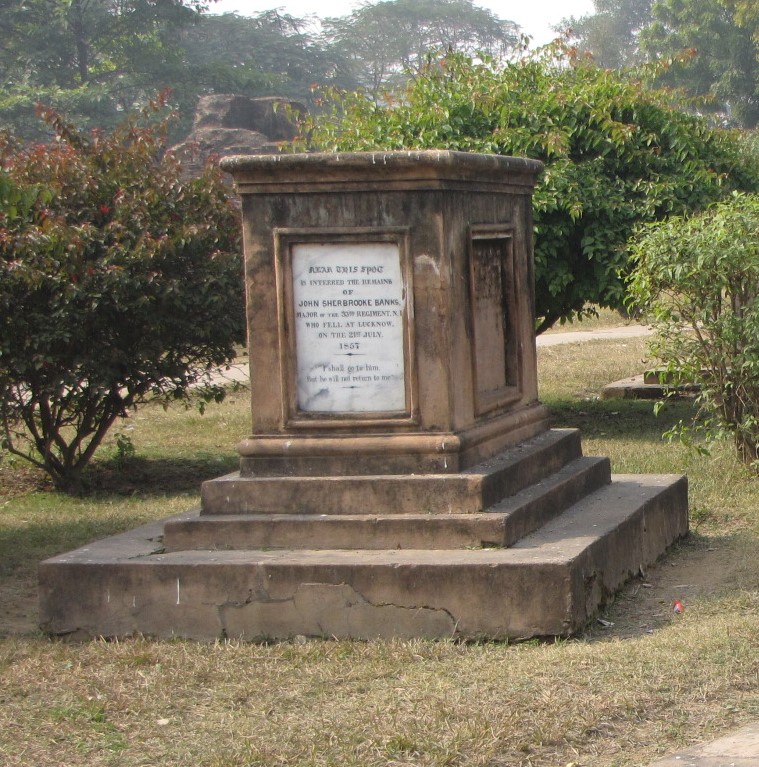
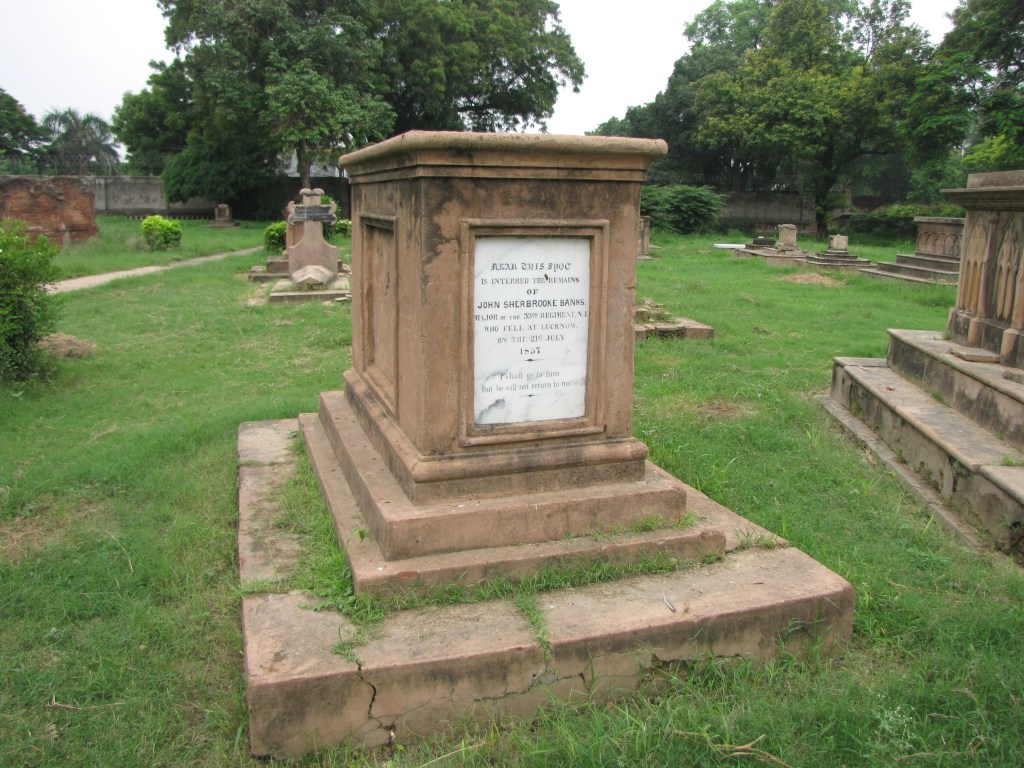
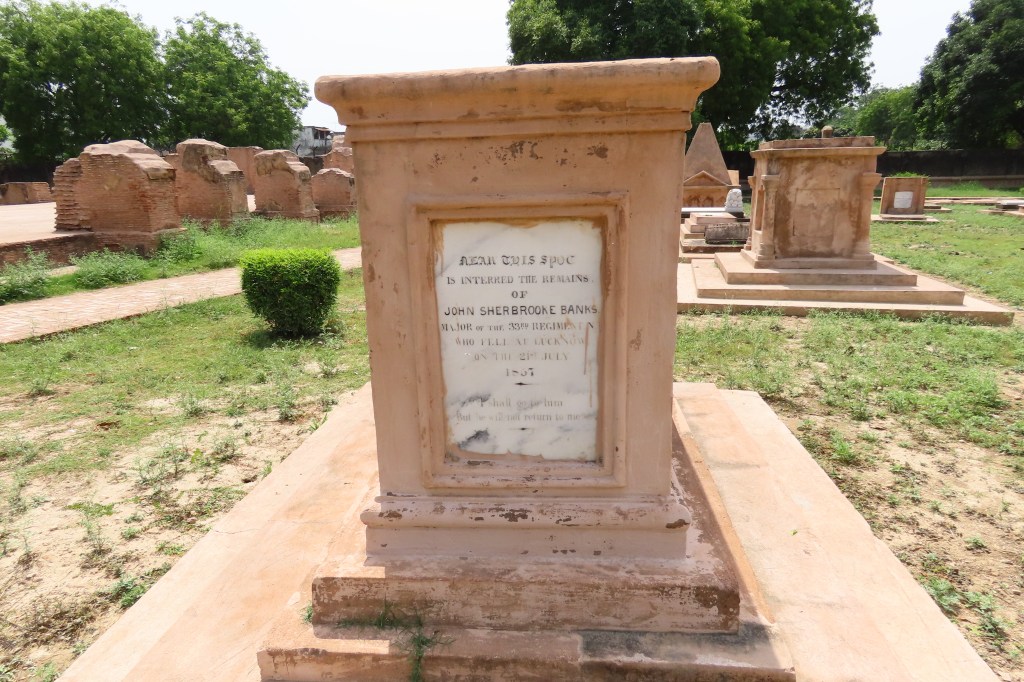
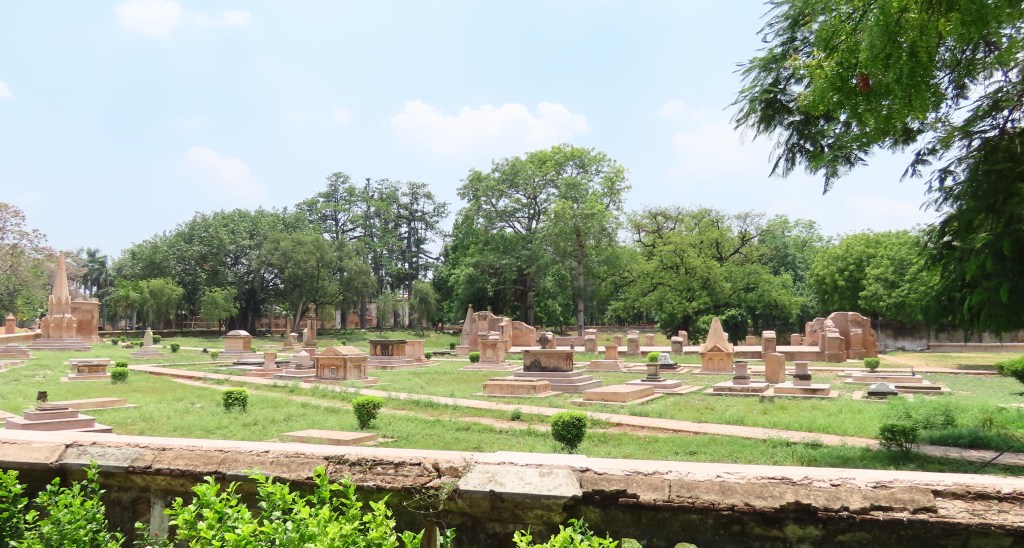
The graveyard has taken on a very uniform look which manages to be garish and unnatural all at once.
The remains of the church have been given the same polish as the graves and with the addition of a new concrete floor, it leaves one wondering what the point is of calling it a site of historical importance when the history has been wiped away in pink hues.
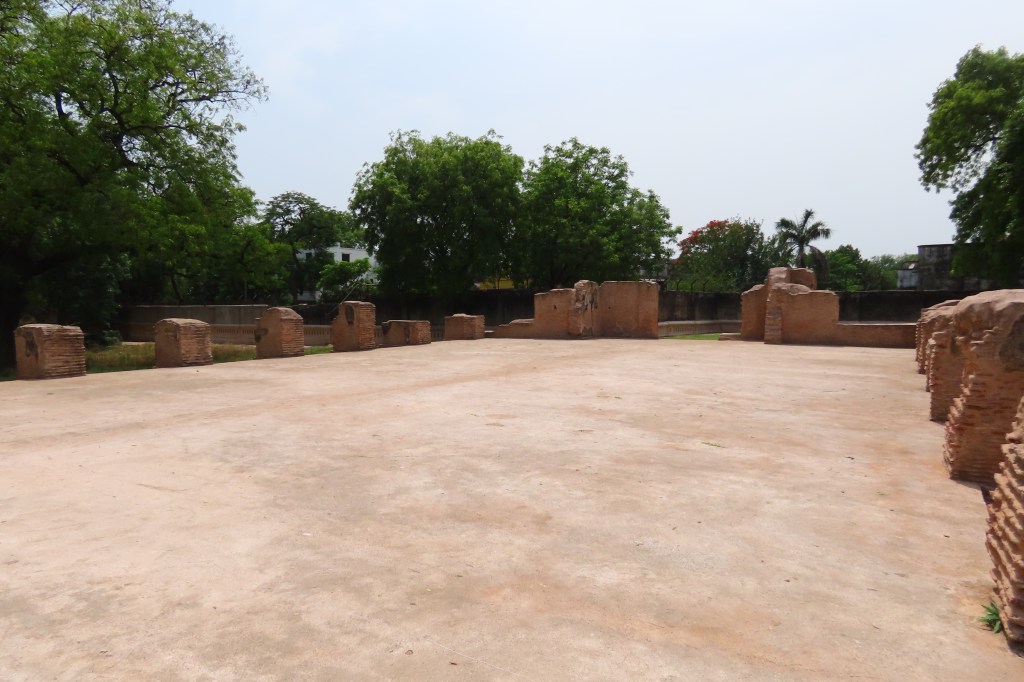
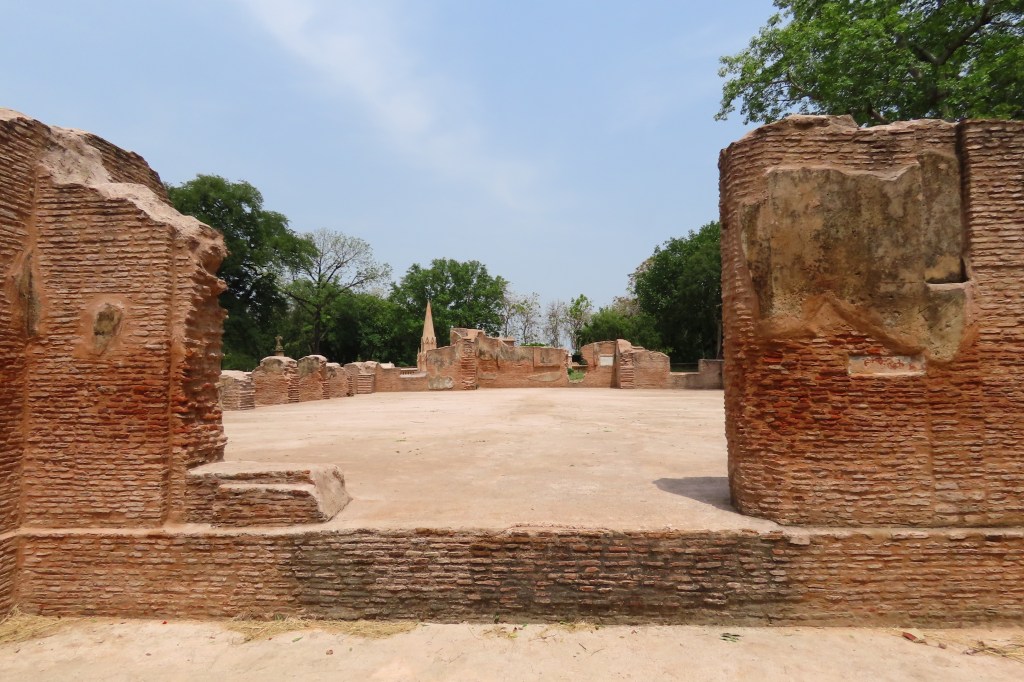
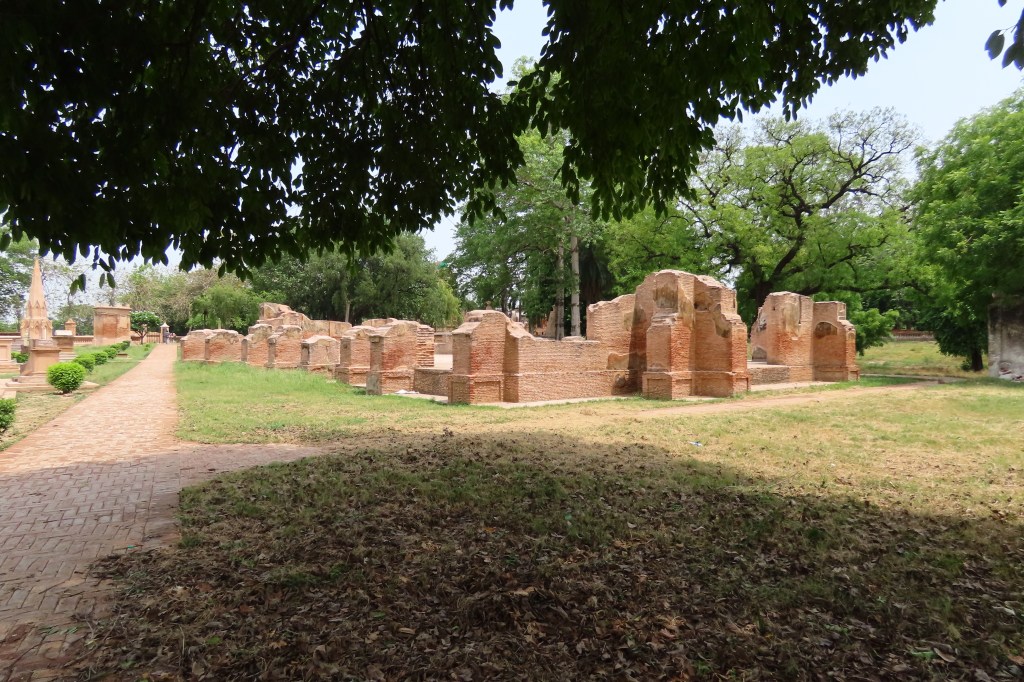
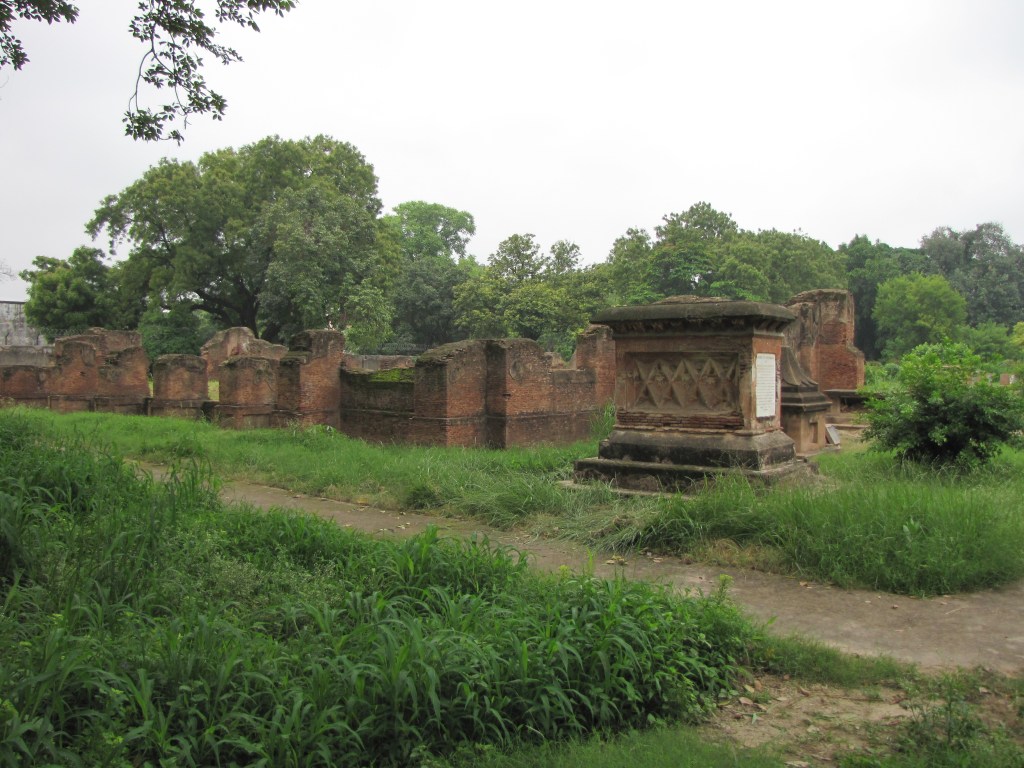
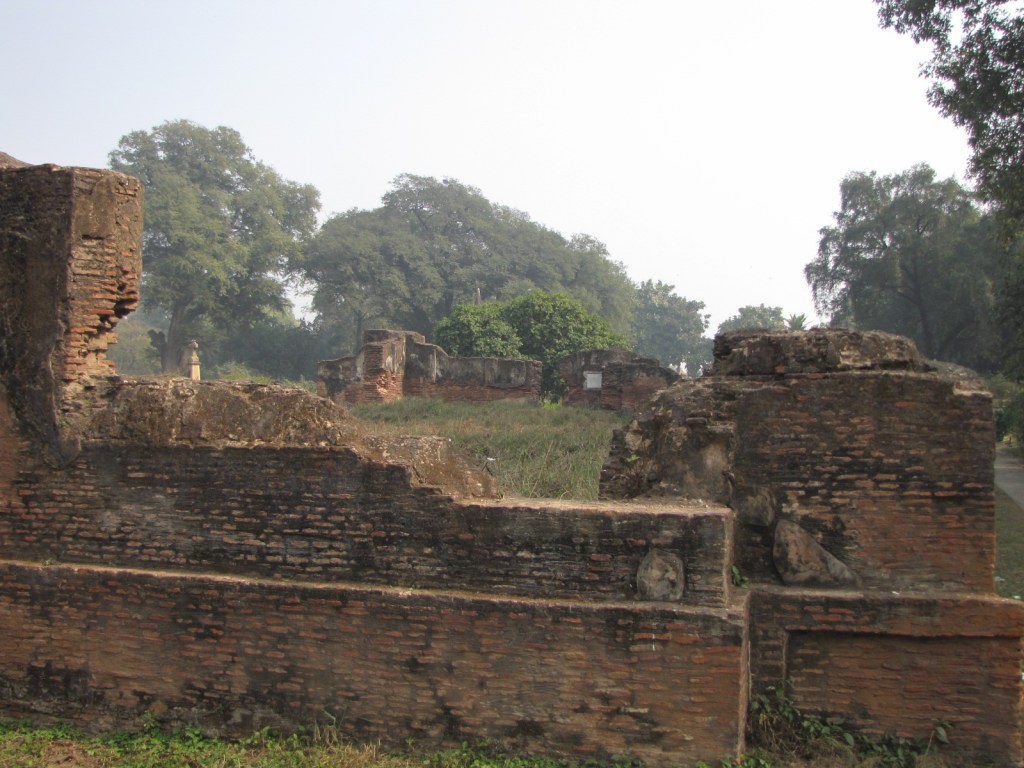
Although it is clear something needed to be done to preserve the building, a sympathetic eye would have gone further than concrete.
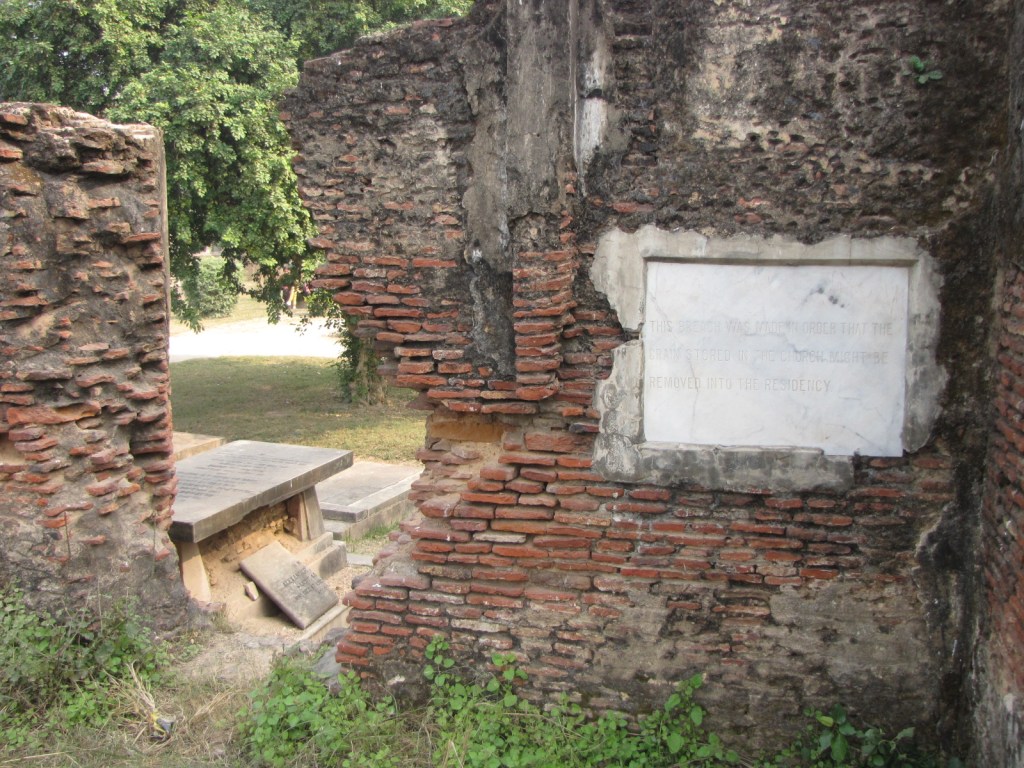
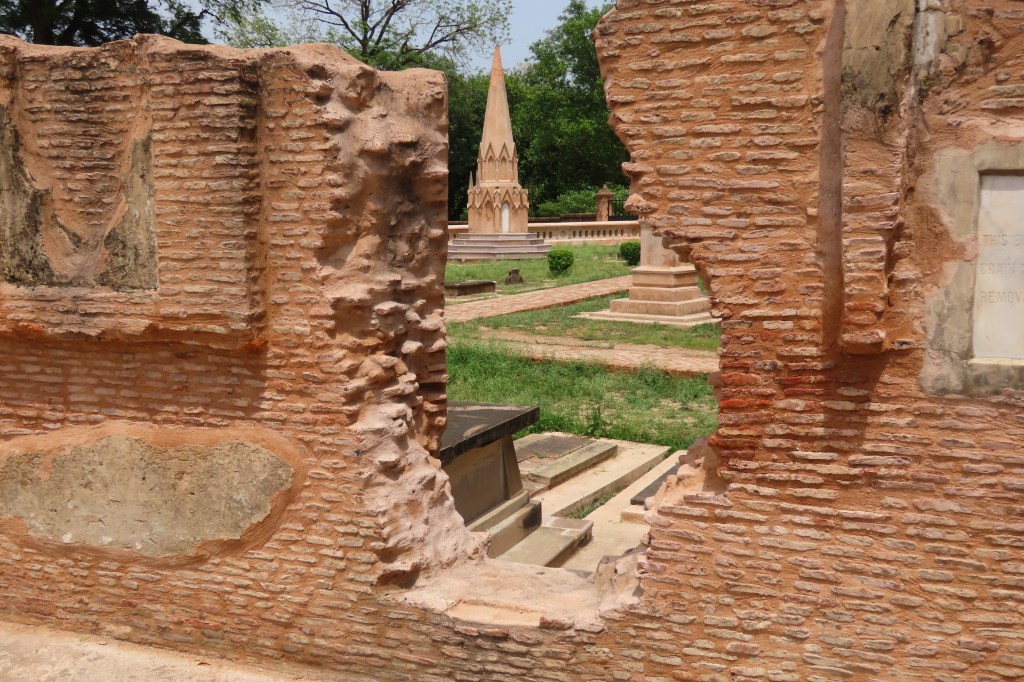
While so much effort was expended on painting and creating tombs and monuments, little was done when it comes to actual restoration and some graves look worse than they did before.
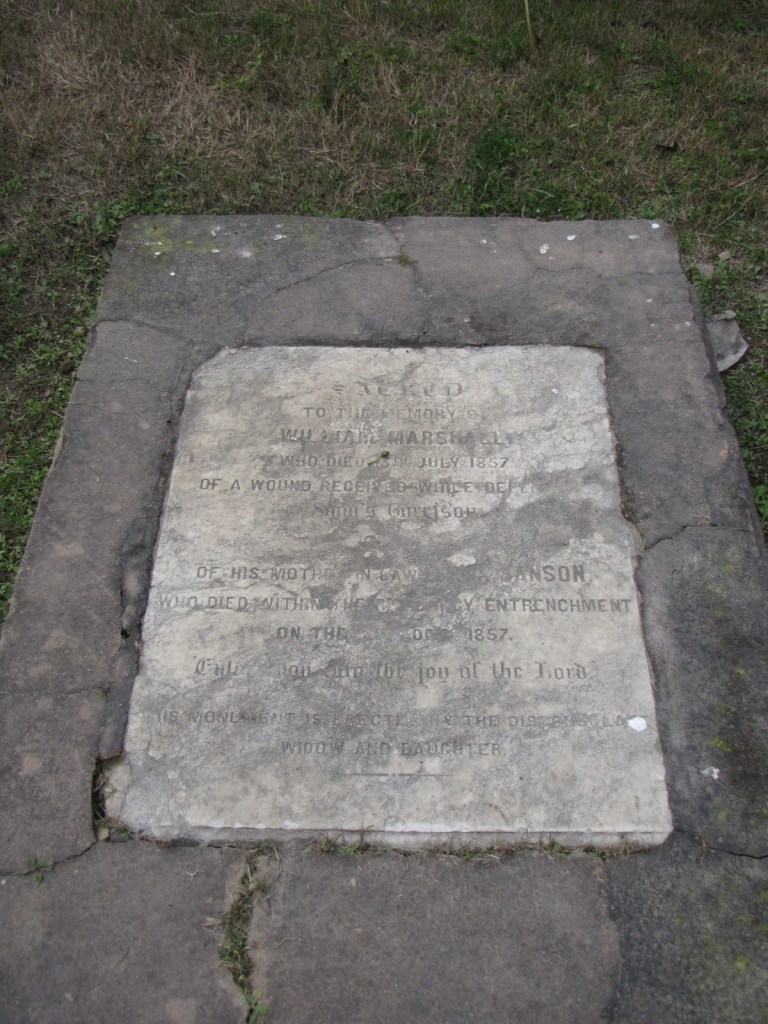
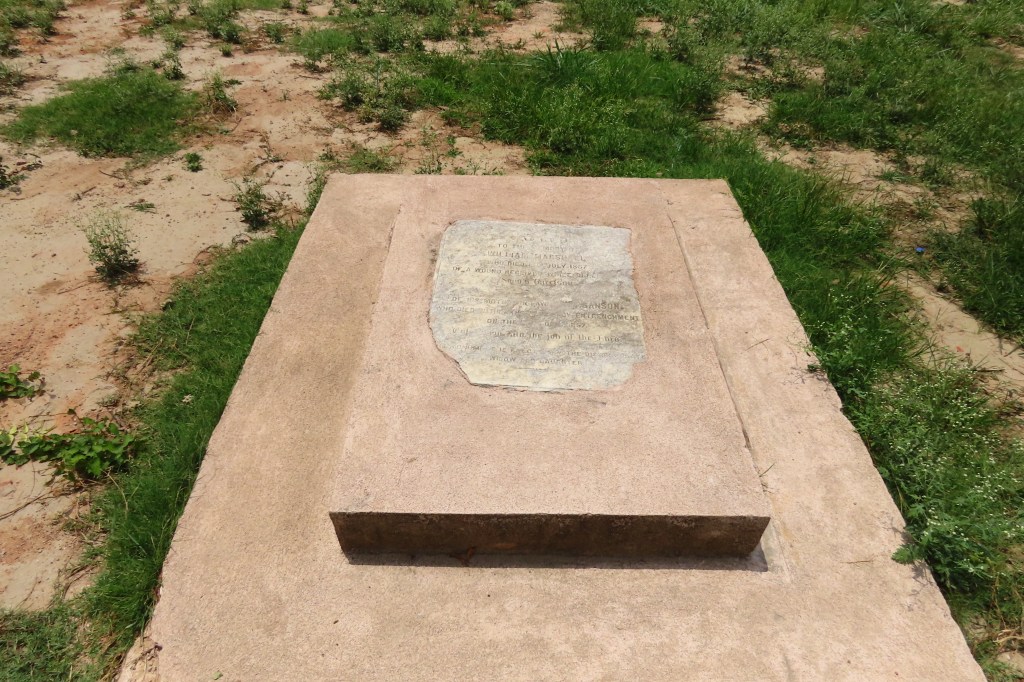
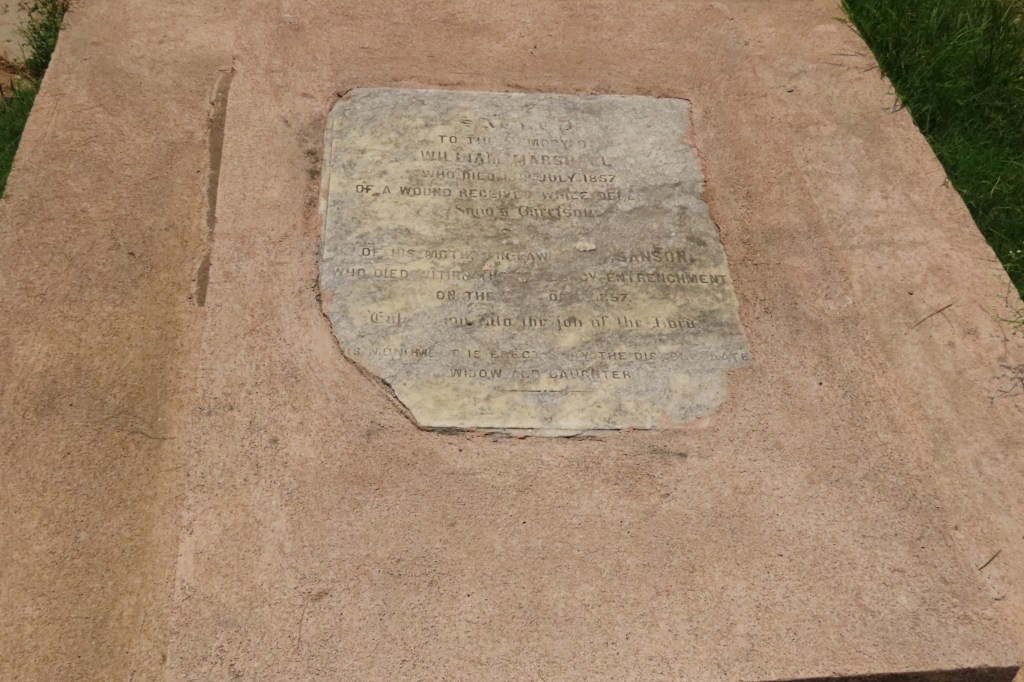
Or have benefitted very little from it.
This is to withstand the trials of time. the grave of James Renald Burnard and Henry Burnard, the sons of Simon and Mary Martin who died during the siege.
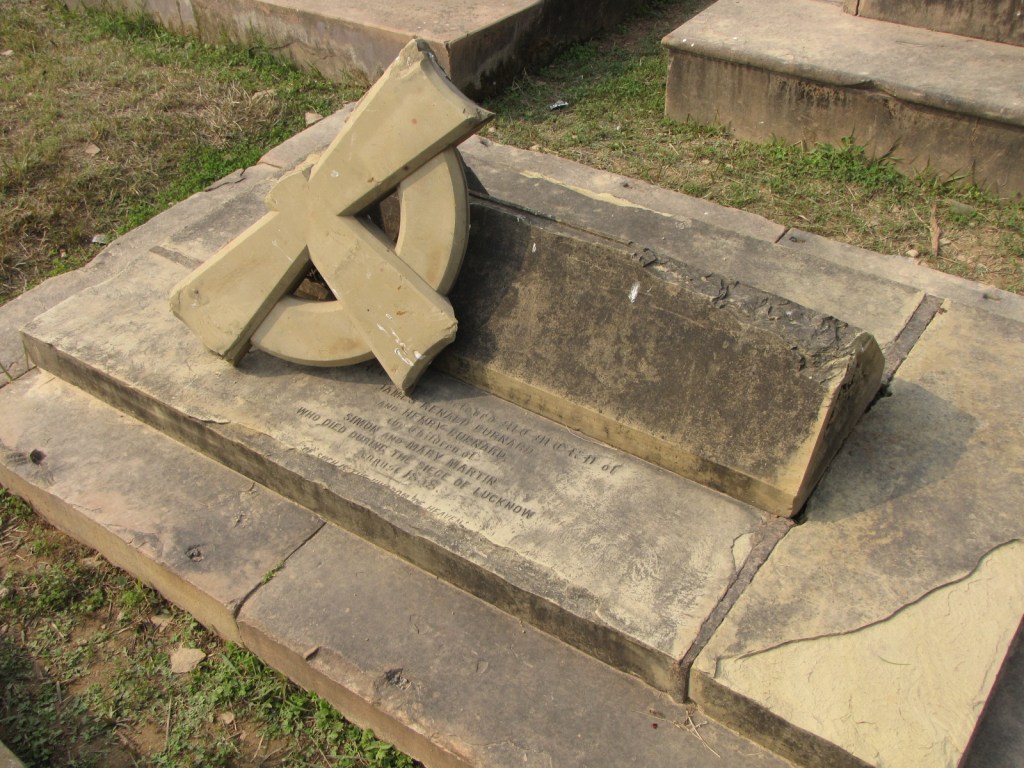
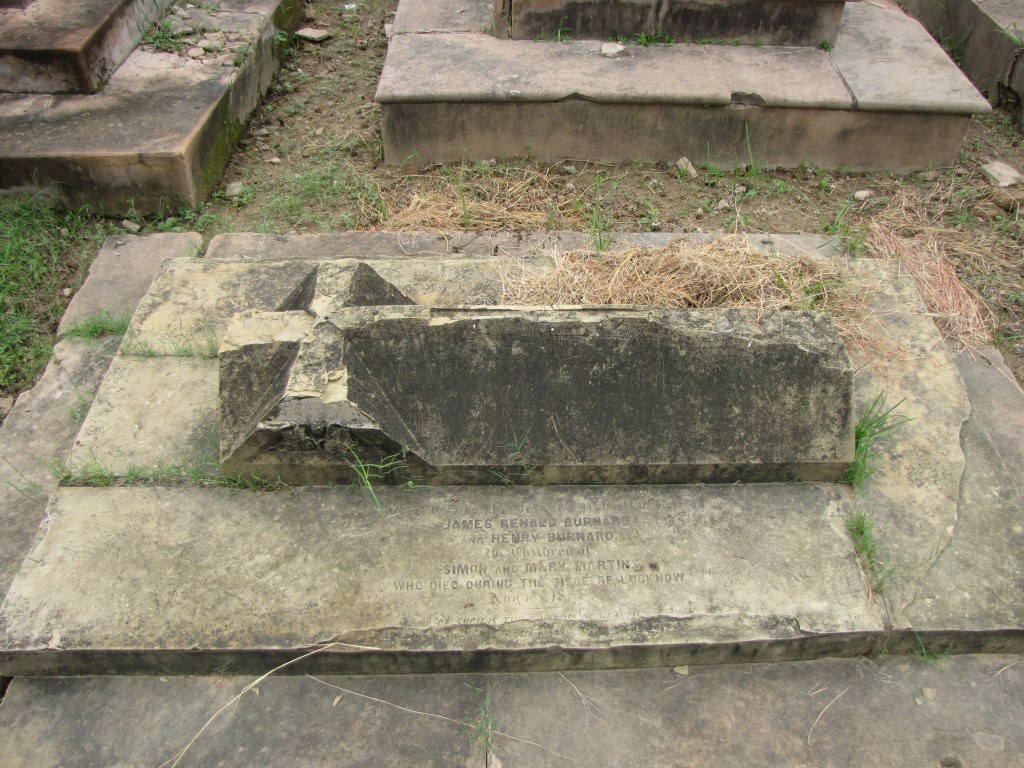
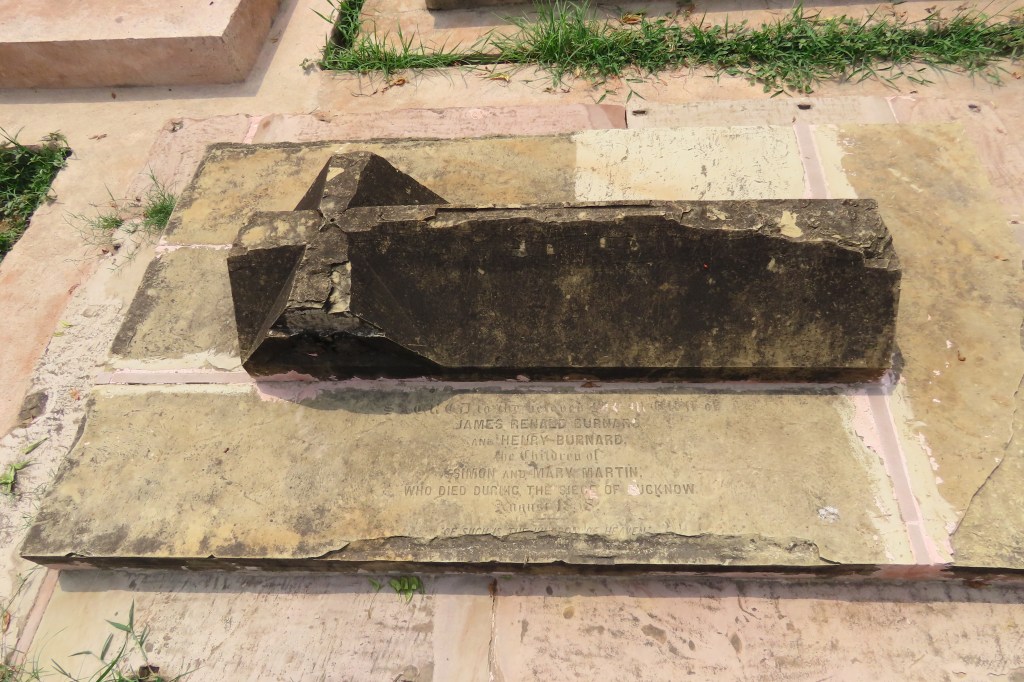
The Lucknow Residency has withstood 166 years of various treatments, from honorific to woeful neglectful and now faces a future of soulless disinterest as it is renovated out of its very existence. Hardly anything could be worse than this.
There is no excuse for the archaeological society to condone such practices. One would imagine, especially, where graves are concerned, a modicum of decency would exist and research would be done before any stone is moved. Although many of the graves have in the meantime lost their plaques, with the aid of Hilton’s map and list, they can still be traced. There is no reason to create meaningless new ones or shift others. If anything, this is one of the better-documented cemeteries in India and a vast arsenal of photographs exists which would make it possible to restore it without restoring to creating it from scratch. However, in their zeal to show progress they have managed to do more harm than good. Good restoration is an art. it is not simply done with a careless slap of paint, poor craftsmanship and a lack of good judgement. Graves can disappear with time but to willfully remove them is a different matter altogether. The renovators seem to have forgotten that under this ground are the bones of the dead. They may not be your dead but they deserve respect all the same.
 Mutiny Reflections
I enjoyed your post and all the photographs. It brought to mindJ . G. Farrell’s “The Siege of Krishnapur” , that I read many ears ago and thoroughly enjoyed . Wondering whether you have read it and, if so, what you would made of it. I should probably re-read it myself and see whether it holds up.
LikeLiked by 1 person
I have not read “Siege of Krishnapur” though I have heard it is based on both Lucknow and Cawnpore. I I have found there are so many first hand accounts of Lucknow I never got around to looking at fictional ones, though Krishnapur has been recommended several times!
LikeLiked by 1 person
I think the government should be careful about it. 👍
LikeLiked by 1 person
A fascinating post and a well researched and patiently presented tale of the pressures between benign neglect and wanton re-invention! Is there, realistically, any local player whose voice is likely to be heard about taking this seriously?
LikeLiked by 1 person
I have forwarded the post to a journalist friend in Lucknow. I will also contact BACSA and FIBIS. The climate in India is odd these days.
LikeLiked by 1 person
Let us hope that someone takes a serious look! I appreciate that it is relatively modern history but there will be little physical left by the time is can be viewed dispassionately sometime in the future.
LikeLiked by 1 person
My concern is that what has been done is not really restoration. I am honestly not sure what it is and why they think anyone will want to see a sanitised Residency. The place was preserved the way it was for a reason, otherwise the British had 90s years time to rebuild themselves had they been so inclined! Unfortunately some of the work on the graves is awful, paint splattered, badly finished, at one point I wasn’t sure if it was grave or a park bench and that shouldn’t happen.
LikeLiked by 1 person
It does have the look of a modern north Indian park about it now, doesn’t it?
LikeLiked by 1 person
It does! Not really what one expects of a historic site.
LikeLiked by 1 person
Some serious concerns raised by you. Thanks for sharing.
LikeLiked by 1 person