The Siege of Lucknow has been written; Lucknow has been taken, lost, and retaken and through it all, the people involved in these events have watched through the passage of time, their lives and stories all tied up in those singular events. We have seen the Victoria Cross winners, but there are others, lesser-known and perhaps completely unknown, whose lives continued after the Indian Mutiny. This is the first of a series of galleries I am going to be publishing over the coming months, and Lucknow is the easiest place to start.
The Hiltons – William and his Son, Edward.
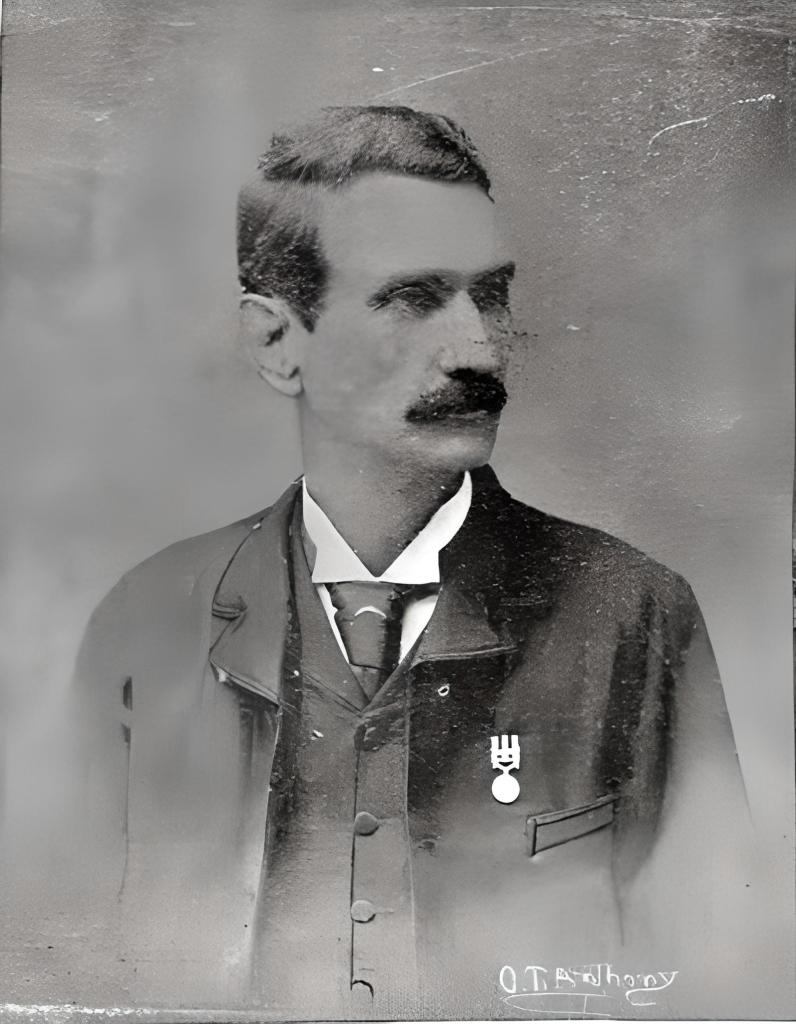
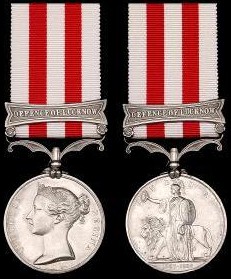
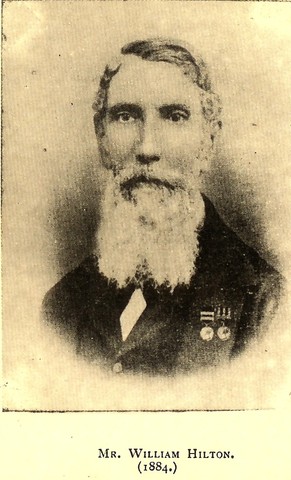
In 1825, a young man named William Hilton (born in Eltham, Kent, in 1806) enlisted in the Royal Artillery. He appears to have been looking for a life quite different to that of ‘Hatter/Labourer’, which he gave as his occupation at just 19 years old, as his enlistment was for unlimited service. He sailed shortly after on the Thames and arrived in Calcutta on 17 June 1826. He began his military career in the 1st Troop, 3rd Brigade Horse Artillery, promoted to corporal in 1833 and sergeant in 1840. Until 1849, we find William in the Commissariat Department, but he returned to the Artillery in May 1849, receiving his discharge and pension the same year in October. Although it is not certain, the picture of William, taken in 1884, shows him wearing a second medal, which is purported to be for the Sutlej Campaign. His service appears to have been spotless, and William was neither wounded nor received any entries in the Defaulter’s Book. In 1846, a reference read,
“‘I have known Sergeant Hilton many years, four of which he served with the Expense Magazine in Dum Dum , and I have no hesitation in saying I never knew a more honest man’.
Mooltan: 12th Dec 1846 Signed: Thos Spencer – Dy. Asst. Commy. Ordinance
While we may not know very much more about the military career of Sergeant William Hilton, we do know that at some point, he arrived in Lucknow and found employment at La Martiniere College as Superintending Sergeant. His duties were those of a porter and, perhaps to the chagrin of the boys, as drill instructor. However, when the mutiny broke out, it was Sergeant William Hilton who ensured the boys who were big enough and old enough could handle the guns they would now be expected to use. Accompanying William Hilton to the Residency was his wife Jane, his seventeen-year-old son Edward, a pupil in the College, and his daughter, Sarah Madeline (born 1847). An older son, named William (born in 1837), was not present at the siege.
I bear willing testimony to the great efficiency with which Mr Hilton has discharged the duty of Sergeant-Superintendent of the Martiniere for the last four years. During this period, duties of extraordinary responsibilities have devolved upon him, which, as well as those properly belonging to his office, he has always discharged to my entire satisfaction. His thorough trustworthiness and his great anxiety at all times to do his duty made him a very valuable servant to the College, which his and Mrs Hilton’s care and attention to the boys have deservedly earned for both a large share of affection and esteem of the boys and their friend...
January 20th 1859 Signed: G. Schilling, Late Principal, La Martiniere, Lucknow
[G. Schilling was Principal of La Martiniere during the 1857 Siege]
Edward Hilton was born in 1839 and joined the Martiniere College at the age of 12 in 1852. During the siege, he served not only as a soldier but as a corn-grinder, as chief conservancy officer at Martiniere Post, and superintendent of the younger boys told off to fan the flies from the sick and wounded in the hospital. Unfortunately, William fell ill during the siege, but he had had “…several narrow escapes, one of which was from a bullet which passed through the back of his chair from which he had only risen the moment before.” Edward himself was slightly wounded, and his mother had an unfortunate encounter which resulted in a bruised head when a 24-pounder slammed into the wall of the room she was sitting in, showering her with dislodged bricks. The incident left Mrs Hilton covered in dust and swearing in a manner her son did not expect from a woman as demure as his mother. The Martiniere Post was one of the last to leave their position on the night of the evacuation in November 1857; they must have been an exceptional lot of boys, for Brigadier Inglis ordered Edward and his chum, named Nichols, to go to the “… Dilkusha with two ponies and collect money and other valuable property belonging to the College. On their way back, they were caught in an artillery duel between one of Shannon’s guns and a rebel battery positioned in a mango tope. The ponies ran off scattering rupees, and were only captured with the greatest of difficulty.”
Sergeant William Hilton eventually recovered his health and returned to his position as Sergeant Instructor at Martiniere College; in 1864, both he and Edward were listed amongst the “Members of the Illustrious Garrison” of Lucknow who took part in a parade for the laying of the foundation stone at the Residency, while his wife and daughter watched from the sidelines. For both men, it was then back to regular life; William continued working at the Martiniere while Edward trained as a barrister and would subsequently practice law in Lucknow. However, Edward’s history with the Residency never ended — he would return there for the rest of his life, acting as a tour guide, a story which he would narrate with “…freshness and zest, readily answering any questions the visitor might put.” A school boy who attended La Martiniere from 1871 to 1878 would recall,
“Old Hilton and his son were still going strong and were there to corroborate the facts [re the siege]” and then goes on, “There were 2 classrooms in the right wing extension with quarters for a master in the angle and for Mr. Hilton the Senior Sergeant, at the extremity…a few daring spirits would climb into the baths through the skylights at the back for a swim, always taking the opportunity when Mr. Hilton had gone out”.
Life, of course, would go on outside the Lucknow Residency and its tales. Sarah married Frederick H. Sutton (also a Martinere boy who was present during the siege, along with his brother) in Lucknow in 1868, and Edward himself married Ellen Saunders Copley in 1866. Edward and his wife would have six children, and his sister would bear eight, but her story in the meantime had taken her to Allahabad. However, where there is life, there is also death. William Hilton died in 1885, Edward buried his daughter Maude Jane, just 17 years old, in 1883 at the Lucknow Residency Cemetery, then his mother in 1893 and then his wife in 1910. For another 12 years, Edward Hilton continued to live on, but when his time came, he was buried at the Lucknow Residency Cemetery next to his family, with full military honours. Attending his funeral were the chief commissioner of Oudh, all the principal residents of the city and the head of the military of Lucknow district. During his lifetime, Edward had written The Tourist’s Guide to Lucknow, which was first published in 1899 and was still widely in use at the time of his death.
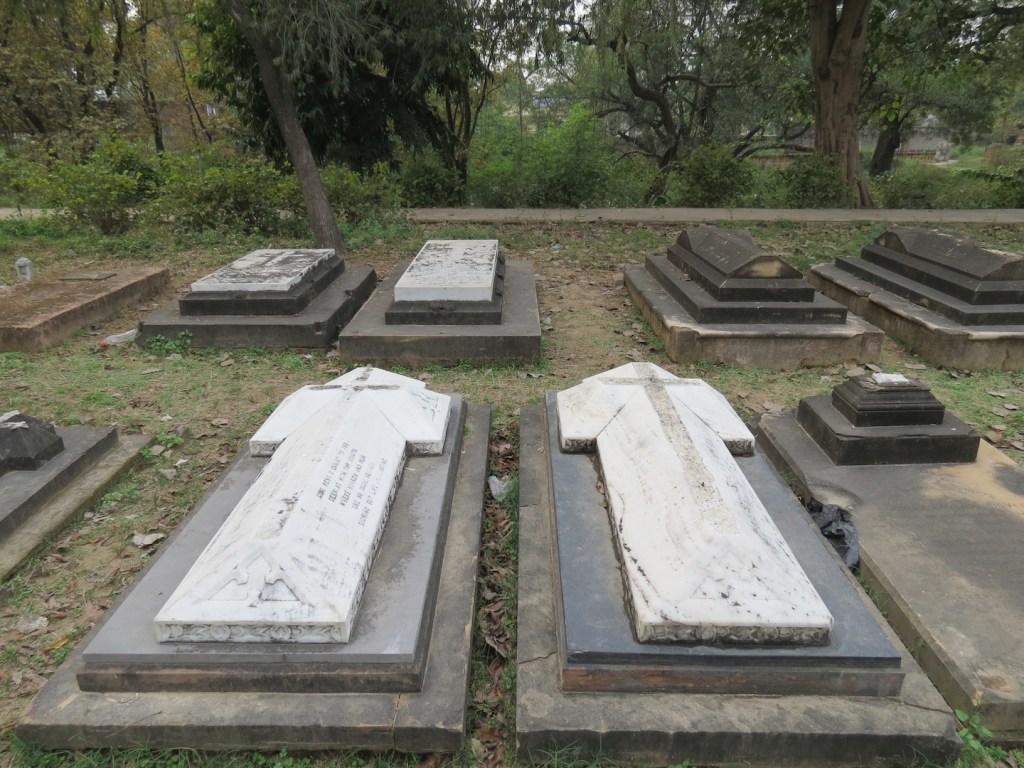
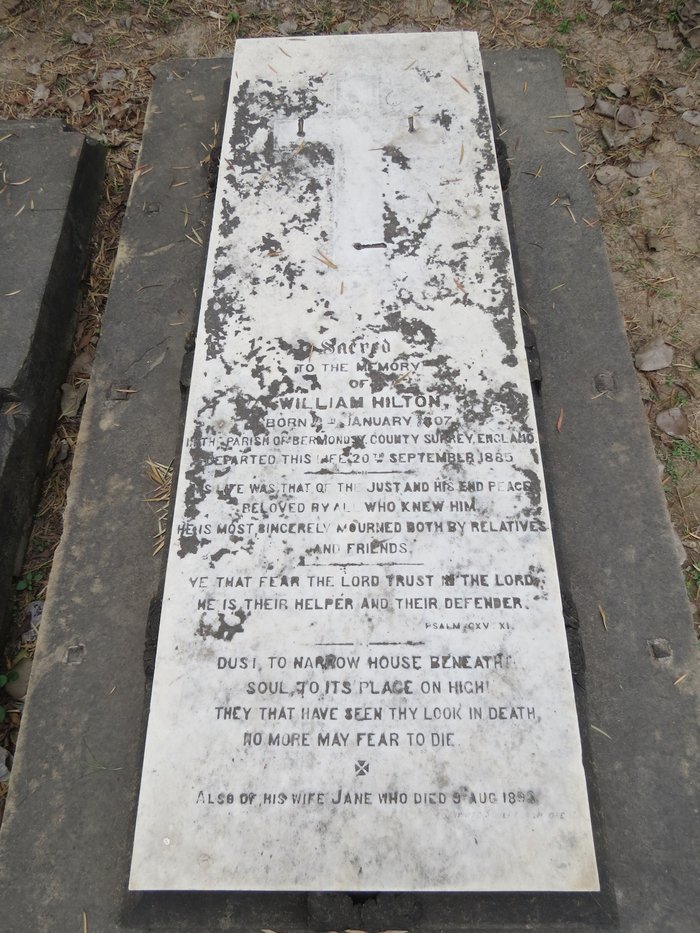
And what of the Martiniere College?
La Martiniere was established in the former residence of Major-General Claude Martine, a French soldier and adventurer, who had during his lifetime amassed a sizeable fortune of some 28 lakhs rupees. On his death in 1800, he left instructions for his remains to be interred in one of the ground-floor rooms of his palace. He also left an endowment for three schools to be established in his name, at Calcutta and Lucknow, and one in his native town of Lyons.
The palace at Lucknow, in which the college would eventually be established, is still known by its original name, Constantia, and it has alternately been described as a wedding cake of a building and “half a temple…half a Freemasons’ lodge… part Enlightenment mansion, part Nawabi fantasy and part Gothic colonial barracks… with the loopholes and turrets of a medieval castle; while, above, Palladian arcades rise up to Mughal cupolas.” The school is undoubtedly an architectural wonder.
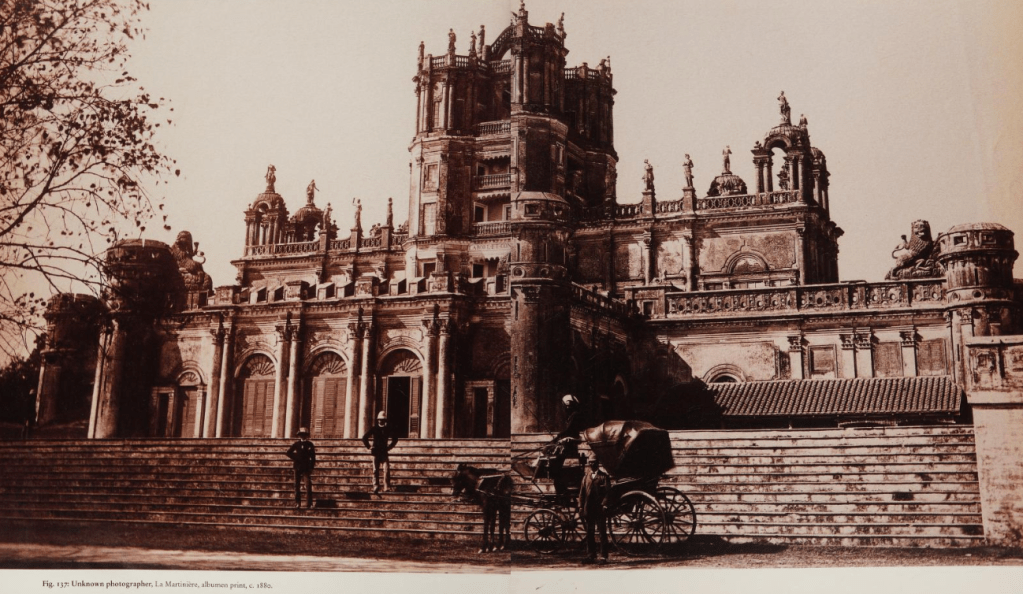
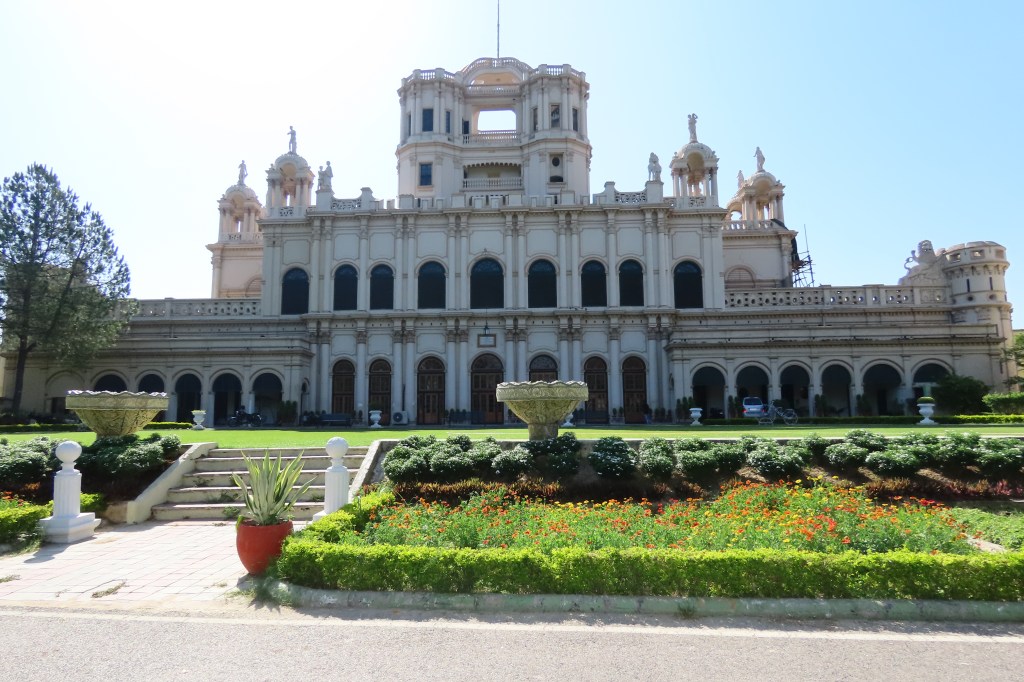
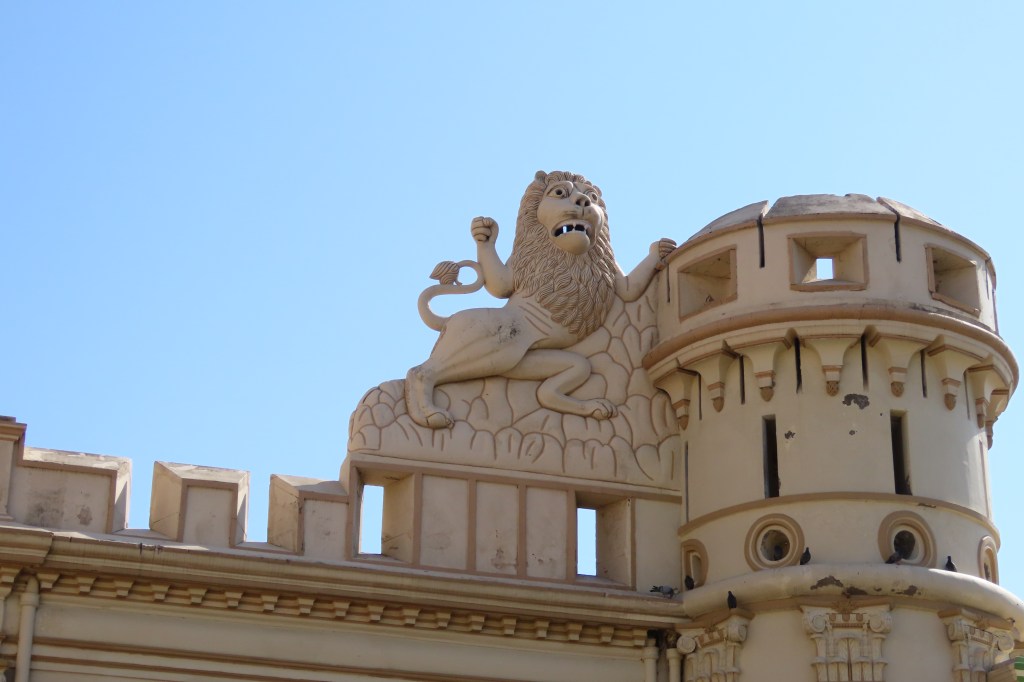
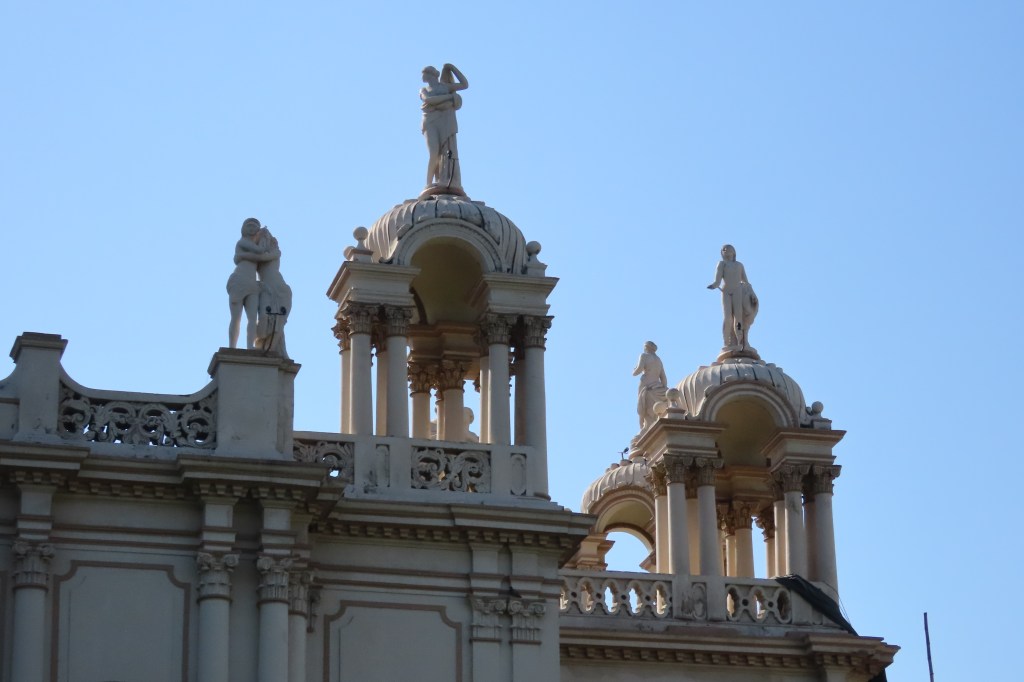
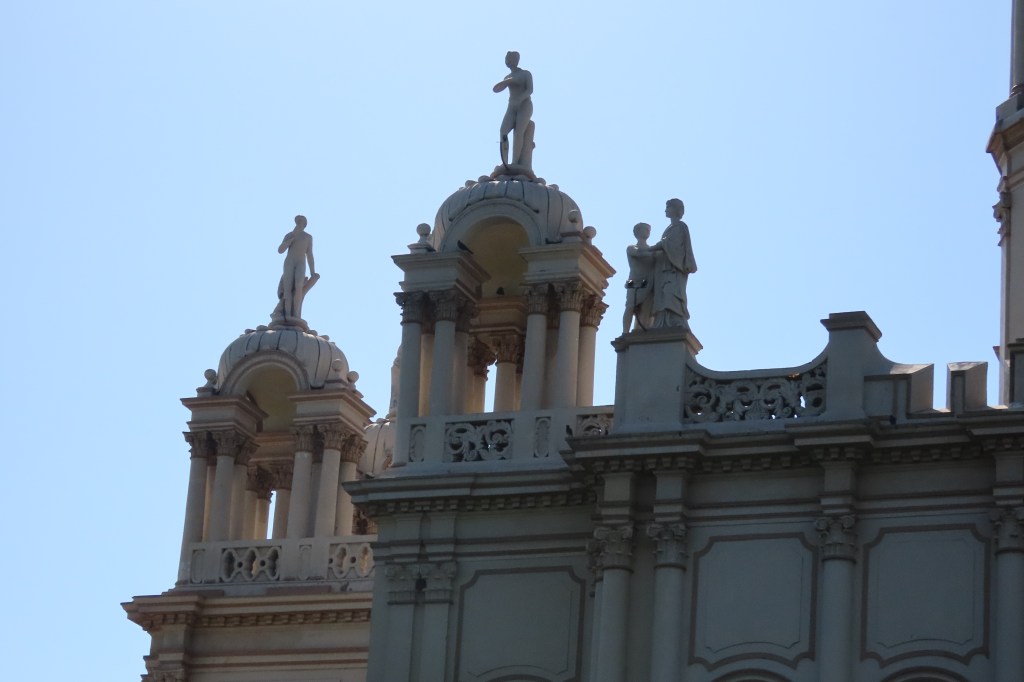
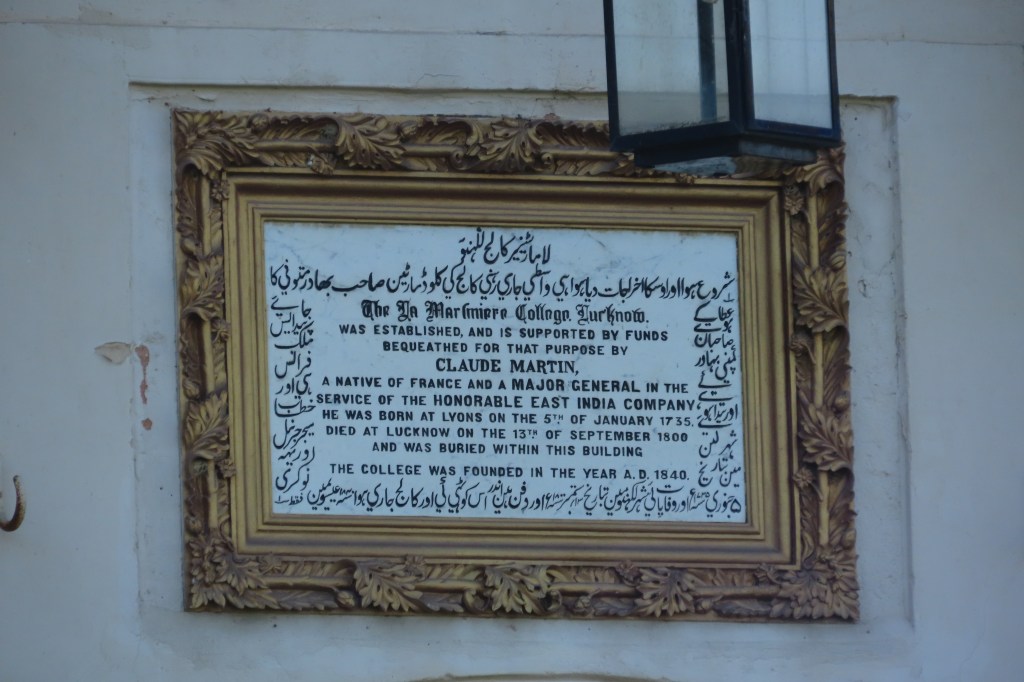
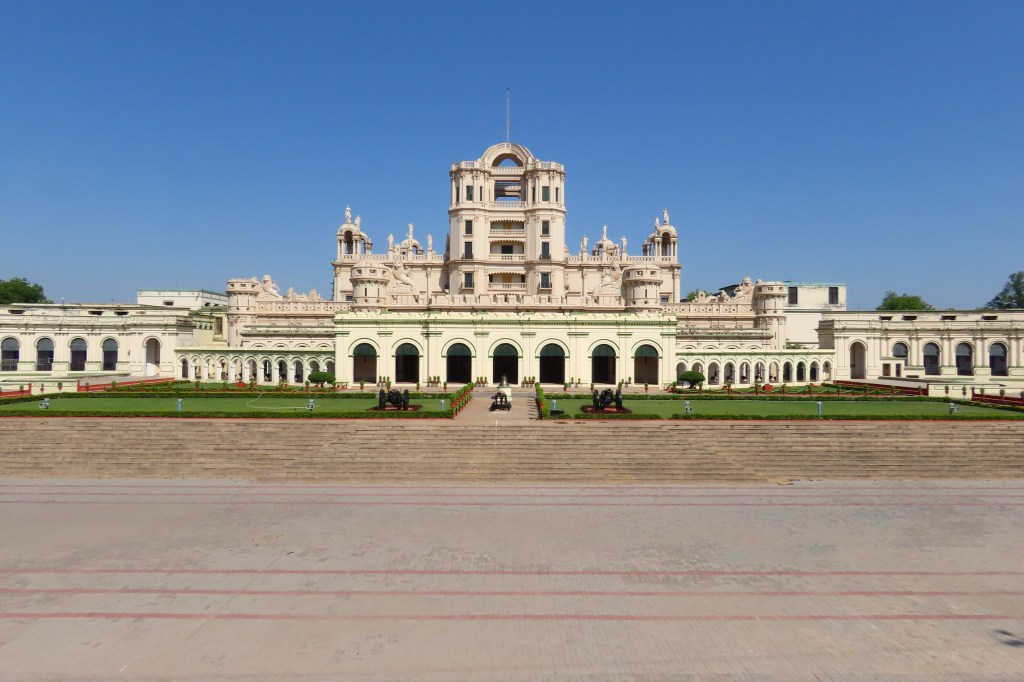
The building was damaged during the mutiny, and it would be two years before it was habitable again, leaving the Martiniere boys to carry on their studies in two bungalows in Allahabad for the duration of the refurbishments. There is little doubt that the efforts of the boys and their masters during the siege were remarkable and were recognised as such with the Indian Mutiny Medal. It would not be until 1932, following a request by the College, that the British Government saw it fit to honour Martiniere’s role in the siege by presenting the school with its own unique Colour.
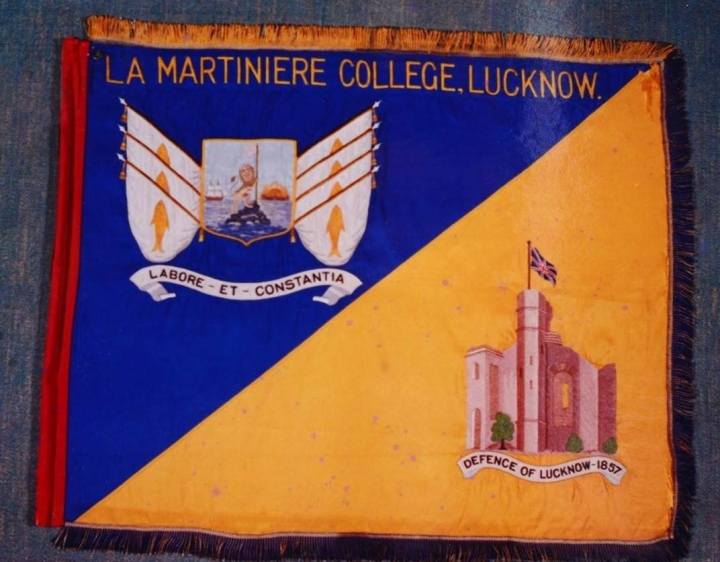
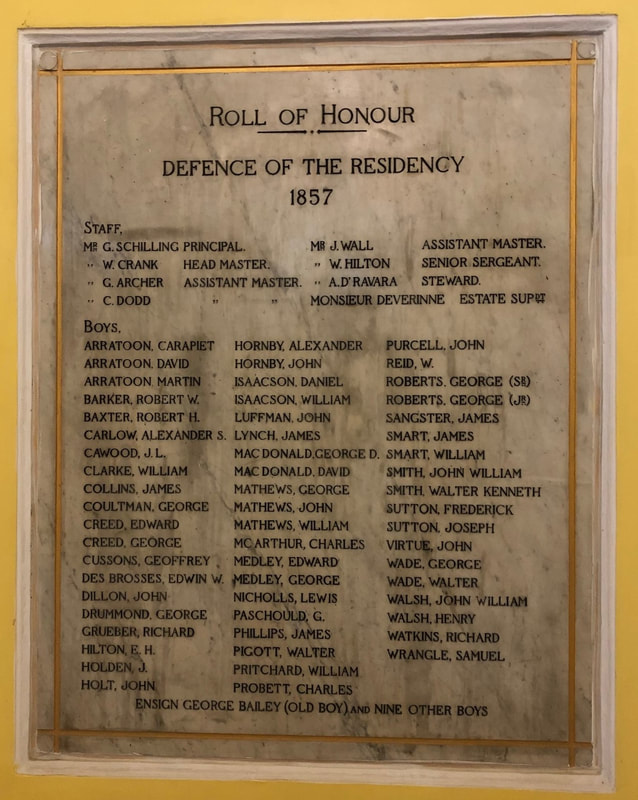
To this day, the school continues its military tradition, with one National Cadet Corps (Rifles), a troop from the Senior Division and two troops from the Junior Division (Navy and Air Force), thus representing the three Defence Services. The boys also belong to the School Scout Troop, and if anyone needs a reminder, the Roll of Honour for Lucknow has been allowed to remain in the memorial hall in the main building, which also includes all La Martiniere alumni who have lost their lives fighting for the Indian army ever since.
 Mutiny Reflections